
More than just sources of light, oil lamps and lanterns have illuminated human progress for centuries. The warm, steady glow of an oil lamp once guided evening gatherings and late-night study sessions long before electric lights flickered to life. With their sturdy, portable design, lanterns have been the steadfast companions of explorers navigating through the unknown terrains of history.
Oil lamps, first used by ancient civilizations, bring a sense of timeless elegance with each flickering flame while providing a consistent source of light fueled by various oils. On the other hand, lanterns evolved to meet the needs of rugged environments, highlighted by an 18th-century statistic showing their prevalence among maritime and rural communities. Whether for aesthetic ambiance or resilience in harsh conditions, the choice between an oil lamp and a lantern often hinges on both historical significance and practical application.
| Feature | Oil Lamp | Lantern |
|---|---|---|
| Design | Classic and elegant | Portable and rugged |
| Fuel Type | Oil (e.g., kerosene, olive oil) | Battery, solar, oil |
| Light Quality | Warm, steady flame | Bright, adjustable light |
| Safety | Open flame, needs careful handling | Enclosed light source, safer |
| Durability | Fragile, especially glass parts | Designed to withstand tough conditions |
Overview of Oil Lamp and Lantern
Oil lamps and lanterns have been used for centuries to light up the darkness. They each have unique qualities and histories that make them special. Let’s take a closer look at both kinds of lighting tools.
Overview of Oil Lamp
Oil lamps have been around for thousands of years. Ancient civilizations like the Egyptians and Greeks used them to light their homes. They were simple, yet very useful.
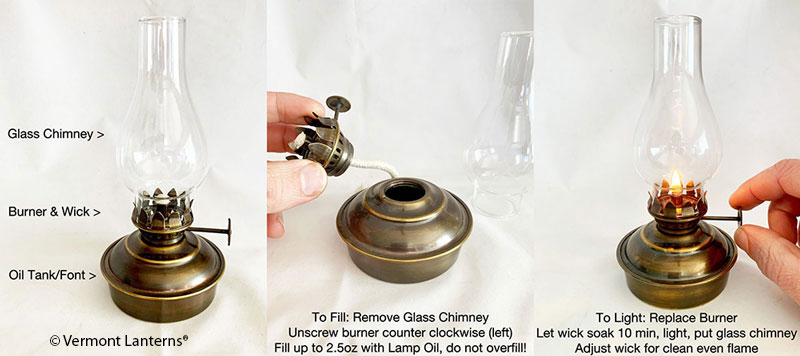
The basic design of an oil lamp includes a container for oil and a wick that soaks up the oil. When the wick is lit, it burns to provide a steady flame. The light is warm and soft.
Oil lamps can be made from various materials like clay, metal, or glass. They are often beautifully crafted, making them not just practical but also decorative. Many people enjoy their classic and timeless look.
The oils used in these lamps can vary. Commonly used oils include olive oil and, more recently, kerosene. Different oils can change how an oil lamp works and the kind of light it gives off.
Oil lamps are often used in settings where a cozy and traditional ambiance is desired. They are also handy during power outages when electric lights are not available.
Overview of Lantern
Lanterns were created to be portable light sources. This makes them perfect for outdoor activities like camping or late-night explorations. They have evolved a lot over the years.
Early lanterns were fueled by candles or oil, similar to oil lamps, but enclosed to protect the flame from wind. This design makes them safer and more reliable in various weather conditions. Modern lanterns often use batteries or LED lights for convenience.
Lanterns come in different shapes and sizes. Some are very small and can fit in your pocket, while others are large enough to light an entire campsite. Their versatility is a major advantage.
Materials used to make lanterns include metal, plastic, and glass. Some lanterns are even collapsible, making them easy to carry and store. They are designed to be durable and long-lasting.
Lanterns are valued for their practicality and robustness. Whether used for emergencies, outdoor adventures, or simply as a garden decor, lanterns are a valuable light source in many situations.
Key Features Compared
When choosing between an oil lamp and a lantern, it’s important to understand their key features. Here, we compare some important aspects to help you make an informed decision. These features include design, fuel type, light quality, safety, and durability.
Design
Oil lamps often have a classic and elegant design. They are usually made from materials like glass, metal, or clay. Many people appreciate their antique look and artistic value.
Lanterns, on the other hand, are designed for portability and rugged use. They can be collapsible and are often made from materials like plastic and metal. Their design focuses on being practical for outdoor and emergency use.
Oil lamps typically have an open flame, which adds to their charm. The wick is visible, and the flame can be adjusted for different light intensities. This makes them visually appealing in many settings.
Lanterns usually enclose the light source, making them safer to use in various weather conditions. Modern lanterns may use LED lights, which are energy-efficient. This design keeps the light protected and extends the lantern’s usefulness.
In terms of size, oil lamps are often smaller and used as decorative pieces. Lanterns come in various sizes, from pocket-sized to larger models that can light up a whole camping area. This makes them versatile and adaptable.
Fuel Type
Oil lamps traditionally burn oils like olive oil or kerosene. These fuels can produce a steady, warm light. The type of oil used can affect the lamp’s performance and light quality.
Lanterns can use various types of fuels depending on their design. Older models may use oil or kerosene, while modern ones often run on batteries or solar power. This variety makes lanterns versatile in different environments.
Kerosene is a common fuel for both oil lamps and lanterns. It is affordable and easy to find. However, some people prefer using more natural oils for a cleaner burn.
Battery-operated lanterns are convenient because they don’t require traditional fuels. They are easy to turn on and off and can last a long time. This feature is especially handy for camping or emergency kits.
Solar-powered lanterns have become popular recently. They harness energy from the sun and can be used repeatedly without additional costs. This makes them eco-friendly and cost-effective.
Light Quality
Oil lamps provide a warm, steady light that many people find soothing. The flame can be adjusted to change the brightness. This feature is great for creating a cozy atmosphere.
Lanterns, especially modern ones, often use LED lights. These lights are very bright and can illuminate a large area. LED lights also last longer and are more energy-efficient.
Oil lamps emit a natural, flickering light that mimics candlelight. This makes them appealing for decorative and ambient lighting. The flicker can add a touch of nostalgia to any setting.
Lanterns can offer various lighting modes, such as high, medium, and low settings. This makes them adaptable to different needs. For example, you can use a bright setting for reading and a dim setting for relaxing.
The quality of light from oil lamps is generally softer and more pleasing to the eye. Lanterns, with their bright LED lights, are better suited for tasks that require strong, focused light. Each has its own advantage depending on the situation.
Safety
According to this expert opinion, oil lamps are relatively safe when used correctly. They have a low risk of tipping over if placed on a stable surface. However, the open flame does present some fire hazards.
Lanterns are typically safer because they enclose the light source. This helps in preventing accidents such as tipping or wind-blown flames. Battery-operated lanterns are especially safe as they don’t involve open flames at all.
Oil lamps do require a bit of caution when refilling with oil. Spilling oil can be messy and dangerous if it catches fire. Proper handling and placement are crucial for safe use.
Lanterns have safety features like enclosed flames and shatter-resistant materials. These features make them ideal for outdoor use and in environments where safety is a priority. The durability and safety design make them reliable in demanding situations.
Oil lamps can become hot to the touch while in use, so caution is needed to avoid burns. Lanterns, especially LED ones, generally stay cool, eliminating the risk of burns. This makes lanterns more child-friendly.
Durability
Oil lamps can be quite durable if made from materials like metal or thick glass. They are built to last a long time but do require careful handling to avoid breaks. Their longevity depends on both the build quality and how they are maintained.
Lanterns are designed to be rugged and withstand tough conditions. Many are built with durable plastic and metal, making them resistant to weather and drops. This makes them a good choice for outdoor adventures.
Oil lamps might require more maintenance, such as cleaning the wick and refilling the oil. Proper care can extend their life significantly. However, they are less suited for rough handling compared to lanterns.
Modern lanterns, especially battery-operated or solar-powered ones, are designed to be low-maintenance. They require minimal upkeep compared to oil lamps, making them more convenient. Their robust design means they can endure more wear and tear.
In summary, while oil lamps offer a sense of elegance and historical charm, lanterns bring practicality and durability, especially for outdoor or emergency use. Each has its strengths, making the choice dependent on your specific needs.
Oil Lamp vs. Lantern: Feature Comparison
Oil lamps and lanterns have unique features that make them suitable for various uses. By comparing their key features, you can decide which one is best for your needs. Here is a table to help you understand the differences.
| Feature | Oil Lamp | Lantern |
|---|---|---|
| Design | Classic and elegant | Portable and rugged |
| Fuel Type | Oil (e.g., kerosene, olive oil) | Battery, solar, oil |
| Light Quality | Warm, steady flame | Bright, adjustable light |
| Safety | Open flame, needs careful handling | Enclosed light source, safer |
| Durability | Fragile, especially glass parts | Designed to withstand tough conditions |
| Maintenance | Requires cleaning and oil refills | Low maintenance, especially LED versions |
| Cost | Generally lower upfront cost | Varies, often higher for advanced models |
| Weight | Usually heavier due to materials | Lightweight, especially plastic models |
| Usage Settings | Indoor, decorative, emergencies | Outdoor, camping, emergencies |
| Light Adjustability | Manual wick adjustment | Multiple light modes |
The Good and The Bad
Both oil lamps and lanterns have their own set of pros and cons. Understanding these can help you choose which is better for your specific needs. Here’s a table comparing their good and bad points.
| Pros | Cons |
|---|---|
| Oil lamps provide a warm, nostalgic light. | Open flame can be a fire hazard. |
| Lanterns are portable and durable. | Battery-operated models need frequent recharging. |
| Oil lamps can be decorative and elegant. | Requires regular maintenance like oil refilling. |
| Lanterns often have multiple light settings. | Can be more expensive than oil lamps. |
| Many lanterns are designed for outdoor use. | Some lanterns can be bulky. |
Price Comparison
Price is an important factor when choosing between an oil lamp and a lantern. Here is a table comparing the cost of typical models of both types of lighting solutions. This can help you decide which one fits your budget better.
| Oil Lamp | Lantern |
|---|---|
| $10 – $30 for basic models | $15 – $50 for basic models |
| $40 – $70 for decorative models | $60 – $100 for advanced models |
| $80 – $150 for antique or collectible lamps | $120 – $200 for high-end, multi-function lanterns |
| Fuel costs vary based on oil type | Battery or solar panel costs vary |
| Generally lower maintenance cost | Long-term savings with batteries or solar |
Which Is Better?
Choosing between an oil lamp and a lantern depends on your specific needs and preferences. Oil lamps offer a warm, nostalgic glow that many people find appealing for creating a cozy atmosphere. They are also often beautifully crafted, adding an aesthetic touch to any room. However, they do require careful handling and regular maintenance, such as refilling oil and cleaning the wick.
Lanterns, on the other hand, are designed for versatility and durability. They are perfect for outdoor activities like camping or for use in emergency situations. Modern lanterns often come with multiple light settings and are powered by batteries or solar energy, making them more convenient and safe. Their rugged design allows them to withstand different weather conditions and rough handling.
When it comes to price, both oil lamps and lanterns have a range of options from budget-friendly to high-end models. However, the features and longevity of lanterns often make them a better investment, especially for outdoor or emergency use. Oil lamps may cost less upfront but can become expensive over time due to the need for oil and other maintenance supplies.
So, which is better? It largely depends on what you need it for. If you want something decorative for indoor use that provides a warm glow, an oil lamp might be your best choice. But if you need a reliable, portable light source for outdoor adventures or emergencies, a lantern is the way to go.
- Lanterns are safer and more convenient to use, especially in outdoor settings.
- They offer more versatility with multiple light settings and power options like batteries or solar energy.
- Lanterns are designed to be durable and withstand tough conditions, making them reliable in various situations.
Frequently Asked Questions
Choosing between an oil lamp and a lantern can be challenging, especially considering their unique features and uses. Here are some commonly asked questions to help you understand them better. These answers provide valuable insights for making an informed decision.
What are the primary uses of oil lamps and lanterns?
Oil lamps are often used for indoor lighting and decorative purposes. They provide a warm, nostalgic ambiance, making them ideal for creating a cozy atmosphere at home.
Lanterns are usually used in outdoor settings like camping or during emergencies. They are designed to be durable and portable, making them perfect for rugged conditions and mobile use.
How do the fuel types differ between oil lamps and lanterns?
Oil lamps typically use liquid fuels like kerosene, olive oil, or other specialized lamp oils. These fuels provide a steady flame but require careful handling and regular refilling.
Lanterns can use a variety of fuel types, including batteries, solar power, and sometimes liquid fuels. This makes them more versatile and suitable for different environments and needs.
Which type of light source is safer to use?
Oil lamps have an open flame, which requires careful monitoring and placement to avoid fire hazards. Proper handling and stable placement are critical for safe use.
Lanterns, especially modern battery-operated or LED models, are generally safer to use. They have enclosed light sources that reduce the risk of accidents, making them more suitable for diverse settings.
What maintenance is required for oil lamps versus lanterns?
Oil lamps need regular maintenance, including refilling the oil, cleaning the lamp, and trimming the wick. This ensures they function efficiently and safely.
Lanterns, particularly battery-operated or solar models, require minimal maintenance. They eliminate the need for frequent refills and are often designed to be low-maintenance.
How does the price range of oil lamps compare to lanterns?
Oil lamps are generally more affordable upfront, with basic models starting at lower price points. However, ongoing costs for fuel and maintenance can add up over time.
Lanterns can vary in price, with basic models being relatively inexpensive but advanced, multi-functional lanterns costing more. Despite the higher initial cost, they often offer long-term savings with minimal maintenance and diverse power options.
Off-Grid Prepper Lighting That Will OUTLIVE YOU
Conclusion
Both oil lamps and lanterns offer unique benefits that cater to different needs. Oil lamps provide a timeless and beautiful glow, ideal for indoor settings and decorative purposes. Lanterns, with their portability and robustness, are excellent for outdoor adventures and emergency preparedness.
Your choice between the two largely depends on your specific requirements and personal preferences. Whether you opt for the elegant warmth of an oil lamp or the practical versatility of a lantern, both options bring light into your life in meaningful ways. Consdering the detailed comparisons, you can make an informed decision that best suits your needs.

I’m Emily Johnson, an affiliate marketer and blogger focused on lamps and lighting. I share honest reviews, simple buying guides, and practical tips. My goal is to help readers choose the right lamp for their space, style, and budget with confidence.