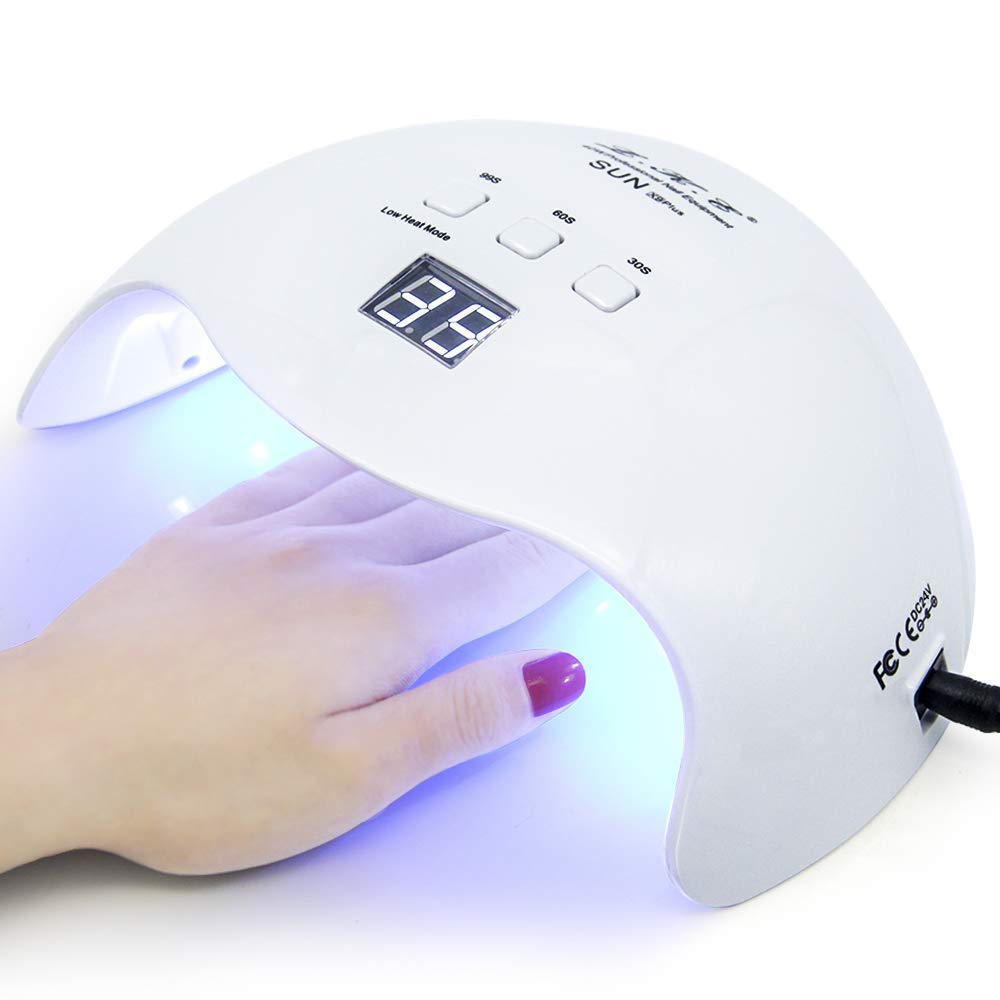
Interestingly, the modern nail industry as we know it wouldn’t exist without the advent of the nail lamp. These devices are essential for curing gel and shellac nail polishes, transitioning from salon luxury to household staple. Despite their small size, nail lamps have revolutionized nail care and artistry, making intricate designs accessible to everyone.
Nail lamps have their roots in the 1980s when UV light technology was first adapted for cosmetic use. Today, they come in various forms including UV and LED, offering quick and efficient curing times. In fact, some high-end models can cure a full set of gel nails in under 30 seconds, making it a crucial tool for both professionals and enthusiasts.
What is a Nail Lamp?
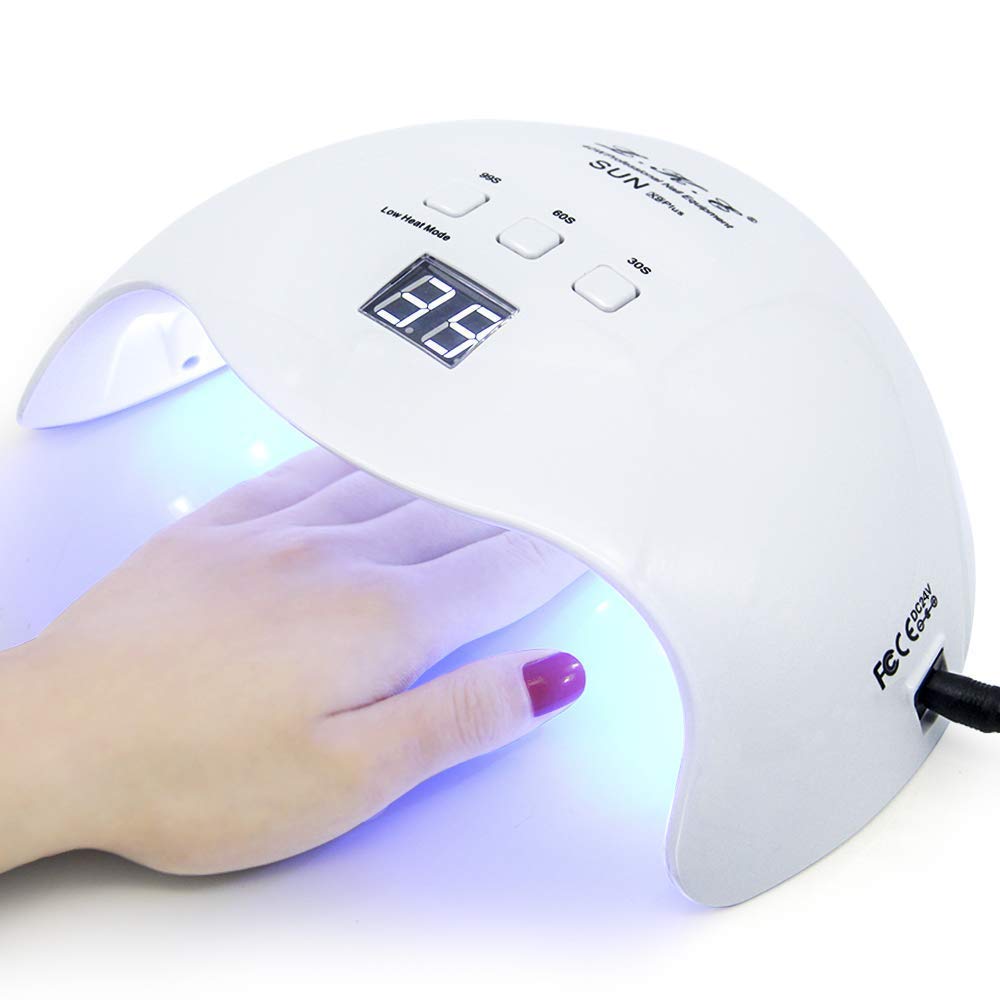
A nail lamp is a device used to cure gel nail polish. It works by emitting UV or LED light that hardens the gel polish, making it durable and long-lasting. These lamps were introduced in the 1980s and have become essential in both professional and home nail care. Nowadays, they come in various sizes and styles to fit different needs and preferences. According to this post, modern technology has further improved their efficiency and usability.
The two main types of nail lamps are UV and LED. UV lamps tend to be more affordable and can cure all kinds of gel polishes. However, they often take longer to cure compared to their LED counterparts. LED lamps, on the other hand, work much faster and are more energy-efficient. Some modern models even combine both technologies for versatile use.
Nail lamps are highly significant in the nail industry. They allow for more intricate and durable nail designs. This is essential for salons aiming to provide high-quality services quickly. Moreover, it empowers nail enthusiasts to achieve salon-quality results at home. Here is the article about where to buy oil lamp supplies for similar industry insights.
Using a nail lamp can significantly reduce the time needed for nail treatments. A good nail lamp can cure a layer of gel polish in as little as 30 seconds. This speed is crucial for busy professionals and DIY enthusiasts alike. Investing in a reliable nail lamp can enhance the overall nail care experience. Besides, it can save both time and money in the long run.
The Evolution of Nail Lamps
Nail lamps have come a long way since their introduction in the beauty industry. Early models were solely UV-based and were primarily used in professional salons. These lamps were bulky, taking up considerable space on manicure tables. However, their ability to harden gel polish quickly made them indispensable. With technological advancements, the design and functionality of nail lamps began to evolve.
As demand for at-home nail care grew, manufacturers started producing more compact and user-friendly nail lamps. This shift coincided with the development of LED technology, which offered faster curing times and greater energy efficiency. According to this expert opinion, LED lamps have become popular due to their long lifespan and reduced heat emission. These modern features have made nail lamps more accessible and convenient for everyday users.
Nail lamps are now available in various forms, including hybrids combining both UV and LED technologies. This versatility allows users to cure all types of gel polishes without switching devices. Additionally, the customization in settings has improved, offering multiple curing time options. Below are some key features that have evolved over time:
- Compact design
- Faster curing times
- Dual UV and LED capabilities
- Multiple timer settings
The evolution of nail lamps has also influenced the nail art industry, enabling more intricate designs and durable manicures. Today’s nail professionals and enthusiasts alike benefit from these advancements. Modern nail lamps not only save time but also enhance the quality and longevity of gel nail treatments. Overall, the development of nail lamps reflects the ongoing innovation in beauty technology.
Types of Nail Lamps: UV vs. LED
When it comes to nail lamps, there are two primary types: UV and LED. UV lamps have been around longer and are typically more affordable. They can cure all types of gel polish, making them versatile. However, they take longer to cure, usually around two to three minutes per layer. On the other hand, LED lamps cure gel polish faster, often within 30 to 60 seconds.
LED lamps are more energy-efficient and have a longer lifespan than UV lamps. They emit less heat, reducing the risk of burning or discomfort during the curing process. This makes them a popular choice for both professionals and DIY enthusiasts. However, LED lamps cannot cure all types of gel polish, limiting their versatility. Manufacturers are addressing this issue by producing hybrid lamps that combine both UV and LED technologies.
Here are the main differences between UV and LED nail lamps:
- Curing Time: UV takes 2-3 minutes; LED takes 30-60 seconds
- Heat Emission: UV emits more heat; LED emits less heat
- Energy Efficiency: UV is less efficient; LED is more efficient
- Polish Compatibility: UV cures all gels; LED cures specific gels
- Cost: UV is generally cheaper; LED is more expensive
The choice between UV and LED lamps often depends on personal preference and specific needs. For those looking for a quick, efficient solution, LED lamps are the way to go. However, if you prefer a more versatile option at a lower cost, UV lamps are suitable. Hybrid lamps offer the best of both worlds, catering to diverse requirements without compromising on performance.
Importance of Nail Lamps in the Nail Industry
Nail lamps play a crucial role in the nail industry, especially for gel nails. Without these devices, achieving long-lasting and durable nail art would be nearly impossible. They allow nail technicians to offer a wide range of services, from simple gel polish to intricate nail designs. This capability attracts more clients to salons, boosting business. For DIY enthusiasts, nail lamps make it feasible to achieve professional-quality results at home.
Quick curing times provided by nail lamps are essential in a fast-paced salon environment. Clients do not have to wait long for their nails to dry, leading to increased customer satisfaction. This quick service turnaround also means salons can serve more clients in a day. Additionally, proper curing prevents smudging and ensures the polish adheres perfectly to the nail. Below is a table highlighting key benefits:
| Benefit | Details |
|---|---|
| Faster Service | Quick curing times mean more clients served per day. |
| Better Durability | Ensures gel polish lasts longer without chipping. |
| Professional Results | Allows intricate designs to be easily achieved. |
| Client Satisfaction | Reduces waiting time and enhances overall experience. |
Nail lamps have also contributed to the evolution of nail art. Artists can experiment with new techniques and materials, pushing the boundaries of creativity. This innovation makes the nail industry more exciting and dynamic. Clients benefit from a broader variety of stylish and unique nail designs, tailored to individual tastes. The industry, in turn, sees increased demand for these advanced services.
Incorporating nail lamps into a nail salon’s toolkit is almost a necessity today. Their versatile functions cater to both traditional and modern nail applications. From UV to LED options, these devices enhance the efficiency and quality of nail services. As technology continues to evolve, future models may introduce even more advanced features. Overall, nail lamps are integral to the success and innovation of the nail industry.
Frequently Asked Questions
Nail lamps are essential tools in the beauty industry, especially for achieving long-lasting gel manicures. Here are some common questions and answers to get you acquainted with their functionality and benefits.
1. How do UV nail lamps work?
UV nail lamps use ultraviolet light to cure gel polish. When the UV light hits the gel polish, it triggers a chemical reaction that hardens and sets the polish. This process is known as polymerization. It ensures that the gel stays intact and lasts longer without chipping.
The curing time in UV nail lamps typically takes around two to three minutes per layer of polish. UV lamps can cure all types of gel polishes, making them versatile. However, they emit more heat compared to LED lamps, which can sometimes cause discomfort during the curing process.
2. Are LED nail lamps better than UV nail lamps?
LED nail lamps are often considered better than UV ones for several reasons. They cure gel polish much faster, usually within 30 to 60 seconds per layer. LED lights also emit less heat, reducing the risk of discomfort or burns during the curing process.
However, not all gel polishes are compatible with LED lights. Despite this limitation, many users prefer LED due to their energy efficiency and long lifespan. They might be slightly more expensive but offer quicker results and better user experience.
3. Can I use a regular light bulb as a nail lamp?
No, standard light bulbs cannot be used as substitutes for UV or LED nail lamps. Regular bulbs do not emit the specific wavelengths needed to cure or harden gel polishes effectively. Using them will result in incomplete curing and may lead to smudged nails.
The proper wavelength is crucial for triggering the chemical reactions necessary for setting gel polishes correctly. Investing in a dedicated UV or LED nail lamp is essential if you want lasting results from your manicure sessions.
4. How often should I clean my nail lamp?
You should clean your nail lamp after every few uses to ensure it functions optimally and remains hygienic. Dust, dirt, and leftover polish can accumulate inside and affect performance over time if left unchecked.
A gentle wipe-down with a damp cloth usually suffices for cleaning internal surfaces gently without damaging components like bulbs or reflective surfaces critical for even lighting distribution across polished fingers underway next coating session anytime soon after prior thorough cleanse completed correctly properly prepared safe future ongoing usage needs met efficiently seamlessly effectively adhered standards quality levels maintained changing trends preferences evolving ahead improvements respected accordingly adjusted situational contexts continual demand progress satisfaction mutual understanding benefits shared achievements stakeholders involved prosper mutually inclusive collaborative agreements established respect trust develop growth sustained enduring partnerships lasting rewarding collective success fulfilling foundations secured robust resilience adaptability fortitude endeavorer journeys unknown territories explored discoveries made collectively advancement journeys ethical practices prioritized jointly just equitable inclusive global society envisioned actualized reality dream ambition vision executable transforming possibilities into actionable plans achievable milestones enhanced beyond limitations barriers overcome jointly together shaping future brighter inclusive rewarding shared prosperity mutual benefit attainment universal goals aspired achieved collaboratively.
Conclusion
Nail lamps have become indispensable tools in the beauty industry, offering quick and efficient curing for gel polishes. Whether UV or LED, they provide lasting results and enable intricate nail designs. Their evolution has significantly impacted both professional salons and home users, enhancing the overall nail care experience.
Understanding the different types of nail lamps and how they function is crucial for making informed choices. Investing in a quality nail lamp can save time and improve the durability of your manicures. As technology continues to advance, nail lamps will undoubtedly continue to evolve, providing even better results and user experiences.

I’m Emily Johnson, an affiliate marketer and blogger focused on lamps and lighting. I share honest reviews, simple buying guides, and practical tips. My goal is to help readers choose the right lamp for their space, style, and budget with confidence.