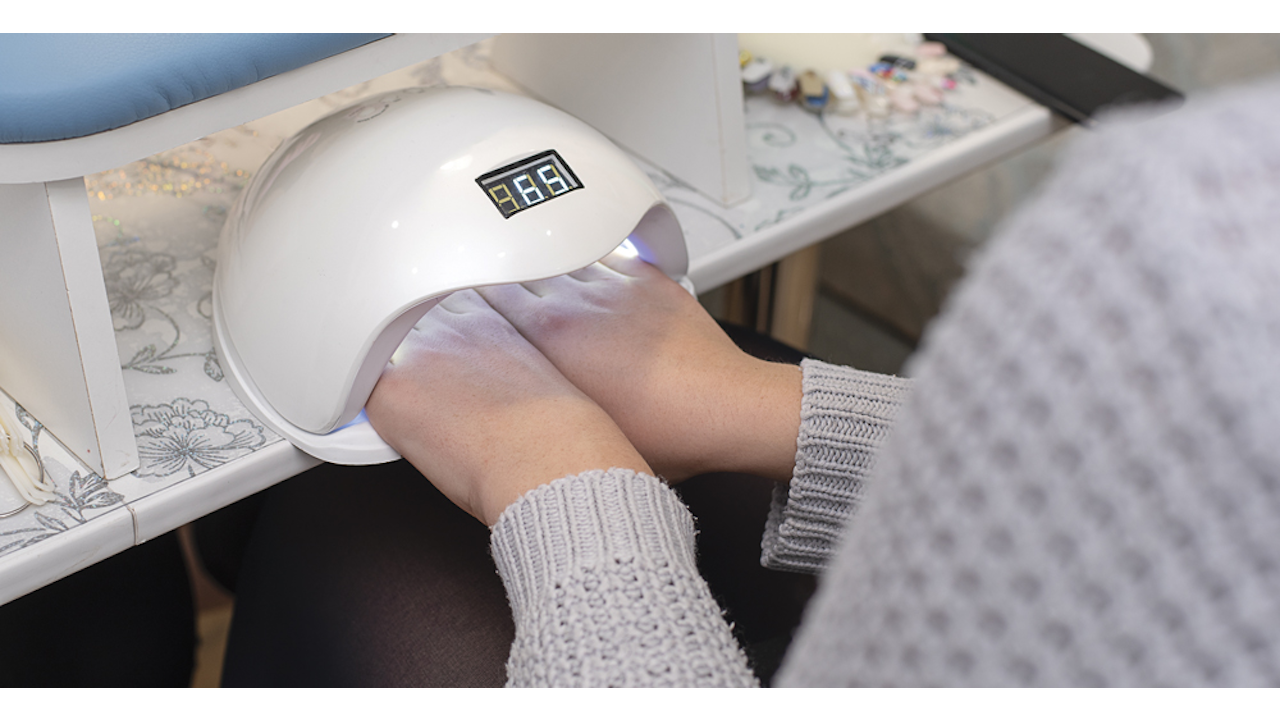
Choosing the perfect nail lamp might seem straightforward, yet knowing that LEDs can last up to 50,000 hours longer than CFLs makes a profound difference. Nail technicians understand that the type of light—UV or LED—can influence curing time and the overall health of natural nails. The decision becomes strategic when considering safety and efficiency in the salon environment.
Historically, UV lamps were industry-standard, yet currently, LED lamps dominate due to their rapid curing time and energy efficiency. Experts suggest that a nail lamp with dual light sources ensures compatibility with a wider range of gel polishes, enhancing versatility and client satisfaction. Consider also the wattage; a higher wattage lamp such as 48 watts ensures faster curing and a smoother service flow.
- Determine if you need a UV or LED lamp based on curing time and gel type compatibility.
- Consider the wattage; higher wattage (like 48 watts) ensures faster curing.
- Check the lamp’s durability and lifespan, especially for frequent use in salons.
- Look for additional features like timers and auto shut-off for convenience and safety.
- Balance features with price, ensuring good value without compromising quality.
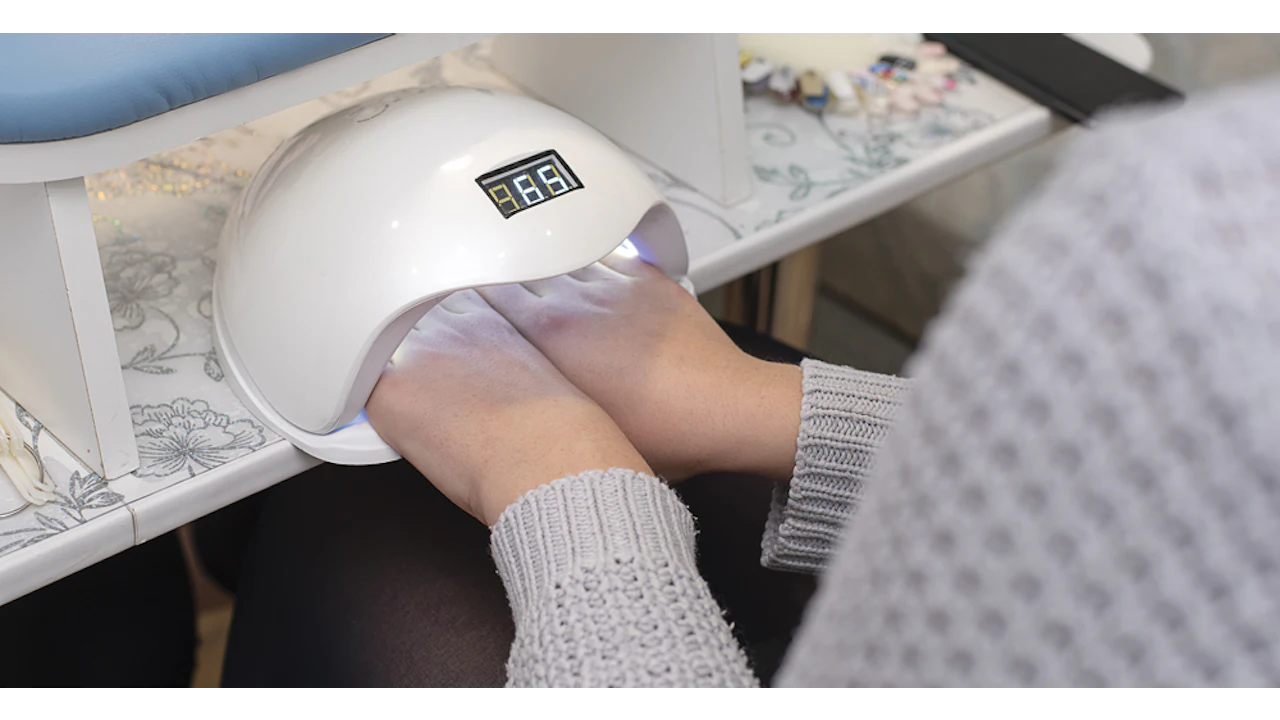
How to Choose a Nail Lamp
Choosing a nail lamp begins with understanding the differences between UV and LED lamps. UV lamps are usually more affordable but take longer to cure gel polish. LED lamps, on the other hand, are faster and more energy-efficient. They also last longer, reducing the need for frequent replacements. According to here is the article, LED lamps can cure gel polish effectively, making them a superior choice for many.
Selecting the right wattage is another crucial step. A higher wattage lamp, like 48 watts, cures nails faster than lower wattage options. This makes your manicure process quicker and more efficient. It’s important to match the lamp’s wattage with the types of gel you use. Some gel brands specify the required wattage on their packaging.
Durability and lifespan are essential factors too. Look for lamps made with high-quality materials that can withstand regular use. LED lamps generally have a longer lifespan than UV lamps, often lasting up to 50,000 hours. Investing in a durable lamp saves money in the long run since you won’t need to replace it frequently. This extends the life of your nail-related tools.
Balancing the features and price of a nail lamp can be challenging. Aim for a lamp that offers good value for its cost by checking user reviews and product ratings. Here is the article, this post, emphasizes the importance of versatility, so consider a lamp with adjustable settings. Additional features like timers and auto shut-off can also enhance convenience and safety.
Understand Your Requirements: UV vs LED Lamps
Understanding whether to choose a UV or LED lamp starts with knowing their differences. UV lamps use ultraviolet light to cure gel polish and can work with all types of gel polish. However, these lamps take longer to cure nails, usually between two to three minutes. On the other hand, LED lamps use light-emitting diodes and can cure nails in under 60 seconds. They are efficient and have a longer lifespan.
LED lamps are often preferred for their speed and energy efficiency, making them ideal for busy salons. Yet, their higher initial cost can be a drawback for some users. UV lamps cost less up front but require bulb replacements every few months. According to this expert opinion, UV lamps are more versatile if you use different types of gel polish. Your decision might depend on balancing immediate costs with long-term benefits.
It’s also essential to think about safety. UV lamps can expose users to ultraviolet radiation, which may have long-term risks like skin damage. LED lamps, however, are considered safer because they emit low levels of UV light. Manufacturers often suggest wearing protective gloves or applying sunscreen to minimize any potential risks.
Finally, consider the overall convenience and features of the lamp. Many LED lamps come with built-in timers and automatic shut-off features, adding extra ease of use. These features can save time and ensure your nails are cured evenly. Some models even offer dual light sources, combining both UV and LED lights to maximize compatibility with various gel polishes. This provides a flexible solution for different user needs.
Selecting the Right Wattage for Your Nail Lamp
Choosing the right wattage for your nail lamp is crucial for achieving the best results. Wattage affects how quickly and effectively the lamp cures gel polish. Lower wattage lamps, such as 24 watts, may take longer to cure and can struggle with certain types of gel polish. Higher wattage lamps, like 48 watts or more, cure nails faster and more efficiently. This can significantly reduce your manicure time.
To ensure compatibility, always check the gel polish packaging for wattage requirements. Some brands recommend specific wattages to get the best results. Using a lamp with insufficient wattage can result in improperly cured nails, leading to lifting or chipping. A lamp with a higher wattage, however, can handle a wider range of gel polishes. So, a versatile lamp may be worth the extra initial investment.
Bulb type also influences the required wattage. LED lamps usually need more wattage compared to UV lamps to achieve the same curing efficiency. However, they are more energy-efficient in the long run. This means while you might pay more upfront for a higher wattage LED lamp, it could save energy costs over time. Make your choice based on both immediate and long-term benefits.
- If you do multiple types of gel manicures, a high-wattage lamp offers flexibility.
- For occasional use, a lower wattage lamp could be sufficient.
- Investing in the right wattage ensures a smoother, faster, and more reliable manicure process.
Being aware of these factors helps you choose the best lamp for your specific needs and lifestyle.
The Importance of Nail Lamp Durability and Lifespan
When selecting a nail lamp, durability and lifespan are significant factors to consider. Investing in a durable lamp means fewer replacements and more consistent performance. High-quality materials contribute to a longer-lasting device, reducing the hassle of frequent purchases. LED lamps generally outperform UV lamps in terms of lifespan. LED bulbs can last up to 50,000 hours, whereas UV bulbs need replacement every few months.
Frequent usage in a salon setting demands a robust and reliable nail lamp. Lamps subjected to regular use should be sturdy enough to withstand wear and tear. Models with metal housings and well-constructed internal components often last longer. This ensures that the lamp provides consistent and reliable service, making it a worthy investment. Assessing the build quality before purchase is a practical step.
Long-lasting lamps often come with additional features that enhance their value. For example, many high-quality LED lamps include built-in cooling systems to prevent overheating. This extends the life of the lamp and ensures safe operation. Automatic shut-off features and timers can also contribute to a lamp’s longevity by preventing overuse. These extra features protect both the device and the user.
- High-quality materials ensure durability.
- Built-in cooling systems extend the lamp’s lifespan.
- Automatic shut-off features prevent overuse.
These features are important for maintaining the lamp’s performance over time.
Considering the total cost of ownership, a durable lamp can be more economical in the long run. Although higher-quality lamps may be more expensive initially, their extended lifespan can save you money. Avoiding frequent replacements and repairs makes these lamps a cost-effective choice. For anyone serious about nail care, a durable and long-lasting lamp is a smart investment. It’s crucial to balance upfront cost with long-term benefits.
User reviews and ratings can offer valuable insights into a lamp’s durability and lifespan. Reading about other users’ experiences can help you determine which models are most reliable. Professional reviews often highlight the best features and longevity of different lamps. This information is crucial in making an informed decision. Ultimately, choosing a durable nail lamp ensures a better, more convenient nail care experience.
Equating Nail Lamp Features and Price
Balancing the features and price of a nail lamp is essential for making a smart purchase. Quality should not be compromised by price, especially for professional use. Some high-end models come equipped with features like dual light sources, timers, and auto shut-off. These features can add to the convenience and safety of using the lamp. However, a higher price tag does not always guarantee better quality.
It’s important to compare different models and their features to understand what you’re paying for.
- Higher-priced lamps often offer advanced features.
- Mid-range models may lack some advanced settings but still provide reliable performance.
- Budget options might be basic but can suffice for occasional home use.
Create a list of must-have features to help narrow down your options and avoid overspending on unnecessary frills.
The type of bulbs used in the lamp also influences its price. LED bulbs tend to be more expensive initially but are more cost-effective over time due to their long lifespan and lower energy consumption. UV lamps are cheaper up front but require frequent bulb replacements. Weighing these long-term costs is essential for making an informed decision.
User reviews can offer a wealth of knowledge about the true value of a nail lamp. Reviews often highlight the lamp’s performance, durability, and usefulness of the features. Checking these reviews can reveal if a lamp is worth its price. Negative feedback can be just as informative, shedding light on potential issues. Relying on user experiences helps ensure you get the best value for your money.
Customizable settings can also justify a higher price. For example, lamps with adjustable curing times cater to various types of gel polish. Dual light sources allow compatibility with both UV and LED gels. Investing in a lamp with versatile features ensures you can handle a wide range of nail treatments. This flexibility is particularly beneficial for professional settings.
Frequently Asked Questions
Choosing the right nail lamp involves understanding various factors. Here are some common questions and answers to help you make an informed decision.
1. What is the difference between UV and LED nail lamps?
UV nail lamps use ultraviolet light to cure a wide range of gel polishes. They usually take longer, about 2-3 minutes per layer, but are less expensive up front. LED lamps use light-emitting diodes to cure nails quickly, often in under 60 seconds per layer. While they cost more initially, they last much longer, offering better efficiency over time.
The choice between UV and LED depends on your specific needs and gel polish compatibility. For frequent salon use, LED lamps are generally preferred due to their speed and longevity. However, if you use multiple types of gels that only work with UV light, a UV lamp might be necessary.
2. How often should I replace the bulbs in my UV nail lamp?
UV bulbs typically need replacement every three to six months depending on usage frequency. Regular replacements ensure consistent curing performance and prevent incomplete curing that can cause lifting or chipping of gel polish.
If you notice longer curing times or issues with adhesion, it’s likely time for new bulbs. Maintaining proper bulb replacement not only ensures optimal results but also extends the life of your nail lamp by preventing overuse and overheating.
3. Are higher wattage nail lamps better?
Higher wattage lamps generally cure nails faster than lower wattage ones. This is crucial for reducing service time in busy salons or achieving quick at-home manicures. A 48-watt lamp often provides efficient curing for most gel polishes within seconds.
However, higher wattage doesn’t always mean better quality; it’s essential to consider other features like durability and brand reputation too. Balancing wattage with reliability ensures you get the best performance from your nail lamp.
4. Can I use a regular desk lamp as a nail lamp?
A regular desk lamp cannot effectively cure gel polish since it lacks the specific wavelength required for this purpose. Gel polishes need specific UV or LED wavelengths to harden correctly; otherwise, they remain gummy and prone to damage.
If you’re considering DIY methods, it’s crucial to invest in a proper nail lamp designed exclusively for curing gel polish safely and effectively. Using incorrect lighting can compromise results and even harm your nails.
5. What special features should I look for in a nail lamp?
Look for features like built-in timers that help manage curing periods efficiently without constant monitoring. Auto shut-off functions add safety by preventing overheating after prolonged use.
Dual light sources combining both UV and LED lights enhance versatility with different gels while ensuring fast curing times across products.
Selecting a model packed with such useful components guarantees peak functionality adapting seamlessly any manicure setup regardless skill level involved from beginners professional users alike opting overall convenience practical solutions long-term investment potential beauty routine refinement achievable goals magnificent professional-style flawless dependable reliable effective customizable engaging enhanced!
Conclusion
Choosing the perfect nail lamp requires understanding your specific needs and weighing the options carefully. UV and LED lamps each offer unique benefits, from curing speed to long-term durability. Prioritizing features such as wattage, safety, and extra functionalities can significantly enhance your manicure experience.
Investing in a quality nail lamp ensures long-lasting, professional results whether at home or in a salon. Continual research and user reviews can aid in making an informed decision. Ultimately, the right nail lamp will provide efficiency, convenience, and stellar performance.

I’m Emily Johnson, an affiliate marketer and blogger focused on lamps and lighting. I share honest reviews, simple buying guides, and practical tips. My goal is to help readers choose the right lamp for their space, style, and budget with confidence.