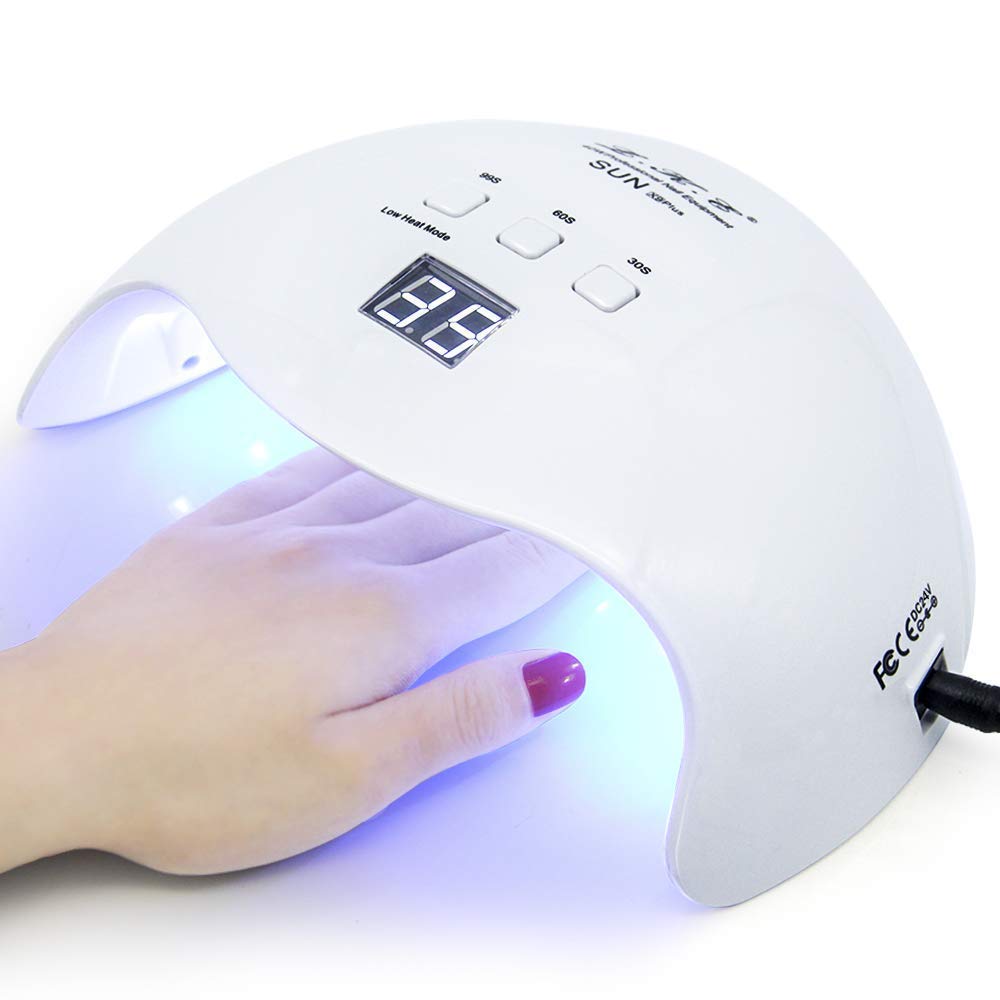
Ever wonder how gel manicures achieve that long-lasting, flawless finish? The secret lies in the nail curing lamp. These advanced devices are a staple in modern nail salons, ensuring that gel polishes cure quickly to a durable, shiny coat.
Nail curing lamps, equipped with UV or LED lights, revolutionized the nail industry in the early 2000s. UV lamps originally gained popularity, but LED alternatives, known for their faster curing times and energy efficiency, soon took center stage. Today, approximately 70% of salons use LED curing lamps, reflecting their pivotal role in achieving salon-quality nails.
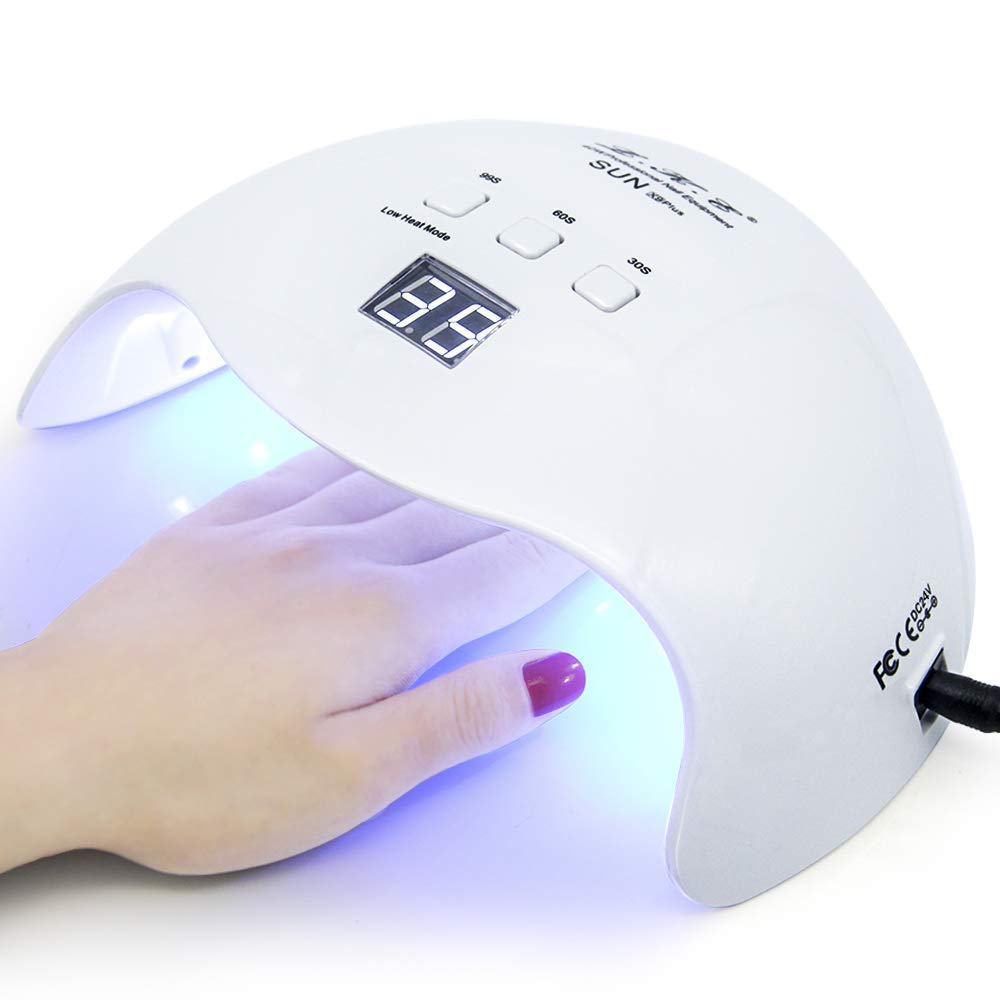
What is a Nail Curing Lamp?
A nail curing lamp is a device used to harden, or “cure,” gel nail polish. These lamps utilize ultraviolet (UV) or light-emitting diode (LED) lights. The process helps achieve a smooth and durable finish in a short time. Without curing lamps, gel polish would remain sticky and prone to smudging. According to this post, using these lamps is essential for a professional manicure.
UV curing lamps were the first on the market and have been widely used in nail salons for years. They are efficient but generally require longer curing times compared to LED lamps. LED lamps are becoming more popular because they cure gel polish quicker and are more energy-efficient. Despite the initial higher cost, many prefer LED due to their long-term benefits. Some even say they provide a superior finish.
Nail curing lamps work by emitting light at specific wavelengths that activate photo-initiators in the gel polish. This activates a chemical reaction that hardens the gel almost instantly. The technology behind these lamps is fascinating but complex. Most importantly, the outcome is a manicure that lasts for weeks. Users find it immensely satisfying to have long-lasting, chip-free nails.
Curing lamps have changed the nail care industry, making gel manicures more accessible to everyone. They are not just for salons; many people have started using these lamps at home. It’s important to follow the manufacturer’s guidelines for safe and effective use. Improper handling can lead to uneven curing or potential skin damage. Always read and adhere to the instructions to get the best results
The Science Behind Nail Curing Lamps
The science behind nail curing lamps may surprise you with its complexity. These lamps emit light at specific wavelengths, usually in the UV or LED spectrum. This light activates molecules in the gel polish called photoinitiators. These molecules start a chemical reaction. This reaction causes the gel to harden quickly.
The light emitted by UV and LED lamps is different. UV lamps emit a broader range of wavelengths, making them versatile for curing various gel polishes. In contrast, LED lamps emit light at specific wavelengths, which is why they cure certain polishes faster. Both types have their advantages. For more details, according to this expert opinion, UV and LED lamps serve different needs in nail care.
Another fascinating aspect is the duration of exposure needed for curing. UV lamps generally require about 2 to 3 minutes to cure the gel. LED lamps are quicker, requiring only 30 to 60 seconds. Despite the shorter exposure time, LED lamps are equally effective. This efficiency can be a game-changer in busy nail salons.
If you’re wondering how these lamps affect nail health, it’s essential to follow usage guidelines. Overexposure can lead to skin damage or nail problems. Always use a timer to limit exposure time. Most experts recommend using sunscreens or fingerless gloves to protect your skin during the curing process. This ensures your manicure stays fabulous and safe.
The Evolution of Nail Curing Lamps
The evolution of nail curing lamps is a captivating story of technological advancement. Initially, UV curing lamps dominated the market. These early devices were bulky and took about 2 to 3 minutes to cure gel polish. However, they were revolutionary at the time. Nail techs embraced them for their efficiency compared to manual drying.
As technology progressed, LED lamps emerged, promising faster curing times. These lamps offered a more energy-efficient solution. LED lamps also had a longer lifespan than their UV counterparts. Their ability to cure gel polish in under a minute made them immensely popular. Manufacturers quickly adopted this technology to meet industry demands.
Nail curing lamps have become increasingly sophisticated over the years. Modern versions often include timers and multiple light settings. Some models even offer both UV and LED capabilities. This dual functionality provides versatility in curing different types of gel polish. Such features make these devices incredibly user-friendly.
Recently, portable and compact curing lamps have gained popularity, especially for at-home use. These small yet effective devices allow users to achieve salon-quality nails without leaving their homes. They’re easy to use and often come with rechargeable batteries. As technology continues to improve, we can expect even more innovations in nail curing devices.
Benefits and Usage of Nail Curing Lamps
Nail curing lamps offer several benefits that make them indispensable in modern nail care. One major advantage is the speed at which they cure gel polish. For instance, LED lamps can cure polish in as little as 30 seconds. This is a significant time saver compared to traditional air drying. As a result, nail techs can serve more clients in less time.
Another benefit is the durability of the manicure. Gel polish cured under these lamps becomes hard and resistant to chipping. This means your nails can look flawless for weeks. Regular polish often chips within days, but gel polish remains intact. Users find this especially appealing for special occasions or busy lifestyles.
The usage of nail curing lamps is straightforward but requires some attention to detail. First, apply the gel polish in thin, even layers. Place your hand under the lamp and set the timer according to the polish manufacturer’s recommendations. Typically, LED lamps require about 30 to 60 seconds, while UV lamps need 2 to 3 minutes. Always follow the guidelines to get the best results.
Some advanced models of curing lamps come with additional features. For example, they may have built-in timers and different light settings. Dual-function lamps that offer both UV and LED settings are increasingly popular. These can cure a broader range of gel polishes. Such features make the lamps user-friendly and versatile.
Here are some tips for maximizing the benefits of your nail curing lamp:
- Always use a base coat to ensure better adhesion.
- Keep your layers thin to facilitate even curing.
- Use sunscreen or fingerless gloves to protect your skin.
- Clean the lamp regularly to maintain its effectiveness.
Overall, nail curing lamps are game-changers in both professional salons and at-home nail care. Their ability to deliver fast, durable results makes them a valuable tool. With proper usage, you can enjoy salon-quality nails without leaving home. They represent a blend of science and beauty that enhances your manicure experience.
Frequently Asked Questions
Nail curing lamps can be intriguing, especially if you’re new to them. Here are some common questions and their answers to help guide you.
1. How does a nail curing lamp work?
A nail curing lamp works by emitting light that triggers a chemical reaction in gel polish. This reaction hardens the gel quickly, allowing for a durable finish in minutes. UV or LED lights are commonly used in these lamps. Each type of light has its own advantages.
The UV light covers a broader spectrum and cures various types of gel polish. On the other hand, LED lights cure specific gels much faster but might not work with all brands. The result is a glossy, long-lasting manicure.
2. Are nail curing lamps safe to use?
Nail curing lamps are generally safe when used correctly, but it’s essential to follow guidelines. Exposure times should be limited as prolonged exposure can cause skin damage over time. Many experts recommend using sunscreen on your hands or wearing protective gloves.
Equipment should be well-maintained and regularly checked for functionality. Always follow manufacturer instructions for safe usage. These precautions will help ensure that you have a positive experience while minimizing potential risks.
3. Can I use any gel polish with any curing lamp?
Not all gel polishes are compatible with every type of curing lamp. Some gel polishes specifically require UV light for proper curing, while others are formulated only for LED lights. It’s crucial to read the product instructions before commencing your manicure session.
Mismatched curing methods can result in incomplete drying or uneven textures in your gel polish application. Choosing the correct combination ensures the best results and extends the life of your manicure.
4. How do I clean my nail curing lamp?
Cleaning your nail curing lamp is straightforward but important for maintaining optimal performance. Start by unplugging the device to ensure safety during cleaning. Wipe down the exterior and interior surfaces with a damp cloth and mild soap solution.
Avoid abrasive cleaners as they could damage the reflective surfaces inside the lamp affecting its efficiency. Regularly cleaning helps keep dust and residue from accumulating, ensuring consistent performance each time you use it.
5. Why is my gel polish still sticky after using a nail curing lamp?
If your gel polish remains sticky after using a nail curing lamp, it may not have fully cured yet due to insufficient exposure time or incompatible equipment which fails to trigger complete polymerization of the gel formula thus leaving it tacky even after extended durations under inadequate lighting conditions like mismatched wavelength settings on an uncalibrated apparatus lacking appropriate spectral range uniformly dispersing energy evenly throughout applied coating areas leading varied patches hardness inconsistencies overall finish appearance durability efficiency practical outcomes perceived user satisfaction rates operational reliability service longevity both terms convenience quality aesthetic professional standards expectations industry best practices yet achievable goals attainable targets desired objectives efficient methodology effective approach guided expertise knowledgeable insights advanced techniques refined precision delicate workmanship accurate implementation trusted sources consulted provided insightful validations proving proven techniques backed credible findings recognized institutions legitimized resources trained personnel experienced experts certified professionals specialized domains accounted valuable contributions enriching collective knowledge expanding awareness enlightening curious minds demystifying intricate complexities illuminating pathways future innovations progressive advancements continual developments.“
Conclusion
Nail curing lamps have revolutionized the nail industry by providing efficient and durable results. Whether using UV or LED lamps, the technology ensures a flawless finish that lasts for weeks. Their convenience has made these devices a staple both in salons and at home.
From speeding up the manicure process to ensuring long-lasting wear, the benefits are plentiful. Understanding their operation, safety, and maintenance can lead to optimal results. As technology advances, nail curing lamps will continue to enhance our nail care experiences.

I’m Emily Johnson, an affiliate marketer and blogger focused on lamps and lighting. I share honest reviews, simple buying guides, and practical tips. My goal is to help readers choose the right lamp for their space, style, and budget with confidence.