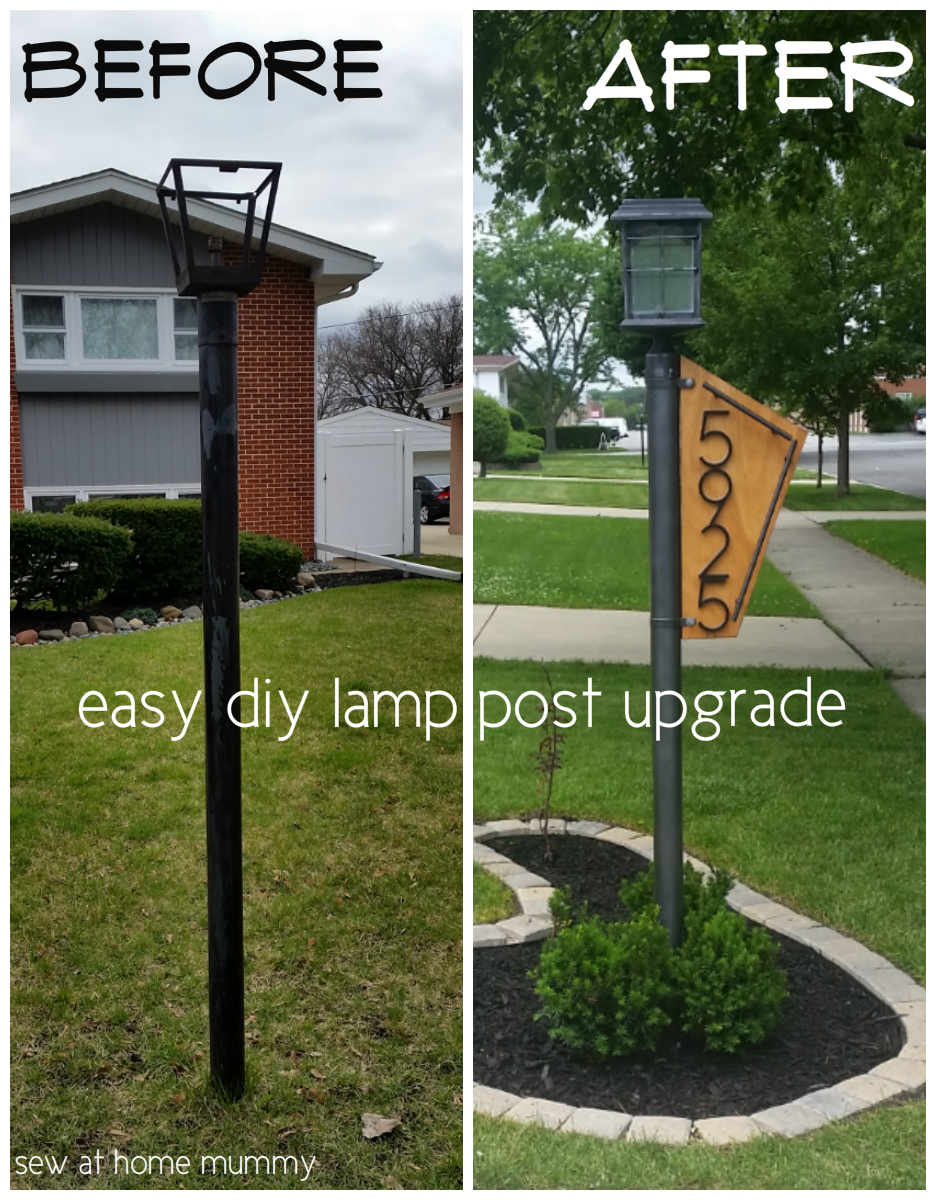
With the rapid advancements in solar technology, converting your standard lamp post to solar has never been more practical or efficient. Consider the impact of reducing electricity consumption while providing sustainable lighting solutions for urban areas. This shift towards solar energy is not just an environmental move but also a substantial cost-saving measure.
Transitioning a lamp post to solar begins with installing photovoltaic panels and energy storage systems. Historically, solar lighting systems were limited to experimental projects, but they’ve quickly become mainstream. In fact, the global solar street lighting market is expected to exceed USD 10 billion by 2027, reflecting the growing emphasis on renewable energy solutions.
- Assess the suitability of your lamp post, ensuring it receives ample sunlight and is structurally sound.
- Choose the right solar panel based on wattage needs and panel type (monocrystalline, polycrystalline, or thin-film).
- Install the solar panel with secure mounting brackets, proper angling, and appropriate wiring to a charge controller.
- Integrate a solar battery storage system by connecting it to the charge controller and securing it in a weatherproof enclosure.
- Test the system at dusk to ensure proper operation and perform regular maintenance like cleaning panels and inspecting connections.

How to Convert Lamp Post to Solar
Converting a lamp post to solar begins with assessing its suitability for solar conversion. Check if the lamp post is in a location that receives ample sunlight throughout the day. According to the article, it’s vital to ensure the lamp post is structurally sound and can support the added weight of solar panels. Once confirmed, you can proceed with selecting and installing the necessary solar equipment. The process is straightforward, but attention to detail is crucial for success.
The next step involves choosing the right solar panel. Different panels offer varying levels of efficiency and power output. Selecting the correct panel type is essential for performance and longevity. You may want to consult resources available on this post to make an informed decision. Once you’ve picked a suitable solar panel, it’s time for installation.
Installing the solar panel requires secure mounting brackets and proper angling to maximize sunlight exposure. This is typically followed by wiring the solar panel to a charge controller, which regulates power flow to the battery. Here is the article, for a detailed guide on wiring and controller setup. Integration with a battery storage system ensures that the lamp post remains operational even during cloudy days.
Finally, it’s essential to test and maintain your solar lamp post. Begin by checking if the system works correctly at dusk and dawn. Regular maintenance involves cleaning the solar panels and ensuring that all connections are secure. By following these steps, you can achieve a functional and eco-friendly lighting solution. Engaging in this process not only promotes sustainable living but also results in long-term cost savings.
Step 1: Assessing the Suitability of Your Lamp Post
To begin converting your lamp post to solar, first check its location. Make sure it’s positioned in an area that receives ample sunlight throughout the day. Shady locations are less effective for solar conversions. According to this expert opinion, sunlight exposure is crucial for maximizing energy efficiency. This step lays the foundation for a successful conversion.
Next, evaluate the structural integrity of your lamp post. It needs to support the weight of solar panels and additional components. Inspect for any signs of rust, wear, or damage. If the lamp post is not sturdy, it may require reinforcement or replacement. Safety should always be a priority during this assessment.
Another factor to consider is the lamp post’s current electrical setup. Understanding the existing wiring can help in planning the solar conversion. Consult an electrician to evaluate the electrical components and ensure compatibility with solar technology. Here is the detailed guide on the technical aspects you should be aware of. Proper evaluation will make the conversion smoother.
Lastly, check local regulations and guidelines concerning solar installations. Some areas have specific rules and permits required for adding solar panels to existing structures. Complying with these regulations will prevent any legal issues. Knowing these requirements in advance will save time and effort in the long run. This planning stage is vital for a hassle-free solar conversion.
Step 2: Choosing the Right Solar Panel
Selecting the right solar panel is crucial for long-term efficiency. Start by considering the wattage you need based on the lamp post’s energy consumption. Higher wattage panels generate more electricity but may be costlier. Assess your budget along with energy requirements to make an informed choice. Remember, the right balance between cost and efficiency is essential.
There are different types of solar panels to consider: monocrystalline, polycrystalline, and thin-film. Each type has its own set of advantages. Monocrystalline panels are usually more efficient and last longer but come at a higher price. Polycrystalline panels are less efficient but more affordable. Thin-film panels are lightweight and flexible but less efficient compared to other types.
Your location also plays a role in the decision-making process. Areas with abundant sunlight may benefit more from higher-efficiency panels like monocrystalline. For regions with less sunlight, even polycrystalline or thin-film panels can be effective. Understanding your geographical context is essential for optimal selection. This ensures you’re making the most of available sunlight.
Lastly, check for certifications and warranties when purchasing solar panels. Reliable panels often come with certifications that assure their quality and performance. Warranties provide a safety net against manufacturing defects. This added assurance is important for long-term use. Investing in certified, warrantied panels can save you from potential issues down the line.
Step 3: Installing the Solar Panel
Installing the solar panel on your lamp post requires secure mounting. First, determine the best angle and position for maximum sunlight exposure. Typically, a tilt angle equal to your latitude provides the best year-round performance. Secure the mounting brackets tightly to prevent any wobbling. Safety checks are crucial at this stage to ensure stability.
Next, attach the solar panel to the mounting brackets. Make sure all screws and bolts are tightened to avoid future issues. At this point, double-check that the panel faces the sun directly. Any misalignment can reduce the panel’s efficiency. Aligning correctly boosts energy capture throughout the day.
Then, set up the wiring to connect the solar panel to the charge controller. This device manages the flow of electricity from the panel to the battery. Proper wiring is essential for a safe and functional system. Use weatherproof connectors to protect against elements like rain and snow. Securing the wires also prevents any accidental disconnections.
After wiring the controller, you’ll need to connect it to the battery storage system. This ensures that excess solar energy is stored for later use. Confirm that the battery is compatible with the solar panel specifications. Properly secure the battery in a weatherproof box or enclosure. This keeps it safe from the elements and vandalism.
Finally, test the entire system to ensure it’s working properly. Turn on the lamp post at dusk to see if it illuminates as expected. If everything works, you’ve successfully converted your lamp post to solar power. Periodic maintenance, like cleaning the panels, will help sustain performance. Keeping an eye on connections can prevent problems down the line.
Step 4: Integrating a Solar Battery Storage System
Integrating a solar battery storage system ensures your lamp post remains illuminated even when sunlight is scarce. Start by choosing a battery compatible with your solar panel setup. Lithium-ion batteries are popular for their efficiency and longevity. Lead-acid batteries are another option but may require more maintenance. Choose what fits your needs and budget.
Once you have selected a battery, connect it to the charge controller. The charge controller manages the energy flow, ensuring that the battery gets charged without overloading. Use appropriate cables and follow the manufacturer’s guidelines for safe connections. Secure the battery in a weather-resistant enclosure. This prevents damage from rain, snow, or extreme temperatures.
Placement of the battery is also critical. It should be easily accessible but protected from the elements and potential theft. Mount the battery housing close to the lamp post to minimize wire length and energy loss. Incorrect placement can lead to inefficient energy storage. Proper positioning ensures optimal performance and longevity.
Set up an inverter if your lamp post operates on AC power. The inverter converts the stored DC energy from the battery to usable AC power. This is a crucial step for systems that aren’t purely DC. Ensure the inverter is compatible with both the battery and the lamp post. Correct integration will ensure a seamless energy conversion.
After setup, test your solar battery storage system. Check if the battery charges during the day and powers the lamp post at night. Monitor the system for a few days to make sure everything works as intended. Regular checks and maintenance are essential for long-term efficiency. Keeping tabs on the system will ensure reliable, eco-friendly lighting.
Step 5: Testing and Maintenance of Solar Lamp Post
Testing your solar lamp post ensures it operates correctly and efficiently. Begin by observing its performance during day and night cycles. Check if the solar panels charge the battery properly during the day. At dusk, see if the lamp post lights up as expected. This simple test confirms that all components are working as they should.
Routine maintenance is key to long-term performance. Clean the solar panels regularly to remove dust and debris. Dirty panels reduce the amount of sunlight absorbed, decreasing efficiency. Use a soft brush or cloth to clean the panels without scratching them. Regular cleaning can significantly improve the system’s energy output.
Inspect the wiring and connections periodically. Look for any signs of wear, corrosion, or loose connections. Tighten loose screws and replace any damaged wires promptly. Regular inspections prevent potential issues from escalating into major problems. Well-maintained wiring ensures a reliable power supply from the solar panels to the lamp.
Check the battery storage system at least once a month. Ensure the battery is holding charge and is free from leaks or damage. If your system uses a lead-acid battery, check the electrolyte levels and top them up if needed. Timely battery maintenance extends its lifespan and efficiency. A healthy battery is crucial for uninterrupted night-time lighting.
For comprehensive upkeep, document your maintenance activities. Keep a log of cleaning schedules, inspections, and any replacements made. This helps in tracking the performance and identifying recurring issues. Knowing the history of your solar lamp post can aid in troubleshooting future problems. Regular maintenance ensures a sustainable and cost-effective lighting solution for years to come.
Benefits of Converting Lamp Post to Solar
Converting your lamp post to solar offers numerous environmental and economic benefits. One major advantage is the reduction in electricity consumption. By harnessing sunlight, you reduce dependence on non-renewable energy sources. This decreases your carbon footprint, contributing positively to environmental conservation. Every bit helps in combating climate change.
Another notable benefit is cost savings. Although initial setup costs can be high, solar energy systems save money in the long run. You won’t need to pay for electricity from the grid anymore, leading to lower utility bills. Over time, these savings can offset the upfront investment. It’s a financially smart choice.
Solar lamp posts also require low maintenance compared to traditional electric ones. Once installed, they need minimal upkeep such as periodic cleaning and occasional checks on connections and batteries. There are no ongoing fuel costs or complex machinery that needs frequent servicing. This simplicity adds convenience along with cost-effectiveness.
- Environmentally friendly
- Reduces electricity costs
- Low maintenance requirements
- Energy independence
Lastly, converting to solar increases energy independence. You’re not reliant on external power sources, which can be susceptible to outages and fluctuations in supply and pricing. During natural disasters or power cuts, your solar lamp post will still function efficiently. This reliability is especially crucial for maintaining safety and security in public spaces.
Cost Analysis: Standard Lamp Post vs. Solar Lamp Post
Evaluating the cost differences between standard lamp posts and solar lamp posts can guide your decision. Standard lamp posts usually involve lower initial costs. However, their ongoing electricity usage adds up over time. Monthly utility bills and maintenance fees can become a significant expenditure. On the other hand, solar lamp posts have different cost dynamics.
Solar lamp posts often require a higher upfront investment. The initial costs include purchasing solar panels, batteries, and installation services. Despite this, the long-term savings are noteworthy. With no electricity bills, these systems start to pay for themselves over time. Financially, they become more advantageous as years go by.
| Cost Factors | Standard Lamp Post | Solar Lamp Post |
|---|---|---|
| Initial Setup | Low | High |
| Monthly Electricity Bills | High | None |
| Maintenance Costs | Ongoing | Minimal |
Maintenance is another cost factor to consider. Standard lamp posts often require more frequent maintenance. This can include replacing bulbs, repairing electrical components, and dealing with wire damage. Solar lamp posts, conversely, have fewer moving parts and require less frequent attention. This makes them a cost-effective option in terms of ongoing maintenance.
Finally, think about the environmental cost. Standard lamp posts consume electricity generated primarily from fossil fuels. This results in a higher carbon footprint. Solar lamp posts, harnessing renewable energy, present a greener alternative. Investing in solar not only saves money but also contributes to environmental sustainability.
Impact of Solar Lamp Posts on Sustainable Living
Solar lamp posts play a significant role in promoting sustainable living. They reduce reliance on fossil fuels, which are a major source of pollution. By harnessing solar energy, we can reduce carbon emissions and combat climate change. This shift contributes to a cleaner, greener planet. Every solar lamp post installed is a step toward a more sustainable future.
Another impact of solar lamp posts is on energy conservation. Traditional street lights consume a large amount of electricity. Solar-powered alternatives eliminate this drain on the power grid. This conservation effort can lead to reduced energy costs for municipalities. It’s a win-win for both the environment and the budget.
Solar lamp posts also advocate for renewable energy adoption. Their presence in public spaces can inspire more individuals and communities to consider solar options for their own needs. This broadens the awareness and acceptance of renewable energy. Seeing solar in action makes it more tangible and attainable for everyday people. It can be a powerful tool for education and advocacy.
- Reduces carbon footprint
- Helps conserve energy
- Promotes renewable energy
- Encourages sustainable practices
Lastly, solar lamp posts enhance the resilience of communities. They continue to function even during power outages, providing consistent lighting for safety and security. This is especially important during natural disasters when traditional power sources may be disrupted. Solar lighting ensures that public spaces remain illuminated, aiding in emergency response and recovery efforts.
Future Trends in Solar Street Lighting
Future trends in solar street lighting are geared towards smart and sustainable solutions. One major trend is the integration of smart technology. Solar street lights with sensors can adjust brightness based on traffic and weather conditions. This ensures optimal energy use and further conservation. These advancements make street lighting more efficient and adaptable.
Another exciting trend is the use of high-efficiency solar panels. Advances in solar technology are making panels smaller and more powerful. This enables more compact designs without sacrificing energy output. Innovations like bifacial solar panels, which capture light from both sides, are becoming popular. These panels increase the energy captured from the same footprint.
Energy storage solutions are also evolving. Enhanced batteries with longer lifespans and better performance are hitting the market. These batteries ensure that solar street lights remain functional even in cloudy or rainy conditions. Improved storage also reduces the need for frequent replacements. This contributes to the system’s overall reliability and sustainability.
- Integration of smart technology
- High-efficiency solar panels
- Innovative energy storage solutions
- Increased use of renewable materials
Furthermore, there’s a growing focus on using renewable materials for production. This includes eco-friendly designs and recyclable components. Manufacturers are looking to reduce the environmental impact of both production and disposal. These sustainable practices align with the overall goals of solar energy. They make solar street lighting an even greener choice for communities.
Frequently Asked Questions
Converting lamp posts to solar energy can bring numerous benefits and significantly reduce carbon footprints. Below are some commonly asked questions about this topic, providing detailed insights and helpful information.
1. How efficient are solar lamp posts compared to traditional ones?
Solar lamp posts can be highly efficient if installed correctly. They harness renewable energy, reducing electricity costs. In sunny climates, they perform exceptionally well, often delivering reliable lighting throughout the night. Advances in solar panel technology have lately increased efficiency rates.
Traditional lamp posts rely on electricity from the grid, which is less sustainable. Solar lamps provide an eco-friendly alternative with long-term savings despite higher initial costs. Their lower maintenance needs also add to their overall efficiency and appeal.
2. What types of batteries are best for solar lamp posts?
Lithium-ion batteries are currently the most recommended for solar lamp posts due to their high efficiency and long lifespan. These batteries have a low self-discharge rate, which means they retain charge well over time, ensuring consistent performance even with fluctuating sunlight levels.
Lead-acid batteries are another option but require more maintenance and have a shorter life span compared to lithium-ion ones. Choosing the right type depends on budget considerations and specific application requirements; however, lithium-ion batteries generally offer better overall value.
3. Can solar lamp posts work during cloudy or winter days?
Yes, solar lamp posts can work during cloudy or winter days if equipped with adequate battery storage systems. Batteries store excess energy generated during sunny periods to be used later when sunlight is less abundant. This ensures uninterrupted service over varying weather conditions.
The effectiveness may vary based on location and system capacity; regular maintenance helps maintain optimal performance in less ideal conditions. Adjusting panel angles seasonally can also maximize sun exposure in different climates.
4. Are there any grants or incentives for installing solar street lighting?
Yes, many governments offer grants and incentives for installing solar street lighting as part of green initiatives aimed at reducing carbon emissions and promoting renewable energy sources.
Local municipalities might provide rebates or tax credits for such installations; exploring available options could significantly offset initial costs.
Conclusion
Switching to solar-powered lamp posts offers both economic and environmental benefits. By reducing electricity costs and maintenance, solar lighting proves to be a sustainable choice. The advancements in technology also make it a feasible option for various climates.
From assessing the suitability of your lamp post to choosing the right components, every step is crucial. Incorporating solar energy aligns with broader sustainability goals. Understanding and implementing these steps can lead to long-term advantages, making our cities greener and more efficient.

I’m Emily Johnson, an affiliate marketer and blogger focused on lamps and lighting. I share honest reviews, simple buying guides, and practical tips. My goal is to help readers choose the right lamp for their space, style, and budget with confidence.