
For design enthusiasts, the dangling cords of a lamp can be an aesthetic nightmare. Not only do these cords disrupt a clean and minimalist look, but they also pose potential tripping hazards if left unchecked. Is there a way to elegantly conceal these unsightly cords without compromising functionality?
Over the years, interior designers have developed ingenious methods for hiding lamp cords. One popular solution involves using cord covers, channels, or raceways that match the wall color, seamlessly blending into the background. Additionally, experts often suggest integrating cords within the wall itself, a technique that, though requiring some effort, significantly elevates the room’s overall appearance.
- Assess the room to identify visible cord paths and measure their lengths.
- Choose cord covers or raceways that match the wall color for a seamless look.
- Clean the wall surface for better adhesion before installation.
- Install adhesive-backed or screw-mounted cord covers, ensuring they are aligned properly.
- Insert cords into the covers and secure them neatly within the enclosures.
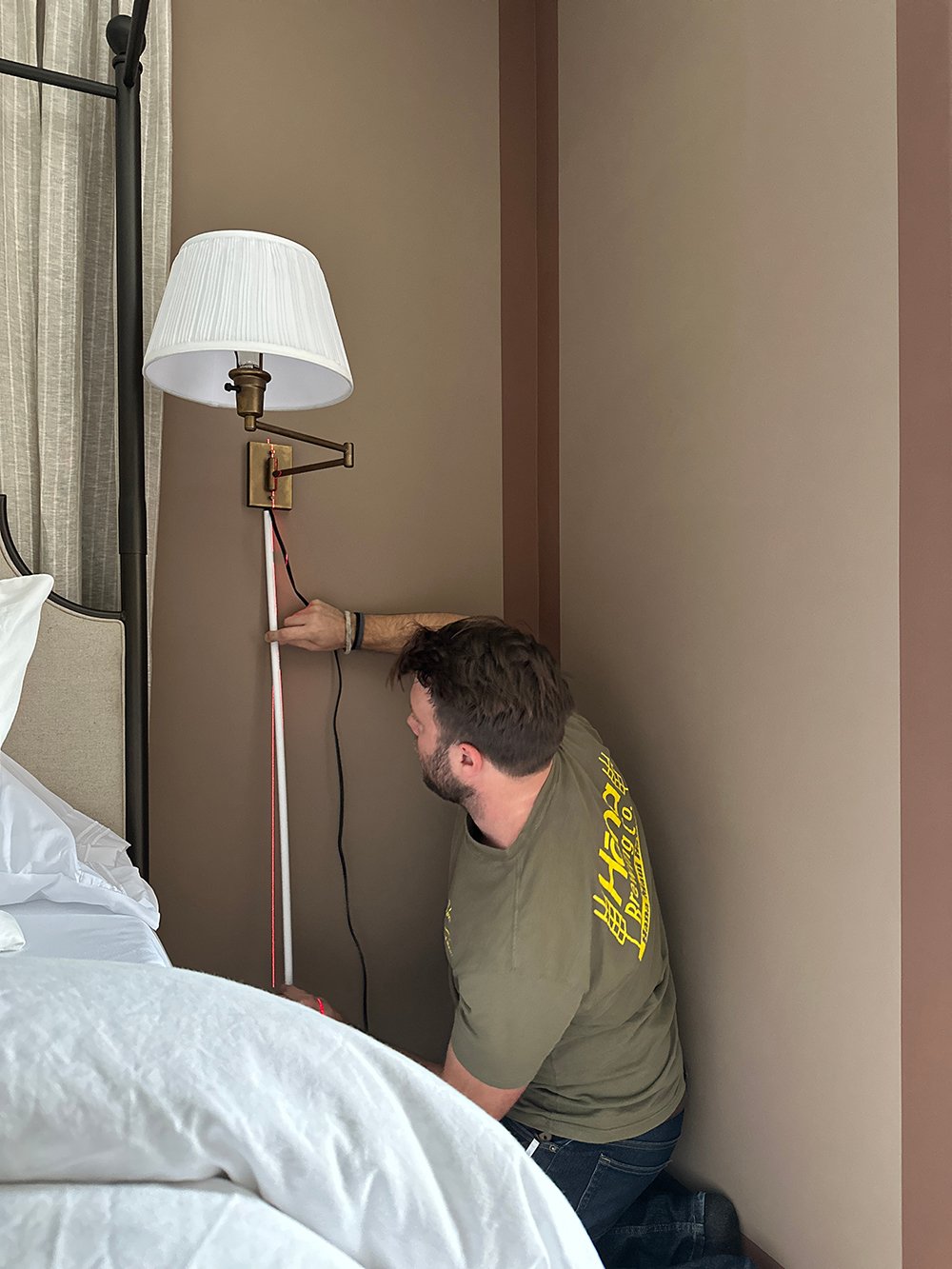
How to Hide Lamp Cords on Wall
Hiding lamp cords on the wall can transform the look of any room. First, you need to assess the current setup and locate the main cord paths. Measure the length of the cords you want to hide. This helps in deciding what type of cord covers or raceways you need. These tools help conceal the cords effectively.
Installing cord covers is a straightforward method to hide cords. Choose covers or raceways that match your wall color for a seamless look. According to this post, it’s important to ensure that the cord covers adhere well to the wall. Some covers come with adhesive backs, while others may require screws. Either option can be effective.
Another option involves integrating the cords into the wall. This method is more complex but offers a cleaner appearance. You might need some tools and perhaps professional help. Following the article, aim to hide the cords behind the drywall by creating small channels. This approach may take more time but can be very satisfying.
Alternatively, you can use decor to camouflage the cords. For instance, use furniture like bookshelves or decorative items to cover the path of the cords. Here is the article that mentions other practical solutions in this article. These low-cost ideas can quickly improve the room’s aesthetics. With a bit of creativity, hiding cords can be simple and effective.
Step 1: Assessing the Situation
Assessing the situation is the first essential step in hiding lamp cords on the wall. Start by examining the room to identify where the cords are most visible and problematic. Measure the length of each cord that needs to be concealed. Knowing the measurements will help you choose the right materials. Also, think about the wall’s color and texture to match the cord covers.
Check for obstacles that might interfere with cord placement. Furniture, artwork, and other decorative items can either help hide cords or make the job more challenging. According to this expert opinion, moving items around can sometimes solve visibility issues without extra tools. For instance, shifting a bookshelf might naturally conceal cords. This makes the room look organized and neat.
Consider safety aspects while assessing the situation. Make sure the cords are not placed in high-traffic areas where people can trip over them. Also, avoid placing cords near heat sources, as this can be a fire hazard. Safety is as important as aesthetic appeal.
Lastly, think about the electrical outlets. Ensure they are easily accessible even after hiding the cords. Create a plan that maps out the best route for each cord. This will save time and effort during installation. With a clear assessment, the next steps will be much easier.
Step 2: Choosing Cord Covers or Raceways
After assessing the situation, the next step is choosing the right cord covers or raceways. These items come in various materials, colors, and sizes, catering to different needs. For a sleek and professional look, opt for covers that match your wall color. This ensures they blend seamlessly into the background. Plastic cord covers are popular for their flexibility and ease of use.
Consider the type of installation method best suited for your space. Some cord covers come with adhesive backs, making installation straightforward. Others require screws for a more permanent fix. Here are some options you might consider:
- Adhesive Cord Covers
- Screw-mounted Raceways
- Paintable Cord Covers
- Flexible Cable Management Sleeves
Remember to measure twice before cutting any materials. This simple step can save you from mistakes and wasted resources. If you plan on painting the covers to match the wall, make sure to use paint that’s compatible with the cover material. Most cord covers are paintable, but it’s good to double-check.
Another tip is to think about future changes. If you foresee needing to move the cords again, opt for adhesive covers that are easier to remove. This adds flexibility to your setup. With the right cord covers or raceways, your space will look tidy and well-organized.
Step 3: Installing Cord Covers or Raceways
Once you’ve chosen your cord covers or raceways, it’s time to install them. Start by cleaning the wall surface where the covers will go. This ensures better adhesion, especially if you are using adhesive-backed covers. Use a damp cloth to remove any dust or dirt. Let the area dry completely before proceeding.
Next, measure and cut the cord covers to fit the length you need. Accuracy is key, so it’s best to measure twice and cut once. Adhesive covers can be easily placed on the wall by peeling off the backing and pressing the cover firmly onto the cleaned area. Align the covers straight to avoid a crooked look.
For screw-mounted raceways, first mark the spots where you’re going to drill. Use a ruler and level to make sure the marks are even. Then, drill pilot holes according to your marks. Attach the raceways using screws provided with the installation kit. This method provides a more permanent solution.
After securing the covers or raceways, insert the cords into them. This can be done either before or after mounting the covers, depending on the design. Make sure the cords are neatly tucked in without any kinks. This ensures a clean and professional look.
Lastly, check the entire setup to ensure everything is secure. Adjust anything that looks out of place. At this stage, you can also paint the cord covers if needed, making sure the paint matches the wall. With this final touch, your room will look neat and organized.
The Benefits of Hiding Lamp Cords
Hiding lamp cords offers several advantages that improve both the look and safety of your space. One major benefit is a cleaner, more organized appearance. Exposed cords can make a room look cluttered and unkempt, diminishing its overall aesthetic. Concealed cords, on the other hand, contribute to a sleek and modern look. This makes any room more visually appealing.
In addition to aesthetics, hidden cords can enhance safety. Loose or exposed cords can be tripping hazards, especially in high-traffic areas. By tucking them away, you minimize the risk of accidents. This is particularly important in homes with children or elderly individuals. Hiding cords can also protect them from pets who might chew on them.
Another benefit is the ease of cleaning. Dust and dirt often accumulate around exposed cords, making it harder to maintain a clean environment. When cords are concealed, it becomes easier to clean the floors and walls. This helps in maintaining a tidy home with less effort. Less dust also means better air quality.
Finally, hidden cords can prolong the lifespan of your electronic devices. Exposed cords are more prone to damage from foot traffic, furniture, or even vacuum cleaners. By securing them in cord covers or raceways, you reduce wear and tear. This means your devices will last longer and require fewer repairs or replacements.
Alternatives to Hiding Lamp Cords on Wall
If hiding lamp cords on the wall seems too complicated or permanent, there are several practical alternatives. One option is to use decorative cord covers. These not only hide the cords but also add an aesthetic element to your decor. Cord covers come in various designs, from simple fabric sleeves to braided or patterned ones. They can be an attractive addition to any room.
Another alternative is to use furniture to obscure the cords. Strategically placing bookshelves, tables, or cabinets can conceal the cords from view. For example, pushing a sofa against the wall can hide the cords running behind it. You can also use rugs to cover any cords that run across the floor. This keeps the room looking tidy without much effort.
If you want a high-tech solution, consider cordless or battery-operated lamps. These lamps eliminate the need for cords altogether. Many modern cordless lamps come with rechargeable batteries, providing light without any visible wires. This can be particularly useful in spaces where aesthetics are a high priority.
Another creative option is to incorporate the lamp cords into your room’s design. Instead of hiding them, make them a part of the decor by wrapping them around wall hooks or artistic holders. This approach works well in industrial or modern-themed rooms. The cords become a design element rather than an eyesore, adding character to the space.
For those who prefer a quick fix, zip ties and clips can help organize the cords neatly. You can bundle the cords together and attach them discreetly to the back of furniture. This method provides a neat appearance and keeps the cords out of the way. It’s a simple yet effective solution for managing lamp cords.
Frequently Asked Questions
In this section, we’ll address common questions about managing and hiding lamp cords on walls. These answers aim to help you achieve a neat and organized look without compromising safety.
1. What types of cord covers are available?
There are several types of cord covers to choose from, each catering to different needs. Adhesive-backed covers offer an easy installation process and can usually be painted to match your wall color. Screw-mounted raceways provide a more permanent solution and tend to be sturdier.
Flexible cable management sleeves are another option, allowing you easy access to the cords when needed. Additionally, decorative cord covers come in various colors and patterns, adding a stylish element while concealing the cords effectively.
2. Can I paint cord covers to match my wall?
Yes, many cord covers are designed to be paintable so they can blend seamlessly with your wall color. Before painting, make sure the surface is clean and free from any dust or grime. Using compatible paint will ensure the finish adheres well and doesn’t chip easily.
If you’re unsure about which kind of paint to use, check the product details or consult with the manufacturer for recommendations. Painting the cord covers will enhance their appearance, making them less noticeable in your room.
3. Are there wireless alternatives to lamps that require cords?
Yes, there are cordless lamps available that run on rechargeable batteries, eliminating the need for power cords entirely. These lamps are especially useful for spaces where aesthetics or flexibility is key since they can be placed anywhere without worrying about outlet locations.
Cordless lamps often come with long-lasting LED bulbs which are both energy-efficient and environmentally friendly. They are ideal for decorative purposes as well as for practical lighting solutions in your home.
4. How do I hide lamp cords if drilling into walls isn’t an option?
If drilling isn’t an option, adhesive-backed cord covers provide a simple yet effective solution for hiding cords on walls. These adhesive mounts stick directly onto surfaces without damaging them, making them perfect for renters or temporary setups.
According to this post, using furniture can also help conceal lamp cords effectively without modifications to your living space. Strategically placing items like bookshelves or tables helps keep the cords out of sight while maintaining accessibility.
5. Can furniture arrangement help in hiding lamp cords?
Absolutely! Arranging furniture strategically is a great way to hide lamp cords without elaborate modifications. For example, placing sofas against walls can conceal trailing wires while still providing accessible outlets nearby for power needs.
You could also use rugs and carpets not only as décor elements but also as functional solutions that cover up exposed wiring running across floors between pieces of furniture like coffee tables or desks
Conclusion
Hiding lamp cords on walls enhances both the appearance and safety of any room. With various options available, from adhesive cord covers to strategic furniture placement, it’s easy to find a solution that fits your needs. Whether you’re looking for a quick fix or a more permanent setup, there are plenty of choices.
By following the steps and tips provided, you can achieve a clean, organized look without compromising on functionality. Remember, the key is to assess your situation and choose the right method that works for you. With a bit of effort, your living space will be both stylish and safe.

I’m Emily Johnson, an affiliate marketer and blogger focused on lamps and lighting. I share honest reviews, simple buying guides, and practical tips. My goal is to help readers choose the right lamp for their space, style, and budget with confidence.