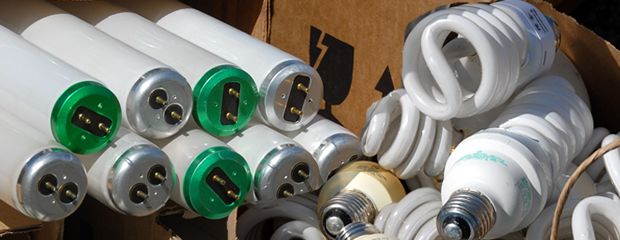
Avoiding the flicker of fluorescent lamps might seem like personal preference, but the issue runs deeper. Fluorescent lamps contain mercury, a toxic heavy metal. When these lamps break or are improperly disposed of, mercury can leach into soil and water.
The intricacies of handling fluorescent lamps date back to their widespread adoption in the 1930s. The mercury content, averaging about 4 mg per bulb, poses environmental risks upon disposal. Therefore, many jurisdictions consider them hazardous waste, necessitating careful disposal methods to mitigate contamination.
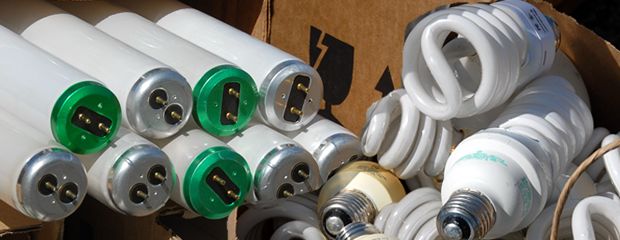
Are Fluorescent Lamps Hazardous Waste?
Fluorescent lamps are a staple in many households and businesses due to their energy efficiency. However, they contain mercury, a toxic substance. Mercury can be harmful to both humans and the environment. When these lamps are broken or improperly disposed of, mercury can leach into soil and water. This makes fluorescent lamps a type of hazardous waste.
The impact of mercury from fluorescent lamps is significant. Even a small amount of mercury can cause serious environmental damage. According to the article, improper disposal of these lamps can lead to water contamination and harm wildlife. It’s crucial to follow proper disposal methods to mitigate these risks. Safe disposal is not only environmentally responsible but also legally required in many regions.
To handle this waste properly, there are specific disposal methods recommended. You can recycle these lamps at designated facilities. Some areas have special collection programs for hazardous waste. Retailers sometimes offer take-back programs as well. Following these guidelines helps prevent mercury from entering the ecosystem.
There are regulations in place to manage the disposal of fluorescent lamps. According to this article, many jurisdictions have laws requiring proper disposal. These regulations are in place to protect public health and the environment. It’s important to stay informed about local disposal requirements. This ensures compliance and promotes safety.
Why Fluorescent Lamps are Considered Hazardous
Fluorescent lamps are considered hazardous mainly because they contain mercury. Mercury is a heavy metal that can be very toxic. Even small amounts can be dangerous to human health. If a bulb breaks, mercury vapor can be released into the air. This makes cleanup difficult and risky.
The environmental impact of mercury is also a major concern. When fluorescent lamps are disposed of improperly, mercury can enter the soil and water. This contaminates natural resources, affecting plants and animals. Long-term exposure to mercury can lead to serious ecological damage. The persistence of mercury once it enters the environment makes it particularly troubling.
Regulatory bodies classify fluorescent lamps as hazardous waste due to these risks. According to this expert opinion, all businesses and households are urged to follow strict disposal guidelines for these bulbs. Proper disposal methods include recycling or taking them to hazardous waste facilities. These actions help prevent mercury from contaminating the environment. Additionally, some areas have specific regulations to ensure safe disposal.
Improper disposal methods can result in legal consequences as well. Ignoring these guidelines can lead to fines and other penalties. Therefore, it’s not just an environmental issue but also a legal one. Governments have put these measures in place to encourage responsible behavior. Always follow local guidelines to ensure compliance.
The Impact of Mercury in Fluorescent Lamps on the Environment
Mercury in fluorescent lamps poses a significant threat to the environment. When these lamps are broken or not disposed of correctly, mercury can seep into the soil and water. This contamination affects both land and aquatic ecosystems. Animals that come into contact with mercury-laden water can suffer from health issues. Over time, this disrupts the entire food chain.
Additionally, mercury is persistent and does not break down easily in the environment. This means it can stay in the soil and water for many years. Plants absorb mercury through their roots, introducing it into the food supply. When animals or humans eat these contaminated plants, the mercury accumulates in their bodies. This bioaccumulation can lead to higher levels of mercury over time, posing serious health risks.
Mercury exposure is dangerous to all forms of life. It can cause neurological damage in both humans and wildlife. For humans, high levels of mercury exposure can impair brain function and harm unborn babies. Wildlife exposed to mercury may experience behavioral changes, making it difficult for them to survive. According to environmental studies, mercury contamination has long-lasting and far-reaching effects.
Efforts to mitigate mercury pollution include strict disposal regulations and recycling programs. By ensuring proper disposal, we can keep mercury out of our environment. Some regions even offer special collection days for hazardous waste. These efforts help reduce the amount of mercury that enters the soil and water. Collective action is essential to minimize mercury’s environmental impact.
Safe Disposal Methods for Fluorescent Lamps
Fluorescent lamps require careful disposal to prevent mercury contamination. One of the best ways to dispose of these lamps is to take them to a designated recycling center. Many municipalities offer special collection sites for hazardous waste, including fluorescent lamps. These centers ensure that the lamps are handled safely and mercury is not released into the environment. Recycling not only prevents pollution but also allows some materials to be reclaimed and reused.
Retail stores often provide take-back programs for used fluorescent lamps. Stores like Home Depot and Lowe’s typically have bins where you can drop off your old lamps for recycling. This provides an easy and accessible option for homeowners. Always check with your local store to confirm they accept fluorescent lamps. These programs help ensure that mercury is safely contained and properly managed.
For larger quantities of fluorescent lamps, commercial recycling services are available. Many waste management companies offer specialized services to handle hazardous waste. These services can collect lamps directly from your location, ensuring proper disposal. This is especially useful for businesses and large buildings. They often have significant numbers of lamps that need to be discarded.
It’s crucial to follow legal guidelines when disposing of fluorescent lamps. Regulations often vary by region, so it’s important to know the rules in your area. For specific recommendations on disposal, local government websites are a reliable resource. Adhering to these guidelines can prevent legal issues and ensure the safety of the community. Awareness and compliance are key to responsible disposal.
If you’re unsure where to start, environmental organizations often provide information and resources. Groups like the Environmental Protection Agency (EPA) offer guidelines on handling and disposing of hazardous waste. They can also direct you to local facilities that accept fluorescent lamps. Taking the time to do this correctly can make a big difference in reducing environmental harm.
The Regulations and Policies for Disposal of Fluorescent Lamps
Disposing of fluorescent lamps is subject to various regulations to prevent environmental damage. The Environmental Protection Agency (EPA) has set strict guidelines for handling these lamps. These rules classify fluorescent lamps as hazardous waste due to their mercury content. This classification means that they must be disposed of in a way that prevents mercury from entering the environment. Compliance with these regulations is crucial for public health and safety.
Local governments often have additional regulations for fluorescent lamp disposal. These rules can vary from one region to another. Some areas may require lamps to be taken to specific recycling centers. Others might have designated collection days for hazardous waste. Always check with your local waste management authority to understand the specific requirements.
Businesses have additional responsibilities regarding fluorescent lamp disposal. They must ensure that the lamps are handled in accordance with both federal and local laws. Failure to comply can result in significant fines. Businesses are often required to keep records of how they dispose of hazardous waste. This ensures accountability and helps regulate the safe handling of these materials.
There are also international guidelines for disposing of fluorescent lamps. Different countries have their own sets of rules based on environmental policies. The European Union, for instance, has the Waste Electrical and Electronic Equipment (WEEE) Directive. This directive mandates the recycling of electronic waste, including fluorescent lamps. Understanding these international guidelines is important for multinational companies.
Penalties for improper disposal can be severe. Not following the guidelines can result in legal consequences, including fines and other penalties. It’s not just about avoiding punishment; it’s also about protecting the environment. Everyone has a role in ensuring that hazardous waste is managed responsibly. By following these regulations, we can help reduce the impact of mercury on our planet.
Frequently Asked Questions
Fluorescent lamps are common in many homes and businesses, but they come with certain risks due to their mercury content. Here are some frequently asked questions to help you understand more about the safe use and disposal of fluorescent lamps.
1. What should I do if a fluorescent lamp breaks?
If a fluorescent lamp breaks, open windows to air out the room for 10-15 minutes. Carefully pick up the broken pieces using stiff paper or cardboard and place them in a sealed glass jar or plastic bag. Use sticky tape to pick up small fragments and powder.
Avoid using a vacuum cleaner for cleanup as it can spread mercury-containing dust or vapor. After cleaning, dispose of the sealed bag at a hazardous waste facility that accepts these materials. Always follow local guidelines for disposal.
2. Can I recycle fluorescent lamps?
Yes, you can recycle fluorescent lamps through local recycling centers or retailers offering take-back programs. Many municipalities have designated drop-off locations where you can safely dispose of these lamps.
Recycling helps prevent mercury from entering landfills, reducing environmental contamination. Check with your local waste management authority to find approved recycling centers near you.
3. Are there alternatives to using fluorescent lamps?
There are several safer alternatives to using fluorescent lamps, such as LED lamps and CFLs without mercury content. LEDs consume less energy and have longer lifespans than traditional fluorescents.
This makes them both cost-effective and environmentally friendly in the long run. While LEDs may have higher upfront costs, energy savings can offset this over time.
4. What are the health risks associated with exposure to mercury from fluorescent lamps?
Exposure to mercury from broken fluorescent lamps can cause serious health issues, including neurological damage and respiratory problems. Even short-term exposure can lead to symptoms like headaches, dizziness, and nausea.
Long-term exposure is particularly dangerous for pregnant women and children as it can affect brain development and lead to cognitive impairments. Always handle broken lamps with caution and seek professional advice if you’re unsure about cleanup procedures.
5. Are businesses subject to different regulations for disposing of fluorescent lamps?
Yes, businesses often face stricter regulations when disposing of fluorescent lamps compared to households. They are usually required to document their disposal methods and comply with both federal and local laws.
This ensures proper handling of hazardous waste to minimize environmental impact.
Failure to follow these regulations can result in hefty fines or legal action against the business.
Proper training on disposal procedures is essential for compliance.
Conclusion
Handling and disposing of fluorescent lamps require careful attention due to the mercury content. Safe disposal methods and regulatory compliance are paramount for environmental protection. Through recycling and proper waste management, we minimize mercury’s harmful effects.
Professionals must stay informed about the latest guidelines and disposal options. This ensures both public safety and environmental sustainability. Vigilance in adhering to regulations helps protect our planet for future generations.

I’m Emily Johnson, an affiliate marketer and blogger focused on lamps and lighting. I share honest reviews, simple buying guides, and practical tips. My goal is to help readers choose the right lamp for their space, style, and budget with confidence.