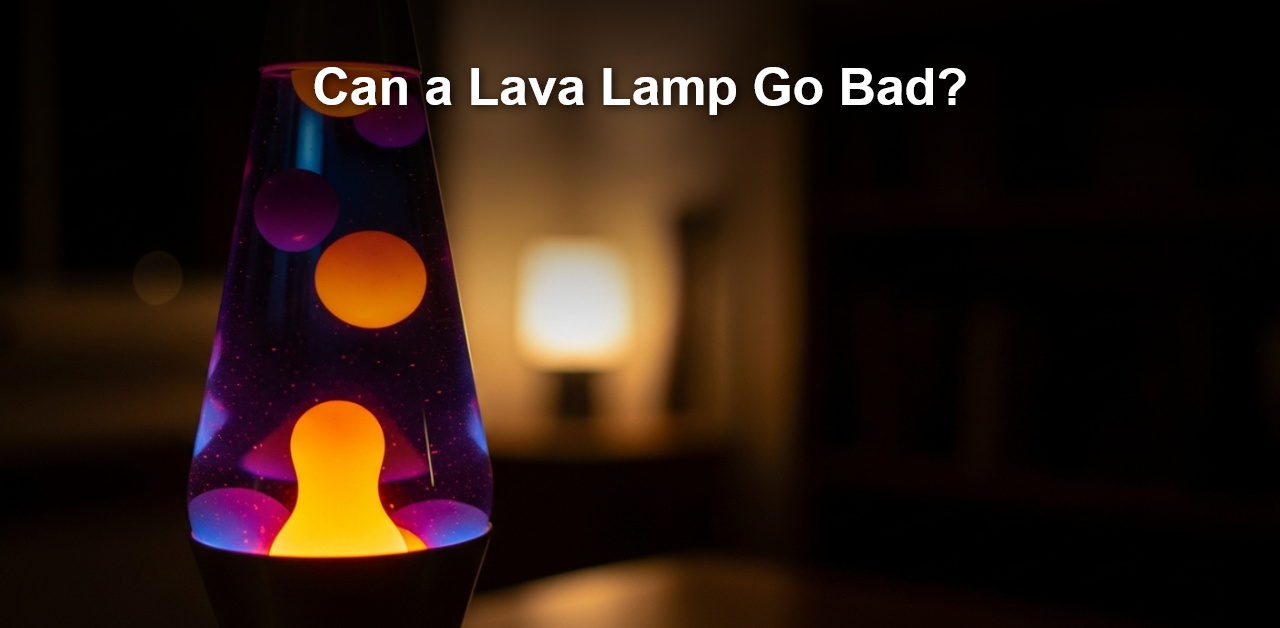
The mesmerizing dance of the groovy lava lamp is a beloved icon of retro decor. It brings a nostalgic ambiance to any space. But, as the years pass, people wonder: can these captivating lighting fixtures deteriorate over time? The answer might surprise you.
In this guide, we’ll explore the truth about lava lamp lifespan and potential deterioration. We’ll cover their inner workings and common issues. This will help you keep your lava lamp lifespan long and vibrant.

Whether you’re a long-time lava lamp fan or new to the hypnotic world of lava lamp deterioration, this article has valuable insights. It ensures your groovy lighting stays a vibrant part of your retro decor for years. Get ready to learn the secrets of lava lamp lifespan and how to keep your lava lamps shining.
Understanding Lava Lamp Composition and Functionality
Lava lamps have been a favorite for decades, thanks to their mesmerizing lava-like motion. But what makes them so captivating? Let’s explore the key components, the science behind the lava flow, and the ingredients found in modern lava lamps.
Key Components of a Lava Lamp
At the heart of a lava lamp are a few essential elements:
- A glass container, often with a distinctive shape, that holds the liquid mixture
- A heat source, typically a light bulb or heating element, that warms the liquid
- The lava-like substance, a combination of wax and colored liquid, that creates the signature flow
- A clear liquid, usually mineral oil or water-based, that surrounds the lava-like substance
How the Lava Effect Works
The mesmerizing lava effect is due to a scientific principle called convection. When the heat source warms the lava-like substance, the wax expands and becomes less dense. This causes it to rise through the clear liquid, creating the distinctive lava-like bubbles and motion.
Common Ingredients Used in Lava Lamps
Lava lamps contain a blend of key ingredients:
- Lava lamp components: The lava-like substance is a mix of mineral oil, wax, and coloring agent.
- Lava lamp ingredients: The clear liquid is usually mineral oil or a water-based solution.
- Lava lamp science: The heat source, like a light bulb, provides the warmth that drives the convection process and creates the lava-like motion.
“The lava lamp is a captivating example of how simple scientific principles can create mesmerizing visual effects.”
Signs Your Lava Lamp Might Be Deteriorating
The lava lamp is a beloved item in many homes. It can mesmerize us for years. But, over time, it may show signs of wear. Knowing these signs can help you fix any lava lamp problems or maintain it.
A change in the lava’s look is a clear sign. If the colors are dull or the lava moves slowly, it’s a problem. Also, if the lava looks thicker or cloudier, it’s time for lava lamp troubleshooting.
- Diminished lava movement or color vibrancy
- Thicker, cloudier lava consistency
- Leaks or condensation within the lamp
- Flickering or inconsistent lighting
Leaks or condensation in the glass are other signs. It means the seals are failing. This lets liquid out or air in. Also, flickering lights can mean the heating element or wiring is broken.
“A well-maintained lava lamp can provide years of mesmerizing entertainment, but it’s important to keep an eye out for signs of aging or deterioration.”
Watching for these signs helps you fix lava lamp problems early. Regular lava lamp maintenance keeps it working well. This way, your lava lamp will keep mesmerizing you for years.
Can a Lava Lamp Go Bad? Common Issues and Concerns
Lava lamps are timeless and captivating, but they can deteriorate over time. The chemical makeup and environmental factors affect their lifespan and performance.
Chemical Breakdown Over Time
The lava-like effect in lava lamps comes from a mix of chemicals like wax, dye, and more. Over time, these can break down. This leads to changes in how the lamp looks and works.
These changes can make the lava less fluid, the colors fade, or the lamp’s mesmerizing motion stop.
Impact of Environmental Factors
Environmental conditions can greatly affect a lava lamp’s life. Extreme temperatures, direct sunlight, and other stressors can speed up breakdown. Keeping your lamp in a stable environment is key to its longevity.
Typical Lifespan Expectations
A well-cared-for lava lamp can last several years. But, its lifespan depends on how often it’s used, the environment, and its quality. On average, they last 2-5 years, but with proper care, some can last longer.
| Lava Lamp Characteristic | Typical Lifespan |
|---|---|
| Lava motion and fluidity | 2-5 years |
| Color intensity and vibrancy | 2-4 years |
| Overall functionality | 3-5 years |
Knowing about lava lamp deterioration helps you take steps to keep yours in great shape. This way, you can enjoy its mesmerizing display for many years.
Proper Storage and Maintenance Tips
Caring for your lava lamp is key to making it last longer. It’s important to store it right and clean it regularly. Here are some tips to keep your lava lamp looking great.
Storing Your Lava Lamp
When you’re not using your lava lamp, it’s important to store it correctly. Here are some tips:
- Keep the lamp in a cool, dry place, away from direct sunlight or heat sources.
- Store the lamp in an upright position to prevent leaks or spills.
- Ensure the lamp is unplugged and completely cooled before storage.
- Consider wrapping the lamp in a soft cloth or placing it in a sturdy box to protect it from dust and potential impacts.
Cleaning and Maintenance
Regular cleaning and maintenance can help your lava lamp last longer. Here’s how to care for it:
- Unplug the lamp and allow it to cool completely before cleaning.
- Gently wipe the exterior of the lamp with a soft, damp cloth to remove dust and fingerprints.
- Use a mild, non-abrasive cleaner and a soft cloth to clean the glass globe, taking care not to scratch the surface.
- Check the lamp’s internal components periodically for any signs of wear or damage, and replace them if necessary.
- Refill the lamp with the appropriate lava lamp fluid as recommended by the manufacturer.
By following these simple lava lamp care, lava lamp storage, and lava lamp cleaning tips, you can enjoy your mesmerizing lava lamp for years to come.

Temperature and Environmental Impact on Lava Lamps
Keeping your lava lamp at the right temperature is key to its long life and beauty. The right temperature and protection from the environment help your lava lamp stay a stunning centerpiece in your home.
Optimal Operating Conditions
Lava lamps love warm, steady places. The best temperature for most lava lamps is between 100-120°F (37-49°C). This keeps the lava flowing smoothly, making your lamp a mesmerizing sight.
Temperature-Related Problems
Extreme temperatures can harm your lava lamp. Too hot, and the lava gets too thin. Too cold, and it gets thick and slow. Quick changes in temperature can also create air bubbles, messing with the lava’s flow.
Avoiding Environmental Damage
- Don’t put your lava lamp in direct sunlight. It can get too hot and damage the lamp over time.
- Stay away from drafts, air vents, or windows. Fluctuating temperatures can hurt its performance.
- Keep your lava lamp safe from vibrations and physical shocks. They can mess up the lava’s flow and harm the inside parts.
| Optimal Conditions | Temperature Range | Potential Issues |
|---|---|---|
| Warm, stable environment | 100-120°F (37-49°C) |
|
By keeping the right lava lamp temperature and shielding it from the environment, your lamp will stay a captivating and enduring part of your decor.
Troubleshooting Common Lava Lamp Problems
Having a lava lamp can be really fun, but sometimes they can have problems. You might see a cloudy liquid, lava that doesn’t move, or parts that separate. Don’t worry, we have some tips to help you fix your lava lamp fixes and lava lamp repair.
Cloudy Lava Lamp Liquid
If your lava lamp’s liquid looks cloudy, it might be because of mineral deposits or impurities. Here’s how to clear it:
- First, unplug the lamp and let it cool down completely.
- Then, carefully take off the lamp’s top and pour the liquid into a clean container.
- Next, wash the inside of the lamp with warm water and a mild soap. Make sure to rinse it well.
- Finally, fill the lamp with fresh, distilled water and enjoy your lava lamp again.
Non-Moving Lava
If the lava in your lamp won’t move, it could be because of the heating element or the liquid. Try these steps:
- Make sure the lamp is plugged in and the heating element is working right.
- Check if the liquid level is okay and add more distilled water if needed.
- Gently tap the lamp’s base to move any stuck lava blobs.
- If it still doesn’t work, you might need to replace the whole lava lamp.
Separated Components
Sometimes, the lava and liquid in your lamp can separate, making it look bad. Here’s how to fix it:
| Issue | Solution |
|---|---|
| Lava and liquid are separated | Unplug the lamp and let it cool down. Then, gently swirl or tilt the lamp to mix the components again. |
| Lava has solidified at the bottom | Remove the lamp’s top carefully. Use a clean tool to gently stir the lava, helping it melt and move again. |
By fixing these common lava lamp issues, you can enjoy your lava lamp for many years. Remember, taking good care of it is important to keep it looking great.

How to Extend Your Lava Lamp’s Lifespan
If you love your lava lamp, you’ll want it to last forever. Luckily, there are easy ways to make your lava lamp last longer. These steps will keep it looking great and working well.
Regular Maintenance Practices
To keep your lava lamp in top shape, follow a simple routine. This includes:
- Regularly cleaning the glass container to remove any dust or residue buildup
- Checking the electrical cord and plug for any signs of wear or damage
- Ensuring the lava lamp is positioned on a stable, level surface to prevent tipping or vibration
- Replacing the lava lamp fluid when it becomes discolored or loses its viscosity
Proper Usage Guidelines
Using your lava lamp the right way also helps it last longer. Remember these tips:
- Avoid leaving your lava lamp on for extended periods, as this can lead to overheating and premature wear
- Protect your lava lamp from extreme temperatures, both hot and cold, which can negatively impact the lava lamp care tips
- Handle your lava lamp with care, as rough handling or dropping can damage the internal components and compromise the lava lamp maintenance
By following these easy steps, your lava lamp will keep you amazed for years.
“Keeping your lava lamp in prime condition is the key to enjoying its mesmerizing display for a long time.”
When to Replace Your Lava Lamp
As your lava lamp gets older, it’s key to know when it’s time for a new one. Older lamps might break down, pose safety risks, or not work as well as they used to. Spotting these signs helps you decide when to get a new lava lamp that’s safe and looks good.
Watch for damage like leaks, color changes, or slow-moving liquid. Older lamps might also have outdated parts that could be dangerous. If your lamp is showing its age, it’s safer to get a lava lamp replacement.
When you’re ready to buy a lava lamp again, look for one that’s well-made, uses LEDs, and has safety features. A modern lava lamp will last longer and keep your home looking great for years.

I’m Emily Johnson, an affiliate marketer and blogger focused on lamps and lighting. I share honest reviews, simple buying guides, and practical tips. My goal is to help readers choose the right lamp for their space, style, and budget with confidence.