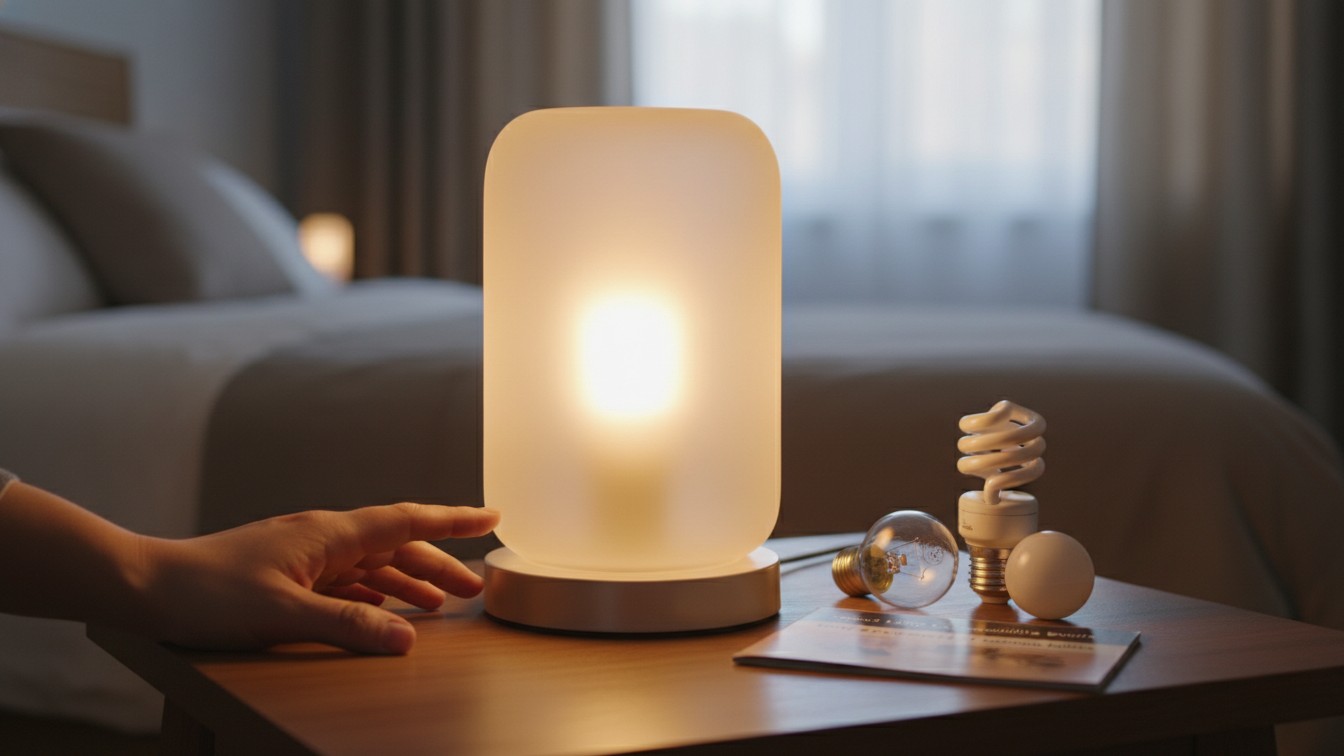
Yes, you can use any CFL or LED bulb in a touch lamp with a mechanical switch, but if the lamp has an electronic switch, you’ll need a dimmable CFL or LED bulb specifically marked for use with touch lamps. However, using a dimmable bulb in a touch lamp may still pose some problems.
Lighting consultant Terry McGowan advises caution when choosing bulbs for touch lamps.
Understanding Touch Lamp Mechanics
Touch lamps are a convenient and stylish lighting option that has gained popularity in recent years. With just a touch, you can easily turn the lamp on or off, and even adjust the brightness level. But have you ever wondered how these touch lamps actually work?
How Touch Lamps Operate
Touch lamps operate using a simple yet innovative mechanism. Instead of a traditional switch, these lamps are equipped with a touch-sensitive sensor that reacts to your touch. When you touch the lamp base or any metal part of the lamp, it completes an electrical circuit, allowing the lamp to turn on or off.
But how does this touch-sensitive sensor work? Well, inside the lamp’s base, there is a small electronic circuit that is responsible for detecting the change in electrical current caused by your touch. When you touch the lamp, your body acts as a conductor and allows a small amount of electrical current to flow through the sensor. This change in current is then detected by the circuit, triggering the lamp to turn on or off.
The Difference Between Mechanical And Electronic Switches In Touch Lamps
Not all touch lamps are created equal. Some touch lamps feature a mechanical switch, while others have an electronic switch. It’s important to understand the difference between these two types of switches in order to choose the right bulb for your touch lamp.
Mechanical switches:
Touch lamps with mechanical switches are more versatile when it comes to bulb compatibility. According to lighting consultant Terry McGowan, these lamps will work with any CFL or LED bulb. This means that you can use a standard bulb without any issues.
Electronic switches:
On the other hand, touch lamps with electronic switches require a bit more consideration when it comes to bulb selection. McGowan advises using CFL or LED bulbs that are specially marked as dimmable. This is because electronic switches rely on the dimming functionality of these bulbs to adjust the brightness levels of the lamp. Using non-dimmable bulbs with electronic switches can result in compatibility issues and may cause the lamp to malfunction.
It’s worth noting that even with dimmable CFL or LED bulbs, there can still be some challenges with compatibility. Therefore, it’s recommended to test the bulb with the touch lamp before making a final decision.
| Switch Type | Bulb Compatibility |
|---|---|
| Mechanical Switch | Works with any CFL or LED bulb |
| Electronic Switch | Requires dimmable CFL or LED bulb marked as compatible |
In conclusion, while touch lamps are a convenient and modern lighting option, it’s important to understand the mechanics behind them. Choosing the right bulb for your touch lamp depends on whether it has a mechanical or electronic switch. By following the guidelines provided by experts like Terry McGowan, you can ensure that your touch lamp operates smoothly and efficiently.
Can You Use Any Bulb In A Touch Lamp?
Touch lamps typically work with any CFL or LED bulb, as long as they have a mechanical switch. However, if the lamp has an electronic switch, you’ll need to use a CFL or LED bulb that is specifically marked as dimmable.
It is important to consider these factors when choosing a bulb for your touch lamp.
When it comes to touch lamps, one common question that often arises is whether you can use any bulb in these lamps. The answer to this question depends on the specific type of touch lamp you have. Let’s dive deeper into the compatibility of touch lamps with different types of bulbs and explore some special considerations you need to keep in mind.
Touch Lamps And Standard Bulbs: Compatibility Overview
Touch lamps are generally compatible with standard bulbs, which means you can use any regular incandescent bulb or halogen bulb in these lamps. These bulbs work with the simple mechanical switches found in most touch lamps, allowing you to easily turn the lamp on or off with a simple touch. However, it’s important to note that touch-sensitive lamps that are dimmable may require a specific type of bulb for optimal functionality.
Special Considerations For Different Types Of Bulbs
When it comes to LED and CFL bulbs, compatibility with touch lamps may vary. According to lighting consultant Terry McGowan, touch lamps with mechanical switches will typically work with any CFL or LED bulb. However, if the lamp has an electronic switch, you’ll need to use a CFL or LED bulb that’s specially marked as dimmable. Even with a dimmable bulb, you may encounter some compatibility issues.
To ensure seamless functionality, it’s advisable to use a dimmable bulb or LED equivalent for touch-sensitive lamps that offer dimming options. This way, you can enjoy the different levels of brightness that these lamps offer, without worrying about any compatibility issues.
Led And Cfl Bulbs In Touch Lamps: What You Need To Know
LED and CFL bulbs have electronic components in them, which can sometimes pose problems with the dimming circuitry in touch lamps. If you attempt to use a non-dimmable LED or CFL bulb in a touch-sensitive lamp designed for dimming, it may not function properly or may not offer the desired brightness levels.
To ensure compatibility and optimal performance, make sure you use a dimmable LED or CFL bulb specifically designed for touch lamps with electronic switches. These bulbs are marked as dimmable and are engineered to work seamlessly with the dimming circuitry of touch lamps.
In conclusion, while touch lamps generally work with standard incandescent or halogen bulbs, it’s important to consider the type of bulb and the specific features of your touch lamp. For touch lamps with dimming capabilities, using a dimmable bulb or LED equivalent is highly recommended to ensure proper functionality and the desired levels of brightness.
Selecting The Right Bulb For Touch Lamps
Touch lamps typically have different levels of brightness that can be adjusted by touching the base. While you can use any standard bulb for a touch lamp with a mechanical switch, lamps with an electronic switch may require a specially marked dimmable CFL or LED bulb for proper functionality.
Factors Influencing Bulb Selection For Touch Lamps
When it comes to selecting the right bulb for your touch lamp, there are several factors that you need to consider. These factors play a crucial role in ensuring optimal functionality and performance of your touch lamp. Let’s take a closer look at these factors:
Dimmable Vs. Non-dimmable Bulbs: Necessity For Touch Lamps
One of the key factors to consider when selecting a bulb for your touch lamp is whether it is dimmable or non-dimmable. Touch lamps often come with different levels of brightness that can be adjusted by simply touching the base or any other designated area. In order to fully utilize this feature, it is recommended to use a dimmable bulb. Non-dimmable bulbs may not be able to provide the desired level of brightness and functionality, limiting the potential of your touch lamp.
Recommendations For Optimal Touch Lamp Functionality
To ensure optimal functionality of your touch lamp, it is recommended to adhere to the following recommendations:
- Always check the type of switch your touch lamp has. If it has a mechanical switch, you can use any CFL or LED bulb without any issues. However, if your touch lamp features an electronic switch, it is important to use a CFL or LED bulb that is specifically marked as dimmable to avoid any compatibility problems.
- Consider using halogen bulbs for touch lamps that are not compatible with LED or CFL bulbs. Halogen bulbs are a suitable alternative and can provide the desired level of dimmability.
- When purchasing a touch lamp, check if it requires a special bulb or if it can work with standard bulbs. Some touch lamps may have specific requirements for bulb types, so it’s essential to verify this before making a purchase.
By considering these recommendations and selecting the right bulb for your touch lamp, you can ensure optimal functionality, brightness, and longevity of your lighting fixture. Remember, the right bulb can make all the difference in enhancing your touch lamp experience.
Troubleshooting Bulb Issues In Touch Lamps
Touch lamps offer convenience and functionality with their easy-to-use touch-sensitive switches. However, when it comes to choosing the right bulb for a touch lamp, compatibility issues can arise. Understanding common bulb-related problems and knowing how to resolve them is essential to ensure the smooth functioning of your touch lamp. In this section, we will explore some common bulb-related problems in touch lamps, as well as provide tips for resolving incompatibility and functioning issues.
Common Bulb-related Problems In Touch Lamps
While touch lamps are generally designed to work with a variety of bulbs, they may encounter certain issues with specific types. Here are some common bulb-related problems you may encounter with touch lamps:
- Dimming or flickering lights
- Inconsistent or erratic touch response
- Bulb not turning on or off properly
- Reduced brightness or inadequate lighting
- Excessive heat or overheating
Understanding these problems will help you troubleshoot and resolve any issues you may encounter with the bulbs in your touch lamp.
Tips For Resolving Incompatibility And Functioning Issues
To ensure your touch lamp functions optimally and avoids incompatibility issues with bulbs, consider the following tips:
- Check the type of switch: Touch lamps may have either mechanical switches or electronic switches. Mechanical switches are generally compatible with any CFL or LED bulb, while electronic switches may require specially marked dimmable bulbs.
- Use dimmable bulbs: If your touch lamp has different levels of brightness that can be adjusted, it is recommended to use dimmable bulbs. These bulbs are designed to work with the touch-sensitive dimming circuitry in the lamp.
- Ensure proper wattage: Check the wattage requirements specified for your touch lamp. Using bulbs with wattage higher or lower than recommended can result in performance issues or even damage to the lamp.
- Consider LED or CFL bulbs: LED and CFL bulbs are more energy-efficient compared to traditional incandescent bulbs. They also generate less heat, reducing the risk of overheating in touch lamps.
- Consult the manufacturer’s instructions: Always refer to the manufacturer’s guidelines and instructions for your specific touch lamp model. They may provide specific recommendations and restrictions regarding bulb compatibility and usage.
By following these tips, you can troubleshoot and resolve any incompatibility or functioning issues related to the bulbs in your touch lamp. Remember to prioritize safety and choose bulbs that comply with the lamp’s specifications to maximize performance and longevity.
Maintaining Your Touch Lamp’s Performance
Your touch lamp is not only a functional light source but also a decorative piece that adds ambiance to your living space. To ensure that your touch lamp continues to perform optimally, it’s important to follow a few best practices for bulb replacement, safeguard its responsiveness, and provide long-term care. Let’s explore each aspect in detail:
Best Practices For Bulb Replacement
When it comes to replacing the bulb in your touch lamp, it’s crucial to consider the type of switch your lamp has. If your touch lamp features a mechanical switch, you have the flexibility to use any CFL or LED bulb available on the market. Mechanical switches work seamlessly with these energy-efficient bulbs, providing you with multiple lighting options while maintaining the lamp’s responsiveness.
On the other hand, if your touch lamp is equipped with an electronic switch, you’ll need to be more selective in your bulb choice. It’s recommended to use a CFL or LED bulb that is specially marked as dimmable. This ensures compatibility with the touch-sensitive functionality of your lamp and prevents any issues that may arise from using non-dimmable bulbs.
Safeguarding Your Touch Lamp’s Responsiveness
To safeguard your touch lamp’s responsiveness, it’s important to follow a few precautions. Firstly, avoid using incandescent bulbs with touch lamps, as they can generate excess heat and potentially damage the lamp’s switch. Instead, opt for energy-efficient bulbs like CFLs or LEDs, which emit less heat and provide a longer lifespan.
Additionally, when replacing the bulb in your touch lamp, always ensure that the lamp is powered off and unplugged. This reduces the risk of electrical shock and safeguards both you and the lamp during the replacement process.
Long-term Care Tips For Touch Lamp Owners
Owning a touch lamp requires a certain level of care to maintain its performance over the long run. Here are a few tips to keep in mind:
- Regularly clean the lamp’s touch-sensitive surface with a soft, lint-free cloth to remove dust and dirt. This helps maintain optimal responsiveness.
- Avoid placing the touch lamp in areas with high humidity or extreme temperatures, as these conditions can affect its electrical components.
- Periodically check the power cord for any signs of damage or wear. If you notice any frayed wires or loose connections, it’s best to replace the cord to prevent potential hazards.
- Consider using a surge protector or power strip to protect your touch lamp from voltage fluctuations and power surges.
- If you encounter any issues with the touch lamp’s performance, consult the manufacturer’s instructions or seek professional assistance to avoid causing further damage.
By following these long-term care tips, you can ensure that your touch lamp continues to illuminate your space with perfect ambience and functionality for years to come.

Credit: www.amazon.com
Frequently Asked Questions On Can You Use Any Bulb In A Touch Lamp
What Bulbs Work In Touch Lamps?
Touch lamps typically work with any CFL or LED bulb. However, if the lamp has an electronic switch, you’ll need a dimmable CFL or LED bulb. Using a non-dimmable bulb may limit your ability to control the lamp’s brightness. Make sure to check the compatibility before buying a touch lamp.
What Happens If You Put A Non Dimmable Bulb In A Touch Lamp?
Using a non-dimmable bulb in a touch lamp may limit your ability to control the brightness levels of the lamp. It is recommended to use a dimmable bulb that is specially marked for use in touch lamps to avoid any potential problems.
Does It Matter What Bulb You Put In A Lamp?
No, it does not matter what bulb you put in a lamp. However, if you have a touch lamp with an electronic switch, it is recommended to use a CFL or LED bulb marked as dimmable. Regular bulbs may limit the lamp’s brightness control.
Why Don T They Make Touch Lamps Anymore?
Standard LED or CFL bulbs. Touch lamps require a special dimmable bulb that is compatible with their touch-sensitive functionality. Without the right bulb, the lamp may not respond properly or at all. This has led to a decline in the production of touch lamps as more people opt for standard lamps with regular bulbs.
Conclusion
To ensure the compatibility and optimal performance of a touch lamp, it is recommended to use a dimmable bulb, specifically marked as such. While touch lamps with mechanical switches can accommodate any CFL or LED bulb, those with electronic switches require a dimmable option.
However, it is important to note that even with the correct bulb, some touch lamps may still present challenges. Therefore, it is advisable to research and consider these factors before purchasing a touch lamp, ensuring a satisfactory lighting experience.

I’m Emily Johnson, an affiliate marketer and blogger focused on lamps and lighting. I share honest reviews, simple buying guides, and practical tips. My goal is to help readers choose the right lamp for their space, style, and budget with confidence.