
Last updated: November 12, 2026
Introduction
Touch lamps light up with one tap, and many homes now use them. So are touch lamps safe for daily use around your family? Most touch lamps are safe when you use them with care. This guide explains how they work, the real risks, and simple safety steps.
A touch lamp has no switch to flip or knob to turn. You tap the base or stem, and the light turns on. That simple design makes them handy beside beds and sofas. It also raises fair questions about heat, shocks, and small children.
This touch lamp safety guide answers those questions with facts. You’ll learn how sensors work, where risks hide, and what to check. By the end, you can judge your own lamp with calm confidence.
Are Touch Lamps Safe? The Quick Answer
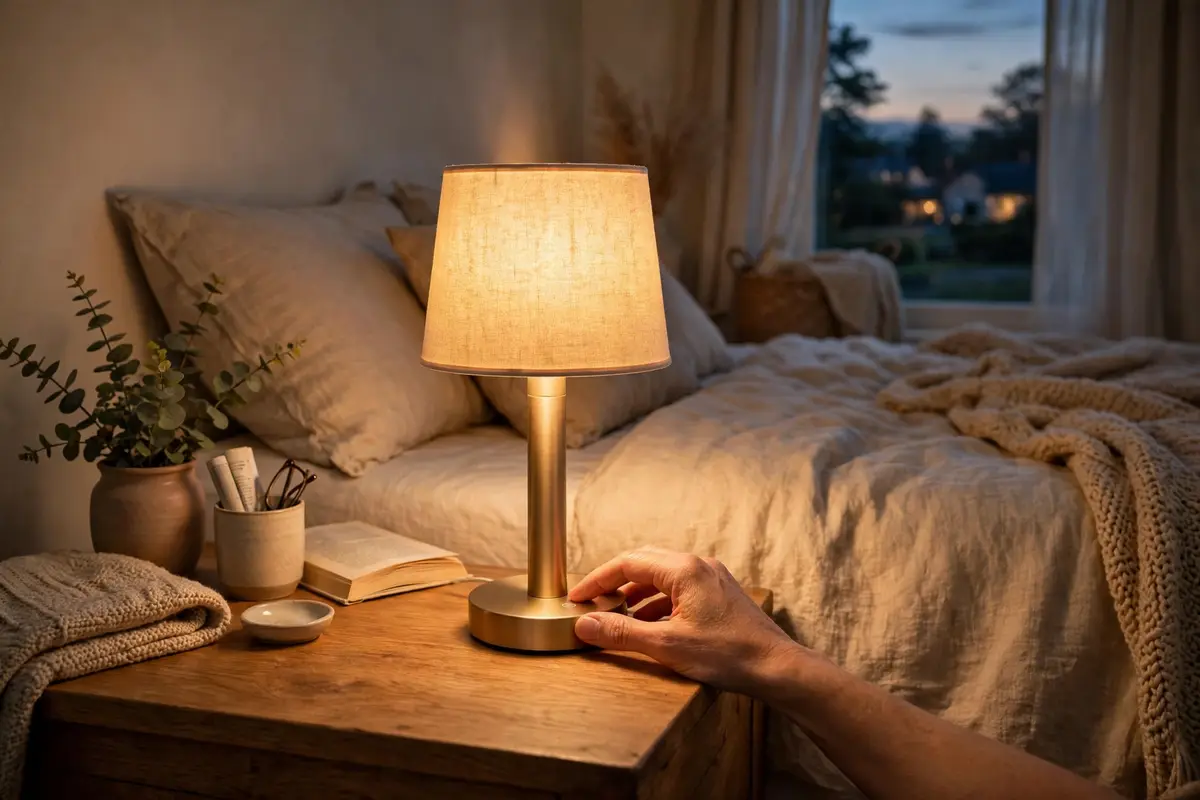
Yes, touch lamps are safe in most homes when you use them well. They use low-voltage power and produce little heat with LED bulbs. Still, check cords often, keep lamps dry, and keep them from small hands. A lamp with damage or a frayed cord needs repair or replacement fast.
In This Guide
- Introduction
- Are Touch Lamps Safe? The Quick Answer
- How Do Touch Lamps Work?
- Types of Touch Lamps
- Key Takeaways
- What Are the Real Risks?
- How to Use a Touch Lamp Safely
- Are Touch Lamps Safe for Children?
- Are Touch Lamps Safe for Pets?
- Are Touch Lamps Safe for Plants?
- Are Touch Lamps Safe to Leave On Overnight?
- Touch Lamps and LED Bulbs
- Frequently Asked Questions
- Are Touch Lamps Safe? Our Final Word
How Do Touch Lamps Work?
A touch lamp senses your finger through a small built-in sensor. The sensor sits in the base or stem, where your hand rests. One light tap changes the field, and the lamp turns on. A second tap can dim the light or switch it off. If you are new to them, start with what a touch lamp is first.
Most modern touch lamps use a capacitive touch sensor for this job. Your body holds a tiny charge, and the sensor feels that change. That’s why a light touch works, with no firm press needed. You can read more about how touch lamps work in our full guide.
Some taps change brightness, not just power, on many lamps. Low light suits late nights, while bright light suits reading. That range helps one lamp serve many rooms and moods. Check your lamp first, since brightness steps vary by model.
Capacitive Touch Sensors
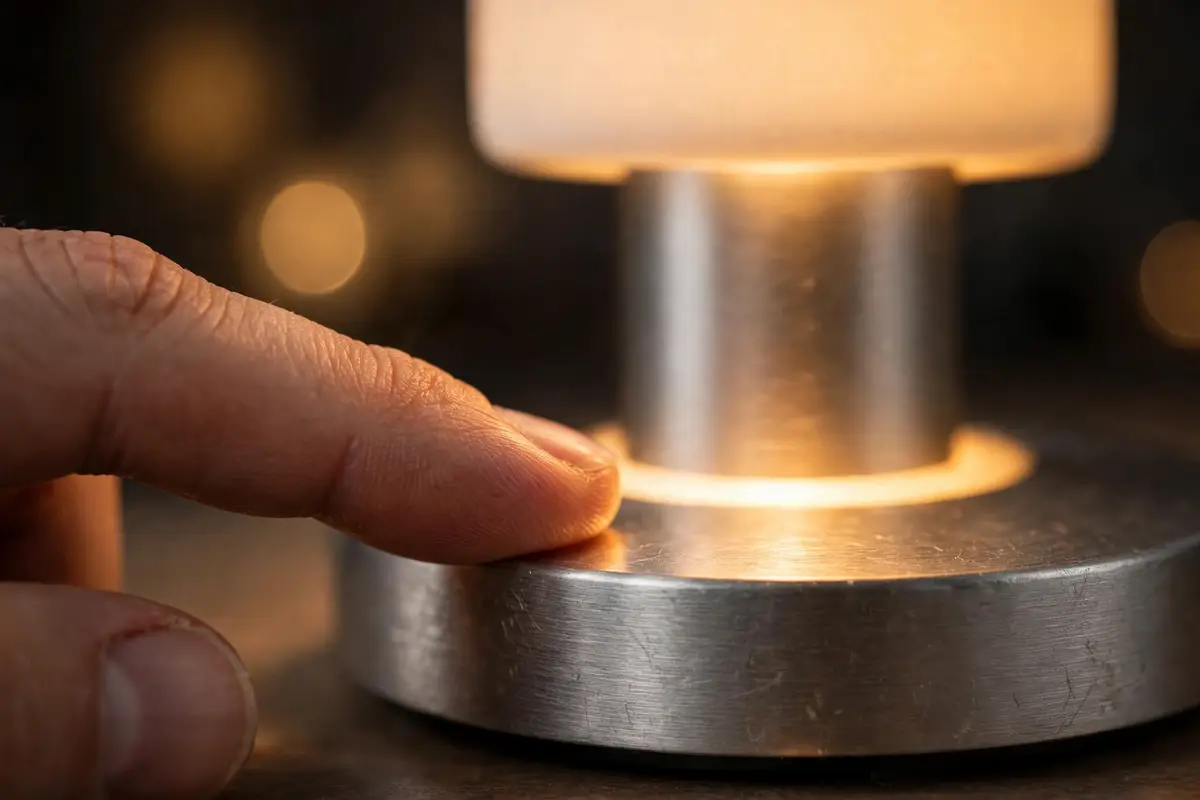
A capacitive touch sensor builds a small electric field on the surface. Your finger breaks that field, and the lamp reacts at once. Most new lamps use this type because it feels quick and smooth.
Resistive Touch Sensors
A resistive touch sensor uses two thin layers with a small gap. Your press joins the layers, and that closes the circuit. These lamps need a firmer touch, so they feel less quick.
Types of Touch Lamps
Two main types exist, and each one works in its own way. Capacitive lamps react to a light tap, while resistive lamps need a press. The table below shows how they compare side by side.
| Sensor type | How it works | Touch needed |
|---|---|---|
| Capacitive touch sensor | Surface field breaks when a finger nears | Light tap |
| Resistive touch sensor | Two layers join when pressed | Firm press |
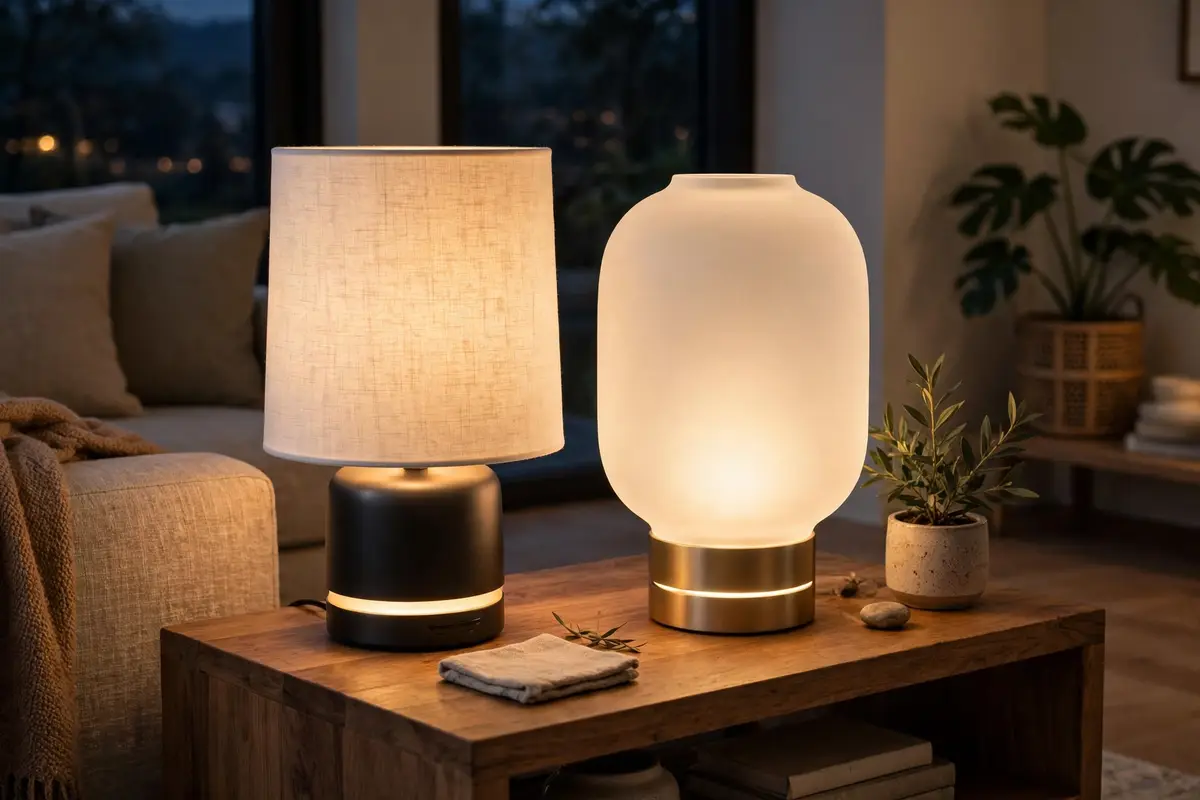
Most lamps sold today use capacitive sensors, so expect a light tap. Older or cheaper lamps may use resistive sensors instead. Either type is safe when the lamp is sound and used well.
Pick capacitive lamps when you want a quick, light tap. Pick resistive lamps when you want fewer false switches. Both types need the same care with cords, water, and heat. Your room and your habits should guide the final pick.
Key Takeaways
- Touch lamps are safe in most homes when used with care.
- Low-voltage power and LED bulbs keep heat and risk low.
- Check cords often and replace any lamp that shows damage.
- Keep lamps dry, stable, and out of reach of small children.
- A timer lamp can switch itself off, but not every lamp has one.
What Are the Real Risks?
Touch lamps are safe in most cases, yet a few risks deserve care. Heat, damage, and bad placement cause most of the trouble. None of these risks means you must throw your lamp away. They mean you should know the risks and use the lamp well.
Watch for buzzing, flicker, or a smell of hot plastic. Those signs mean the lamp needs a check right away. Unplug the lamp first, then look at the cord and base. Do not keep using a lamp that feels hot or acts odd.
Fire Risk from Overheating
A touch lamp can overheat if it stays on for very long. Long hours of heat raise the touch lamp fire risk at home. A lamp with a built-in timer can switch off before heat builds.
Electric Shock Risk
Touch lamps use low-voltage power, which keeps shock risk low. Still, a damaged lamp or frayed cord can give a shock. Check your lamp often, and replace it at the first sign of harm. That is the main touch lamp electric shock risk in daily use.
Burns and Tipping
A hot bulb can burn skin if a child grabs the lamp. LED bulbs stay cooler, so they cut this risk a lot. A tall lamp can tip and break, which may cause a cut.
| Risk | Main cause | Simple fix |
|---|---|---|
| Fire | Lamp left on too long | Use a timer lamp |
| Electric shock | Damaged lamp or frayed cord | Inspect and replace |
| Burns | Hot bulb touched | Use LED bulbs |
| Tipping and cuts | Tall lamp knocked over | Place on a stable base |
How to Use a Touch Lamp Safely
Safe use starts with five small habits from the original guide. Each habit is easy, and together they cut risk a lot. Make them part of how you place and use your lamp.
| Safety check | What to do | When |
|---|---|---|
| Cord | Look for frays or cuts | Often |
| Timer | Use a lamp with a timer | At night |
| Water | Keep the lamp far from sinks | Always |
| Bulb | Use LED bulbs | At each change |
| Placement | Keep out of reach of kids and pets | Always |
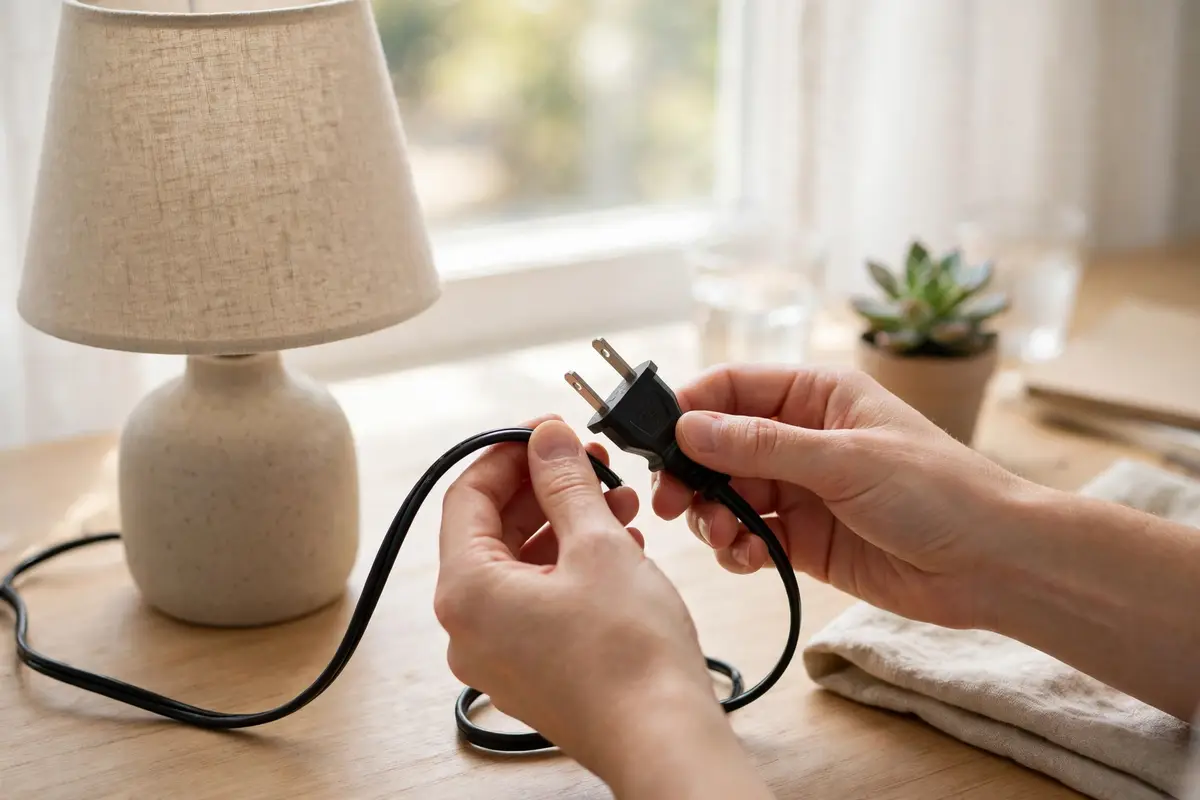
A damaged cord is the clearest sign to stop using the lamp. Do not tape a frayed cord and hope the problem goes away. Learn how to repair a touch lamp or replace it with a sound one. A sound lamp is worth more than a risky fix.
Place your lamp on a flat, stable table near your seat. Keep it far from sinks, tubs, and open water at all times. Water and power never mix, so dry hands should tap the lamp. A lamp that sits firm and dry lasts longer and stays safer.
Are Touch Lamps Safe for Children?
Parents often ask, are touch lamps safe for a child’s room? Touch lamps are safe for children in most cases, with care. They use low-voltage power and often shut off by themselves. Still, place the lamp where small hands cannot reach it.
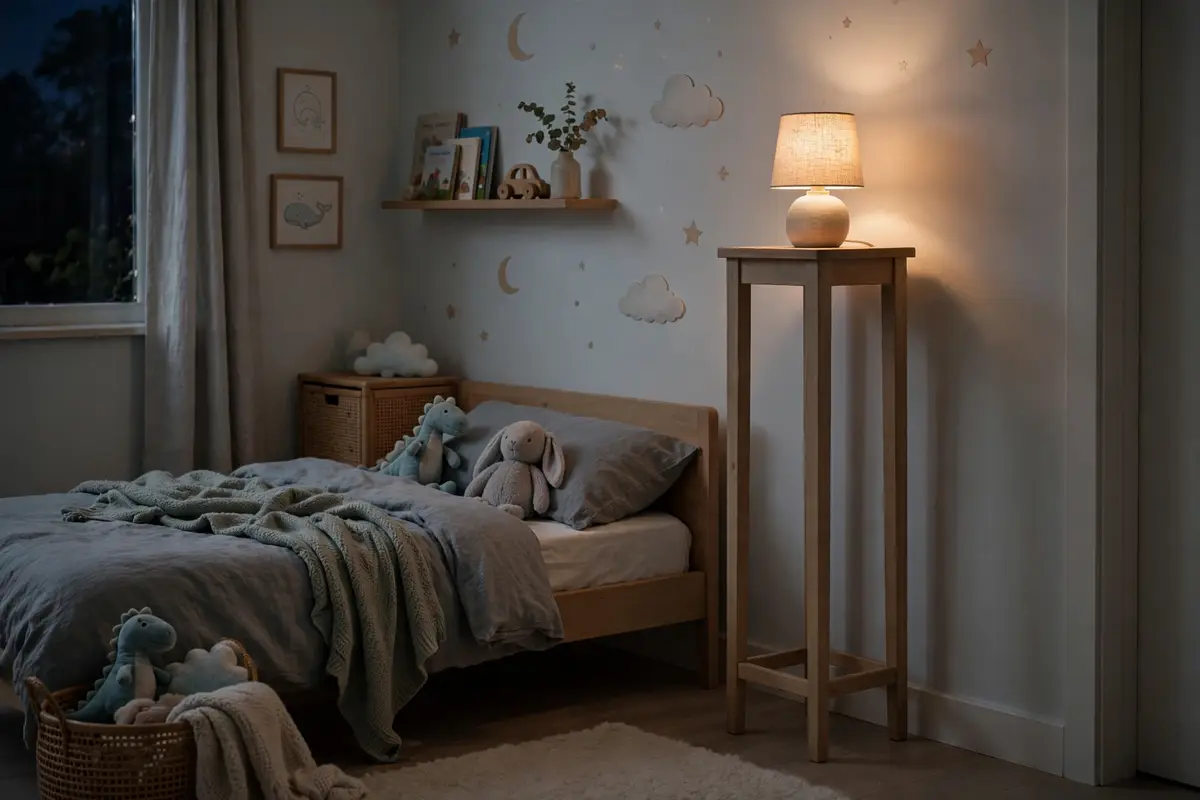
A child may grab a hot bulb, so LED bulbs are the safer pick. Keep the base steady, so the lamp cannot tip onto the floor. Teach older kids to tap the base gently, not yank the cord.
Babies need extra care, since they grab what they see. Keep the lamp high on a shelf, far from the crib. A soft night glow helps, but the bulb must stay untouched.
Are Touch Lamps Safe for Pets?
Touch lamps are safe for pets in most homes, with one watch-out. They give off no harmful UV rays and pose little shock risk. The real risk is a pet that knocks the lamp over.
Cats love warm lamps, so place yours where paws cannot reach. A heavy base helps, and a stable table stops most tipping. Check the cord too, since pets may chew cords left on the floor.
Dogs may bump lamps with tails, so give the lamp a safe spot. A wide base and a corner spot cut most knocks by far. Check cords each week if your pet likes to chew things.
Are Touch Lamps Safe for Plants?
Touch lamps are safe for plants, since they give low heat. They send out no harmful UV rays that could hurt leaves. Place the lamp near plants for soft light, with no fear.
A touch lamp will not replace sun for plants that need it. Use it for soft evening light, not as a grow light. Keep leaves clear of the bulb, so heat never builds on them.
| Who | Safe? | Main note |
|---|---|---|
| Children | Yes, with care | Keep out of reach |
| Babies | Yes, with care | Keep away from hot bulb |
| Pets | Yes, with care | Stop tipping and chewing |
| Plants | Yes | Low heat, no harmful UV |
Are Touch Lamps Safe to Leave On Overnight?
A lamp with a timer can switch itself off after a set time. That makes night use easy, since you need not wake to switch off. But not every touch lamp has a timer built into it. Check your own lamp first, and do not guess about its features.
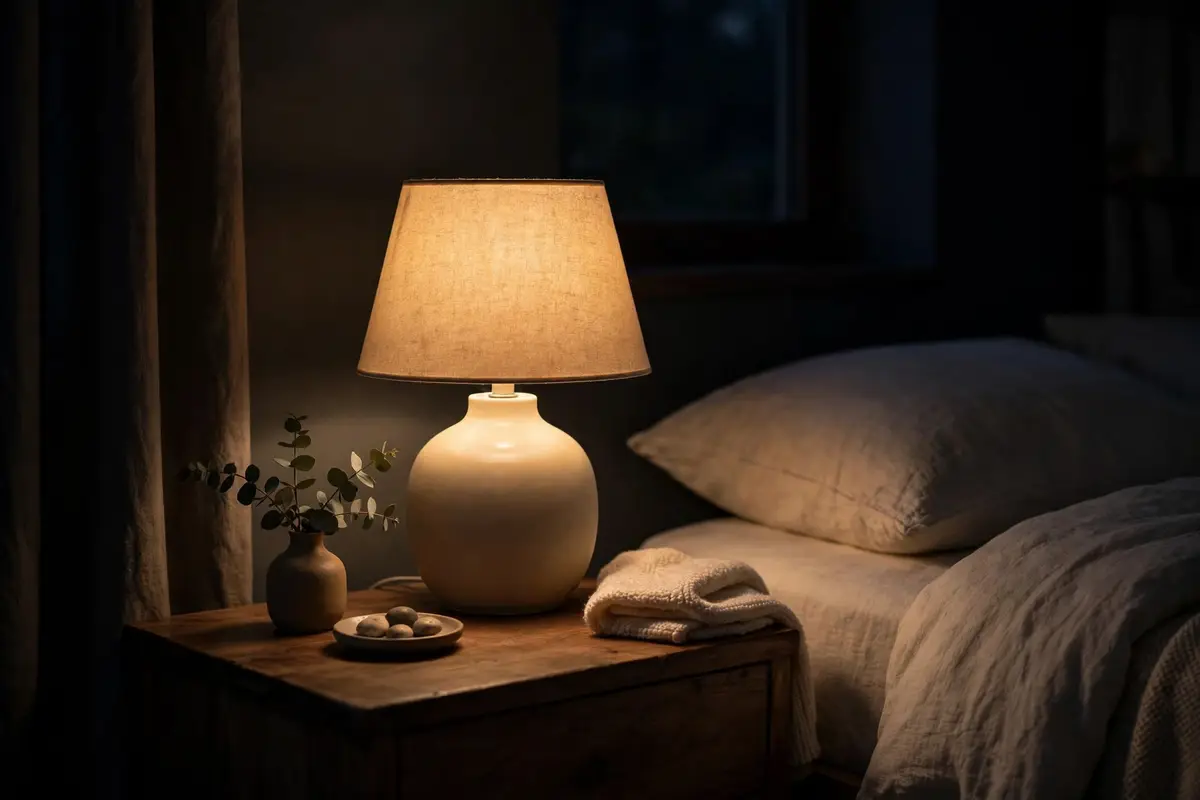
If your lamp lacks a timer, switch it off before you sleep. You can also learn about touch lamps with timers before you buy. LED bulbs help too, since they stay cooler through the night.
A cool LED bulb also helps if the lamp stays on late. Heat stays low, so the lamp feels safe through the night. Still, switch off any lamp that lacks a timer before bed.
Touch Lamps and LED Bulbs
LED bulbs are the best match for touch lamps in most homes. They use less power, last longer, and stay cool to the touch. That cool running cuts burn risk for kids, pets, and plants. Learn more about LED bulbs for touch lamps in our guide.
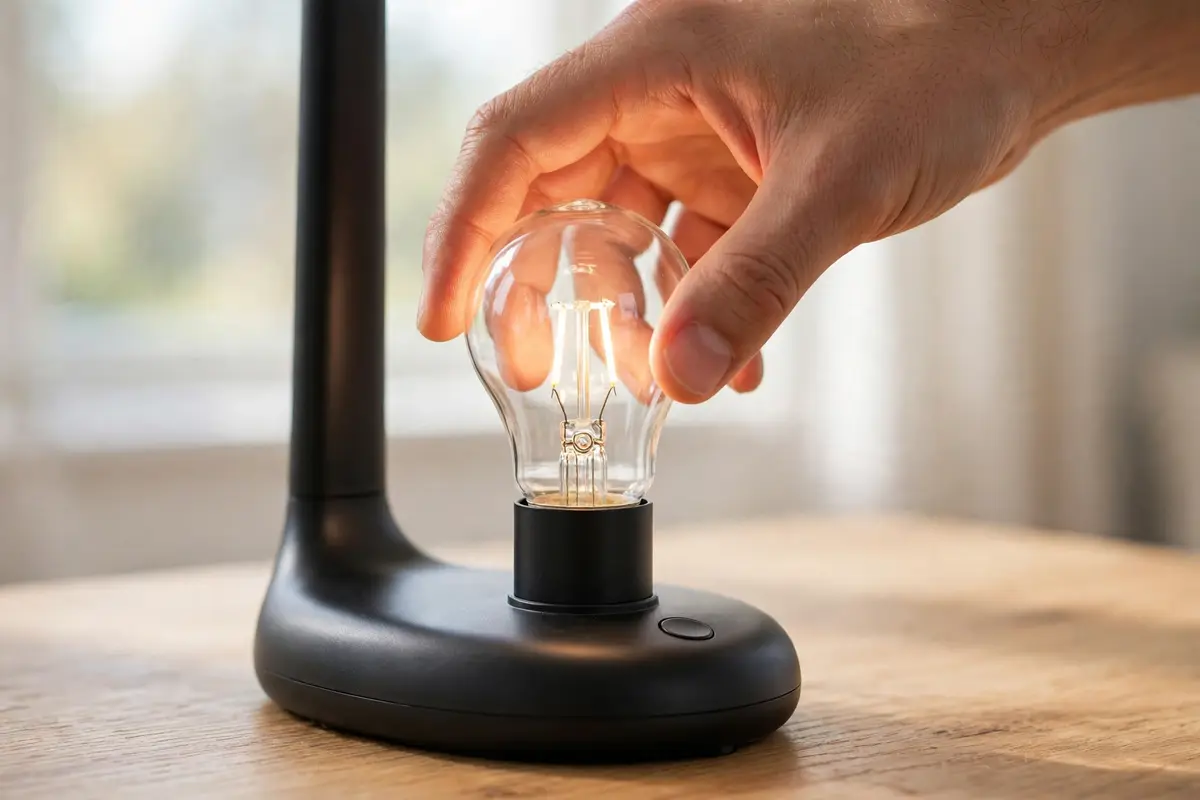
Energy-saving LED light also trims power bills over time. The ENERGY STAR guide lists LED facts for home lighting. See the ENERGY STAR lighting factsheet for the full facts.
Old bulbs run hot, so swap them for LED bulbs when you can. LED bulbs fit most touch lamps and cost less over time. Cooler bulbs also mean a safer lamp for the whole home.
Frequently Asked Questions
Are Touch Lamps Safe for Babies?
Touch lamps are safe for babies when placed with care. They give off no harmful UV rays and stay low in heat. Keep the lamp out of reach, so no small hand grabs the bulb. That is why touch lamps for babies need careful placement at home.
Can Touch Lamps Cause Cancer?
There is no scientific evidence that touch lamps cause cancer. Touch lamps use low-voltage power and give off little heat. Use them as normal, and check cords as part of safe use.
Are Touch Lamps Safe for Pets?
Touch lamps are safe for pets, since they give off no harmful UV. They pose little shock risk when the lamp and cord stay sound. Place the lamp where pets cannot knock it down or chew cords.
Do Touch Lamps Emit EMF?
Touch lamps do give off EMF, which means electromagnetic fields. The levels are very low and are not considered harmful to humans. They are safe to use in homes and offices each day. That low touch lamp EMF level is one reason these lamps feel safe.
Are Touch Lamps Safe? Our Final Word
Are touch lamps safe for your home, kids, and pets? Yes, in most cases, when you use them with care each day. Low-voltage power, LED bulbs, and a quick cord check cover most risks. Keep lamps dry, stable, and out of reach of small hands.
Pick a lamp with a timer if you want night use without worry. Replace any lamp that shows damage, and never tape a frayed cord. With those habits, touch lamp safety stays simple every day.

I’m Emily Johnson, an affiliate marketer and blogger focused on lamps and lighting. I share honest reviews, simple buying guides, and practical tips. My goal is to help readers choose the right lamp for their space, style, and budget with confidence.