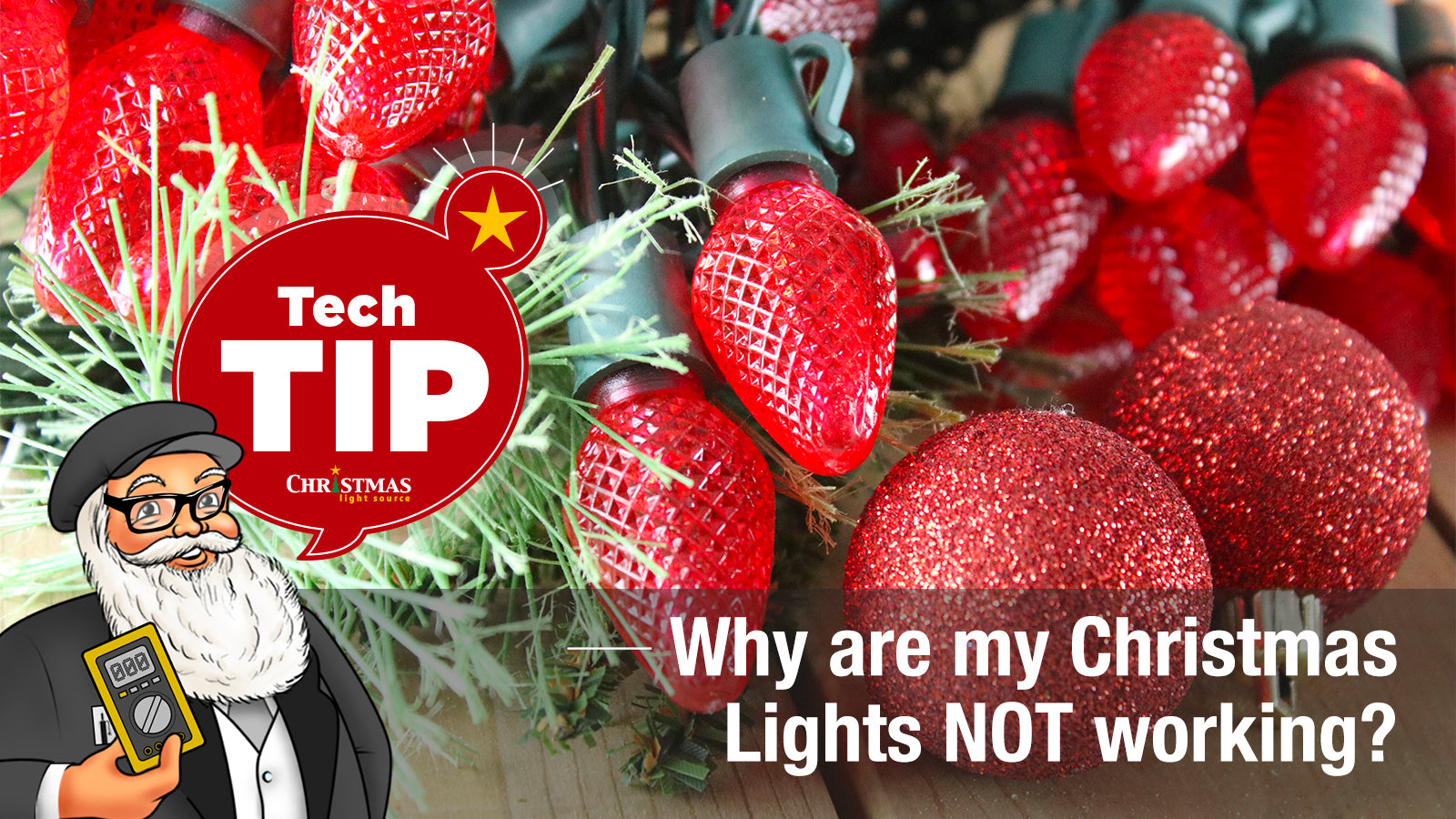
If your lamp is not working, try replacing the bulb with a new one to see if that resolves the issue. If the lamp still doesn’t turn on, check the cord for any damage or wear and ensure it is securely plugged in with no frayed or damaged wires.
Having a lamp that doesn’t work can be frustrating, but the solution may be simpler than you think. In most cases, the problem lies with either the bulb or the cord of the lamp. By following a few troubleshooting steps, you can easily identify and fix the issue.
This article will provide you with some tips to help you determine why your lamp is not working and how to resolve the problem. So, if you’re wondering why your lamp won’t turn on, read on to find out the possible causes and solutions.
Understanding Lamp Malfunctions
If your lamp is not working, start by replacing the bulb with a new one to see if that solves the issue. If it doesn’t, check the cord for any damage or wear, and make sure it is securely plugged in with no frayed or damaged wires.
Common Reasons For Lamp Malfunction And Non-working Conditions
A lamp not working can be frustrating, especially when you need it the most. Understanding the common reasons behind lamp malfunctions and non-working conditions can help you troubleshoot and fix the issue quickly. Here are some common reasons why your lamp may not be working:
- Defective or burnout bulbs: The most common reason for a lamp not working is a defective or burned out bulb. Try replacing the bulb with a new one that matches the specifications of your lamp.
- Issues with the power cord: Check the lamp’s power cord for any damage or wear. Make sure it is securely plugged into a working power outlet, and there are no frayed or damaged wires.
- Faulty switches: A faulty switch can cause the lamp to not turn on. Check if the switch is functioning properly and not damaged.
- Faulty socket: A faulty socket can prevent the bulb from making proper contact and cause the lamp to not work. Inspect the socket for any visible damage or loose connections.
- Faulty wiring: Wiring issues can also be responsible for lamp malfunctions. Examine the wiring inside the lamp for any loose or disconnected wires.
- Other electronic failures: In some cases, lamps may experience electronic failures, such as a malfunctioning ballast or capacitor. These issues may require professional repair.
Importance Of Troubleshooting To Identify The Root Cause
Troubleshooting is crucial when it comes to identifying the root cause of lamp malfunctions. By following a systematic troubleshooting process, you can save time and money by pinpointing the exact issue and potentially fixing it yourself. Here’s why troubleshooting is important:
- Saves time and money: By troubleshooting, you can avoid unnecessary expenses of buying new lamps or seeking professional help for minor issues.
- Ensures safety: Identifying and fixing electrical faults in your lamp can prevent safety hazards, such as short circuits or electrical shocks.
- Eases DIY repairs: Troubleshooting helps you narrow down the potential causes and provides a clear direction for repairing the lamp yourself.
- Increases overall knowledge: Understanding the different components and functions of a lamp during troubleshooting enhances your knowledge of electrical systems.
Basic Knowledge Of Lamp Components And Their Functions
Having a basic understanding of lamp components and their functions is essential for effective troubleshooting. Here are the key components of a lamp:
| Component | Function |
|---|---|
| Bulb | Produces light when electricity passes through its filament. |
| Power Cord | Connects the lamp to the power source and supplies electricity. |
| Switch | Controls the flow of electricity to the bulb. |
| Socket | Holds the bulb in place and facilitates the electrical connection. |
| Wiring | Transfers electricity from the power cord to the bulb and other components. |
Understanding the role of these components will help you identify potential issues and troubleshoot the lamp more effectively.
Credit: www.nytimes.com
Checking And Replacing The Bulb
When your lamp refuses to turn on, one of the first troubleshooting steps you should take is checking the bulb. The bulb is often the culprit behind a lamp not working, as it can burn out or become loose over time. In this section, we will discuss the importance of checking the bulb as the first troubleshooting step and the steps to replace the bulb with a new one.
Importance Of Checking The Bulb As The First Troubleshooting Step
Before delving into more complex issues that may be causing your lamp to malfunction, it’s important to check the bulb. This simple step can save you time and effort, as a faulty bulb is often the reason why a lamp doesn’t turn on. By eliminating the possibility of a burned-out or loose bulb, you can narrow down the problem and focus your troubleshooting efforts accordingly.
Steps To Replace The Bulb With A New One
Here are the steps you can follow to replace the bulb with a new one:
- Ensure the lamp is unplugged or the switch is turned off to avoid any electrical accidents.
- Locate the old bulb and gently twist it counterclockwise to remove it from the socket.
- Take the new bulb and align its base with the socket, then carefully twist it clockwise to secure it in place.
- Make sure the bulb is securely connected and properly seated in the socket.
- Plug the lamp back in or turn on the switch to test if the new bulb illuminates the lamp.
If the lamp turns on with the new bulb, it indicates that the old bulb was indeed the problem. However, if the lamp still doesn’t work, you may need to investigate other potential causes, such as a faulty power outlet or a damaged cord.
By following these steps and checking/replacing the bulb as the first troubleshooting step, you can easily diagnose and resolve the issue with your lamp. Remember to always prioritize safety when dealing with electrical appliances and consult a professional if needed.
Assessing The Cord For Damage Or Wear
When it comes to troubleshooting why your lamp is not working, one important aspect to assess is the cord. The cord plays a crucial role in the functionality of your lamp as it carries the electrical current from the power source to the bulb. Any damage or wear in the cord can disrupt this flow of electricity, resulting in your lamp not turning on or functioning properly. Therefore, it is essential to inspect the cord thoroughly to identify any issues. In the following sections, we will explore how to check the cord for visible damage or wear and how to secure the cord connection while inspecting for frayed or damaged wires.
Checking The Cord For Any Visible Damage Or Wear
Begin your assessment by visually inspecting the cord for any visible signs of damage or wear. Look for any cuts, nicks, or exposed wires along the length of the cord. Be sure to pay close attention to the areas near the plug and the lamp base, as these tend to experience greater stress and wear over time. If you spot any visible damage, it is important to address it promptly to avoid any electrical hazards.
To fix minor damage such as small cuts in the cord, you can use electrical tape to securely cover the affected area. However, for more significant damage or if you notice exposed wires, it is advisable to replace the entire cord to ensure optimal safety and functionality for your lamp.
Securing The Cord Connection And Inspecting For Frayed Or Damaged Wires
In addition to checking for visible damage, it is crucial to secure the cord connection to prevent any loose or unstable electrical connections. Ensure that the cord is securely plugged into the power outlet and that the plug is not loose or wobbly. A loose connection can result in intermittent power supply or complete lamp failure.
While inspecting the cord, be on the lookout for any frayed or damaged wires. Fraying can occur due to excessive bending, pulling, or general wear and tear. If you notice any frayed wires, it is essential to address them immediately. The best course of action is to replace the cord entirely to guarantee the safety and functionality of your lamp.
Examining The Lamp Socket And Power Outlet
When your lamp fails to turn on, the first step in troubleshooting the issue is to examine the lamp socket and power outlet. Understanding the significance of these components can help you identify faults and successfully resolve the problem. In this section, we will discuss the importance of the lamp socket and power outlet, as well as provide troubleshooting steps to identify faults and ensure functionality.
Understanding The Significance Of The Lamp Socket And Power Outlet
The lamp socket and power outlet play a crucial role in the proper functioning of your lamp. The lamp socket, also known as the bulb holder or lamp base, is the component that holds the light bulb in place and facilitates the flow of electricity to illuminate the bulb. A faulty lamp socket can prevent the bulb from receiving power, resulting in a non-functioning lamp.
The power outlet, on the other hand, is the connection point between the lamp and the electrical supply. It provides the necessary electrical current for the lamp to operate. If the power outlet is faulty or there are issues with its functionality, the lamp will not receive the required power, leading to its failure to turn on.
Troubleshooting Steps For Identifying Faults In The Lamp Socket
When examining the lamp socket, start by inspecting the metal tab inside the socket to ensure it is not lying flat across the bottom. If it is, gently bend it upward using a small tool, making sure it makes contact with the base of the light bulb. A flat metal tab can indicate a poor connection and prevents the flow of electricity to the bulb.
Next, check the socket for any signs of damage or corrosion. Look for burned or blackened areas, loose wiring, or any abnormalities that may disrupt the electrical connection. If you notice any issues, it may be necessary to replace the lamp socket to restore proper functionality.
Checking The Power Outlet For Functionality And Potential Issues
To check the power outlet, start by ensuring that it is securely plugged into a functioning electrical outlet. Sometimes, the plug may become loose over time, resulting in a poor connection. Insert the plug firmly to ensure it is making a proper contact.
Next, inspect the outlet for any signs of damage, such as cracks, burn marks, or discoloration. These can be indicators of electrical problems and should be addressed immediately. If you notice any issues with the outlet, it is recommended to consult a licensed electrician to resolve the problem safely.
Additionally, you can test the functionality of the power outlet by plugging in a different electrical device to see if it works. If the device operates normally, it indicates that the outlet is functioning correctly. However, if the device fails to work, it suggests a problem with the outlet itself, requiring further investigation or professional assistance.
By examining the lamp socket and power outlet, you can take the first steps in troubleshooting why your lamp is not working. Identifying faults in these components and addressing them accordingly can help restore the functionality of your lamp and ensure it illuminates your space once again.
Additional Troubleshooting Tips And Techniques
If your lamp is still not working after trying the basic troubleshooting methods mentioned earlier, you may need to dig deeper to find the root cause of the issue. Here are some advanced troubleshooting methods for persistent lamp malfunctions:
Advanced Troubleshooting Methods For Persistent Lamp Malfunctions
- Check the socket: Inspect the socket for any signs of damage or loose connections. Ensure that the metal tab inside the socket is not lying flat across the bottom, as this could prevent the flow of electricity. Use a multimeter to test the continuity of the socket and determine if it is functioning properly.
- Inspect the power outlet: Sometimes, the problem lies with the power outlet rather than the lamp itself. Try plugging the lamp into a different outlet to see if it works. If not, consider using a multimeter to test the outlet for any electrical issues.
- Examine the switch: Faulty switches can cause lamps to stop working. Carefully inspect the switch for any signs of damage, such as loose connections or burnt-out components. If necessary, replace the switch to see if it resolves the problem.
- Test the wiring: In some cases, faulty or damaged wiring can be the culprit behind a non-working lamp. Carefully examine the cord for any frayed or exposed wires. If you spot any issues, consider replacing the cord or seeking professional help.
If none of these advanced troubleshooting methods yield a solution, it may be time to consult an expert or professional for complex lamp repairs. Some problems may require the expertise of an electrician or lamp repair specialist to properly diagnose and fix. They have the knowledge and tools to handle intricate electrical issues and ensure the lamp is functioning safely.
Common Problems With Light Fixtures And Solutions
Light fixtures can experience various problems that contribute to the lamp not working. Here are some common issues and their potential solutions:
| Problem | Solution |
|---|---|
| The light bulb is loose | Tighten the bulb securely in the socket to establish proper electrical contact. |
| A faulty light switch | Inspect the light switch for any damage or loose connections. If necessary, replace the switch. |
| A defective socket | If the socket is damaged or not functioning, replace it with a new one. |
| Faulty wiring | If you suspect wiring issues, consult a professional electrician to safely address and repair the wiring problem. |
Consulting An Expert Or Professional For Complex Lamp Repairs
When all else fails, it is wise to consult an expert or professional for complex lamp repairs. Experienced electricians or lamp repair specialists have the expertise and tools necessary to diagnose and fix intricate electrical problems. They can ensure the safety of your lamp and provide a lasting solution.
Remember, electrical repairs should always be handled with caution, and it is essential to prioritize your safety. If you are unsure or uncomfortable with performing lamp repairs yourself, seeking professional help is the best course of action.
Frequently Asked Questions On Why Is My Lamp Not Working
How Do You Know If A Lamp Is Broken?
To determine if a lamp is broken, try replacing the bulb with a new one and see if the lamp turns on. If the new bulb works, the old bulb was the problem. Check the cord for any damage or wear, ensure it is securely plugged in and that there are no frayed or damaged wires.
If these steps don’t fix the issue, seek professional help.
Why Is My Bulb Not Working In My Lamp?
If your bulb is not working in your lamp, try replacing it with a new one to see if the lamp turns on. Check the cord for any damage and make sure it is securely plugged in. If the problem persists, there may be an issue with the fixture, cord, outlet, or switch.
What Can Cause Light To Go Out Of A Lamp?
The light bulb may go out due to a faulty power supply, loose bulb connections, or loose wiring. Ensure the bulb is tightly screwed in and check the socket for any issues. If the problem persists, there may be an electrical issue that requires professional assistance.
Conclusion
If you’re wondering why your lamp is not working, there are a few troubleshooting steps you can follow. First, try replacing the bulb with a new one to rule out any bulb-related issues. If that doesn’t solve the problem, check the cord for any damage or wear.
Ensure that it is securely plugged in and that there are no frayed or damaged wires. By following these steps, you can fix common lamp issues and have your lamp working again in no time.

I’m Emily Johnson, an affiliate marketer and blogger focused on lamps and lighting. I share honest reviews, simple buying guides, and practical tips. My goal is to help readers choose the right lamp for their space, style, and budget with confidence.