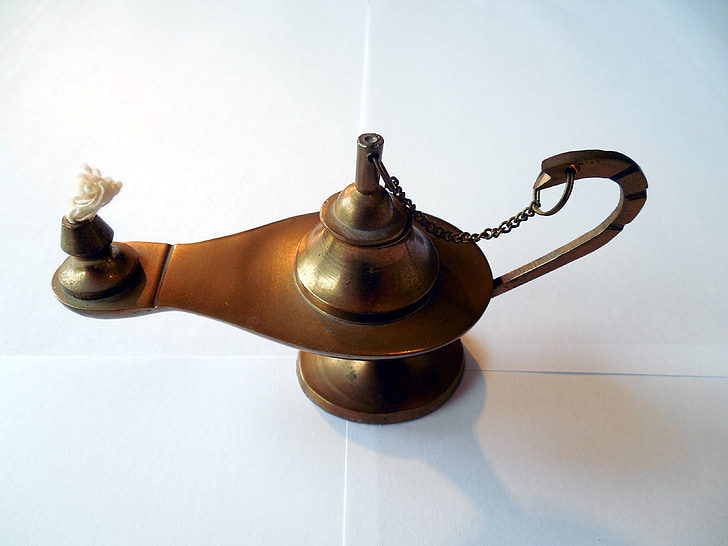
Are you tired of struggling with an oil lamp that emits a weak and flickering flame? Look no further, as we unravel the secrets of trimming an oil lamp wick to perfection. As a writer with years of experience, I understand the frustration that comes with a poorly trimmed wick, which can not only affect the efficiency of your lamp but also pose a fire hazard. In this guide, we will take you step by step through the process of trimming an oil lamp wick, ensuring that you achieve a clean, steady flame that illuminates your space with a warm and inviting glow. So, grab your scissors and let’s dive into the world of wick trimming!
Firstly, let’s understand the importance of a well-trimmed wick. A properly trimmed wick not only enhances the overall performance of your oil lamp but also lengthens its lifespan. By removing the excess charred portion, you allow the fresh wick to absorb the oil efficiently, resulting in a brighter and more consistent flame. Moreover, a well-trimmed wick reduces the likelihood of smoke and soot, preventing any unwanted residue from tarnishing your lamp or polluting your indoor air quality.
Now that we have established the significance of trimming an oil lamp wick, let’s move on to the practical steps involved in achieving that perfect flame. From the tools you’ll need to the proper technique, this guide will equip you with all the knowledge necessary to master the art of wick trimming. So, if you’re ready to transform your oil lamp from a lackluster lighting source to a radiant centerpiece, let’s embark on this enlightening journey together!
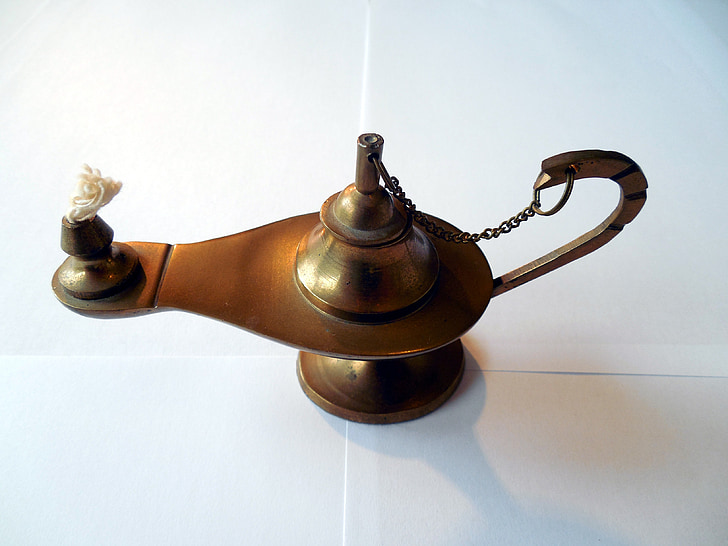
Source: pickpik.com
How to Trim an Oil Lamp Wick: Step-by-Step Guide
Welcome to our step-by-step guide on how to trim an oil lamp wick. Properly trimming the wick is essential for maintaining the functionality and safety of your oil lamp. In this article, we will walk you through the process, providing detailed information and instructions to ensure a successful trimming. Follow these steps to keep your oil lamp burning brightly and efficiently.
Step 1: Prepare the Lamp
Before you begin trimming the wick, make sure the lamp is turned off and has completely cooled down. This is important to avoid any accidents or burns. Remove the chimney or cover of the lamp to gain access to the wick.
Next, inspect the wick for any signs of damage or excessive carbon buildup. If the wick is frayed, discolored, or has a large amount of carbon deposits, it is time to trim it. Trimming the wick will help it burn evenly and prevent the flame from producing excessive smoke or soot.
Step 2: Gather the Tools
For this task, you will need a pair of sharp scissors or wick trimmers. It is important to use a tool specifically designed for trimming wicks to ensure a clean and precise cut. Avoid using dull or improper tools, as they may result in an uneven or damaged wick.
Additionally, keep a small container or a piece of paper nearby to collect the trimmed wick. This will prevent the trimmed pieces from falling into the lamp and causing clogs or blockages.
Step 3: Trim the Wick
Hold the wick upright with one hand and use the scissors or wick trimmers with the other hand to cut off the burnt or excess part of the wick. Aim to trim the wick to a length of approximately 1/4 inch (0.6 cm). Cutting it too short may result in a weak or unstable flame, while leaving it too long can cause excessive smoke and soot.
Make sure to cut the wick straight across, avoiding any jagged or angled cuts. This will help the wick burn evenly and prevent it from becoming clogged or obstructed. Remove the trimmed wick from the lamp and dispose of it properly.
Step 4: Reassemble and Test
After trimming the wick, carefully reassemble the lamp by placing the chimney or cover back in position. Ensure it is securely in place to prevent any accidents or fire hazards.
Finally, light the lamp and observe the flame. If the wick was trimmed correctly, the flame should be steady, bright, and without excessive smoke or soot. If you notice any issues, repeat the trimming process or consult the manufacturer’s instructions for further troubleshooting.
Step 5: Maintenance Tips
To keep your oil lamp wick in optimal condition, it is recommended to trim it before each use or as needed. Regularly removing any carbon buildup or debris will help prolong the life of the wick and ensure a clean and efficient burn.
Additionally, be sure to clean the lamp and replace the oil regularly to prevent any buildup or contamination that could affect the wick’s performance. Following these maintenance tips will help you enjoy the warm and cozy glow of your oil lamp for years to come.
Frequently Asked Questions
Here are some commonly asked questions about trimming an oil lamp wick:
How often should I trim my oil lamp wick?
It is recommended to trim your oil lamp wick every time before you light it. Trimming the wick ensures that it burns evenly and efficiently. Over time, the wick can become clogged with carbon deposits, which can affect the quality of the flame. Regular trimming helps to remove these deposits and keeps the wick in optimal condition.
Additionally, if you notice that the flame is flickering, producing excessive soot, or not burning as brightly as before, it may be an indication that the wick needs to be trimmed. Keeping the wick properly trimmed will help maintain a clean and steady flame.
How do I trim an oil lamp wick?
Trimming an oil lamp wick is a simple process. Start by extinguishing the flame and allowing the wick to cool down completely. Once cooled, use a pair of sharp scissors or a wick trimmer to cut the charred portion of the wick. It is recommended to trim the wick to approximately 1/8 to 1/4 inch in length.
Make sure to remove any trimmed wick debris from the lamp to prevent it from interfering with the flame. Avoid trimming the wick too short, as it may result in a smaller flame or difficulty in lighting the lamp. Regularly cleaning and trimming the wick will help prolong the life of your oil lamp.
What happens if I don’t trim my oil lamp wick?
If you neglect to trim your oil lamp wick regularly, it can lead to several issues. Firstly, an untrimmed wick can produce a large, flickering flame, which may result in excessive soot and smoke. This can cause blackening of the lamp chimney or surrounding surfaces and affect the quality of light produced.
In addition, an untrimmed wick may also cause the lamp to burn inefficiently, resulting in the lamp using up more oil than necessary. The excess carbon deposits on the wick can also lead to a shorter burn time and an unpleasant odor. Regularly trimming the wick helps to prevent these problems and ensures a clean, steady flame.
Can I trim the wick while the lamp is still lit?
No, it is not safe to trim the wick while the lamp is still lit. Trimming the wick requires the wick to be cool and not actively burning. Attempting to trim a lit wick can result in burns or accidental fires. Always make sure to extinguish the flame and allow the wick to cool down completely before trimming it.
It is also advisable to remove the chimney or shade of the lamp when trimming the wick, as this provides better access and prevents any accidental damage to the lamp or surrounding area. Safety should always be the top priority when handling oil lamps.
Can I reuse the trimmed wick from my oil lamp?
It is generally not recommended to reuse trimmed wicks from oil lamps. The trimmed portion of the wick has already been exposed to burning and carbon deposits, which can affect its performance and efficiency. Using a fresh, untrimmed wick ensures the best possible flame quality and burn time.
Trimmed wicks can also be frayed or damaged, which may lead to uneven burning or difficulty in lighting the lamp. It is best to replace the wick with a new one when necessary. Wick replacements are typically inexpensive and readily available, ensuring that your oil lamp continues to provide reliable illumination.

Source: staticflickr.com
Final Words:
In conclusion, learning how to trim an oil lamp wick is a valuable skill for anyone who owns or uses oil lamps. By properly trimming the wick, you can ensure a clean and efficient burn, prolonging the life of your lamp and enhancing its performance.
Remember to always follow safety guidelines and use the appropriate tools when trimming the wick, such as a pair of sharp scissors or a wick trimmer. With a little practice and attention to detail, you’ll be able to maintain a beautiful and functional oil lamp that provides a warm and inviting glow in any space.
So, don’t let a long or uneven wick dim your enjoyment of your oil lamp. Take the time to trim it regularly, adjusting the length to achieve the desired flame height and preventing any excess smoke or soot. Embrace the art of trimming, and you’ll discover the simple pleasure and satisfaction that comes from mastering this essential maintenance technique. With a well-trimmed wick, your oil lamp will continue to bring both light and ambiance to your home for years to come.

I’m Emily Johnson, an affiliate marketer and blogger focused on lamps and lighting. I share honest reviews, simple buying guides, and practical tips. My goal is to help readers choose the right lamp for their space, style, and budget with confidence.