
In a world that is becoming increasingly reliant on electricity, there is something incredibly captivating about the soft, flickering glow of an oil lamp. It evokes a sense of nostalgia, harking back to a simpler time when the warm, gentle light illuminated our homes. But what if you could create your own oil lamp wick, allowing you to experience this timeless beauty whenever you desire?
In this guide, we will dive into the art of crafting your own oil lamp wick, bringing a touch of enchantment into your home. Whether you are a seasoned DIY enthusiast or a curious beginner, we will take you step by step through the process, ensuring that you have all the necessary
knowledge and tools to embark on this captivating project. So, let’s delve into the world of oil lamps, as we unravel the secrets of creating a wick that will bring warmth and ambiance to your space like never before.

Source: wikimedia.org
How To Make Your Own Oil Lamp Wick at Home
Oil lamps have been used for centuries as a reliable source of light. While the convenience of electric lighting has taken over in most households, there is still something charming and nostalgic about the flickering glow of an oil lamp.
One important component of an oil lamp is the wick, which draws up the oil to produce the flame. Making your own oil lamp wick is a simple and cost-effective way to keep your oil lamp burning bright. In this article, we will guide you through the step-by-step process of making your own oil lamp wick.
Step 1: Gather the Materials
Before you start making your oil lamp wick, gather all the necessary materials. You will need cotton fabric, scissors, a ruler or tape measure, and a needle with thread. The cotton fabric should be tightly woven and free from any synthetic fibers or chemical treatments. Natural materials like cotton or linen work best as they absorb the oil efficiently. Once you have everything ready, you can move on to the next step.
Step 2: Measure and Cut the Fabric
Take the cotton fabric and measure the desired length of your oil lamp wick. The length will depend on the size of your oil lamp, but a general guideline is to make it about twice the height of the oil lamp’s wick holder. Use the ruler or tape measure to ensure accurate measurements. Once you have determined the length, cut the fabric using the scissors. Make sure to cut it in a straight line to ensure even burning.
Step 3: Fold and Sew the Fabric
Now it’s time to fold and sew the fabric to create the wick. Take one end of the fabric and fold it over about half an inch. Press the folded edge firmly with your fingers to create a crease. Then, using the needle and thread, sew a straight line along the folded edge to secure it in place. This will prevent the fabric from unraveling. Repeat this process on the other end of the fabric as well.
Step 4: Trim the Wick
After sewing both ends, trim any excess fabric that may be sticking out. You want your oil lamp wick to fit snuggly into the wick holder without any loose threads hanging out. Use the scissors to carefully cut off any excess fabric, ensuring a clean and tidy finish.
Step 5: Soak the Wick
Before using your homemade oil lamp wick, it’s important to soak it in oil. This helps the fabric absorb the oil and ensures a steady and consistent flame. Fill a small container with lamp oil and carefully place the wick inside. Allow the wick to soak for at least 15 minutes, ensuring it is fully saturated. Once soaked, remove the wick from the oil and gently squeeze out any excess.
Step 6: Insert the Wick
Finally, it’s time to insert your homemade oil lamp wick into the wick holder of your oil lamp. Carefully push the wick into the holder, ensuring it is centered and secure. Leave a small portion of the wick exposed above the holder to light it easily. Once inserted, light the wick and enjoy the warm and ambient glow of your own oil lamp.
Step 7: Maintenance
Remember to trim the wick as needed to maintain a clean and efficient burn. Over time, the wick may become charred or dirty, affecting the quality of the flame. Regularly trim the charred portion and replace the wick when necessary to keep your oil lamp burning brightly.
Step 8: Safety Precautions
When using an oil lamp, it is important to exercise caution and follow safety guidelines. Never leave a burning oil lamp unattended and keep it away from flammable materials. Always ensure proper ventilation in the room and never use the lamp in an enclosed space. Additionally, be careful when handling the lamp oil and avoid any spills or direct contact with the skin.
Step 9: Experiment and Enjoy
Now that you know how to make your own oil lamp wick, feel free to experiment with different fabric materials and sizes to find what works best for your oil lamp. Enjoy the cozy and timeless ambiance that an oil lamp brings to your living space, whether it’s for a special occasion or simply to create a peaceful atmosphere.
Step 10: Share Your Knowledge
If you found this guide helpful, share your newfound knowledge with others who may be interested in making their own oil lamp wick. Spread the joy of creating something practical and beautiful while keeping the tradition of oil lamps alive.
Frequently Asked Questions
Here are some commonly asked questions about how to make your own oil lamp wick:
How do I make my own oil lamp wick?
To make your own oil lamp wick, you will need some cotton twine or string, scissors, and vegetable oil. Start by cutting the cotton twine to the desired length, making sure it is long enough to reach the bottom of your oil lamp. Next, soak the twine in vegetable oil for a few minutes to allow it to absorb the oil. After soaking, remove the twine from the oil and let any excess oil drip off. Your homemade oil lamp wick is now ready to use!
It’s important to note that using a cotton wick is recommended as it burns more evenly and produces less smoke. Additionally, be sure to trim the wick to about 1/4 inch before each use to prevent excessive smoke and ensure proper burning.
What type of oil should I use for my oil lamp wick?
For your oil lamp wick, it is best to use a clean-burning, odorless oil such as vegetable oil, olive oil, or lamp oil. These oils are readily available and will provide a steady, reliable burn. Avoid using oils with strong odors or high levels of impurities, as they can produce unpleasant smells and smoke.
It’s also important to note that different oils may have different burn times and may produce varying amounts of light. Experimenting with different oils can help you find the one that best suits your needs and preferences.
How long will a homemade oil lamp wick burn?
The burn time of a homemade oil lamp wick can vary depending on factors such as the type of oil used, the length and thickness of the wick, and the size of the oil lamp container. On average, a properly made oil lamp wick can burn for several hours before needing to be trimmed or replaced.
However, it’s important to never leave an oil lamp unattended while it is lit. Always make sure to extinguish the flame before leaving the room or going to sleep to prevent any accidents or fire hazards.
Can I reuse a homemade oil lamp wick?
While it is possible to reuse a homemade oil lamp wick, it is generally recommended to replace it after a few uses. Over time, the wick may become clogged with residue or charred, which can affect its burning efficiency. Additionally, a worn-out wick may produce more smoke or have a shorter burn time.
To ensure optimal performance and safety, it is best to replace the wick periodically or when signs of deterioration are observed. Regular maintenance and replacement of the wick will help ensure a clean, efficient burn and extend the lifespan of your oil lamp.
Are there any safety precautions to consider when using an oil lamp wick?
Yes, there are a few safety precautions to keep in mind when using an oil lamp wick. Firstly, always place the lamp on a stable surface away from flammable materials and out of reach of children or pets. Ensure there is proper ventilation in the room to prevent a buildup of fumes.
When lighting the oil lamp, use a long-reach lighter or match to avoid burning yourself. Never pour oil into a lit lamp or attempt to refill it while it is still hot. Always allow the lamp to cool before handling or refilling. Lastly, never leave the lamp unattended while it is lit and make sure to extinguish the flame before leaving the room or going to sleep.
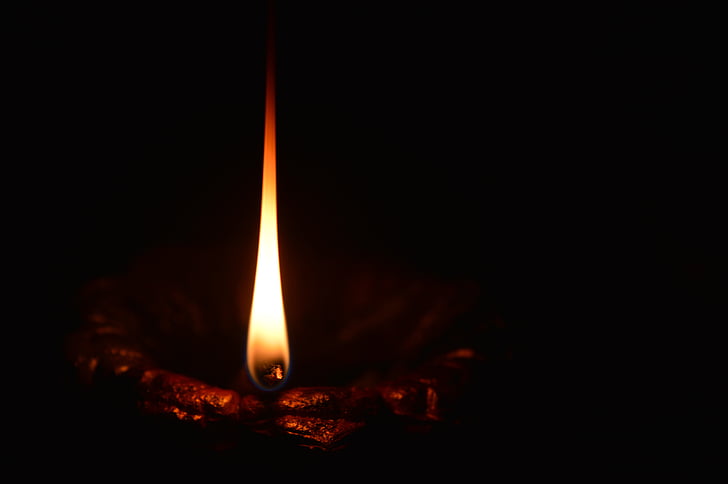
Source: pickpik.com
Final Words:
In conclusion, learning how to make your own oil lamp wick opens up a world of possibilities for lighting and ambiance in your home. With just a few simple materials and a bit of creativity, you can create a unique and personalized lighting solution that adds warmth and charm to any space. By understanding the different types of wick materials and their characteristics, you can customize your oil lamp wick to suit your preferences and needs.
Not only is making your own oil lamp wick a cost-effective alternative to purchasing pre-made wicks, but it also allows you to exercise your creativity and resourcefulness. Whether you prefer a traditional cotton wick or want to experiment with alternative materials like fiberglass or hemp, the process of making your own wick is an enjoyable and rewarding experience.
So, why settle for ordinary lighting when you can craft your own oil lamp wick and infuse your home with a touch of rustic elegance? Give it a try and brighten up your space in a truly unique way.

I’m Emily Johnson, an affiliate marketer and blogger focused on lamps and lighting. I share honest reviews, simple buying guides, and practical tips. My goal is to help readers choose the right lamp for their space, style, and budget with confidence.