
To attach a thermostat to a heat lamp, anchor the temperature probe inside the enclosure near the heat source, and plug the thermostat into an outlet. Ensure the temperature is monitored consistently inside the enclosure for optimal reptile habitat conditions.
If you’re a pet owner looking to provide the perfect environment for your reptile or amphibian, you may be considering using a heat lamp with a thermostat. Controlling the temperature in your pet’s habitat is essential for their health and well-being. But how exactly do you attach a thermostat to a heat lamp? In this blog post, we’ll walk you through the step-by-step process of attaching a thermostat to a heat lamp, ensuring that your pet’s environment is just right.
Whether you’re a first-time reptile owner or have had pets for years, this guide will help you create the perfect temperature-controlled habitat for your beloved companion. So let’s get started and make sure your pet stays warm and comfortable!
Credit: www.ebay.com
Understanding Thermostats
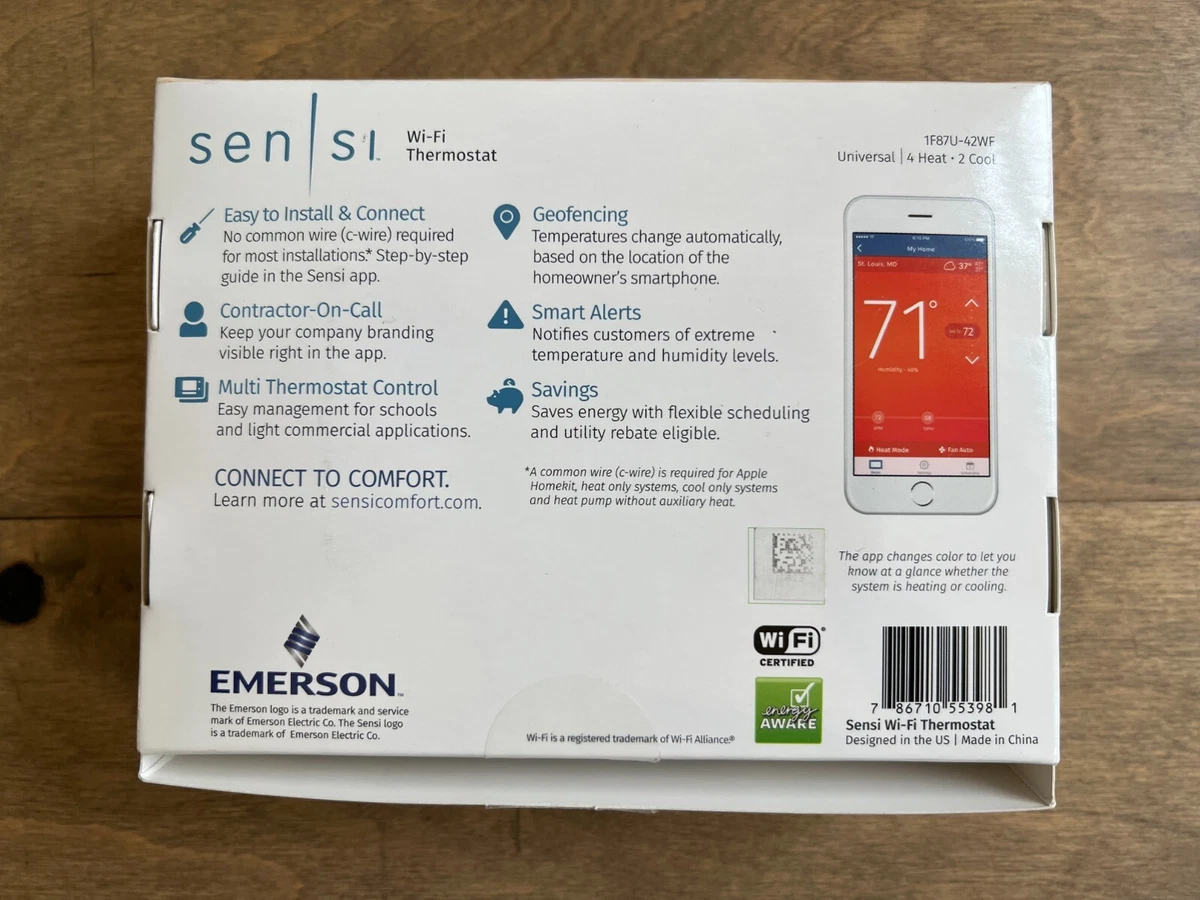
When it comes to attaching a thermostat to a heat lamp, it is crucial to understand how thermostats work and the different types available. A thermostat is a device that regulates the temperature of a heat lamp by turning it on or off based on the desired temperature settings. This ensures that the heat lamp operates efficiently and maintains a consistent temperature in the desired space.
Types Of Thermostats
There are various types of thermostats available in the market, each with its own features and benefits. Here are some commonly used thermostats:
- Mechanical Thermostats: These thermostats use a bimetallic strip or a gas-filled bellows to control the temperature. They are simple to operate and are often used in basic heating systems.
- Digital Thermostats: These thermostats provide more precise temperature control and often come with programmable features. They allow you to set different temperature profiles for specific times and days, providing flexibility and energy savings.
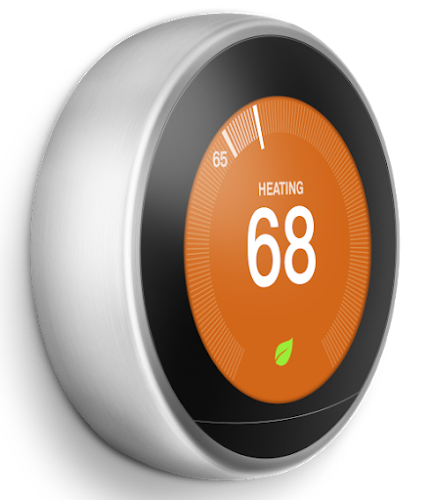
- Smart Thermostats: Smart thermostats are the latest innovation in thermostat technology. They can be controlled remotely through smartphone apps, allowing you to monitor and adjust the temperature from anywhere. Smart thermostats often come with additional features such as energy usage reports and integration with smart home systems.
Choosing The Right Thermostat
When choosing a thermostat for your heat lamp, there are a few factors to consider:
- Temperature Range: Ensure that the thermostat you choose can handle the temperature range required for your heat lamp setup. Some thermostats are specifically designed for reptile terrariums and can handle higher temperatures.
- Accuracy: Look for a thermostat that offers accurate temperature readings and precise control. This is particularly important for reptile enclosures, where temperature regulation is crucial for the well-being of the animals.
- Compatibility: Make sure the thermostat is compatible with the type of heat lamp you have. Some thermostats are designed for specific types of heat sources, such as ceramic bulbs or heat mats. Ensure that the thermostat you choose is suitable for your specific setup.
- User-Friendly Interface: Opt for a thermostat with an intuitive interface that is easy to use and understand. This will allow you to set and adjust the temperature settings without any hassle.
By understanding the different types of thermostats available and choosing the right one for your heat lamp setup, you can ensure efficient temperature regulation and create a comfortable environment for your reptiles or other heat-dependent organisms.
How to Attach Thermostat to Heat Lamp: A Step-by-Step Guide
Are you wondering how to attach a thermostat to your heat lamp? Whether you are a reptile enthusiast or simply looking to maintain a controlled temperature in your space, a thermostat is an essential tool. In this step-by-step guide, we will walk you through the process of attaching a thermostat to your heat lamp, ensuring that you can achieve the desired temperature effortlessly. Let’s get started!
Step 1: Gather The Required Materials
Before you begin, make sure you have all the necessary materials to successfully attach the thermostat to your heat lamp. Here are the items you will need:
- Heat lamp or ceramic bulb
- Thermostat control with a temperature probe
- Mounting hardware (if required)
- Electrical tape (if needed)
Step 2: Mount The Thermostat
Once you have gathered all the required materials, it’s time to mount the thermostat. Begin by finding a suitable location near your heat lamp to attach the thermostat control. Ensure that the area is well-ventilated and away from any potential sources of moisture or heat.
Depending on the type of thermostat you have, you may need to use mounting hardware such as screws or adhesive strips to securely attach the control. Follow the manufacturer’s instructions for proper installation.
Step 3: Connect The Probe
Next, you will need to connect the temperature probe to the thermostat control. The probe is responsible for measuring the temperature and sending the information to the control.
Locate the probe on your thermostat control and carefully insert it into the designated port. Ensure that the probe is securely connected, as a loose connection may interfere with accurate temperature readings.
Step 4: Set Desired Temperature
Now that you have mounted the thermostat and connected the probe, it’s time to set the desired temperature. Most thermostat controls have a temperature dial or digital display that allows you to adjust the temperature settings.
Turn the dial or use the control panel to set your desired temperature. Make sure to refer to the specific instructions provided with your thermostat control for precise temperature adjustments.
Step 5: Test The Thermostat
Before fully relying on the thermostat to control your heat lamp, it’s essential to test its functionality. This step will ensure that your setup is working correctly and that the thermostat is accurately maintaining the desired temperature.
Turn on the heat lamp and monitor the temperature readings on the thermostat control. Allow some time for the temperature to stabilize, and check if the actual temperature matches the set temperature. If there is a discrepancy, adjust the temperature settings accordingly.
However, Once the thermostat’s performance satisfies you, you can confidently rely on it to maintain the desired temperature for your heat lamp!
Troubleshooting And Tips
Properly attaching a thermostat to a heat lamp is essential for maintaining the ideal temperature in your reptile’s enclosure. However, even with proper installation, you may encounter some common issues. This section will guide you through troubleshooting these problems and provide tips to ensure proper probe placement.
Common Issues And Solutions
When it comes to attaching a thermostat to a heat lamp, there are a few common issues that may arise:
1. Inconsistent Temperature
If you notice that the temperature in your reptile’s enclosure is fluctuating or not reaching the desired level, it could indicate a problem with the thermostat. Here are a few potential solutions:
- Ensure that the thermostat is properly calibrated. Follow the manufacturer’s instructions to calibrate the thermostat accurately.
- Check the proximity of the heat source to the thermostat probe. If the probe is too far away from the heat lamp, it may not accurately measure the temperature. Adjust the probe placement to be closer to the heat source.
- Inspect the wiring connections. Loose or damaged wires can cause temperature inconsistencies. Double-check all connections and replace any damaged wires.
2. Thermostat Not Turning On or Off
If the heat lamp is not turning on or off as expected, it could indicate a problem with the thermostat’s functionality. Here are a few steps you can take:
- Check the power supply. Ensure that the thermostat is receiving power from a reliable source.
- Inspect the temperature settings. Make sure the thermostat is set to the correct temperature range.
- Reset the thermostat. Sometimes, a simple reset can fix minor issues. Refer to the manufacturer’s instructions for the proper reset procedure.
If none of the above solutions work, consider contacting the manufacturer for further assistance or consider replacing the thermostat if it is still under warranty.
Tips For Proper Probe Placement
Proper probe placement is crucial to accurately monitor the temperature in your reptile’s enclosure. Follow these tips to ensure optimal probe placement:
- Place the probe near the heat source: Position the probe as close as possible to the heat lamp without touching it. This will provide the most accurate measurement of the temperature.
- Secure the probe: Use adhesive tape or zip ties to secure the probe in place. This will prevent it from moving or coming into contact with your reptile.
- Avoid placing the probe directly on the substrate: Placing the probe directly on the substrate can lead to inaccurate temperature readings. Instead, position it in the air, between the heat source and your reptile’s basking area.
- Regularly monitor probe placement: Over time, the probe may shift or become dislodged. Regularly check the probe’s position and make adjustments if necessary.
Following these tips will help ensure that the thermostat accurately measures the temperature in your reptile’s enclosure, allowing you to provide a comfortable and safe environment for your pet.
Credit: support.google.com

Credit: www.amazon.com
Frequently Asked Questions On How To Attach Thermostat To Heat Lamp
Can I Use A Thermostat On A Heat Lamp?
Yes, you can use a thermostat on a heat lamp. On/off thermostats can be used with any heat source, but are best for ceramic bulbs or heat mats. They turn on and off as the desired temperature is reached. Dimming thermostats are the most popular and versatile option.
How Do You Hook Up A Thermostat To A Heat Mat?
To hook up a thermostat to a heat mat, first plug the heat mat into the thermostat. Then, place the temperature probe of the thermostat on top of the heat mat. Make sure the probe is secured with a clip or tape.
Finally, set the desired temperature on the thermostat and turn it on.
Do You Need A Thermostat For A Ball Python Heat Lamp?
A ball python heat lamp requires a thermostat to actively regulate and maintain the appropriate temperature in the habitat.
Where Do You Put The Probe On A Heat Lamp?
To attach a thermostat to a heat lamp, anchor the probe inside the enclosure and plug in the thermostat. Check the temperature inside the enclosure and adjust accordingly. Proper placement of the temperature probe is important for accurate temperature control.
Ensure the thermostat runs for an hour for optimal results.
Conclusion
When it comes to attaching a thermostat to a heat lamp, it is important to follow the correct steps for the safety and well-being of your reptile. By anchoring the probe and plugging in the thermostat, you can ensure that the temperature inside the enclosure is regulated effectively.
Proper temperature probe placement is crucial to accurately monitor and control the heat. By using a thermostat, you can create a comfortable and suitable environment for your reptile. Remember to let the thermostat run for an hour and periodically check the temperature to ensure optimal conditions.

I’m Emily Johnson, an affiliate marketer and blogger focused on lamps and lighting. I share honest reviews, simple buying guides, and practical tips. My goal is to help readers choose the right lamp for their space, style, and budget with confidence.