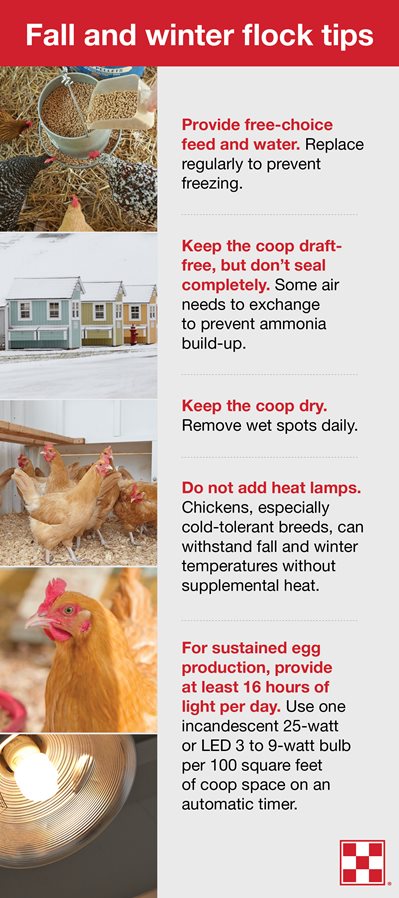
To keep an egg warm without a heat lamp, you can use alternative methods such as using a hot water bottle or wrapping the egg in a towel. These methods provide sufficient warmth to maintain the temperature needed for incubation without the use of a heat lamp.
Additionally, you can create a DIY incubator using a Styrofoam cooler and a light bulb as a heating source. These alternatives help to provide consistent warmth and increase the chances of successfully hatching the egg.

Credit: khpet.com
How to Keep an Egg Warm Without a Heat Lamp: Proven Methods
Ensuring the warmth of an egg without a heat lamp is crucial for successful incubation or other specific situations. Fortunately, there are proven methods to maintain the necessary temperature without the use of a heat lamp. In this guide, we’ll explore effective techniques that provide a reliable and alternative means of keeping an egg warm. Whether you’re hatching eggs or caring for a delicate project, these methods offer practical solutions for maintaining optimal temperature conditions.
Using Natural Heat Sources
When it comes to keeping an egg warm without a heat lamp, utilizing natural heat sources can be an effective and cost-efficient solution. Here are two methods you can try:
Using A Broody Hen
If you have a broody hen, you’re in luck! A broody hen is a chicken that has the natural instinct to sit on and hatch eggs. Breeds such as silkies, cochins, or orpingtons are known for their broodiness. To use a broody hen as a natural heat source, simply let her sit on the eggs.
Make sure the hen has her own secluded area with nesting materials like straw or wood shavings. Provide her with fresh food and water nearby. The hen’s body heat will keep the eggs warm, and she will naturally turn them to ensure even heat distribution.
Utilizing Sunlight
Sunlight can also be utilized as a natural heat source for eggs. Find a warm and sunny spot in your home or outside, preferably with direct sunlight. Place the eggs in a safe and secure container, ensuring they are not too crowded.
Position the container in a way that allows the eggs to receive maximum sunlight exposure throughout the day. Remember to rotate the eggs every few hours to distribute the heat evenly. The natural warmth of the sun will provide the necessary heat for incubation.
While using natural heat sources to keep eggs warm may require some monitoring and adjustments, it can be a rewarding and natural way to hatch eggs without investing in a heat lamp. Give these methods a try and see the miracle of life unfold!
Credit: www.recipetineats.com
Creating Diy Incubators
Discover how to create DIY incubators and keep eggs warm without the need for a heat lamp. Find out innovative ways such as using hot water bottles or ziploc bags filled with warm water, as well as making a DIY incubator with a Styrofoam cooler and a light bulb.
Hatch eggs successfully with these effective methods.
Using A Styrofoam Cooler And Light Bulb
One effective method of creating a DIY incubator to keep an egg warm without a heat lamp is by using a styrofoam cooler and a light bulb. This DIY incubator is easy to make and requires a few other supplies in addition to the styrofoam cooler and light bulb. Here’s how to do it:
- Gather the supplies required: a styrofoam cooler, a light bulb, a thermometer, a hygrometer, a water tray, and a small, breathable container to hold the eggs.
- Make a hole in the side of the styrofoam cooler large enough to fit the light bulb socket.
- Insert the light bulb socket into the hole you just made.
- Place the light bulb into the socket and ensure it is working properly.
- Position the thermometer and hygrometer inside the cooler to monitor the temperature and humidity levels.
- Fill the water tray with warm water to create humidity inside the incubator.
- Place the eggs in the small, breathable container and put it inside the incubator.
- Close the styrofoam cooler lid, making sure it is securely sealed.
- Monitor the temperature and humidity levels regularly and make adjustments if necessary.
- Keep the incubator in a stable environment away from drafts or extreme temperature changes.
- Remember to turn the eggs manually several times a day to promote proper development.
Using A Ceramic Bowl And Microwave
Another DIY incubator option to keep an egg warm without a heat lamp is by using a ceramic bowl and a microwave. This method is quick and easy, but it is important to exercise caution and follow the steps carefully. Here’s how to create a DIY incubator using a ceramic bowl and microwave:
- Fill a ceramic bowl with warm water, ensuring it is not too hot.
- Place the bowl in the microwave and heat it for a few minutes until the water reaches the desired temperature.
- Turn off the microwave and carefully remove the bowl using oven mitts or other protective gear to avoid burns.
- Place a clean towel at the bottom of the microwave to provide insulation.
- Put the eggs in a small, breathable container and position it on top of the towel inside the microwave.
- Cover the container with another clean towel for added insulation.
- Close the microwave door to trap the warmth and maintain a stable temperature.
- Do not turn on the microwave while using it as an incubator.
- Monitor the temperature regularly using a thermometer and make necessary adjustments if needed.
- Keep the microwave incubator away from any sources of cold drafts or temperature fluctuations.
- Remember to turn the eggs manually a few times a day to ensure consistent heat distribution.
Alternative Materials For Heat
When it comes to keeping an egg warm without a heat lamp, there are various alternative materials that can be used to provide the necessary warmth. These materials can help mimic the natural conditions required for hatching eggs. In this article, we will explore two such options: hot water bottles or ziploc bags and commercially built chick brooder boxes.
Hot Water Bottles Or Ziploc Bags
Hot water bottles or ziploc bags filled with warm water and wrapped in a towel can be effective in providing heat to keep an egg warm. This method is simple and can be easily replaced as needed. Here’s how you can use these materials:
- Fill a hot water bottle or a ziploc bag with hot water.
- Make sure to wrap the hot water bottle or ziploc bag with a towel to prevent direct contact with the egg.
- Place the wrapped hot water bottle or ziploc bag close to the egg, ensuring the temperature is suitable for incubation.
- Monitor the temperature regularly and replace the hot water bottle or ziploc bag with fresh warm water as needed.
Commercially Built Chick Brooder Boxes
Another option is to use commercially built chick brooder boxes. These boxes are specifically designed to provide a controlled environment for hatching eggs. Here are a few advantages of using commercially built chick brooder boxes:
- Insulated design to retain heat and regulate temperature fluctuations.
- Provision for a heat source, such as a heat pad or a heat lamp.
- Easy access to the eggs for monitoring and handling.
- Efficient ventilation system to ensure proper air circulation.
When using a commercially built chick brooder box, it is important to follow the manufacturer’s instructions for optimal results. This option may require some initial investment but provides a more reliable and controlled environment for egg incubation.
In conclusion, when it comes to keeping an egg warm without a heat lamp, alternative materials such as hot water bottles or ziploc bags and commercially built chick brooder boxes can be effective solutions. Whether you choose the DIY approach or invest in a specialized product, ensuring the egg remains at a consistent and appropriate temperature is crucial for successful incubation.
Tips And Precautions
When it comes to incubating eggs without a heat lamp, there are various methods you can try. However, it’s important to keep in mind a few crucial tips and precautions to ensure the eggs stay warm and develop successfully. Here are some key guidelines to follow:
Maintaining Proper Temperature And Humidity
One of the most critical factors when hatching eggs without a heat lamp is to maintain the proper temperature and humidity levels. Both these factors play a vital role in the development of the embryo inside the egg. Here are a few methods to achieve the ideal conditions:
- Hot Water Bottle: Fill a hot water bottle with warm water and place it near the eggs. Ensure that the temperature doesn’t get too hot, as extreme temperatures can harm the developing chicks.
- Puppy Pads: Use absorbent puppy pads or towels to create a warm and cozy nest for the eggs. These materials help retain heat and provide insulation for the eggs.
- Incubator: If you have access to an incubator, use it to regulate the temperature and humidity levels. Make sure to follow the manufacturer’s instructions for optimal results.
Monitoring Egg Development
Monitoring the development of the eggs is crucial to ensure their well-being and catch any potential issues early on. Here are a few methods to effectively monitor egg development:
- Candling: Use a candling light or a flashlight to check the development of the embryo inside the egg. This helps you identify if the eggs are progressing as expected and make any necessary adjustments.
- Turning: Eggs need to be turned regularly to prevent the embryo from sticking to the shell. Gently rotate the eggs multiple times a day to ensure uniform development.
- Humidity Control: Maintain the proper humidity levels inside the incubation area by using a hygrometer. This helps prevent moisture loss from the eggs and aids in a successful hatch.
- Record Keeping: Keep a record of important details like incubation dates, temperature, and humidity levels. This allows you to track progress and make any necessary adjustments for future hatches.
By following these tips and precautions, you can increase the chances of successfully hatching eggs without a heat lamp. Remember to stay vigilant and make necessary adjustments as you closely monitor the development of the eggs. Happy hatching!
Credit: extension.umaine.edu
Frequently Asked Questions Of How To Keep An Egg Warm Without A Heat Lamp
How Do You Keep Eggs Warm During A Power Outage?
During a power outage, you can keep eggs warm by using a hot water bottle or placing them in a towel wrapped around a container filled with warm water.
How Long Can Eggs Survive Without Heat?
Eggs can survive without heat for up to 7-10 days, but with decreasing chances of hatching.
Will Eggs Still Hatch If They Get Cold?
Yes, eggs can still hatch if they get cold.
How Can I Incubate An Egg Without An Incubator?
To incubate an egg without an incubator, you can use a broody hen to hatch the egg. Some breeds like silkies, cochins, or orpingtons are known to be broody and will naturally want to hatch eggs. Alternatively, you can create a DIY incubator using supplies like a Styrofoam cooler and a light bulb.
Conclusion
To keep an egg warm without a heat lamp, there are a variety of methods you can try. From using a hot water bottle or a homemade incubator, to utilizing a broody hen or even a Styrofoam cooler with a light bulb, these alternatives can provide the necessary warmth for successful egg incubation.
By thinking creatively and utilizing available resources, you can ensure the optimal conditions for hatching eggs without relying on a heat lamp. Experiment with these methods to find the one that works best for you and your eggs.

I’m Emily Johnson, an affiliate marketer and blogger focused on lamps and lighting. I share honest reviews, simple buying guides, and practical tips. My goal is to help readers choose the right lamp for their space, style, and budget with confidence.