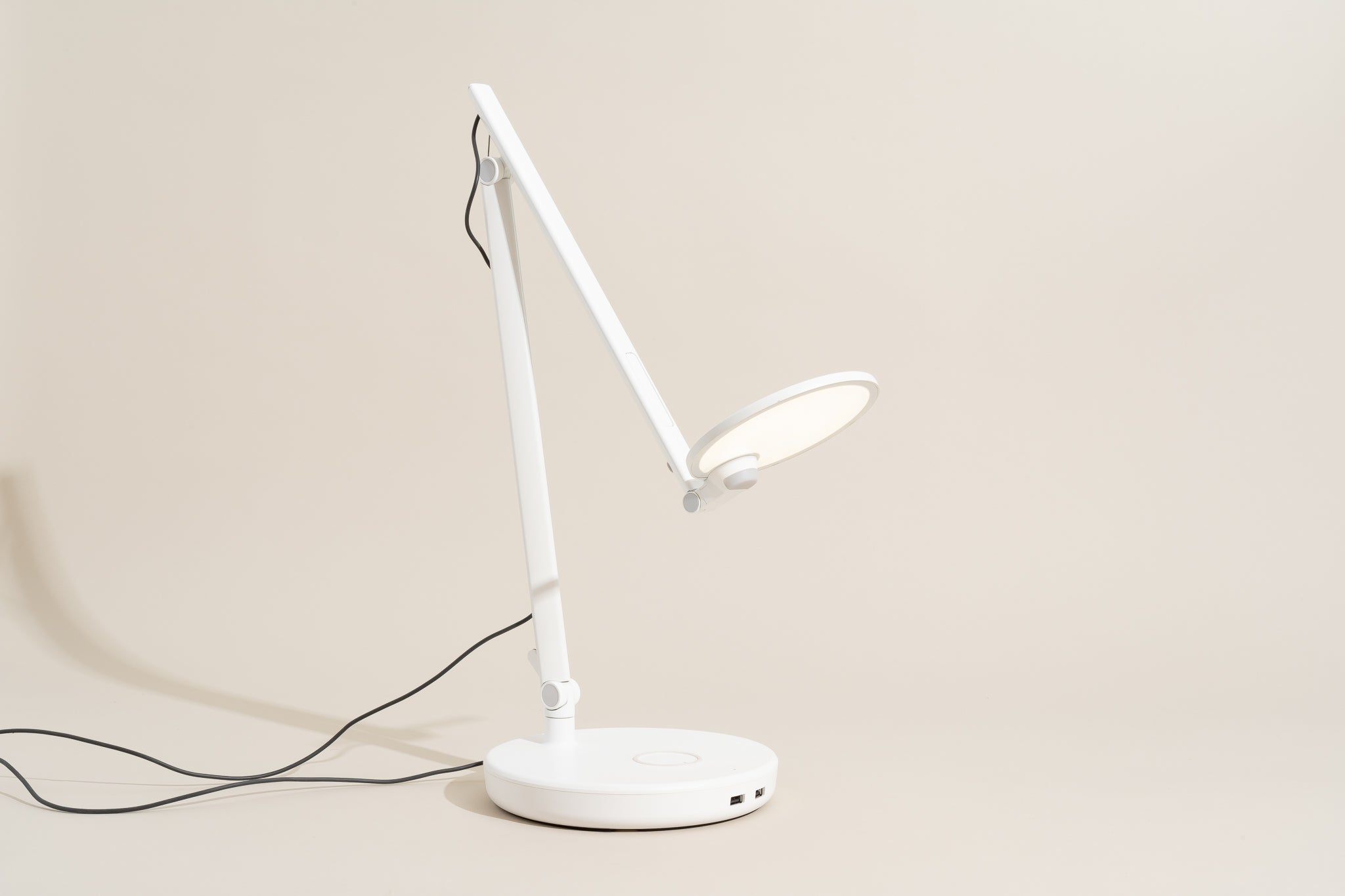
A desk lamp should have around 450 to 800 lumens to provide sufficient lighting for reading or working.
When it comes to choosing the right lighting for your desk, lumens are key. Lumens measure the brightness of a light source, and selecting the appropriate number can make all the difference in your productivity and comfort. In this blog post, we’ll guide you through the process of determining how many lumens you need for your desk lamp based on factors such as task requirements, ambient lighting, and personal preference.
Whether you’re an office professional or a remote worker, understanding the importance of lumens will help you create an optimal workspace that supports your work and enhances your overall experience. So let’s shed some light on this topic and get started!
Understanding Lumens And Desk Lamps
When it comes to choosing the right desk lamp, understanding lumens is essential. Lumens are a measurement of brightness, indicating how much light a lamp can produce. In the past, wattage was used to determine the brightness of a bulb, but with the introduction of energy-efficient LED lighting, lumens have become the standard measurement.
In this article, we will delve into the difference between lumens, watts, and brightness, and why lumens matter for desk lamps. We will also provide a brief introduction to color temperature and its impact on the ambiance of your workspace.
Difference Between Lumens, Watts, And Brightness
It’s important to distinguish between lumens, watts, and brightness. Lumens refer to the amount of light emitted by a lamp, whereas watts indicate the amount of energy the lamp uses. In the past, higher wattage bulbs were associated with brighter light, but that is no longer the case with the introduction of LED bulbs. LED bulbs use significantly less energy than traditional incandescent bulbs while producing the same or even higher levels of brightness.
| Lumens | Watts | Brightness |
|---|---|---|
| Measurement of light output | Measurement of energy consumption | Perceived intensity of light |
Why Lumens Matter For Desk Lamps
When it comes to desk lamps, lumens matter because they directly affect the brightness of your workspace. The right amount of light can enhance productivity and reduce eye strain, while insufficient lighting can lead to fatigue and difficulty focusing. To ensure optimal lighting conditions, it is recommended to use a desk lamp with a sufficient number of lumens based on the tasks you will be performing.
Brief Intro To Color Temperature And Its Impact
Color temperature is another important factor to consider when choosing a desk lamp. It refers to the color appearance of the light emitted by the lamp, ranging from warm to cool.
Warm light, with a lower color temperature, creates a cozy and relaxing atmosphere, while cool light, with a higher color temperature, produces a bright and energizing ambiance. The choice of color temperature depends on the mood you want to set in your workspace and the nature of the tasks you will be performing.
In conclusion, understanding lumens is crucial when selecting a desk lamp. By considering both the lumens and color temperature, you can create the perfect lighting conditions for your workspace, enhancing your productivity and overall well-being.
Choosing The Right Lumen Range
When it comes to selecting the perfect desk lamp, one crucial aspect to consider is the lumen range. Lumens refer to the measurement of the total amount of visible light emitted by a lamp. Choosing the right lumen range is essential to ensure optimal brightness and functionality for your specific needs.
In this article, we will explore some general guidelines for lumens in desk lamps, task-specific lumen recommendations, and the importance of personal preference and eye comfort.
General Guidelines For Lumens In Desk Lamps
When determining the appropriate lumen range for a desk lamp, it is important to consider the primary purpose of the lamp. For general lighting purposes or ambient illumination, a desk lamp with a lumen range between 300 to 500 lumens may be sufficient. This range provides adequate light for basic tasks such as reading, writing, or performing light administrative work.
If you require more focused and intense illumination, such as for detailed crafts or intricate tasks, a desk lamp with a lumen range between 600 to 1000 lumens is recommended. This higher lumen range ensures improved visibility and accuracy, allowing you to work with precision.
However, it’s important to note that excessively bright lighting may cause eyestrain over extended periods, so finding the right balance is essential.
Task-specific Lumen Recommendations
For specific tasks that demand specialized lighting, it is crucial to choose a desk lamp with an appropriate lumen range. Here are some task-specific lumen recommendations:
| Task | Lumen Range |
|---|---|
| Reading | Between 300 and 700 lumens |
| Studying | Between 500 and 1000 lumens |
| Computer work | Between 300 and 500 lumens |
| Crafts and precision work | Between 600 and 1000 lumens |
Personal Preference And Eye Comfort
While guidelines and task-specific recommendations provide a useful framework, personal preference and eye comfort should not be overlooked. Some individuals may prefer slightly dimmer lighting for a cozy and relaxing ambiance, while others may require brighter lighting for enhanced concentration. Experimenting with different lumen ranges and adjusting the brightness to match your comfort level can help create an optimal working environment.
Additionally, considering the color temperature of the light is also important. Warmer color temperatures, around 2700-3000 Kelvin, can create a cozy environment, while cooler color temperatures, around 5000-6500 Kelvin, mimic natural daylight and promote alertness.
In conclusion, choosing the right lumen range for your desk lamp is crucial for achieving the right balance between functionality and eye comfort. Take into account the specific tasks you will be performing, consider general guidelines and task-specific recommendations, and allow room for personal preference and eye comfort.
By doing so, you can optimize your workspace and create an environment that supports productivity and well-being.
How Many Lumens for Your Ideal Desk Lamp? Setting the Light Tone
For optimal lighting while working at your desk, it is recommended to have a desk lamp with a sufficient amount of lumens. The ideal lumen range for a desk lamp is between 450 and 750 lumens, providing focused illumination for tasks such as reading, studying, or working on a computer.
Choosing the right desk lamp for your workspace can greatly enhance your productivity and comfort. One important factor to consider is the number of lumens the lamp emits. Lumens measure the brightness of a light source, and different desk tasks require different levels of illumination.
In this section, we will explore the lumen requirements for common desk tasks, including reading and writing, detailed crafting or drawing, and computer work with screen glare considerations.
Reading And Writing Luminosity Guides
When it comes to reading and writing, it is crucial to have adequate lighting to prevent eye strain and fatigue. The recommended lumen range for reading lamps is between 450 to 750 lumens. This range provides a sufficient amount of light to illuminate the text without creating harsh glare or shadows.
Additionally, it is best to choose a desk lamp with adjustable brightness settings, allowing you to customize the lighting based on your preferences and the surrounding ambient light.
Detailed Crafting Or Drawing Illumination Needs
If you engage in detailed crafting or drawing activities at your desk, you will need a higher level of illumination to ensure accurate work. The ideal lumen range for crafting or drawing lamps is between 750 to 1,500 lumens. This level of brightness allows for precise visibility of intricate details, colors, and textures.
Consider a lamp with a focus feature or a wide beam angle to direct the light exactly where you need it. Moreover, opt for a lamp with a color rendering index (CRI) of 90 or above to accurately represent colors, enabling you to bring your artistic creations to life.
Computer Work And Screen Glare Considerations
Many of us spend hours working on a computer, and the right desk lamp can make a significant difference in reducing eye strain and discomfort. When considering a desk lamp for computer work, it is essential to take screen glare into account.
A desk lamp with an adjustable arm or a pivoting head can help direct the light away from the screen, minimizing glare and reflections. The ideal lumen range for computer work is between 300 to 500 lumens. This level of brightness provides enough light to reduce eye fatigue without competing with the brightness of the computer screen.
Additionally, consider choosing a desk lamp with a color temperature of around 5000K, as this closely resembles natural daylight and can improve concentration and productivity.
To summarize, the lumen requirements for common desk tasks vary depending on the task at hand. Reading and writing tasks typically require 450 to 750 lumens, while detailed crafting or drawing benefits from higher levels of illumination in the range of 750 to 1,500 lumens. For computer work, it is recommended to opt for a desk lamp emitting 300 to 500 lumens and with screen glare reduction features.
By selecting a desk lamp that meets your specific needs, you can create a well-lit and comfortable workspace that enhances your productivity and overall well-being.
Addressing Popular Desk Lamp Queries
Looking for the ideal amount of lumens for your desk lamp? Discover the perfect level of brightness for productive reading, studying, and working.
Common Misconceptions About Desk Lamp Lumens
There are several common misconceptions that people have when it comes to desk lamp lumens. Let’s address them one by one:
- Higher lumens equal brighter light: While it is generally true that higher lumens result in brighter light, it’s important to consider the specific task you’ll be using the desk lamp for. For reading and other close-up activities, a range of 450-800 lumens is usually sufficient. Anything higher may cause eye strain or discomfort.
- More lumens always mean better quality: Lumens measure the brightness of a light source, but they do not directly indicate the quality of light. Other factors such as color temperature and CRI (Color Rendering Index) play a significant role in determining the quality of light. So, it’s advisable to look for desk lamps that offer a good balance of lumens and color rendering.
- Higher wattage equals more lumens: In the past, the wattage of a bulb was used to determine the brightness. However, with the emergence of energy-efficient LED bulbs, the relationship between wattage and lumens has changed. LED bulbs use lesser wattage to produce the same or even higher lumens than traditional incandescent bulbs.
Led Vs. Traditional Bulbs: Lumens Comparison
When comparing LED bulbs with traditional incandescent bulbs, it’s crucial to consider the lumens they offer. Here’s a comparison:
| Bulb Type | Average Lumens |
|---|---|
| LED Bulb | 800-1600 lumens |
| Incandescent Bulb | 400-800 lumens |
As you can see, LED bulbs offer a higher range of lumens compared to incandescent bulbs, making them more suitable for tasks that require focused illumination, such as reading, studying, or working on a computer.
Dimmable Options And Adjustable Settings
Having the ability to adjust the brightness of your desk lamp can greatly enhance your overall experience. Dimmable options and adjustable settings provide flexibility, especially in situations where you need different levels of light for various tasks.
Whether you’re working on intricate crafts that require precise lighting or simply relaxing with a book, being able to customize the brightness to your preference ensures optimal comfort and productivity.
Many desk lamps now come with built-in dimmer switches or touch controls, allowing you to easily adjust the brightness levels. Look for lamps that offer multiple settings and remember to choose one that suits your specific needs.
Enhancing Productivity And Comfort
Good lighting can have a significant impact on productivity and comfort, especially when it comes to using a desk lamp. The right amount of lumens can create an environment that is conducive to work, providing adequate lighting for tasks without causing eye strain or glare. In this article, we will discuss strategic placement for optimal lighting, balancing natural light with artificial lumens, and additional features to consider, such as USB ports and color modes, to enhance productivity and comfort.
Strategic Placement For Optimal Lighting
When it comes to desk lamps, the placement is key to obtaining optimal lighting. To ensure that your workspace is properly illuminated, consider the following:
- Position the lamp in a way that the light falls directly on the work surface, reducing shadows and improving visibility.
- Avoid placing the lamp in a position where the light source is in your direct line of sight, as this can cause glare and eye strain.
- Use a desk lamp with an adjustable arm or a swivel head that allows you to direct the light to the specific area where you need it the most.
- Experiment with different angles and heights to find the optimal position that suits your individual needs and preferences.
Balancing Natural Light With Artificial Lumens
While natural light is always preferred, it may not always be available or sufficient for your workspace. In such cases, utilizing artificial lumens from a desk lamp can help create a well-lit environment. It is important to strike a balance between natural and artificial light by:
- Position your desk lamp near a window in a way that it complements the natural light, reducing the need for more artificial lumens.
- Adjust the brightness of your lamp depending on the available natural light and the specific task you are performing.
- Consider a desk lamp with adjustable brightness levels or dimming options to personalize the lighting according to your needs throughout the day.
Additional Features To Consider (usb Ports, Color Modes)
Modern desk lamps come with a wide range of additional features that can further enhance productivity and comfort in your workspace. Consider the following features when choosing a desk lamp:
- USB ports: Look for a desk lamp that includes built-in USB ports, allowing you to conveniently charge your devices without needing to plug them into a separate power source.
- Color modes: Some desk lamps offer multiple color modes, such as warm white, cool white, and daylight, allowing you to adjust the lighting to suit different tasks or personal preferences.
- Adjustable color temperature: Consider a lamp that offers adjustable color temperature options, enabling you to switch between warm and cool light depending on the time of day or your specific needs.
- Timer and memory functions: Certain desk lamps come with timer and memory functions, allowing you to set automated on/off schedules or recall your preferred lighting settings.
By considering these additional features, you can further customize your desk lamp to meet your specific requirements and enhance your overall work experience.

Credit: www.amazon.com
Frequently Asked Questions On How Many Lumens For A Desk Lamp
What Is A Good Lumen For A Desk Lamp?
A good lumen for a desk lamp varies, but generally, between 450-800 lumens is sufficient for tasks like reading or working on a computer.
How Many Lumens Is A Typical Table Lamp?
A typical table lamp usually has around 500-700 lumens.
Is 2000 Lumens Bright Enough For A Work Light?
A work light with 2000 lumens is bright enough for most tasks.
How Much Light Do I Need For A Desk Lamp?
A desk lamp should have around 500-1000 lumens of light for effective illumination.
Conclusion
To determine how many lumens you need for a desk lamp, consider the purpose of the light. For tasks like reading, studying, or working on a computer, a focused, bright light is essential. While there isn’t a one-size-fits-all answer, aiming for a desk lamp with 450-750 lumens should provide sufficient illumination.
Remember to choose a lamp with adjustable settings to cater to your specific needs. Finding the right lumen level for your desk lamp will enhance productivity and create a comfortable workspace. Happy lighting!

I’m Emily Johnson, an affiliate marketer and blogger focused on lamps and lighting. I share honest reviews, simple buying guides, and practical tips. My goal is to help readers choose the right lamp for their space, style, and budget with confidence.