
To set up a heat lamp, choose a red bulb, find a safe location, properly install the lamp, set the temperature, and ensure there is a working smoke detector nearby. It’s important to avoid using the lamp overnight or when unmonitored and to plug it directly into an outlet, not an extension cord.
Are you looking to set up a heat lamp? The process may seem daunting at first, but with the right guidance, it can be a straightforward task. In this article, we will provide you with step-by-step instructions on how to set up a heat lamp properly. Whether you need it for reptile enclosures, bathroom heating, or keeping your seedlings warm, we’ve got you covered.
Our professional guide will walk you through the necessary equipment, safety precautions, and installation techniques to ensure you get the most out of your heat lamp. So, if you’re ready to create a cozy and warm environment, let’s dive in and learn how to set up a heat lamp like a pro.

Credit: www.amazon.com
Choosing The Right Heat Lamp
Choosing the right heat lamp is crucial when setting up a heat source for your animals. Different animals have different temperature requirements, so it’s important to consider their specific needs.
Considerations For Different Animals
When selecting a heat lamp, you need to take into account the specific needs of the animals you are caring for. Here are some considerations for different animals:
1. For a snake:
- Choose a heat lamp that provides a warm basking spot for the snake.
- Ensure that the lamp emits enough heat to maintain the desired temperature range in the snake’s enclosure.
- Position the lamp securely to prevent it from falling and causing harm to the snake.
2. For turtles:
- Opt for a heat lamp that emits both heat and light, as turtles require UVB light for their overall health and well-being.
- Make sure the lamp is placed at a suitable distance from the turtle’s basking area to provide the right amount of heat.
- Consider using a lamp with a timer to mimic the natural light cycles for turtles.
3. For puppies:
- Select a heat lamp that can be easily adjusted to provide a comfortable temperature for the puppies.
- Ensure the lamp is safely installed and out of reach of the puppies to prevent any accidents.
- Monitor the temperature regularly to maintain a cozy and safe environment for the puppies.
4. For ducks:
- Choose a heat lamp that emits enough heat to keep the ducklings warm but not too hot to avoid any potential burns.
- Position the lamp in a safe and secure area to prevent any accidents or hazards.
- Consider using a heat lamp with a protective cover to minimize the risk of the ducklings coming into contact with the bulb.
5. For leopard gecko:
- Select a heat lamp that provides a warm basking spot for the leopard gecko.
- Make sure the lamp emits enough heat to maintain the desired temperature gradient in the gecko’s enclosure.
- Place the lamp in a way that the gecko can choose to bask under it or move away if it gets too hot.
Safety Precautions
When setting up a heat lamp, it’s important to take certain safety precautions to ensure the well-being of your animals and prevent any accidents. Here are some safety tips to keep in mind:
- Always plug the heat lamp directly into an outlet and avoid using an extension cord.
- Ensure that the outlet is both ground fault (GFCI) and arc fault (AFCI) protected to minimize the risk of fire.
- Regularly check the heat lamp and its wiring for any signs of damage or wear and tear.
- Keep the lamp away from flammable materials and provide ample ventilation in the area.
- Install the heat lamp securely and make sure there are no loose or unstable components.
- Keep a working smoke detector nearby and avoid using the lamp overnight or when you can’t monitor it.
By choosing the right heat lamp and following safety precautions, you can provide a comfortable and safe environment for your animals.
Credit: specialtyheating.com
How to Set Up A Heat Lamp? Your Complete Guide
Setting up a heat lamp can be a straightforward process when approached step by step. Whether you’re using it for reptile care, providing warmth to plants, or creating a cozy environment for pets, understanding the setup procedure is essential to ensure efficient and safe use. Let’s delve into a step-by-step guide on how to set up a heat lamp for various applications.
Selecting A Suitable Location
Before setting up your heat lamp, it’s crucial to choose the right location. Look for a spot that is safe, secure, and away from any flammable materials. Make sure there is enough space for the lamp to hang or be securely placed.
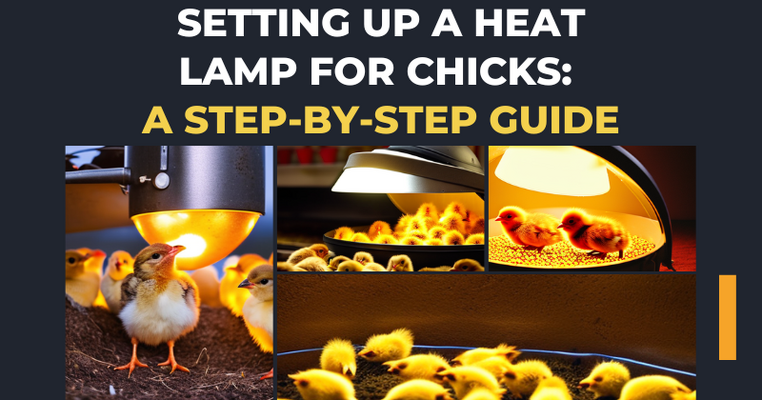
Additionally, consider the needs of the animals or plants you are providing heat for. For example, if you are setting up a heat lamp for chicks, ensure that the location is easily accessible for food and water.
Installing The Lamp Properly
Once you have determined the location, it’s time to install the heat lamp. If you are using a clamp lamp, gather all the necessary pieces and make sure they are in good condition. Attach the bracket securely to a stable surface, such as a wooden beam or a metal stand. Tighten the clamp to ensure the lamp is firmly in place.
If you are using a hanging lamp, make sure the chain or rope is securely fastened. Always double-check to make sure the lamp is stable and will not fall or be knocked over accidentally.
Setting The Temperature
Setting the correct temperature is crucial to ensure the well-being of the animals or plants. Each species has different temperature requirements, so it’s essential to research and understand the specific needs.
Using a thermometer, adjust the lamp’s position to achieve the desired temperature. If the lamp generates too much heat, raise it slightly. Conversely, if it’s not providing enough warmth, lower it accordingly. Regularly monitor the temperature to maintain a consistent and comfortable environment.
Providing The Necessary Care
Learn the step-by-step process of setting up a heat lamp for your pets. From selecting the right lamp and location to adjusting the temperature, this guide provides the necessary care to keep your pets safe and comfortable.
Feeding And Watering
When setting up a heat lamp for your pets, it is important to also ensure that they have access to food and water. Place a secure and stable feeding dish near the heat lamp, making it easily accessible for your pets. Regularly check and refill their water dish to ensure they stay hydrated. This simple step will ensure that your pets receive the necessary nutrients and stay healthy.
Monitoring And Adjusting
Monitoring the temperature under the heat lamp is crucial to provide the optimal environment for your pets. Use a thermometer to regularly check the temperature and ensure it is within the recommended range for your specific pet.
Adjust the height of the lamp or use a dimmer switch to regulate the temperature. It is essential to regularly monitor and adjust the heat to prevent overheating or chilling, ensuring the comfort and well-being of your pets.
Maintaining A Safe Environment
Creating a safe environment is vital when setting up a heat lamp for your pets. Avoid placing the lamp near flammable materials or in areas where your pets can easily knock it over. Secure the lamp using a reliable clamp or bracket to prevent accidents.
Additionally, it is essential to regularly clean and inspect the lamp to avoid the accumulation of dust or debris, which can pose a fire hazard. By maintaining a safe environment, you can provide the necessary care for your pets while ensuring their safety.
Credit: www.backyardchickens.com
Troubleshooting And Common Issues
Setting up a heat lamp can provide essential warmth for various purposes, such as keeping reptiles, poultry, or newborn animals cozy. However, like any electrical device, heat lamps can encounter issues that require troubleshooting. By being aware of common problems and their solutions, you can ensure that your heat lamp operates efficiently and safely.
Handling Overheating
One of the most common issues with heat lamps is overheating. This can be dangerous not only for the device itself but also for the surrounding area. Here are some steps you can take to address overheating:
- Check the wattage of the bulb and ensure it matches the recommended wattage for the heat lamp.
- Make sure the lamp is properly ventilated to prevent the buildup of excess heat.
- Position the lamp at the appropriate distance from the target area. Refer to the manufacturer’s guidelines for the recommended distance.
- Consider using a lamp dimmer or thermostat to regulate the temperature and prevent overheating.
Addressing Bulb Failure
Another issue that can arise with heat lamps is bulb failure. If your lamp suddenly stops working, here are some steps you can take to address the problem:
- Check if the bulb is securely screwed into the socket. Sometimes, a loose connection can cause the bulb to fail.
- Inspect the bulb for any signs of damage, such as cracks or blackened areas. If the bulb is damaged, replace it with a new one.
- Consider using a high-quality bulb specifically designed for heat lamps. These bulbs are more durable and less prone to failure.
Dealing With Electrical Problems
In some cases, heat lamps may encounter electrical problems that can affect their performance. Here are some steps you can take to address electrical issues:
- Check the power source and ensure it is functioning properly. Plug the lamp directly into an outlet and avoid using extension cords.
- Make sure the outlet is equipped with ground fault (GFCI) and arc fault (AFCI) protection to minimize the risk of electrical hazards.
- If you suspect a wiring problem, consult a professional electrician to inspect and repair any faulty wiring.
By following these troubleshooting steps, you can resolve common issues with heat lamps and ensure their safe and efficient operation.
Frequently Asked Questions Of How To Set Up A Heat Lamp
How Do You Put Together A Heat Lamp?
To put together a heat lamp, follow these steps:
1. Check that you have all the necessary pieces.
2. Attach the bracket and tighten the clamp.
3. Adjust the bulb’s height based on the heat felt at the desired distance.
4. Ensure the lamp is securely installed in a safe location.
5. Confirm that the lamp is plugged directly into an outlet, not an extension cord.
How Do You Set Up A Brooder Heat Lamp?
To set up a brooder heat lamp, follow these steps: 1. Choose a heat lamp with a red bulb. 2. Find a safe and secure location for the lamp. 3. Properly install the lamp. 4. Set the temperature correctly. 5. Provide food and water for the animals.
Remember to avoid using the lamp overnight and make sure you have a working smoke detector nearby for safety.
What Do You Plug A Heat Lamp Into?
Plug a heat lamp directly into an outlet, not an extension cord. Make sure the outlet is ground fault (GFCI) and arc fault (AFCI) protected to prevent fire hazards.
Is It Safe To Have A Heat Lamp On All Night?
Having a heat lamp on all night can be unsafe. It is recommended to avoid using the lamp overnight or when you can’t monitor it. Make sure there is a working smoke detector nearby.
Conclusion
Setting up a heat lamp is essential for creating a safe and comfortable environment for your pets or livestock. By following the step-by-step guide, you can ensure that the lamp is properly installed and set at the correct temperature. Remember to choose a heat lamp with a red bulb, select a secure location, and provide proper ventilation.
It’s important to monitor the lamp and take precautions to prevent any accidents or fires. By taking these steps, you can ensure the well-being of your animals and create a successful heat lamp setup.

I’m Emily Johnson, an affiliate marketer and blogger focused on lamps and lighting. I share honest reviews, simple buying guides, and practical tips. My goal is to help readers choose the right lamp for their space, style, and budget with confidence.