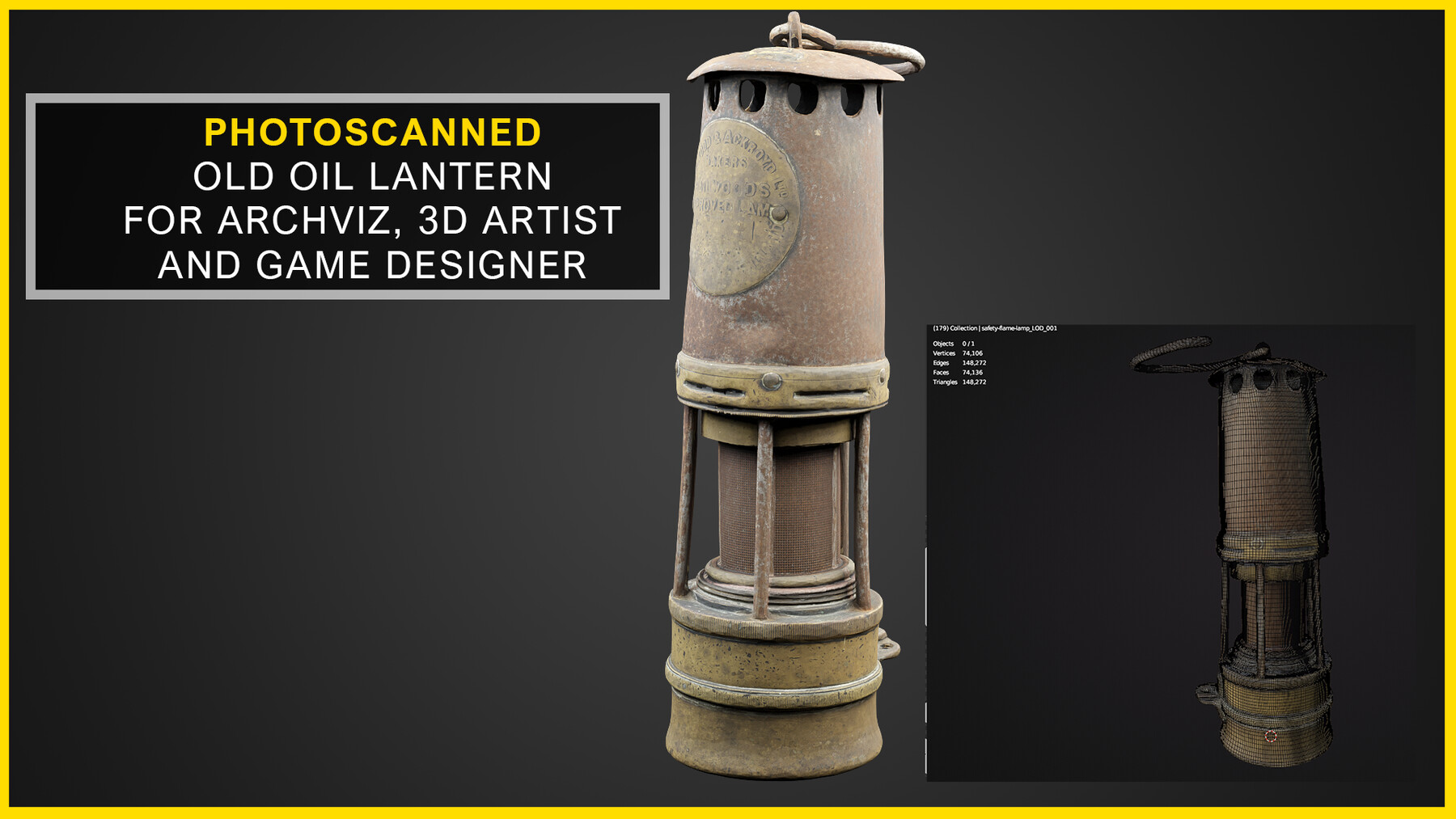
Oil lamps were popular in ancient times and were widely used for lighting and illuminating indoor spaces.
Oil lamps have a long and fascinating history, dating back thousands of years. These ancient sources of light were once a staple in households around the world before the invention of electricity. But when exactly were oil lamps at the height of their popularity? In this blog post, we’ll delve into the timeline of oil lamps and explore the eras when they were most commonly used.
From ancient civilizations to the Victorian era, we’ll uncover the cultural significance and practicality of these illuminating devices. So, if you’re curious about the historical context of oil lamps, join us on this journey through time.
The Early Origins Of Oil Lamps
Oil lamps have been used for thousands of years, providing light and warmth in various cultures around the world. The early origins of oil lamps can be traced back to ancient times when civilizations first discovered the unique properties of oil as a source of light. Let’s delve into the fascinating world of ancient oil lamps and explore the evolution of their designs throughout history.
Ancient Oil Lamps
Ancient oil lamps were primarily made from clay or bronze and served as vital tools for lighting up the darkness. These lamps were an ingenious invention, using the combustion of oil to produce a steady flame that illuminates the surrounding area.
| Time Period | Civilization | Description |
|---|---|---|
| Circa 15,000 BCE | Paleolithic Era | Simple stone lamps with hollowed-out depressions for holding animal fats or oils. |
| 2100-2000 BCE | Ancient Mesopotamia | Clay lamps with spouts and simplified geometric designs. |
| 1550-1070 BCE | Ancient Egypt | Elaborate pottery lamps adorned with intricate decorative motifs and religious symbols. |
Evolution Of Oil Lamp Designs
As civilizations progressed, so did the design and craftsmanship of oil lamps. The evolution of oil lamp designs can be seen in the incorporation of various materials, such as glass and metals like bronze and silver. These new materials allowed for more intricate designs and improved functionality.
- Greek Hellenistic Period: During this period, oil lamps became more elaborate, featuring ornate handles and intricate relief patterns inspired by mythology and nature.
- Roman Empire: Roman oil lamps embraced innovation with the introduction of “closed lamps” that had a small hole for filling with oil and separate wick tubes. They also experimented with different shapes, such as flat saucer lamps and elongated rectangular lamps.
- Byzantine Era: Byzantine oil lamps displayed a fusion of Roman, Greek, and Eastern influences, with elegant designs featuring Christian symbols and motifs.
The evolution of oil lamp designs reflects the creativity and artistic prowess of ancient civilizations. From simple clay lamps to exquisite works of art, oil lamps have not only provided light but also showcased the cultural and technological advancements of their time.
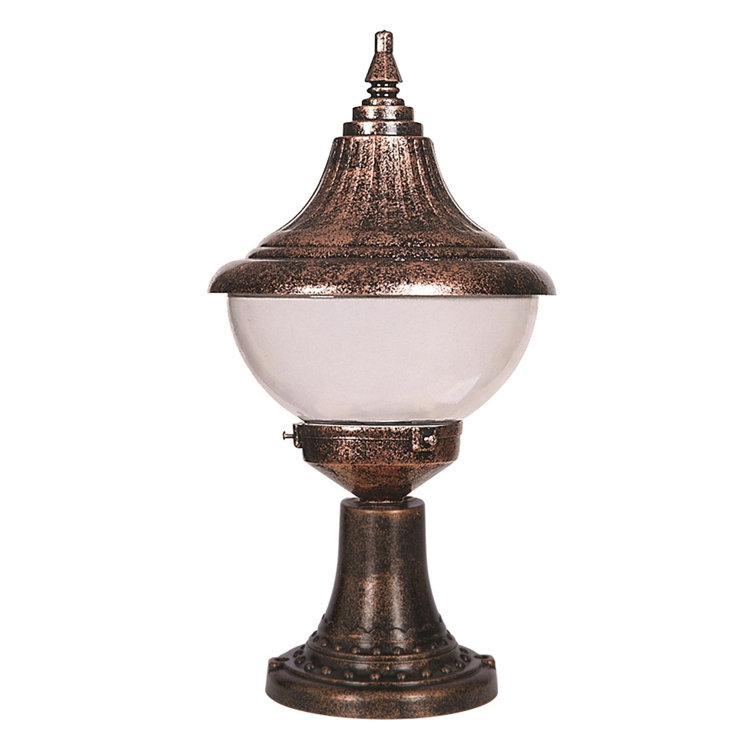
Credit: www.wayfair.com
Oil Lamps In Ancient Civilizations
Oil lamps were popular in ancient civilizations such as Mesopotamia, Egypt, and Greece. These lamps were widely used for lighting and were a significant invention during that time period.
Oil Lamps In Ancient Egypt
Ancient Egypt, known for its architectural wonders and rich history, also holds significance in the realm of oil lamps. Oil lamps were widely used in Ancient Egypt, serving as an essential source of light and heat.
These lamps were made from various materials such as clay, stone, and metal, reflecting the craftsmanship and artistic flair of the Egyptian civilization.
Oil Lamps In Ancient Greece
In the ancient Greek civilization, oil lamps played a vital role in everyday life. These lamps were typically made from clay and featured a single or multiple spouts for wicks. Greek oil lamps were not only practical but also showcased the artistic skills of the period.
Many of these lamps were adorned with intricate designs depicting mythological scenes, making them not just functional objects, but also decorative pieces cherished by the people.
Oil Lamps In Ancient Rome
Ancient Rome witnessed the widespread use of oil lamps as well. Romans utilized a variety of materials such as clay, glass, and metals like bronze to create their oil lamps. These lamps often had handles for easy transportation and could be found in various shapes and sizes, from simple and utilitarian to elaborately decorated ones.
The popularity of oil lamps in Ancient Rome is evident from the vast number of surviving artifacts discovered by archaeologists, showcasing the importance of these lamps in the daily lives of the people.
Oil Lamps In Medieval And Renaissance Periods
The use of oil lamps dates back thousands of years, but it was during the medieval and Renaissance periods that they reached the peak of their popularity. These eras were characterized by significant advancements in art, architecture, and technology, and oil lamps played a vital role in illuminating homes, churches, and public spaces.
Oil Lamps In Medieval Europe
In medieval Europe, oil lamps were an indispensable source of light. With limited access to electricity, people relied on these lamps to brighten their surroundings after the sun went down. These lamps were usually made from clay or metal and consisted of a reservoir for holding oil and a wick that would draw the oil upward for combustion.
During this time, oil lamps were not only functional but also served as decorative pieces. Intricate designs were etched onto their surfaces, showcasing the craftsmanship of the artisans who created them. Some lamps were even adorned with symbols and religious motifs, emphasizing their significance in religious rituals and ceremonies.
Oil lamps played a crucial role in daily life during the medieval period. They provided much-needed illumination for households, allowing families to carry out their tasks and activities, even when daylight was insufficient. They were also commonly used in churches and monasteries to create a serene and reverent atmosphere for prayer and worship.
Oil Lamps During The Renaissance
The Renaissance was a period of great artistic and intellectual growth, and oil lamps continued to be widely used during this time. However, there were some notable advancements in lamp design and construction. The introduction of glassblowing techniques revolutionized lamp production, allowing for the creation of more intricate and elegant designs.
This era saw the emergence of more elaborate oil lamps, featuring ornate bases and beautifully decorated glass globes. These lamps not only provided light but also became exquisite works of art. The Renaissance was a time when aesthetics and beauty were highly valued, and oil lamps were no exception.
Oil lamps were found in the homes of the wealthy and influential individuals of Renaissance society. They were often displayed as status symbols, showcasing the wealth and refined taste of the owner. These lamps illuminated opulent palaces and grand estates, contributing to the overall grandeur and elegance of the surroundings.
In addition to indoor use, oil lamps were also used outdoors during the Renaissance. They illuminated city streets, creating a safer environment for individuals walking at night. Oil lamps were hung from lampposts or placed in specially designed fixtures, ensuring that the light was distributed evenly.
The Decline Of Oil Lamps
Oil lamps were popular throughout history, especially during the pre-electricity era. These lamps provided light and warmth but declined with the introduction of alternative lighting technologies.
After centuries of providing illuminating warmth and a cozy ambiance to households, oil lamps eventually faced a decline in popularity as modern technology brought newer lighting options onto the scene.
From the emergence of electric lighting to their transformation into decorative items today, the journey of oil lamps showcases both the advancements made in the field of lighting and the enduring charm they possess even in their reduced utility.
Emergence Of Electric Lighting
The invention and widespread adoption of electric lighting marked a major turning point in the history of lighting devices, ultimately impacting the popularity of oil lamps. With the arrival of electric lamps, households and establishments were introduced to a safer and more convenient alternative to oil lamps.
The widespread availability and improved affordability of electric lighting gradually overshadowed the use of oil lamps, as they offered numerous advantages. Electric lighting provided constant and brighter illumination, eliminating the need to constantly monitor and refill oil lamps. This new technology also eliminated the risks associated with open flames and the potential hazards of handling flammable materials.
As electric lighting became more accessible and reliable, incorporating it into homes and other spaces became the norm. The convenience and modern appeal of electric lighting swiftly led to a decline in oil lamp usage, with households swiftly transitioning to this new and superior lighting option.
Oil Lamps As Decorative Items Today
Although oil lamps have become less prevalent as a primary lighting source, they have found a new lease on life as decorative items that exude timeless charm and nostalgia.
Today, oil lamps are often used as statement pieces in home decor, serving as reminders of the past and adding a touch of vintage elegance to modern interiors. These antique treasures are valued for their intricate designs, ornate details, and craftsmanship, making them highly sought after collector’s items and conversation starters.
Oil lamps can be found adorning mantelpieces, shelves, and display cases in various interior design styles, including rustic, farmhouse, and traditional. Their flickering glow and warm radiance continue to evoke a sense of coziness and tranquility, creating a nostalgic and inviting atmosphere in any space.
Whether displayed as standalone pieces or integrated into curated vignettes, oil lamps imbue rooms with a sense of history and timelessness. Their enduring allure as decorative items confirms their place in the modern world, even as their functional purpose has diminished.

Credit: www.etsy.com
When Were Oil Lamps Popular?
Oil lamps were popular from ancient times until the late 19th century, when they were gradually replaced by gas and electric lighting. The use of oil lamps can be traced back to ancient civilizations such as the Egyptians, Greeks, and Romans.
These lamps consisted of a container for holding oil, a wick made of cotton or other fibrous material, and a flame produced by igniting the wick.
Oil lamps provided a reliable source of light in households, temples, and public spaces before the advent of modern lighting technologies.
The popularity of oil lamps declined with the invention of gas lighting in the early 19th century and was further diminished with the widespread adoption of electric lighting in the late 19th century.
Despite their decline in practical use, oil lamps continue to be valued for their historical and aesthetic appeal.
Frequently Asked Questions On When Were Oil Lamps Popular
When were oil lamps first invented?
Oil lamps made their first appearance around 4500 BC, evolving from hollow rocks or shells filled with moss or other items soaked in animal fat.
What replaced basic ancient oil lamps?
The Argand lamp, introduced around 1780, quickly replaced basic ancient oil lamps, marking a significant advancement in oil lamp technology.
When did kerosene lamps become popular?
Kerosene lamps became popular around 1850 and remained widely used until shortly after World War II when rural electrification made them obsolete.
What types of materials were used for historical oil lamps?
Historical oil lamps were crafted from various materials. Clay lamps, prevalent during the Bronze Age and Roman Empire, were common. Glass lamps, introduced around the 4th century BC, became popular with advancements in glassblowing techniques.
Conclusion
Oil lamps were highly popular in ancient times, serving as a primary source of lighting. They played a significant role in providing light for households, temples, and public spaces. With advancements in technology and the introduction of electricity, oil lamps gradually lost their prominence.
However, they still hold cultural and historical significance, symbolizing a time of simplicity and a connection to our ancestors.

I’m Emily Johnson, an affiliate marketer and blogger focused on lamps and lighting. I share honest reviews, simple buying guides, and practical tips. My goal is to help readers choose the right lamp for their space, style, and budget with confidence.