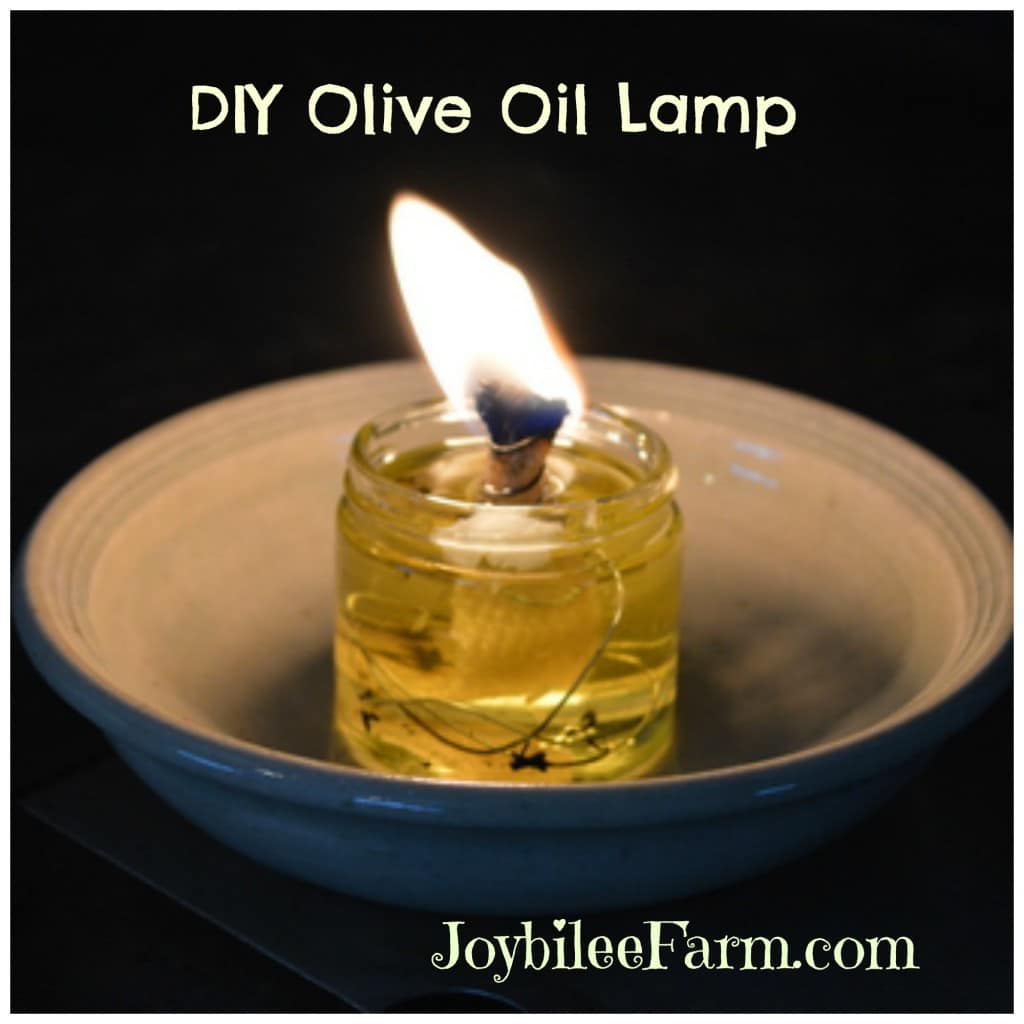
An olive oil lamp burns for approximately 2 to 3 hours. Olive oil lamps provide a sustainable and eco-friendly lighting alternative that has been used for centuries.
When it comes to emergency lighting or creating a cozy atmosphere, olive oil lamps are a popular choice. But how long can you expect an olive oil lamp to burn? In this blog post, we’ll explore the burning time of olive oil lamps and factors that can affect their longevity.
We’ll also provide tips on how to maximize the burn time and ensure a safe and efficient experience with your olive oil lamp.
So, if you’re considering using an olive oil lamp or want to make the most out of your current one, keep reading to learn more.
Understanding The Flame
When it comes to using olive oil lamps, one common query that arises is how long do these lamps burn for? To answer this question, we need to delve into the factors that affect the burning time of an olive oil lamp.
In this section, we will explore the chemical composition of olive oil, how it is converted into fuel for the lamp, and the various factors that impact the duration of the flame.
Chemical Composition Of Olive Oil
Olive oil, renowned for its culinary uses, also possesses properties that make it suitable for use as a lamp fuel. To comprehend how long an olive oil lamp burns, it is essential to understand the chemical composition of olive oil.
Olive oil primarily consists of triglycerides, fatty acids, and minor impurities such as water, waxes, and pigments. The main component responsible for the lamp’s flame is the fatty acids present in the oil. These fatty acids provide the necessary carbon atoms for combustion, allowing the lamp to produce a steady and vibrant flame.
How Olive Oil Is Converted Into Fuel
Although olive oil is commonly used for cooking, it can be repurposed as a lamp fuel by converting it into a more suitable form. The process of converting olive oil into fuel involves removing any impurities, such as water and waxes, that may hinder the lamp’s functionality. Once these impurities are eliminated, the olive oil can be used directly in the lamp.
However, some lamp owners may choose to enhance the fuel’s performance by adding small quantities of alcohol or a similar substance to improve the lamp’s overall burn time and efficiency.
Factors Affecting The Burning Time
Several factors can influence the burning time of an olive oil lamp:
- Quality of Olive Oil: The purity and quality of the olive oil used can significantly impact the burning time. High-grade, pure olive oil tends to burn longer than lower quality variants.
- Lamp Wick: The type and condition of the wick used in the lamp play a crucial role in how long the flame will last.
- Regulating the Flame: Adjusting the size of the flame can help control the burning time. Larger flames consume more fuel and burn faster, resulting in a shorter overall burn time, whereas smaller flames can extend the lamp’s lifespan.
- Ambient Temperature: The environment in which the lamp is placed can also affect the burn time. Colder temperatures may cause the oil to thicken, slowing down its consumption and extending the lamp’s burn time.
By understanding the chemical composition of olive oil, how it is converted into lamp fuel, and the various factors that influence burn time, you can make informed decisions when using olive oil lamps.
So, whether you are looking to create a cozy ambiance or preparing for a power outage, keeping these factors in mind will ensure you make the most of your olive oil lamp.

Credit: www.amazon.com
How Long Does an Olive Oil Lamp Burn
Have you ever wondered how long an olive oil lamp can burn? The burning time of an olive oil lamp depends on various factors such as the design of the lamp, the type of wick material used, and how you maximize the burning time. In this article, we will explore these factors in detail and provide you with insights on how to make the most out of your olive oil lamp.
Different Olive Oil Lamp Designs
There are several different designs of olive oil lamps available, each with its own unique characteristics. The design of the lamp can affect the burning time, as well as the overall efficiency of the flame.
One popular olive oil lamp design is the clay lamp, which is crafted from clay or terracotta. These lamps often have a wide opening that allows for a larger flame and increased air circulation. As a result, clay lamps tend to burn for a longer duration compared to other designs.
Another common design is the glass hurricane lamp. These lamps feature a glass enclosure that surrounds the flame, protecting it from wind or drafts. The enclosed design helps to maintain a steady flame and prolong the burning time.
How Different Wick Materials Affect Burning Time
The wick material plays a crucial role in determining the burning time of an olive oil lamp. Different materials have varying absorption and combustion rates, directly impacting the longevity of the flame.
Cotton wicks are the most commonly used wick material for olive oil lamps. They are affordable and provide a consistent burn. Cotton wicks have good absorption properties, allowing them to hold and transport oil efficiently. This results in a longer burning time compared to other materials.
Linen wicks, on the other hand, offer a more intense and brighter flame but tend to burn faster than cotton wicks. Linen wicks have a higher combustion rate, which means they consume more oil in a shorter period.
Fiberglass wicks are another option to consider. They are not as common but offer excellent durability and longevity. Fiberglass wicks do not degrade as quickly as cotton or linen wicks, allowing for a longer burning time.
How To Maximize The Burning Time
Now that we understand how lamp design and wick material influence burning time, let’s explore some tips to maximize the longevity of your olive oil lamp.
- Choose a lamp design with an enclosed or wide opening that allows for better airflow and stabilization of the flame.
- Trim the wick regularly to remove any burnt or charred portions. This will ensure a clean and efficient burn, prolonging the burning time.
- Avoid using low-quality or impure oil, as it may contain impurities that can clog the wick and reduce the burning time. Opt for high-quality olive oil specifically designed for lamps.
- Position the lamp in a draft-free area to prevent the flame from flickering and burning faster.
- If you want to extend the burning time, consider using a fuel additive. These additives act as fuel extenders, allowing your olive oil lamp to burn for a longer duration.
By following these tips and considering the different factors that affect burning time, you can ensure that your olive oil lamp burns for an extended period, providing you with a comforting and sustainable source of light.
Applications And Benefits Of Olive Oil Lamps
Olive oil lamps have been used for centuries, providing a reliable source of light and warmth in various settings. These lamps have not only served practical purposes in the past but also continue to have valuable applications in modern times.
Furthermore, the use of olive oil lamps offers significant environmental benefits, making them a sustainable and eco-friendly alternative to traditional lighting sources.
In this section, we will explore the historical uses of olive oil lamps, their practical applications in modern times, and the environmental benefits they bring.
Historical Uses Of Olive Oil Lamps
In ancient times, olive oil lamps were widely used across different cultures. Dating back to the ancient Greeks and Romans, these lamps provided light for households, places of worship, and public spaces. The simplicity of their design made them accessible and versatile, as they could be easily carried or hung to illuminate any area. Olive oil lamps played a crucial role in daily life, creating ambiance, and enabling activities after sunset.
Additionally, olive oil lamps were also used during religious ceremonies and rituals. Their warm glow symbolized spirituality and enlightenment, making them an integral part of religious practices in many cultures. These lamps not only provided practical illumination during ceremonies but also contributed to the overall atmosphere and sacredness of the occasion.
Practical Applications In Modern Times
While modern lighting technology has advanced significantly, olive oil lamps still find practical applications in various settings today. Their simple yet effective design makes them an ideal choice for those seeking an alternative lighting source during power outages or outdoor activities like camping.
Moreover, olive oil lamps can be used as decorative items, adding a touch of rustic elegance to any space. They can be placed on mantels, tables, or hung from ceilings to create a cozy and inviting ambiance. The soft, flickering light of an olive oil lamp can transform any room into a warm and soothing environment.
Environmental Benefits Of Using Olive Oil Lamps
In the era of increasing environmental awareness, olive oil lamps offer significant benefits over conventional lighting methods. Using olive oil as fuel promotes sustainability since olive oil is a renewable resource. Compared to chemically-produced fuels, olive oil is a clean and natural option that doesn’t release harmful toxins or pollutants into the air.
Furthermore, olive oil lamps have a lower carbon footprint than many other forms of lighting. The production and disposal of traditional lighting sources such as batteries and electric bulbs contribute to environmental degradation.
Olive oil lamps, on the other hand, are reusable, with minimal waste generated in their operation. By using olive oil lamps, individuals can reduce their ecological impact and contribute to a healthier planet.
In conclusion, olive oil lamps have a rich history and continue to provide practical applications and environmental benefits in modern times. Their versatility and eco-friendly nature make them an attractive lighting option for both functional and decorative purposes.
Whether you’re looking to recreate a historical ambiance or seeking sustainable lighting solutions, olive oil lamps offer a unique and environmentally conscious choice.

Credit: www.nytimes.com
Frequently Asked Questions On How Long Does An Olive Oil Lamp Burn
How Long Does An Olive Oil Lamp Burn?
An olive oil lamp can burn for approximately 3-4 hours before the oil runs out.
What Type Of Oil Should I Use For An Olive Oil Lamp?
It is best to use pure, extra virgin olive oil for an olive oil lamp as it has a lower smoke point and produces less soot.
How Do I Light An Olive Oil Lamp?
To light an olive oil lamp, simply soak the wick in the oil for a few minutes, then light it using a match or lighter.
Can I Use Any Type Of Wick For An Olive Oil Lamp?
It is recommended to use a cotton or fiberglass wick for an olive oil lamp, as these materials absorb the oil properly and provide a steady flame.
Conclusion
The burn time of an olive oil lamp is influenced by various factors, including the type of oil used, the size of the wick, and the atmospheric conditions. Generally, olive oil lamps can burn for several hours, making them a practical and eco-friendly option for lighting.
However, it is important to follow proper safety precautions and use high-quality olive oil to maximize the lamp’s burn time. Experimentation and adjusting these factors can help in achieving optimal results and a longer burn time.

I’m Emily Johnson, an affiliate marketer and blogger focused on lamps and lighting. I share honest reviews, simple buying guides, and practical tips. My goal is to help readers choose the right lamp for their space, style, and budget with confidence.