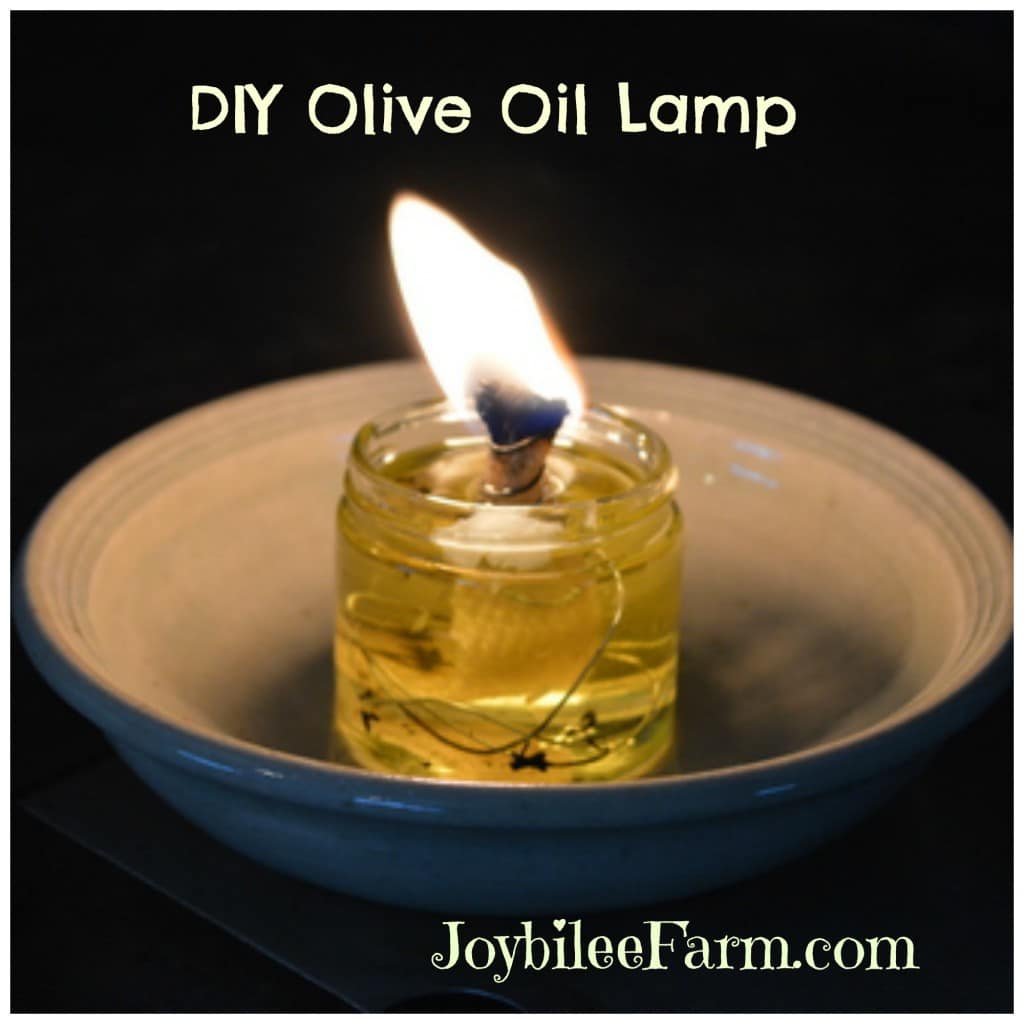
Yes, olive oil can be used in an oil lamp. Olive oil is a suitable alternative fuel source for oil lamps due to its high viscosity and low volatility.
It burns cleaner and produces less smoke compared to other oils, making it a safer and more eco-friendly option. Additionally, olive oil is readily available in most households, making it convenient to use in emergencies or power outages.
It is important to use olive oil that is pure and not mixed with any other substances, as impurities can clog the wick and affect the lamp’s functionality.
When using olive oil in an oil lamp, it is essential to exercise caution and follow proper safety guidelines to prevent accidents or damage to the lamp.
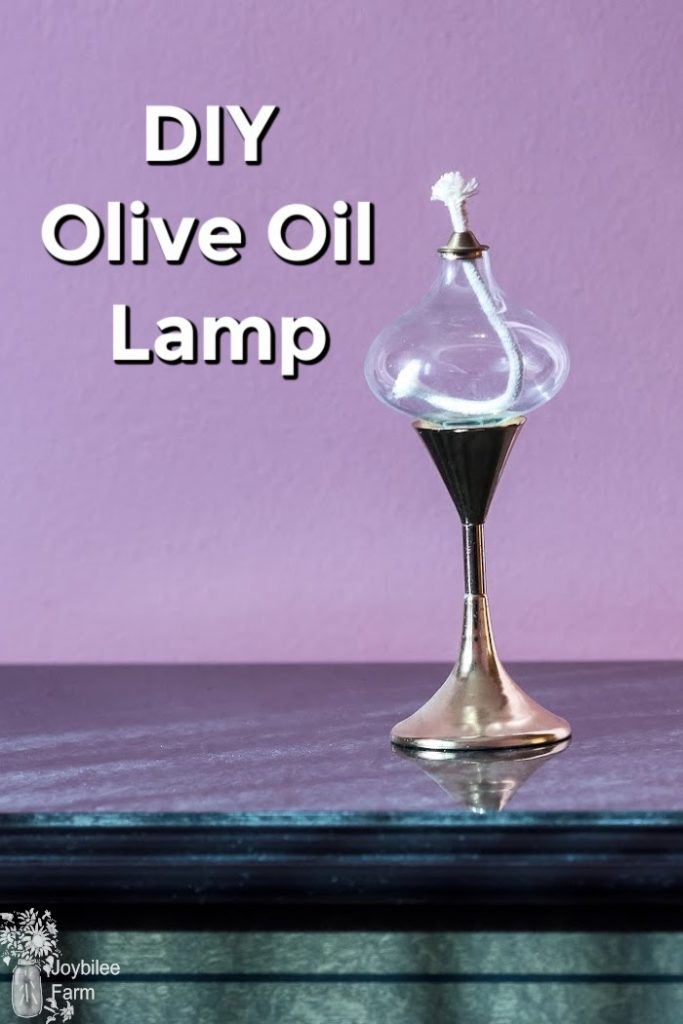
Credit: joybileefarm.com
The Ancient Tradition Of Olive Oil Illumination
The ancient tradition of olive oil illumination dates back thousands of years, when people used olive oil as a source of light in their homes. Olive oil lamps were not only functional but also held cultural and symbolic significance. In this article, we explore the history of olive oil lamps and discuss the advantages and disadvantages of using olive oil as fuel for these lamps.
History Of Olive Oil Lamps
In ancient times, olive oil lamps were a common feature in households across various civilizations. They were widely used in ancient Greece, Rome, Egypt, and the Middle East. These lamps consisted of a shallow dish or container in which olive oil was poured, and a wick made of papyrus or fabric was inserted. The wick would absorb the oil and provide a steady flame when lit.
Olive oil lamps were not only used for practical purposes, but they also carried symbolic meaning. In some cultures, they were used during religious ceremonies and symbolized the eternal flame or the presence of a divine being. Olive oil was considered sacred and associated with purity, wisdom, and prosperity.
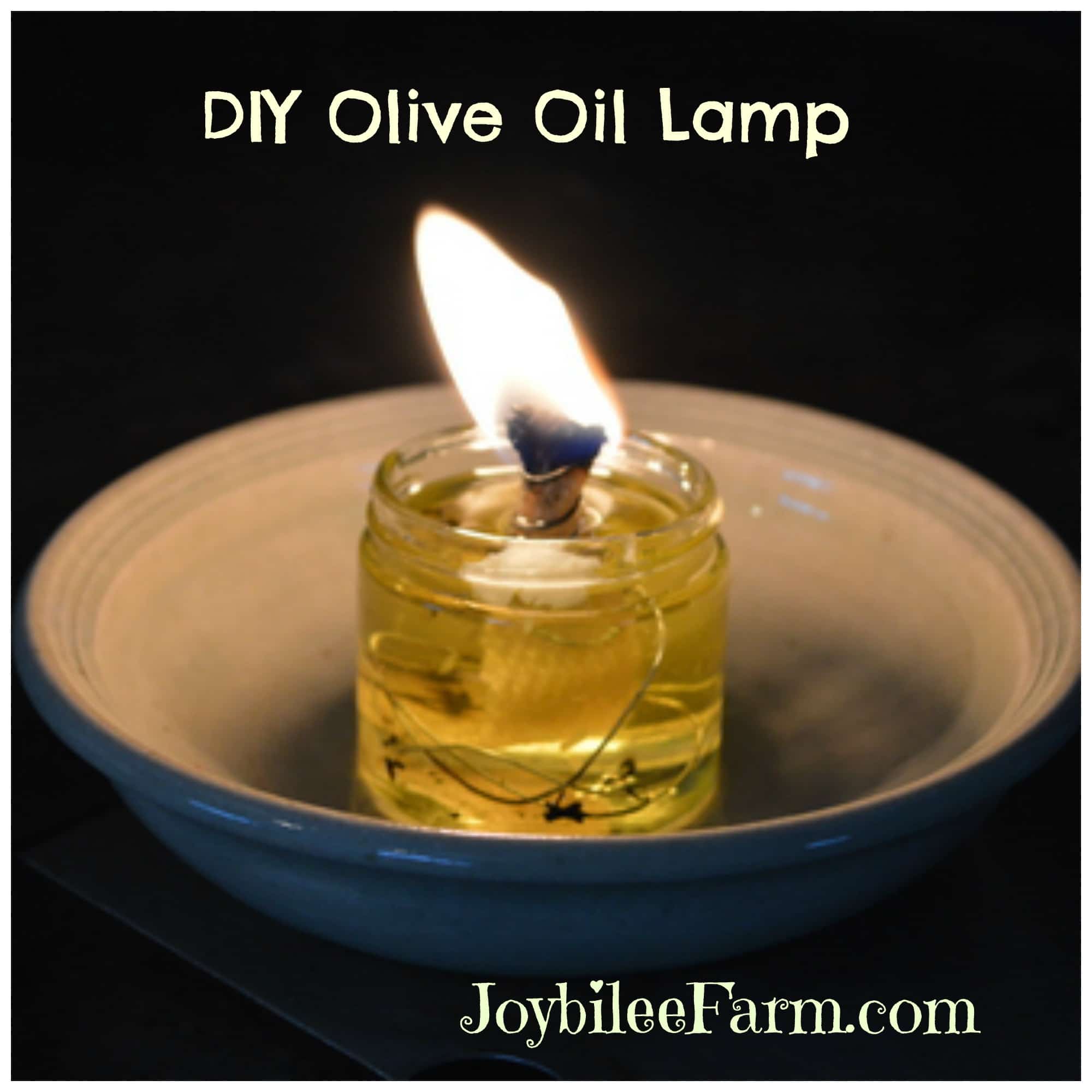
Credit: joybileefarm.com
Can You Use Olive Oil in an Oil Lamp
Advantages And Disadvantages Of Olive Oil As Fuel
Using olive oil as fuel for an oil lamp has its advantages and disadvantages. Let’s take a closer look:
- Safety: Olive oil is one of the safest oils to burn indoors. It has a high flash point (around 550°F or 288°C), which means it is less likely to catch fire if accidentally spilled. This makes olive oil lamps safer compared to those using kerosene or paraffin oil.
- Smokeless and Soot-Free: When burned, olive oil produces little to no smoke or soot, making it an excellent choice for indoor use. This results in cleaner air quality and less residue on walls or ceilings.
- Eco-Friendly: Olive oil is a renewable resource, biodegradable, and produces fewer pollutants compared to petroleum-based oils. Using olive oil in lamps can be a step towards more sustainable living practices.
- Odorless: Unlike some oils that emit a strong odor when burned, olive oil burns cleanly and does not produce any offensive smells. This makes it ideal for use in homes and dining settings.
Disadvantages
- Olive oil has a lower flash point compared to other fuels, which means it may require more precaution when lighting the lamp.
- It may have a distinct smell when burning, which could be less desirable for some individuals.
- Olive oil may not burn as brightly as other fuels, resulting in a softer glow.
- If the lamp is left unattended, the oil may spill or the flame may grow too large.
Despite these disadvantages, many people still appreciate the beauty and simplicity of using olive oil in their oil lamps. Whether you are looking to recreate a traditional atmosphere or simply enjoy the soft glow of an olive oil lamp, it can be a unique and eco-friendly choice.
How to Use Olive Oil in an Oil Lamp
- Choose the Right Lamp: Not all oil lamps are suitable for olive oil. It’s best to use lamps specifically designed for vegetable oils or modify a traditional oil lamp to ensure proper wicking and burning. Olive oil has a thicker viscosity than kerosene or lamp oil, so it requires a wick that is broad and absorbent enough to draw the oil up to the flame.
- Prepare the Lamp: Fill the lamp’s reservoir with olive oil, leaving some space at the top to prevent overflow. Thread the wick through the burner, ensuring it is long enough to reach the bottom of the reservoir and absorb the olive oil.
- Lighting the Lamp: Once the wick has absorbed the olive oil, light the wick with a match or lighter. Adjust the wick to control the flame size; a lower flame will consume less oil and reduce the risk of smoking.
- Maintenance: Trim the wick regularly to remove any charred material and ensure a clean burn. Refill the lamp with olive oil as needed, always leaving space at the top of the reservoir.
Considerations:
- Cost: Olive oil can be more expensive than traditional lamp oils or kerosene. However, its safety and environmental benefits may outweigh the cost for some users.
- Lamp Type: Ensure your lamp is suitable for olive oil. Some modern oil lamps are designed for lighter oils and may not work efficiently with olive oil.
- Quality of Olive Oil: While any grade of olive oil will burn, using a lower grade (like “lampante” olive oil, which is not suitable for consumption) can be a cost-effective option for lighting purposes.

Credit: en.wikipedia.org.
Frequently Asked Questions For Can You Use Olive Oil In An Oil Lamp
Can Olive Oil Be Used In An Oil Lamp?
Yes, olive oil can be used in an oil lamp as a safe and sustainable alternative to traditional lamp oils.
Is Olive Oil Suitable For Long-term Use In Oil Lamps?
Yes, olive oil can be used for long-term use in oil lamps, as it burns cleanly and produces a steady flame.
Does Olive Oil Produce Any Odors Or Fumes When Used In Oil Lamps?
No, olive oil does not produce any unpleasant odors or fumes when used in oil lamps, making it a desirable choice for indoor lighting.
Can Olive Oil Be Used In Antique Oil Lamps?
Yes, olive oil can be safely used in antique oil lamps, as it does not contain additives or chemicals that could damage the lamp’s delicate mechanisms.
Conclusion
Using olive oil in an oil lamp is a feasible and sustainable option. Its low smoke and high flash point make it a safe and reliable alternative fuel source. However, consider using pure or refined olive oil to avoid any potential damage to your lamp or difficulties in lighting.
With proper care and precautions, you can enjoy the soothing and eco-friendly glow of an olive oil lamp.

I’m Emily Johnson, an affiliate marketer and blogger focused on lamps and lighting. I share honest reviews, simple buying guides, and practical tips. My goal is to help readers choose the right lamp for their space, style, and budget with confidence.