Eagle oil lamps date back to the 19th century, making them over 100 years old. These antique lamps were commonly used for lighting purposes during that time.
The elaborate designs and craftsmanship of these lamps have made them highly sought after by collectors and enthusiasts. The age of an eagle oil lamp can often be determined by examining its style, materials, and markings. Despite their age, many of these lamps are still functional and can be used for lighting or as decorative pieces.
Whether you’re interested in the historical significance or simply appreciate their beauty, eagle oil lamps are a timeless reminder of the past.
2. Dating Eagle Oil Lamps
Eagle oil lamps have long captivated collectors and antique enthusiasts with their timeless beauty. If you are wondering how old your Eagle oil lamp is, there are a few key factors to consider. By examining the characteristics, conducting research on manufacturer dates, identifying design styles and materials, and examining authenticating marks, you can gain valuable insights into the age and history of your lamp.
2.1 Characteristics Of Antique Eagle Oil Lamps
Antique Eagle oil lamps possess distinct characteristics that can help you determine their age. These lamps were typically made from materials such as brass, glass, or ceramic, and featured intricate designs and patterns.
The base and font style, the shape and size of the chimney, and the type and style of the burner mechanism are telling factors in identifying the vintage of your lamp. For instance, early 19th-century lamps often had round bases and fonts with ornate decoration, while lamps from the late 19th century may have had more streamlined designs.
2.2 Researching Manufacturer Dates
In order to pinpoint the exact age of your Eagle oil lamp, researching the manufacturer dates is crucial. To do this, you can consult reference books, antique catalogs, or online resources that provide information about Eagle oil lamp manufacturers and their production periods. By cross-referencing the characteristics of your lamp with these sources, you can narrow down the potential manufacturing dates and establish a more accurate timeline.
2.3 Identifying Design Styles And Materials
Design styles and materials can offer valuable clues when it comes to dating your Eagle oil lamp. Different design trends were prevalent during different time periods, and certain materials may have been more commonly used in specific eras.
For example, lamps from the Victorian era often showcased elaborate designs with floral motifs, while lamps from the Art Nouveau period boasted more organic and flowing lines.
By studying the various design styles and materials used in Eagle oil lamps throughout history, you can gain insights into the time period your lamp belongs to.
2.4 Examining Authenticating Marks
Examining authenticating marks is another effective way to determine the age and authenticity of your Eagle oil lamp. These marks could be manufacturer’s stamps, logos, or serial numbers that indicate the origin and production year of the lamp. Some lamps may also bear hallmarks or patents that provide additional information. By carefully inspecting the lamp for these marks and researching their significance, you can validate the age and provenance of your lamp.
In conclusion, dating Eagle oil lamps requires a combination of careful observation, research, and analysis. By considering the characteristics of antique lamps, researching manufacturer dates, identifying design styles and materials, and examining authenticating marks, you can unlock the fascinating history behind your Eagle oil lamp.
3. Collecting Eagle Oil Lamps
Eagle oil lamps have a rich history and are highly sought after by collectors. These beautiful lamps were produced by the Phoenix Glass Company, which operated from the late 19th century until the 1930s. If you have a passion for antique lighting, starting a collection of Eagle oil lamps can be a fascinating and rewarding endeavor. In this section, we will explore the key aspects of collecting these lamps, including starting your collection, assessing the condition of lamps, evaluating rarity and value, as well as tips for acquiring and preserving them.
3.1 Starting Your Collection
If you’re new to collecting Eagle oil lamps, it’s essential to start with a clear focus and research the types and styles of lamps produced by the Phoenix Glass Company. Consider the different designs, patterns, and colors that appeal to you.
Familiarize yourself with the characteristics and features of genuine Eagle oil lamps to avoid purchasing replicas or reproductions. To begin your collection, keep an eye out for lamps at antique shops, flea markets, and online auction sites. Don’t hesitate to reach out to fellow collectors or join antique enthusiasts’ forums to gain insight and advice.
3.2 Assessing The Condition Of Lamps
When acquiring Eagle oil lamps for your collection, it is crucial to carefully evaluate their condition. Inspect the lamps for any damages, such as cracks, chips, or repairs, as these can significantly affect their value. Examine the metal components, including the burner, chimney, and collar, as these parts often show signs of wear and tear.
Look for any signs of discoloration or fading on the glass, as this can affect the overall appearance and value of the lamp. Be sure to document any issues or concerns, and consider consulting with a restoration expert if necessary.
3.3 Evaluating Rarity And Value
Determining the rarity and value of Eagle oil lamps can be a complex task. Researching lamp catalogs, price guides, and auction records can provide valuable insights into the market. Rarity depends on factors such as the lamp’s design, color, pattern, and age.
Consider the demand for specific designs and whether they were produced in limited quantities. It is advisable to consult with experienced collectors or seek professional appraisals to get a better understanding of the value of your lamps. Bear in mind that condition and originality play significant roles in determining the worth of an Eagle oil lamp.
3.4 Tips For Acquiring And Preserving
If you’re eager to add more lamps to your collection, it’s essential to approach acquisitions with caution. Always thoroughly research the seller, whether you’re buying from an individual or an online marketplace, to ensure authenticity and credibility.
When it comes to preserving your Eagle oil lamps, keep them away from direct sunlight and extreme temperatures. Regularly clean the lamps using mild, non-abrasive solutions and handle them with care to avoid accidental damage.
Additionally, consider investing in proper display cases or storage options to keep your collection safe and organized. To summarize, collecting Eagle oil lamps is an exciting endeavor that requires knowledge, patience, and a discerning eye.
Starting your collection with a clear focus, assessing lamp condition meticulously, evaluating rarity and value, and acquiring and preserving your lamps with care are all crucial steps in building a valuable and enjoyable collection of these timeless lighting pieces. Happy collecting!
4. Restoring And Maintaining Eagle Oil Lamps
Once you have acquired an antique Eagle oil lamp, it’s important to learn how to properly restore and maintain this valuable piece of history. In this section, we will explore various techniques for cleaning, repairing, and replacing components, as well as best practices for storage and display.
4.1 Cleaning And Removing Tarnish
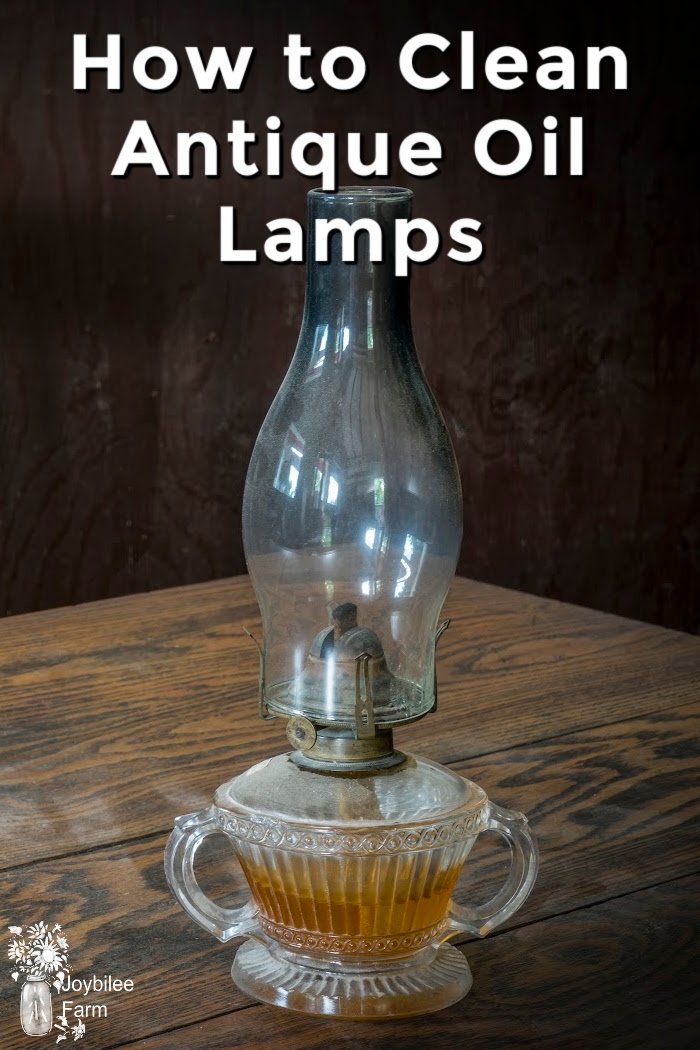
To restore the lustrous shine of your Eagle oil lamp, it’s essential to start with a thorough cleaning process. Here’s a step-by-step guide:
- Begin by gently wiping away any dust or debris using a soft cloth.
- For stubborn tarnish, mix a solution of warm water and mild dish soap. Dip a non-abrasive sponge or cloth into the solution.
- Gently rub the tarnished areas, ensuring not to apply excessive pressure that could damage the lamp’s surface.
- Rinse the lamp with clean water and carefully dry it with a soft cloth.
- For additional shine, you can use a metal polish specifically designed for brass or copper. Apply the polish according to the manufacturer’s instructions and buff the lamp with a clean, dry cloth.
4.2 Repairing Damaged Components
If you find any damaged components on your Eagle oil lamp, it’s essential to repair them promptly to preserve the lamp’s integrity. Here are some common repairs:
- If the burner is not functioning properly, consider replacing the wick or adjusting the burner mechanism.
- In case of a cracked or chipped glass chimney, you can purchase a replacement online or consult a professional glassblower for repair.
- For loose or missing screws, tighten them carefully or find suitable replacements.
4.3 Replacing Missing Parts
In some cases, your Eagle oil lamp may have missing parts that need to be replaced. It’s essential to find authentic replacement parts to maintain its historical accuracy. Here are a few options:
- Search online antique stores or auction websites for vintage Eagle lamp parts that match your model.
- Consult with specialized lamp restoration professionals who can assist in finding or crafting suitable replacements.
- Join online communities or forums dedicated to antique lamps where fellow collectors may have spare parts available for purchase or trade.
4.4 Proper Storage And Display
After restoring and repairing your Eagle oil lamp, it’s crucial to store and display it correctly to ensure its longevity and showcase its beauty:
- Keep the lamp in a cool and dry environment to prevent corrosion and damage.
- When displaying the lamp, ensure it is positioned securely and away from potential hazards.
- Consider using glass or acrylic display cases to protect the lamp from dust and accidental damage.
- Regularly dust the lamp using a soft, non-abrasive cloth to keep it looking its best.
With these restoration and maintenance tips, you can preserve the charm and historical significance of your Eagle oil lamp for generations to come.
Credit: joybileefarm.com
5. Eagle Oil Lamps In The Modern Era
Eagle Oil Lamps have a rich history, dating back to ancient times. Even in the modern era, these timeless lamps continue to be cherished for their beauty and historical significance. Their age is a testament to the enduring appeal of these iconic light sources.
Eagle oil lamps have a long and fascinating history, but they are not simply relics of the past. In fact, these lamps are still relevant and sought after in the modern era. Whether it’s for contemporary uses and decorations, finding reproductions and replicas, or engaging in the art of collecting, there is much to explore when it comes to eagle oil lamps today.
5.1 Contemporary Uses And Decorations
In the modern era, eagle oil lamps have found new purposes beyond their original function of providing light. Their elegant and timeless designs make them perfect for adding a touch of antique charm to any space. From homes to restaurants, hotels to event venues, these lamps can serve as decorative pieces that enhance the overall ambiance. Whether you choose to display them in their original form or repurpose them as unique centerpieces or statement pieces, eagle oil lamps bring a sense of nostalgia and sophistication.
5.2 Reproductions And Replicas
If you’re looking to own an eagle oil lamp but don’t have access to an original antique piece, fear not. The demand for these lamps has led to the production of reproductions and replicas. While they may not carry the same historical value as an authentic vintage lamp, these imitations can still be a great addition to your collection or serve as functional pieces. Reproductions and replicas come in various styles and finishes, allowing you to find the perfect one to suit your taste and home decor.
5.3 Collecting Eagle Oil Lamps Today
Collecting eagle oil lamps today can be an exciting pursuit for antique enthusiasts. With their rich history and enduring allure, these lamps hold both sentimental and investment value. If you’re interested in starting a collection, it’s essential to educate yourself about different styles, makers, and periods of production.
Familiarize yourself with the distinctive features and markings to identify authentic pieces. Consider attending auctions, antique fairs, or joining online communities dedicated to lamp collectors. By networking with fellow enthusiasts and experts, you can expand your knowledge and build a valuable collection over time.
In conclusion, eagle oil lamps are not just relics from the past. They continue to capture the imagination of individuals who appreciate their historical significance and timeless beauty. Whether used for decoration, obtained as reproductions, or collected for their value, eagle oil lamps hold a special place in the modern era.

Credit: www.ebay.com
Frequently Asked Questions For How Old Are Eagle Oil Lamps
How Old Are Eagle Oil Lamps?
Eagle Oil Lamps have a rich history dating back to the late 19th century, making them over 100 years old.
What Are Some Distinguishing Features Of Eagle Oil Lamps?
Eagle Oil Lamps are known for their ornate designs, often featuring intricate patterns, vibrant colors, and beautifully crafted glass shades.
How Were Eagle Oil Lamps Used In The Past?
In the past, Eagle Oil Lamps were an essential source of lighting before the advent of electricity. They were commonly used in homes and businesses for illumination.
Where Can I Find Authentic Eagle Oil Lamps Today?
Authentic Eagle Oil Lamps can be found in antique stores, online marketplaces, and auctions that specialize in vintage lighting fixtures.
Conclusion
The age of Eagle Oil Lamps can vary depending on various factors such as design, production date, and historical background. These vintage lamps hold a certain charm and have become highly sought-after collectibles. By exploring their origins and understanding their significance, we can appreciate the craftsmanship and history behind these timeless pieces.
Whether you are a collector or simply curious about antique lamps, studying their age can provide valuable insights into their value and historical context.

I’m Emily Johnson, an affiliate marketer and blogger focused on lamps and lighting. I share honest reviews, simple buying guides, and practical tips. My goal is to help readers choose the right lamp for their space, style, and budget with confidence.