To use an infrared lamp for sinusitis, simply position the lamp near your face, keeping it a safe distance away, and allow the infrared heat to penetrate your sinuses for around 10-15 minutes. This therapy can help relieve congestion and reduce inflammation in the sinus cavities.
Infrared light has proven to be beneficial for sinusitis treatment, as it helps increase blood circulation, promotes healing, and provides pain relief. Additionally, it can stimulate the immune system and improve overall sinus health. Using an infrared lamp is a convenient and effective way to manage sinusitis symptoms at home.
Introduction to Infrared Lamp Therapy for Sinusitis
Discover the benefits of using infrared lamp therapy for sinusitis. Learn how to effectively use an infrared lamp to relieve sinus congestion and promote healing.
If you suffer from sinusitis, you’re no stranger to the uncomfortable symptoms that it brings. The congestion, headaches, and pressure can make it difficult to carry out your daily activities.
While there are various treatment options available, one lesser-known but effective method to alleviate sinusitis symptoms is infrared lamp therapy.
What Is Infrared Lamp Therapy?
Infrared lamp therapy involves using a specialized lamp that emits infrared light waves to provide therapeutic benefits. These lamps generate heat that penetrates deep into the skin, targeting the affected areas and promoting healing from within.
This non-invasive and drug-free therapy stimulates blood circulation, reduces inflammation, and relieves pain, making it an ideal choice for sinusitis treatment.
How Does Infrared Lamp Therapy Work?
The infrared light emitted by the lamp interacts with the cells in your body, stimulating the production of adenosine triphosphate (ATP) – the building blocks of energy.
This increased ATP production enhances cellular functions, boosts the immune system, and accelerates tissue repair, helping to reduce the inflammation and congestion associated with sinusitis.
Furthermore, the deep heat generated by the therapy increases blood flow to the sinuses, improving the drainage of mucus and reducing the pressure and discomfort caused by congestion. The soothing warmth of the infrared light also helps to relax tense muscles in the face and head, easing any tension-related pain and promoting overall relaxation.
Benefits of Infrared Lamp Therapy for Sinusitis
The benefits of using infrared lamp therapy for sinusitis are numerous. Firstly, it provides a natural alternative to medication, eliminating the potential side effects that often come with pharmaceutical treatments.
Additionally, this therapy can be easily performed at home, allowing you to conveniently incorporate it into your daily routine.
Moreover, infrared lamp therapy is both safe and cost-effective, making it an accessible option for those seeking relief from sinusitis symptoms. The increased blood circulation and heat generated by the therapy also help to boost the immune system, aiding in the prevention of further sinus infections.
In conclusion, infrared lamp therapy offers a non-invasive and safe way to alleviate the symptoms of sinusitis. By targeting the affected areas with deep-penetrating infrared light, this therapy helps reduce inflammation, improve circulation, and provide long-term relief from sinusitis discomfort.
Credit: therasage.com
How to Use Infrared Lamp for Sinusitis? Effective Techniques
Sinusitis, commonly known as a sinus infection, can cause discomfort and pain. Infrared lamp therapy is a natural and non-invasive method that can help alleviate symptoms and promote healing.
By using an infrared lamp, you can provide targeted heat therapy to your sinuses, which can help reduce inflammation, improve blood circulation, and relieve sinus pressure.
Choosing the Right Infrared Lamp
When it comes to selecting an infrared lamp for sinusitis, there are a few factors to consider. It is important to choose a lamp with the right wavelength and intensity. Look for a lamp that emits medium-wave infrared radiation, which is known to penetrate deeper into the tissues and provide more effective therapy.
Additionally, ensure that the lamp has adjustable settings to control the intensity and duration of the treatment.
Preparing for Infrared Lamp Therapy
Before starting your infrared lamp therapy session, it is essential to prepare properly. Here are some steps to follow:
- Cleanse your face and remove any makeup or skincare products.
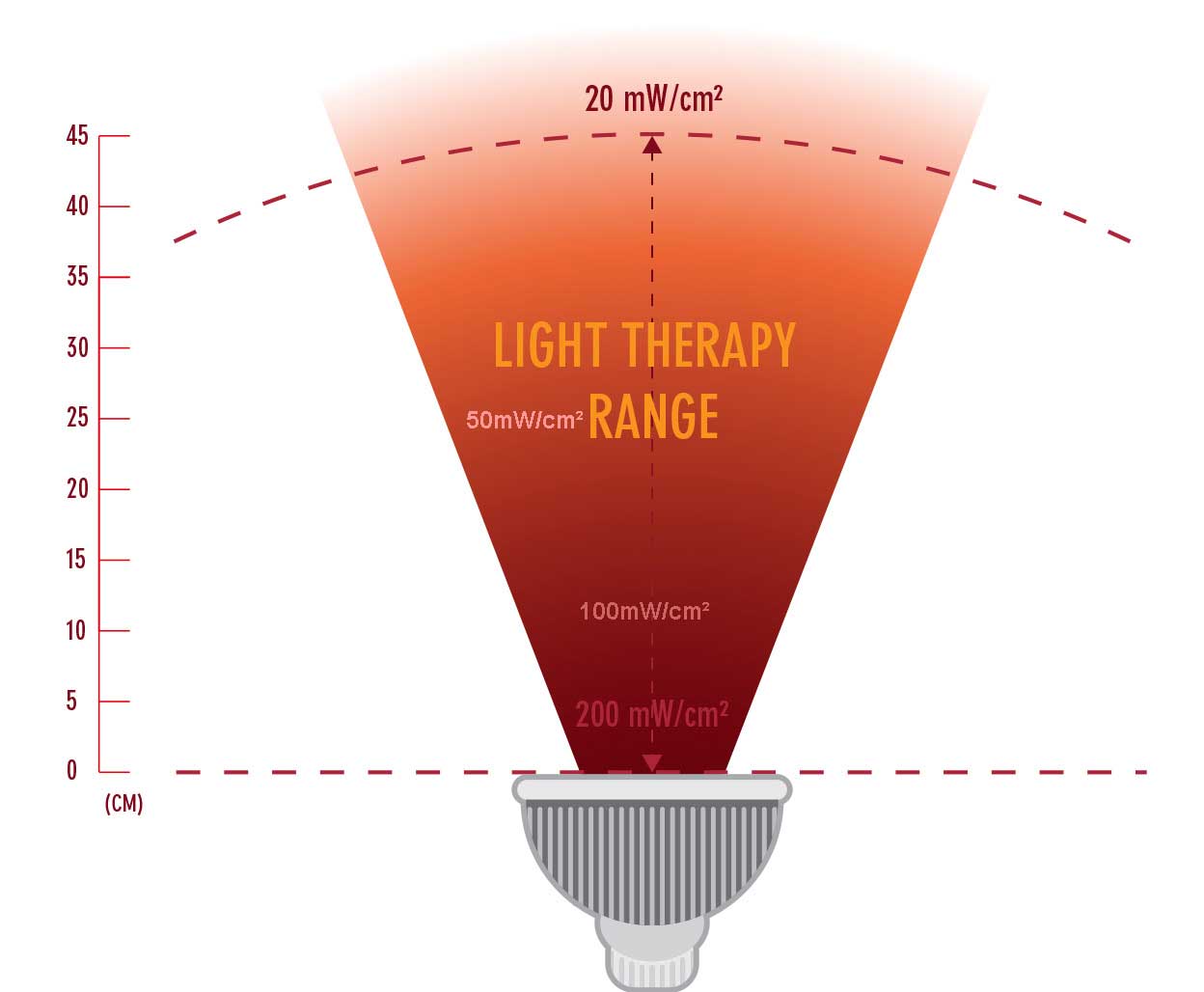
- Position the infrared lamp at a comfortable distance from your face, usually about 6-12 inches away.
- Ensure there are no flammable materials or objects nearby, as the lamp will emit heat.
Applying Infrared Lamp Therapy
Now that you have prepared for your therapy session, it is time to apply the infrared lamp.
- Turn on the lamp and adjust the intensity according to your comfort level.
- Close your eyes and relax, allowing the warmth from the lamp to penetrate your sinuses.
- Move the lamp in small circular motions around your face, focusing on the areas where you feel the most sinus pressure or discomfort.
- Continue the therapy session for about 10-15 minutes, or as directed by your healthcare professional.
Duration and Frequency of Infrared Lamp Therapy
The duration and frequency of infrared lamp therapy can vary depending on the severity of your sinusitis and your personal preferences. It is recommended to start with shorter sessions, around 10 minutes, and gradually increasing the duration as you become more comfortable.
As for frequency, you can typically use infrared lamp therapy once or twice a day, or as recommended by your healthcare professional.
Remember, infrared lamp therapy for sinusitis is a complementary treatment and should not replace medical advice or prescribed medications. If your symptoms persist or worsen, it is essential to consult a healthcare professional for further evaluation and guidance.
Precautions and Safety Measures
Using an infrared lamp for sinusitis can provide effective relief and promote healing. However, it is important to take necessary precautions and follow safety measures to ensure optimal results and avoid any potential risks.
Consulting with a healthcare professional, ensuring proper hygiene during infrared lamp therapy, and understanding potential side effects and risks are key elements to consider. Let’s dive deeper into each of these aspects to ensure a safe and successful infrared lamp therapy experience.
Consulting With a Healthcare Professional
Before starting any new treatment, it is always advisable to consult with a healthcare professional, especially if you have underlying medical conditions or are taking any medications. They can assess your individual situation and provide personalized recommendations regarding the use of infrared lamp therapy for sinusitis.
Additionally, it is important to inform your healthcare professional about any allergies or sensitivities you may have, as certain individuals may be more prone to adverse reactions from infrared lamp therapy.
Ensuring Proper Hygiene During Infrared Lamp Therapy
Hygiene plays a crucial role in ensuring the effectiveness and safety of infrared lamp therapy. Follow these guidelines to maintain proper hygiene during your sessions:
- Wash your hands thoroughly before and after handling the infrared lamp.
- Clean the lamp with a soft cloth and mild disinfectant before each use to remove any dust or debris.
- Avoid sharing the infrared lamp with others to prevent cross-contamination.
- Ensure that the area where you use the lamp is clean and free from any potential hazards.
By practicing good hygiene habits, you can minimize the risk of infections and maximize the benefits of infrared lamp therapy for sinusitis.
Potential Side Effects and Risks
While infrared lamp therapy is generally safe, it is essential to be aware of potential side effects and risks that may occur. These can vary from person to person, and it is crucial to listen to your body and discontinue use if you experience any adverse reactions.
Possible side effects of infrared lamp therapy for sinusitis may include:
- Skin irritation or redness at the treatment site.
- Increased nasal congestion and dryness.
- Headache or dizziness.
If you experience any severe or prolonged side effects, it is important to seek medical attention promptly.
Additionally, certain individuals may have contraindications for infrared lamp therapy, such as pregnancy, active infections, or certain skin conditions. It is essential to thoroughly research and understand these contraindications or consult with a healthcare professional to determine if infrared lamp therapy is suitable for you.
By following these precautions and safety measures, you can safely incorporate infrared lamp therapy into your sinusitis treatment regimen and experience its potential benefits. Remember to always prioritize your health and consult with a healthcare professional for personalized advice.
Alternative Therapies For Sinusitis
Sinusitis, commonly known as a sinus infection, can cause discomfort and affect daily life. While medication and conventional treatments are commonly used, some individuals prefer alternative therapies for sinusitis.
These therapies focus on natural remedies that can ease symptoms and promote healing. In this article, we will explore several alternative therapies for sinusitis and their potential benefits.
Nasal Irrigation and Saline Rinse
Nasal irrigation, also known as saline rinse, is a common alternative therapy for sinusitis. This method involves flushing out the nasal passages with a saltwater solution to help remove mucus and improve breathing. Saline rinses can be performed using a neti pot or a nasal spray bottle.
Benefits of nasal irrigation and saline rinse for sinusitis:
- Clearing mucus and allergens from the nasal passages.
- Reduce nasal congestion and sinus pressure.
- Moisturizing the nasal lining and reducing dryness.
Steam Inhalation
Steam inhalation is another effective alternative therapy for sinusitis. This method involves inhaling warm, humid air to help soothe the nasal passages and relieve congestion. Steam inhalation can be done by using a bowl of hot water or a steam inhaler.
Benefits of steam inhalation for sinusitis:
- Moisturizing nasal passages and reducing dryness.
- Loosening mucus and easing its elimination.
- Reduce nasal congestion and promote better breathing.
Acupuncture
Acupuncture, an ancient Chinese therapy, has gained popularity as an alternative treatment for sinusitis. This therapy involves inserting thin needles into specific points on the body to stimulate healing and restore balance. Acupuncture may help alleviate sinusitis symptoms and improve overall well-being.
Potential benefits of acupuncture for sinusitis:
- Reduce inflammation and pain associated with sinusitis.
- Stimulating the body’s natural healing mechanisms.
- Promoting better sinus drainage and improving breathing.
Essential Oils For Sinusitis
Essential oils have been used for centuries for their various therapeutic properties. Certain essential oils may help alleviate sinusitis symptoms when used appropriately. It is important to note that essential oils should be diluted and used with caution to avoid skin irritation or other adverse reactions.
Potential benefits of essential oils for sinusitis:
- Relieving nasal congestion and promoting better breathing.
- Reduce inflammation and pain associated with sinusitis.
- Provide a soothing and calming effect on the respiratory system.
It’s important to consult with a healthcare professional before trying any alternative therapy for sinusitis, especially if you have underlying health conditions or are taking medications. These therapies can be used in conjunction with conventional treatments to enhance symptom relief and promote overall well-being.
Credit: redlightman.com
Frequently Asked Questions About How To Use Infrared Lamp For Sinusitis
Is Infrared Light Good For Sinus Infection?
Infrared light may be beneficial for sinus infections. Applying low-intensity red light energy to the affected area can help reduce inflammation and improve drainage, easing sinus pain. It should not be used as a sole treatment and can be used in combination with other proven methods.
How Do You Use Red Light For Sinuses?
To use red light for sinuses, apply low intensity red light energy to your nose for a short period of time, usually about three minutes. This can help reduce inflammation, improve drainage, and ease sinus pain. Be sure to follow instructions and consult with a healthcare professional if needed.
How Long Should You Use Infrared Lamp?
You can use an infrared lamp for sinusitis for a short amount of time, usually about three minutes.
Where Do You Put Heat For A Sinus Infection?
To alleviate sinus infections, apply a warm compress over your eyes and nose. This helps warm the nasal passages and loosen mucus. Use a cold compress on your forehead or eyes to reduce sinus pressure.
Conclusion
To conclude, using an infrared lamp for sinusitis can be a beneficial and natural method for managing symptoms. By applying low intensity red light energy to the affected area, it can help reduce inflammation, improve drainage, and alleviate pain.
Additionally, using a warm or cold compress in conjunction with the infrared lamp can further aid in relieving sinus pressure.
Incorporating this treatment option into your sinusitis management routine may provide relief and improve overall sinus health.

I’m Emily Johnson, an affiliate marketer and blogger focused on lamps and lighting. I share honest reviews, simple buying guides, and practical tips. My goal is to help readers choose the right lamp for their space, style, and budget with confidence.