Choosing the perfect lampshade can make all the difference in both the look and functionality of your table lamp. It’s surprising how a mismatch in size can disrupt the harmony of an otherwise beautifully arranged space. So, how exactly does one measure a lampshade to fit a table lamp seamlessly?
To start, understanding the history of lampshades highlights their dual role: aesthetic appeal and light diffusion. When measuring, a rule of thumb is that the height of the shade should be approximately three-quarters the height of the lamp base. This simple solution ensures a balanced and proportional look every time.
- Measure the lamp base height and choose a shade that’s about three-quarters of this height.
- Measure the top diameter, bottom diameter, and slant height of the shade to ensure proper fit.
- Check fitting type (spider, uno, clip-on) and measure fitting size for compatibility with your lamp.
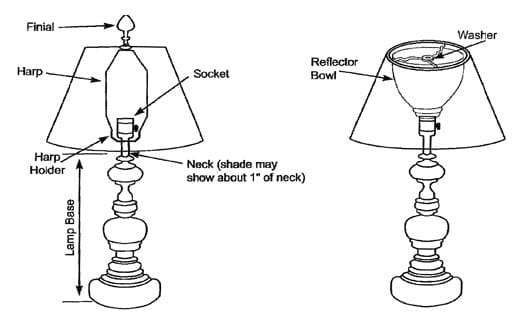
How to Measure a Lampshade for a Table Lamp
Measuring a lampshade for a table lamp is quite straightforward. First, you’ll want to note the height of your lamp base. This will guide the ideal height for your lampshade. The shade’s height should be approximately three-quarters of the base height. This ensures a visually pleasing proportion.
Next, consider the diameter of the lampshade. The widest part of the lampshade should match the widest part of the lamp base. A general rule is that the bottom diameter of the shade should be about twice the width of the base. This balance ensures that your lampshade neither looks too big nor too small.
A key measurement is the slope of the shade. This determines how it spreads out. To find this, measure the slant from the top opening to the bottom edge. This helps in selecting a shade that complements the lamp’s shape.
Finally, remember to measure the fitting size. This is the part that attaches the shade to the lamp. Ensure it’s compatible with your lamp’s harp or holder. Following these steps will help you find the perfect lampshade for your table lamp.
Step 1: Distinguishing Between Lamp and Shade Measurements
Understanding the difference between lamp and shade measurements is essential. Lamp measurements include the height from the base to the top of the bulb socket. It also considers the width at the lamp’s widest point. Shade measurements, on the other hand, focus on the height, top diameter, and bottom diameter. Knowing these distinctions helps in selecting the right shade.
The height and width of your lamp affect the size of the shade you need. For a balanced look, the shade height should be about three-quarters of the lamp base height. It’s important to measure the lamp accurately. Use a tape measure to get precise dimensions. This step ensures a good fit.
When measuring the shade, focus on three main areas. These include the top diameter, bottom diameter, and the slant height. The slant height is the distance from the top opening to the bottom edge along the angled side. These measurements determine how the shade will sit on the lamp.
Don’t forget about the fitting size. The shade’s fitting needs to match the lamp’s harp or holder type. Measure this carefully to avoid mismatches. Following these guidelines will simplify your lampshade selection process.
Step 2: Measuring the Diameter
Measuring the diameter of a lampshade is crucial for a good fit. Start by measuring the top diameter. Place a ruler or tape measure across the top opening from edge to edge. Note the measurement in inches or centimeters. This will guide the choice of shade proportions.
Next, measure the bottom diameter. Stretch the tape measure from one side of the bottom opening to the other. This is the widest part of the shade. The bottom diameter should be appropriate for the lamp base. For balance, it should be roughly twice the base’s width.
During this process, ensure that the shade sits level. An uneven measurement can lead to a lop-sided appearance. Take your time to get an accurate reading. This step ensures that the shade will not wobble or tilt when placed on the lamp.
Compare these measurements to the recommended dimensions for your lamp. Some manufacturers provide size guides that can be very helpful. Always double-check to ensure that the top and bottom diameters align well with the lamp’s design. A well-measured shade will enhance both the look and functionality of your lamp.
Step 3: Determining the Height
Determining the height of a lampshade is crucial for both aesthetics and functionality. To start, measure the height of your lamp base. The ideal height for the lampshade should be around three-quarters of the lamp base height. This ensures that the shade covers the bulb but does not overshadow the lamp.
Another factor to consider is the height of the bulb socket. The shade should hide the socket for a clean look. Hold a ruler next to the lamp to measure from the base to the top of the socket. This will give you a clear idea of how tall the shade should be.
Proper height measurement also impacts light diffusion. A taller shade directs light downwards. This is perfect for task lighting, such as reading. On the other hand, a shorter shade spreads light more evenly around the room.
To achieve accuracy, always double-check your measurements. It’s helpful to write them down. Comparing these measurements to recommended guidelines ensures a good fit. A well-proportioned shade elevates the look of your lamp.
Don’t forget to consider the overall style of the lamp and room. A taller, slender lamp may look better with a similarly styled shade. Conversely, a more robust lamp base might require a wider, shorter shade. Balance between the base and shade height goes a long way in achieving a harmonious look.
Step 4: Calculating the Slope
Calculating the slope of a lampshade is an important step in finding the right fit. The slope, also known as the shade’s slant, determines how the shade curves from the top to the bottom. To measure this, you’ll need to take two main measurements. These include the vertical height from top to bottom and the diagonal length along the side. These measurements help in choosing a shade that complements your lamp.
To get started, measure the vertical height of the shade. This is the straight line from the top opening down to the bottom edge. Next, measure the diagonal length. Place the tape measure on the top edge and stretch it down to the bottom edge along one side. Note these measurements as they are crucial for calculating the slope.
A simple formula can help you calculate the slope. Divide the vertical height by the diagonal length. This gives you the slope ratio. For example, if the vertical height is 10 inches and the diagonal length is 12 inches, the slope ratio is 0.83. This ratio can guide you in finding a shade with a similar slope for your lamp.
- Vertical Height: Measure from top to bottom.
- Diagonal Length: Measure along the side from top to bottom.
- Slope Ratio: Divide vertical height by diagonal length.
Choosing a shade with the correct slope ensures it will sit well on the lamp. It also affects how the light is distributed. A well-calculated slope enhances both the look and function of your lamp. Make sure to double-check your measurements for accuracy.
Step 5: Considering the Fitting Size
Considering the fitting size is essential for a lampshade that stays securely in place. The fitting connects the lampshade to the lamp. Different lamps have different fitting types. The most common ones are spider, uno, and clip-on fittings. Knowing your lamp’s fitting type ensures compatibility.
To identify the fitting type, inspect your lamp. A spider fitting sits on a harp and is secured by a finial. Uno fittings screw onto the lamp socket. Clip-on fittings attach directly to the light bulb. Each fitting type requires specific sizes to fit correctly.
Measuring the fitting size involves a few easy steps. For spider fittings, measure the distance between the arms that connect to the central ring. For uno fittings, measure the diameter of the inner circle that screws onto the socket. Clip-on fittings require measurement across the span of the clips. Accurate measurements ensure the shade will fit snugly.
- Spider fitting: Measure between arms.
- Uno fitting: Measure inner circle diameter.
- Clip-on fitting: Measure span of clips.
Choosing the correct fitting size guarantees stability and safety. It also influences the overall look of the lamp. An ill-fitted shade can tilt or fall off, posing risks. Therefore, always ensure your measurements are precise before purchasing a new lampshade. This small step makes a big difference.
The Importance of Accurate Lampshade Measurements
Accurate lampshade measurements are essential for both functionality and aesthetics. A well-measured shade ensures balanced light distribution, enhancing the room’s ambiance. It also prevents glare and shadows, making your space more comfortable. This small attention to detail can significantly impact your lighting experience.
Incorrect measurements can lead to various issues. First, a lampshade that is too small may expose the bulb, creating unflattering lighting. Conversely, a shade that is too large can overshadow the lamp base. This imbalance not only looks awkward but may also affect the stability of the lamp.
Besides look and function, accurate measurements ensure safety. A poorly fitted shade could tilt or even fall off, posing risks like breakage or fire hazards. Precision in fitting size keeps your lamp stable and secure. It’s a simple but crucial aspect often overlooked.
- Balanced light distribution
- Prevention of glare and shadows
- Avoidance of exposure risks
- Stable and secure fit
Ultimately, taking time to measure correctly enhances your overall satisfaction with both lamp and shade. Precise dimensions create harmony between components. This translates into better aesthetics and functionality in your living space. Proper measurement is a worthwhile effort that delivers lasting benefits.
Common Mistakes in Measuring a Lampshade
Measuring a lampshade might seem simple, but it’s easy to make mistakes. One common error is measuring only the height and ignoring the diameter. This can lead to a shade that doesn’t fit well. Always include the top and bottom diameters in your measurements. This ensures the shade will complement the lamp’s design.
Another frequent mistake is neglecting the importance of the fitting size. Many people forget to measure the fitments, leading to mismatches. The fitting type is crucial for a stable lampshade. Whether it’s a spider, uno, or clip-on fitting, accurate measurements are necessary. Proper fitting prevents the shade from wobbling or falling off.
Some also confuse the lamp base measurements with the shade measurements. These two sets of measurements are distinct but related. The shade’s height should be proportionate to the lamp base height. But measuring the base alone won’t help in finding the right shade. Ensure both sets of measurements are accurately taken and used appropriately.
Lastly, using the wrong tools can lead to inaccurate measurements. A tape measure is more effective than a ruler for measuring curves and slopes. Precision matters when it comes to lampshades. Taking the time to use the right tools and double-check measurements can save you from purchasing errors.
- Measure both height and diameter
- Include fitting size measurements
- Distinguish between base and shade measurements
- Use accurate measuring tools
Being aware of these common mistakes can make the process smoother. Accurate measurements result in better fits and enhanced aesthetics. Avoiding errors will save you time and money. These tips will help ensure your lampshade fits perfectly and looks stunning on your table lamp.
Choosing the Right Lampshade for Your Table Lamp
Selecting the right lampshade for your table lamp involves several factors. First, consider the style of your lamp base. A modern lamp base looks best with a contemporary shade. Conversely, a vintage lamp base pairs well with a classic shade. Matching styles create a harmonious look.
Next, think about the room’s decor. The lampshade should complement the existing color scheme and furniture style. Neutral colors like white and beige are versatile and blend well. Bold colors can serve as accent pieces. Consider the mood you want to create in the room.
Material also plays a significant role. Fabric shades offer a soft, diffused light, ideal for cozy settings. Metal or glass shades give a more focused light. They are perfect for reading or tasks. The material affects both light quality and the room’s atmosphere.
The size of the lampshade is another important factor. Ensure it’s proportionate to the lamp base. The height of the shade should be about three-quarters of the base height. The bottom diameter should roughly match the width of the lamp base. Accurate measurements ensure a well-fitting shade.
- Match shade style with lamp base
- Complement room decor
- Choose material wisely
- Consider size and proportions
Lastly, don’t forget the fitting type. The shade’s fitting must be compatible with the lamp’s fitting. Common fittings include spider, uno, and clip-on styles. Confirm the fitting size to ensure a secure and stable attachment. By considering these factors, you can choose a lampshade that enhances both the look and functionality of your table lamp.
Tips for Maintaining Your Lampshade
Maintaining your lampshade keeps it looking fresh and extends its lifespan. Regular cleaning is essential, especially for fabric shades. Use a soft brush or a vacuum with a brush attachment to remove dust. For deeper cleaning, a mild soap solution can be used. Gently wipe the shade and let it air dry.
Avoid using harsh chemicals on your lampshade. These can damage the material and fade colors. If your lampshade is paper or parchment, stick to dry cleaning methods. A lightly damp cloth can be used for sturdier materials like glass or metal. Always test a small area first to be safe.
Make sure to keep your lampshade away from direct sunlight. Prolonged exposure can cause fading and weaken the fabric. Rotate the shade occasionally to ensure even wear. This simple step can prolong the life and appearance of your lampshade. Avoid placing your lamp in warm, humid environments to reduce wear and tear.
- Regularly dust and vacuum
- Use mild soap for deeper cleaning
- Avoid harsh chemicals
- Keep away from direct sunlight
- Rotate shade for even wear
Inspect your lampshade for any signs of damage or wear. Small tears or loose fittings should be addressed promptly. Repairing these issues early can prevent further damage. Always handle your lampshade with care to avoid unnecessary damage. These maintenance tips will help keep your lampshade in top condition.
Frequently Asked Questions
Below are some common questions about choosing and measuring lampshades. These answers help make sure your lampshade fits well and looks great.
1. What are the different types of lampshade fittings?
The most common fittings are spider, uno, and clip-on. Spider fittings sit on a harp and secure with a finial. Uno fittings screw onto the lamp socket directly. Clip-on fittings attach to the light bulb itself.
Understanding these fitting types is crucial for compatibility with your lamp. Always check the fitting type and size before purchasing a new lampshade to avoid mismatches.
2. How do you clean a fabric lampshade?
A fabric lampshade can be gently cleaned with a soft brush or vacuumed using a brush attachment. For deeper cleaning, use a mild soap solution to wipe down the shade carefully, then let it air dry completely.
Avoid harsh chemicals as they can damage the fabric or cause colors to fade. Regular cleaning will extend the lifespan and maintain the appearance of your lampshade.
3. Why is it important to match the lampshade style with the base?
Matching the style of the lampshade with the base creates visual harmony in your room decor. A modern base looks best with contemporary shades, while vintage bases pair well with classic designs.
This attention to detail enhances both aesthetics and functionality, making your table lamp an attractive centerpiece in any space.
4. What materials are best for lampshades?
The choice of material affects both light quality and room ambiance. Fabric shades provide soft, diffused lighting ideal for cozy settings, while metal or glass shades offer more focused light suited for task lighting like reading.
Selecting suitable material depends on your lighting needs and room’s mood. Different materials also require different care methods to maintain their look over time.
5.What common mistakes should you avoid when measuring for a new shade?
Avoid measuring only one dimension; always measure height as well as top and bottom diameters for accuracy. Neglecting fitting size can result in an unstable or ill-fitting shade, so make sure those measurements are precise too.
Using incorrect tools like rulers instead of tape measures can lead to errors; always double-check dimensions before purchasing a new shade for best results.
Conclusion
Measuring a lampshade for your table lamp ensures a harmonious look and optimal light distribution. Accurate measurements for height, diameter, and fitting size prevent common pitfalls and mismatches. Following these steps will lead to a perfectly fitting lampshade.
Paying attention to material, style, and maintenance will further enhance your lamp’s aesthetics and longevity. A well-measured and maintained lampshade not only adds to your decor but also creates a warm and inviting atmosphere. Proper care and selection go a long way in achieving this.

I’m Emily Johnson, an affiliate marketer and blogger focused on lamps and lighting. I share honest reviews, simple buying guides, and practical tips. My goal is to help readers choose the right lamp for their space, style, and budget with confidence.