
Have you ever considered how a simple lampshade can completely transform the ambiance of a room? The process of fitting a lampshade onto a table lamp, though seemingly straightforward, carries nuances that can make or break the overall aesthetics. Expertise in this task ensures the perfect balance between functionality and design.
The history of lampshades dates back centuries, evolving from simple candle protectors to intricate art pieces. A well-fitted lampshade not only enhances light diffusion but also contributes significantly to room décor. Surprisingly, 67% of interior designers believe that choosing the right shade is as crucial as selecting the lamp itself.
- Remove the finial from the top of the lamp.
- Lift off any existing lampshade carefully.
- Place the new lampshade onto the harp or socket ring.
- Screw the finial back on to secure the shade in place.
- Ensure the shade is balanced and straight, then turn on the lamp to check light diffusion.
:max_bytes(150000):strip_icc()/types-of-lampshade-fittings-6742943-final-2-53530431336341488a799406cb5c33a5.png)
How to Put a Lampshade on a Table Lamp
To start, identify the type of table lamp and lampshade you have. Different lamps may have different attachments, like a harp or just a socket ring. This distinction affects how you place the lampshade. Make sure you have the right tools ready, if needed. This can include a screwdriver or pliers, depending on the attachment style.
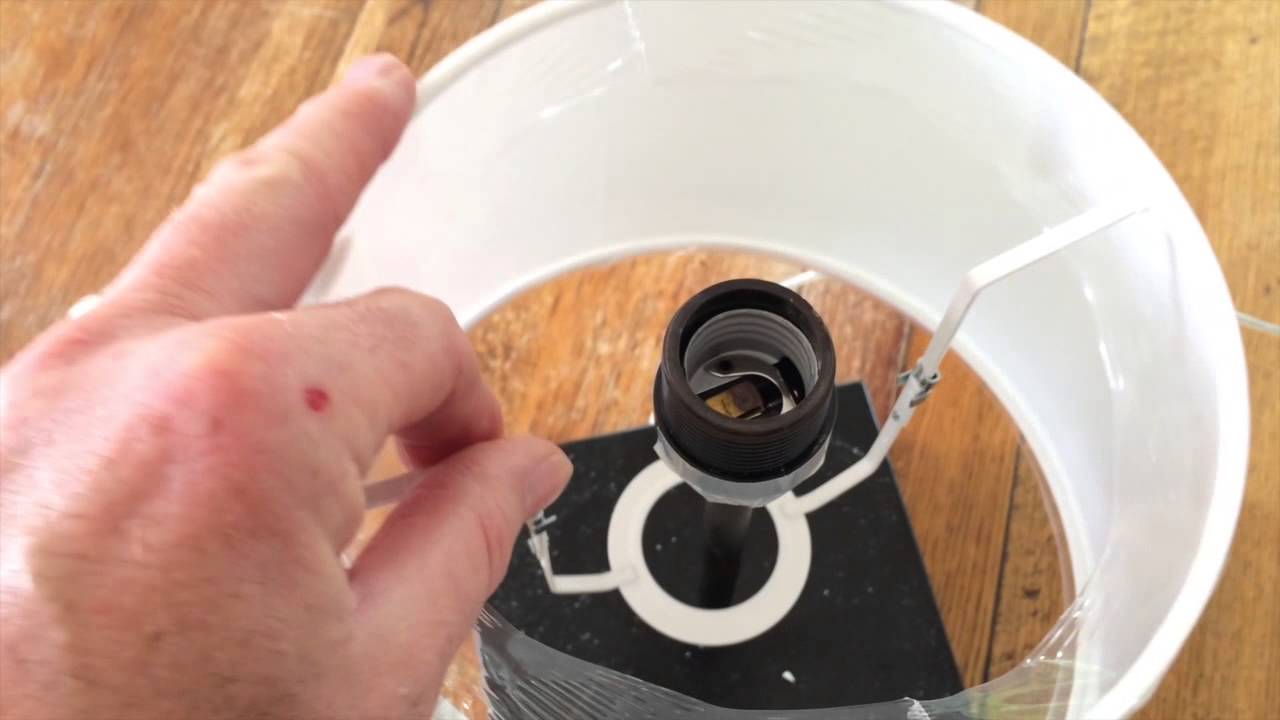
Next, unscrew the finial at the top of the lamp. This is the small knob that holds the lampshade in place. Carefully remove the old shade, if there is one. Check the harp to make sure it is correctly positioned. This mechanism will support the new lampshade securely.
Now, place the new lampshade over the harp or socket ring. Align it properly so that it’s balanced and straight. Replace the finial to secure the shade. Tighten it gently but firmly. Double-check to make sure everything is stable.
A lampshade can do more than just cover a bulb; it diffuses light beautifully. Different materials will affect the quality of the illumination. Choosing the right shade can enhance your room’s ambiance remarkably. Always clean the lampshade to keep it looking new. Dust and dirt can accumulate quickly.
Recognizing the Type of Lamp and Shade
Recognizing the type of lamp you have is essential before choosing a lampshade. Table lamps come in various designs like pendant, floor, and desk styles. Each design may require a specific kind of shade. Spend some time observing the lamp’s structure to identify key features. This will guide you in selecting the perfect shade.
The material of the lampshade also plays a significant role. Fabric shades provide a softer light, making the room feel cozy. Metal or glass shades offer a more focused, brighter light. Consider the ambiance you want to create. This can help you choose the right material.
Look for any special attachments on your lamp, such as harps or socket rings. These attachments will determine how you fit the lampshade. Knowing these details will save you time during installation. Make sure all parts are in good condition.
Lastly, consider the shape and size of the lampshade. Common shapes include drum, empire, and bell. The shade should proportionally fit the lamp base. A mismatched size can make the lamp look awkward. Measure both the lamp and shade to ensure they complement each other.
Assembling Necessary Tools
To begin, gather all the tools you may need for fitting a lampsh shade. Basic tools often used include a screwdriver and a pair of pliers. It’s also helpful to have a ruler or measuring tape on hand. This ensures all parts fit together perfectly. Organize these tools on a clean workspace before starting.
Not all lamps require complex tools; some may just need your hands. For lamps with socket rings, you won’t need much more than a steady grip. If the lamp uses a harp, a small wrench might be necessary. Keep different types of screwdrivers available. This helps if the lamp has unique fasteners.
To avoid any mix-ups, you can use a small container to keep screws and other tiny parts safe. Losing a screw can halt your progress. Label the container if you’re working on multiple lamps. This method keeps everything in order. It also makes reassembly much easier.
Finally, have a soft cloth or duster to clean any parts. Dust and dirt can affect how well the components fit together. Wipe down both the lamp and the shade. Maintaining a clean workspace ensures the final setup looks pristine. Clean parts will also last longer.
Fitting the Lampshade
Begin by removing the finial from the top of the lamp. This small knob usually screws off easily. Once it’s off, carefully lift the old shade if there is one. Make sure not to tilt or damage the lamp. This step clears the way for the new shade.
Next, place the new lampshade over the harp or socket ring. Ensure it’s centered and sits straight. This aligns it properly for the next steps. Check all sides to make certain it is balanced. This will give a neat and organized look.
Once the shade is in place, reattach the finial. Screw it back on just enough to hold the shade firmly but not too tightly. Over-tightening can damage the components. This step secures the shade. Verify that the shade is stable and secure.
If your lamp has a unique fitting mechanism, follow those specific instructions. Some lamps come with clip-on shades that fit directly over the bulb. For these, simply clip the shade onto the bulb. Always be cautious to avoid breaking the bulb. This will differ based on the design.
Consider using a level to ensure the lampshade is not tilted. A tilted shade can make the lamp look unbalanced. Adjust as necessary to get it perfectly straight. It’s a small step but makes a big difference. This attention to detail enhances the overall appearance.
Finally, turn on the lamp to see how the new shade affects the light. Different shades can change the quality and spread of light. Make any last-minute adjustments as needed. Enjoy the new look and ambiance the lampshade provides. It completes the setup perfectly.
The Role of Lampshade in Light Diffusion
Lampshades play a crucial role in how light spreads in a room. They diffuse light, making it softer and more pleasant. This can reduce harsh shadows and create a cozy atmosphere. Different materials and colors affect how light is dispersed. Choosing the right shade can enhance your room’s overall feel.
Shades made from fabric usually offer a warm, diffused light. These create a relaxing ambiance perfect for living rooms or bedrooms. On the other hand, metal or glass shades provide a more focused light. This can be ideal for reading or working spaces. It’s important to pick the material that suits your needs.
The shape and size of the lampshade also influence light diffusion. Larger shades spread light over a wider area. Smaller shades concentrate light in a specific spot. The shape can direct the light differently, depending on its design. Consider these factors to achieve the desired lighting effect.
Many people don’t realize how much a lampshade contributes to efficient lighting. Replacing a shade can significantly change the light quality. It’s a simple improvement but can make a big difference. You may even consider seasonal changes to your lampshades. This approach keeps your living spaces feeling fresh year-round.
There are also special lampshades designed to control light more precisely. For instance, blackout shades can block almost all light. These are great for bedrooms to ensure better sleep. In contrast, translucent shades allow a gentle light to permeate. This variety ensures that every need can be met with the right lampshade.
Expert Tips for Choosing the Right Lampshade for Your Table Lamp
Choosing the right lampshade can significantly impact your space’s overall look and feel. Consider the purpose of the lamp when selecting a shade. Is it for reading, ambient light, or decoration? This will influence the shape, size, and material you choose. Matching these elements creates a cohesive look.
Size is crucial when picking a lampshade. A shade that is too big can overwhelm the lamp, while a too-small shade can look disproportionate. As a general rule, the height of the shade should be approximately three-quarters the height of the lamp base. The width should be double the width of the base at its widest point. This balance ensures an aesthetically pleasing appearance.
The shape of the lampshade also matters. Common shapes include drum, empire, and bell. Drum shades offer a modern, sleek look. Empire shades are more traditional and have a classic appeal. Bell shades provide a more elegant and sophisticated feel.
Material choice affects both the appearance and function of the lamp. Fabric shades create a soft, diffuse light that’s ideal for cozy, relaxing spaces. Metal or glass shades focus light, making them great for task lighting. Some materials, like paper or rattan, offer unique textural elements. The material should complement the room’s décor and lighting needs.
Color and pattern can’t be overlooked. Lighter colors expand the light, while darker shades can make the room feel intimate. Patterns can add a playful or sophisticated touch, depending on the design. Consider the existing color scheme of the room. This will help you choose a shade that enhances the space.
Don’t forget the lamp’s surroundings. The lampshade you choose should fit well within its set environment. For example, a bold, modern shade may not suit a traditionally styled room. Take into account the furniture and other design elements around the lamp. This ensures a harmonious overall look.
Frequently Asked Questions
Here are some common questions and answers about lampshades, their importance, and how to choose the right one for your table lamp. These insights can help you make informed decisions and optimize your lighting setup.
1. What are the different types of lampshades?
Lampshades come in various types including drum, empire, bell, and rectangular shapes. Each type offers a different style and directs light differently. Drum shades have a modern look while empire shades offer a classic feel.
Bells are more elegant, often seen in traditional settings. Rectangular shades bring a contemporary touch to any room. Knowing these can help you choose the best fit for your decor.
2. How does the material of the lampshade affect lighting?
The material of the lampshade greatly influences the quality and distribution of light. Fabric shades create a soft glow, making them ideal for cozy spaces like bedrooms or living rooms.
Metal or glass shades provide focused light, perfect for task-oriented areas like study desks or kitchen counters. Understanding materials helps in optimizing room ambiance effectively.
3. Why is it important to match the size of the lampshade with the lamp base?
A well-sized lampshade ensures aesthetic balance and proper light diffusion. A shade that’s too large can overpower the base, while a small one may look disproportionate.
This balance not only improves visual appeal but also functionality. Proper sizing results in effective lighting without glare or shadows.
4. Can I wash my fabric lampshade?
Yes, most fabric lampshades can be cleaned using mild soap and water, but always check manufacturer guidelines first. Submerge only if it’s safe for water exposure; otherwise, gently wipe with a cloth.
Avoid harsh chemicals as they can damage fabrics or cause discoloration. Keeping your shade clean maintains its appearance and extends its lifespan.
5. Are there eco-friendly options for lampshades?
Yes, several eco-friendly options are available made from sustainable materials like bamboo, recycled paper, or organic cotton. These choices promote sustainability while offering stylish designs.
Sustainable lampshades often lack harmful chemicals found in traditional options. They contribute to an environmentally friendly home décor that doesn’t compromise on style or function.
Final Thoughts
Choosing the right lampshade for your table lamp is more than just a decorative decision. It impacts both the quality of light and the overall ambiance of your room. Paying attention to factors like size, shape, and material helps you create a balanced and functional lighting setup. A well-chosen lampshade enhances both aesthetics and utility.
Understanding the role of lampshades in light diffusion and knowing how to fit one properly can make a significant difference. With the right tools and a bit of knowledge, you can transform any space effortlessly. Whether you’re aiming for a cozy atmosphere or focused task lighting, the perfect lampshade is key. Invest the time to choose wisely and enjoy the benefits for years to come.

I’m Emily Johnson, an affiliate marketer and blogger focused on lamps and lighting. I share honest reviews, simple buying guides, and practical tips. My goal is to help readers choose the right lamp for their space, style, and budget with confidence.