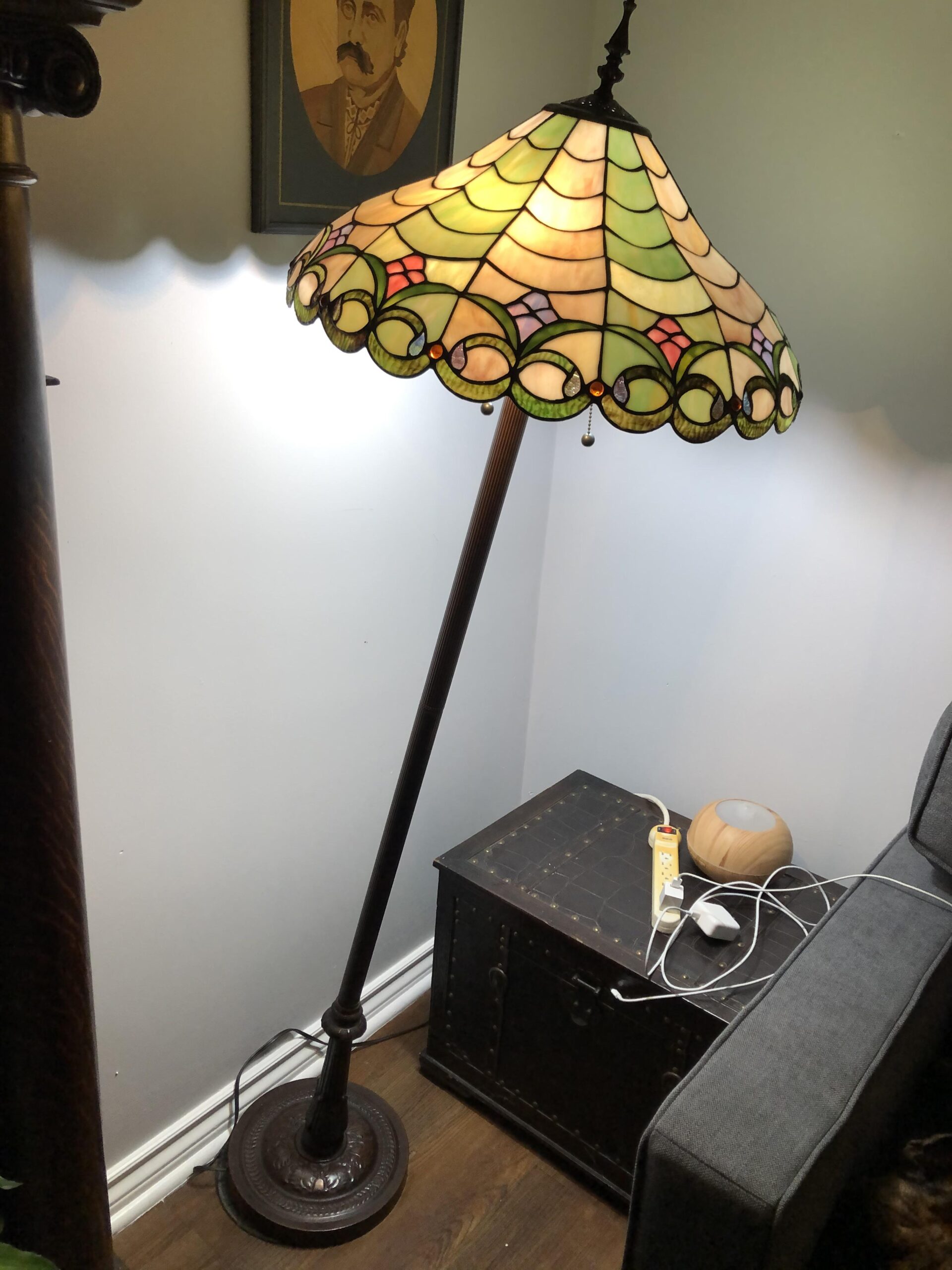
There’s something disconcerting about a floor lamp that can’t stand tall and straight. Perhaps it started with a slight tilt, only to become a noticeable lean, creating an eyesore in an otherwise harmonious room. Interestingly, over 50% of floor lamp users have encountered this issue at some point, highlighting a common yet solvable household predicament.
Fixing a leaning floor lamp often entails inspecting the base for stability issues, which can range from loosened screws to uneven surfaces. Historical designs would use weighted bases, which sometimes shifted over time. Modern solutions might include adding rubber pads or adjusting the tension on the screws to ensure an upright stance. These straightforward adjustments can restore both the aesthetic and functional integrity of your lamp.
- Inspect the entire lamp for any visible issues or damage.
- Tighten all screws and bolts to ensure they are secure.
- Check the base for stability and add rubber pads if necessary.
- Add weights to the base if it’s too light to support the lamp.
- Recheck the lamp’s posture and make final adjustments as needed.

How to Fix a Leaning Floor Lamp
Fixing a leaning floor lamp begins with a thorough inspection. Check every part, from the base to the screws connecting the pieces. You might find that the screws have loosened over time, causing the instability. Often, tightening these screws is an effective solution. If not, the problem might be with the lamp’s base.
Next, make sure the base is stable. An uneven floor can be the culprit, too, so try placing the lamp on different surfaces to see if that helps. If the base is wobbly, adding rubber pads can increase its grip on the floor. This simple tweak can prevent further leaning issues. Also, ensure that the lamp isn’t top-heavy, as this can lead to imbalance.
If your lamp’s base remains unstable, you may need to take more significant steps. You can reinforce the base with additional weights—this will provide extra stability. According to this article, making such adjustments can dramatically improve the lamp’s sturdiness. Another option is to replace the base altogether if it’s beyond repair.
After making the necessary adjustments, recheck the lamp’s posture. Ensure it’s standing upright without any tilt. If it’s still leaning, retrace your steps to make sure nothing was missed. Keeping these tips in mind, you can also prevent future issues. Regular maintenance and periodic checks can help your floor lamp stay straight and functional.
Step 1: Inspecting the Lamp for Possible Issues
Start by examining the entire lamp to identify any visible problems. Look for bent components or parts that seem out of place. Check if the lamp’s stem has any visible damage or bends. Sometimes, even a slight bend can cause the lamp to lean. Pay attention to the connections between different parts as well.
Then, inspect the base of the lamp carefully. Make sure it’s flat and has no cracks or uneven spots. If you notice any debris or uneven surfaces, clean them out. Ensure the base is securely attached to the lamp. According to this resource, a stable base is crucial for preventing the lamp from leaning.
Next, check all the screws and bolts holding the lamp together. These can become loose over time due to vibrations and use. Use a screwdriver or wrench to tighten any that are loose, but be careful not to overtighten them. This step is simple but often overlooked. A tightened screw can make a big difference.
Finally, test the lamp by gently shaking it after inspecting everything. This helps to identify any remaining weak points. If the lamp feels stable and doesn’t wobble, your inspection is complete. Otherwise, you may need to repeat the inspection for any missed issues. Proper inspection sets the foundation for effective repairs.
Step 2: Tightening Loosened Screws
Tightening loosened screws is a straightforward but essential step in fixing a leaning floor lamp. Begin by gathering the necessary tools, such as a screwdriver or wrench. Identify which screws and bolts are loose or shaky. Ensure you have a firm grip, preventing any accidental slipping. Tighten each screw carefully but avoid overtightening, as this could damage the threads.
Create a systematic approach.
- Start at the base and work upward.
- Check each joint and connection as you go.
- Re-tighten screws that hold the base, pole, and lamp head.
This method ensures that you don’t miss any potential issues along the way.
Once you’ve tightened all the screws, it’s time to test the lamp again. Gently wobble the lamp to see if it’s still leaning. If the lamp remains stable, you’ve likely resolved the issue. If not, double-check the screws and bolts one more time. Sometimes hidden screws or bolts can be the culprits.
Regular maintenance is key to preventing future problems. Make a habit of periodically checking and tightening screws to keep your floor lamp in good shape. For further guidance, you can refer to detailed articles on similar repairs, ensuring a long-lasting and stable lamp setup.
Step 3: Checking the Base Stability
Ensuring the base stability of your floor lamp is crucial for keeping it from leaning. Start by placing the lamp on a flat, level surface. Observe if it wobbles or tilts. If it does, the base might not be even. An uneven base can make the lamp unstable and more likely to lean.
Another important aspect is the weight distribution of the base. Ideally, the base should be heavier than the rest of the lamp to provide a low center of gravity. If the base is too light, consider adding weights to it. You can use items like sandbags or weighted discs. Make sure these are placed securely and don’t interfere with the lamp’s function.
Create a checklist.
- Check for cracks or damage on the base.
- Make sure the base is fully assembled.
- Ensure any added weights are securely attached.
This will help you systematically approach the problem.
If your floor surface is uneven, using adjustable feet or rubber pads can help. These can compensate for small irregularities on the floor and improve stability. Sometimes, simply repositioning the lamp can solve the issue. Move it to a different spot in the room and see if the leaning stops.
Additional tools like spirit levels can be useful. Place a spirit level on the base to check its alignment. This will give you a more precise idea of what needs to be adjusted. Making small corrections based on these readings can significantly improve the lamp’s posture.
Regularly check the base, especially if the lamp gets moved around often. Consistent monitoring ensures long-term stability. By focusing on the base stability, you can resolve many leaning issues effectively.
Step 4: Implementing Fixes for a Wobbly Base
To fix a wobbly base, the first step is to ensure all parts are tightly secured. Check for any loose screws or bolts. Tighten them with a screwdriver or wrench. This simple action can often resolve minor wobbling issues. However, some cases may require additional measures.
Sometimes, the base itself might be uneven or damaged. In such cases, consider adding rubber pads to the bottom. These pads increase friction and provide extra stability. You can find rubber pads at most hardware stores. They are easy to attach and can work wonders.
If rubber pads don’t solve the problem, you might need to add some weight to the base.
- Use sandbags or weighted discs.
- Place them evenly around the base.
- Make sure they don’t interfere with the lamp’s operation.
This will create a more stable foundation.
An alternative solution is using adjustable feet on the base. These feet can be raised or lowered to match the floor’s unevenness. They are particularly useful on uneven surfaces. You can easily adjust them until the lamp stands firm. These small adjustments can make a big difference.
Check the floor for any irregularities. If the lamp wobbles despite all efforts, it could be because of the surface it’s standing on. Place a level on the floor to detect any tilts. Making small changes to the floor arrangement could also be an effective fix.
For persistent problems, consider replacing the base altogether. Sometimes, older lamps may have bases that have worn out over time. A new base can provide the necessary support. This may be a more durable, long-term solution for your wobbly lamp.
Step 5: Rechecking the Lamp’s Posture
After implementing all the fixes, it’s crucial to recheck the lamp’s posture. Start by standing back and visually inspecting the lamp. Ensure it appears straight from different angles. If it still seems to lean, closely examine every part you’ve adjusted. Even minor misalignments can affect overall stability.
Next, gently shake the lamp to test its firmness. If it remains steady, your fixes have likely been successful. If there’s any movement, identify the source and make necessary adjustments. This may involve re-tightening screws or adjusting the base again. Stability is key to preventing future leaning.
Use a spirit level to get a precise reading of the lamp’s posture.
| Action | Purpose |
|---|---|
| Place the level on the base | Check for evenness |
| Move the level up the stem | Ensure the entire length is straight |
| Adjust as needed | Maintain alignment |
This will help identify any remaining tilt issues.
Ensure that the floor beneath the lamp is even. Sometimes, an uneven surface can be the cause of the problem. You can use adjustable feet or rubber pads to level the base. By securing the base, you enhance the lamp’s overall stability. Ensure the floor area is clean and free from any obstructions.
Regularly monitor the lamp’s position over time. By periodically checking, you can catch small issues before they become big problems. This preventative step helps maintain the lamp’s posture for longer. Consistent care ensures your floor lamp stays upright and functional.
Why Do Floor Lamps Start Leaning?
Floor lamps can start leaning for several reasons, and it often begins with the base. Over time, the screws and bolts holding the base in place can loosen. This causes instability and makes the lamp more prone to tilting. Regular use and movement of the lamp further exacerbate this issue. Therefore, frequent checks are essential.
Another common cause is an uneven floor surface. Even a slight incline or carpet variation can tip your balance off.
- Hardwood floors with irregularities
- Uneven tile surfaces
- Thick carpets causing imbalance
These factors can make a seemingly stable lamp start leaning without any apparent reason.
The materials and design of the lamp also matter. Some lamps are top-heavy due to their design, making them naturally unstable. For instance, those with heavy lamp heads or extended arms are more susceptible to leaning over time. Lighter bases can’t always counterbalance these upper weights effectively.
Deterioration from wear and tear also plays a role. Older lamps may have worn-out components that don’t hold up as well as they used to. Plastic parts might crack, and metal pieces can bend over time. Routine maintenance helps but won’t entirely prevent this natural aging process.
Poor assembly or manufacturing defects might be the culprits too.
| Issue | Description |
|---|---|
| Loose screws from factory | Lamp was never stable from purchase |
| Mismatched parts | Bases not aligning correctly with stems |
Lamps bought at discount rates might be more prone to such issues due to compromised quality controls.
Considerations When Fixing a Leaning Floor Lamp
When fixing a leaning floor lamp, the first consideration is safety. Make sure to unplug the lamp before beginning any repairs. Handling electrical components can be risky, so prioritize your safety. Use insulated tools and ensure your working area is dry. These precautions minimize the risk of electrical shock.
Assess the materials involved in the lamp’s construction. Different materials require different approaches. For instance, metal bases might need a different repair method compared to plastic ones. Note the screws, bolts, and other connecting elements. Use appropriate tools for each type to avoid damage.
Evaluate the severity of the lean.
- Slight tilt
- Moderate lean
- Severe wobble
For minor issues, tightening screws might do the trick. More severe leans may require complete disassembly and reassembly. Identifying the level of the problem helps guide your repair strategy.
Consider the compatibility of replacement parts. If you need to replace screws or bolts, make sure they are the correct size and type. Incompatible parts can worsen the problem. Always keep spare parts handy. Replacements that match the original specifications ensure the lamp remains stable.
Professional help is another option if the problem persists. Sometimes, DIY solutions might not be enough to fix the issue. Consulting a professional can save time and provide a long-term fix. Professionals have the tools and expertise to handle complex repairs, ensuring your lamp stays stable for years.
Maintaining the aesthetics of the lamp is also important. Avoid using fixes that are visually unappealing. Transparent or hidden solutions are often best. This way, you ensure that the lamp not only stands straight but also looks good. A well-repaired lamp enhances both functionality and decor.
How to Prevent Your Floor Lamp from Leaning in the Future
Preventing your floor lamp from leaning in the future starts with regular maintenance. Periodically check the screws and bolts to ensure they remain tight. Loose components are a common cause of instability. By keeping them secure, you can prevent many leaning issues. Create a checklist to remind you to perform these checks regularly.
Consider using rubber pads or non-slip mats under the base. These provide extra grip and stabilize the lamp. In addition, they help protect your floors from scratches. Ensure the pads are properly positioned under the base. This small investment can significantly enhance stability.
Proper placement is also essential in preventing your lamp from leaning. Avoid placing the lamp in high-traffic areas where it might get bumped frequently.
- Corners of rooms
- Behind furniture
- Near walls
These spots are less likely to be disturbed. This strategy minimizes the risk of the lamp getting knocked over, keeping it upright longer.
Weight distribution plays a crucial role. Make sure the lamp’s base is heavy enough to support the upper parts. If necessary, add extra weights to the base. This adjustment helps maintain a balanced center of gravity. A stable base supports the entire structure of the lamp.
Regular inspection and cleaning can also prevent leaning. Dust and debris can accumulate and create an uneven surface. Clean the base and surrounding area regularly. This effort keeps the lamp standing tall and free from unexpected tilts. A clean lamp is not just aesthetically pleasing but also more functional.
Finally, educate family members about the importance of lamp stability. Simple instructions like avoiding rough handling can go a long way. When everyone is mindful, the risk of accidental knocks decreases. By following these tips, you can enjoy a well-standing, functional floor lamp for years.
Maintenance Tips for a Long-Lasting Floor Lamp
Regular cleaning is essential for maintaining your floor lamp’s longevity. Dust can accumulate and affect its joints and electrical components. Use a soft cloth to wipe down the lamp, paying special attention to the base and any crevices. Avoid using harsh chemicals that could damage the material. A clean lamp not only looks better but also performs more effectively.
Inspect the electrical components periodically to ensure they are in good condition. Check the plug and cord for any signs of wear or fraying. If you notice any damage, it’s crucial to replace the damaged parts immediately to prevent electrical hazards. Ensure that the switch works smoothly. Consistent monitoring can avert potential electrical issues.
Screw-tightening should be part of your routine maintenance. Over time, screws can loosen due to regular use.
- Check all screws and bolts
- Tighten as needed
- Use appropriate tools
This simple step ensures that your lamp remains stable and functional.
Replacing bulbs safely and consistently is another important aspect. Overused bulbs can flicker or even short-circuit, compromising the lamp’s efficiency. Always use the recommended wattage for your lamp to ensure optimal performance. Turn off and unplug the lamp before replacing any bulb. This step ensures both safety and efficiency.
Consider adding a surge protector to your lamp’s power source. Power surges can damage electrical components. A surge protector can mitigate these risks, extending the lifespan of your lamp. It’s a small investment that offers considerable protection. Ensure that the protector is compatible with your lamp.
Lastly, keep the lamp in a stable environment. Avoid placing it in areas of extreme temperature or humidity. These conditions can warp the materials over time. A stable environment helps maintain the lamp’s integrity and ensures a longer lifespan. Regular attention and care can make your floor lamp a reliable lighting solution for years to come.
Frequently Asked Questions
Here are some common questions and answers related to fixing and maintaining floor lamps. These tips can help you address various problems and ensure your lamp stands strong and tall.
1. What tools do I need to fix a leaning floor lamp?
To fix a leaning floor lamp, you’ll need a screwdriver, wrench, rubber pads, and possibly weights. These items help in tightening screws, securing the base, and adding stability to prevent further tilting.
A spirit level can also be useful for checking alignment. Having spare screws and bolts on hand ensures you won’t have delays during repairs.
2. Why is my new floor lamp already leaning?
New floor lamps might lean due to loose screws from the factory or uneven weight distribution. Make sure all components are securely tightened before initial use.
An unstable surface can also cause leaning. Placing the lamp on different flat surfaces can help identify if this is the problem.
3. How often should I perform maintenance checks on my floor lamp?
You should perform maintenance checks on your floor lamp every six months. This includes tightening screws, cleaning dust, and checking for any damage or wear that might affect stability.
If the lamp is frequently moved or used heavily, consider more frequent inspections. Regular maintenance helps catch minor issues before they become major problems.
4. Can adding weights to the base stabilize my floor lamp?
Yes, adding weights to the base can significantly improve your floor lamp’s stability. Common options include sandbags or weighted discs that fit securely at the bottom of the lamp.
This method distributes weight evenly and lowers the center of gravity, making it less likely for the lamp to lean or fall over easily.
5. Are there any specific brands known for durable and stable floor lamps?
Certain brands are renowned for crafting durable and stable floor lamps with reliable designs such as Ikea, Brightech, and Philips offer models praised for their quality construction.
Reading product reviews can provide insights into other users’ experiences regarding stability issues as well as praises about long-lasting performance since choosing a reputable brand reduces future headaches related to leaning lamps ensuring you make an informed decision.
Conclusion
Fixing a leaning floor lamp doesn’t have to be a daunting task. With the right tools and knowledge, maintaining its stability becomes straightforward. Regular checks and adjustments can prevent many common issues, ensuring your lamp remains functional and aesthetically pleasing.
By following the outlined steps and tips, you can address any wobbling problems effectively. Whether it’s tightening screws or adding weights, these practical solutions will help keep your floor lamp standing tall. Keep these guidelines in mind for a reliable, long-lasting lighting solution in your home.

I’m Emily Johnson, an affiliate marketer and blogger focused on lamps and lighting. I share honest reviews, simple buying guides, and practical tips. My goal is to help readers choose the right lamp for their space, style, and budget with confidence.