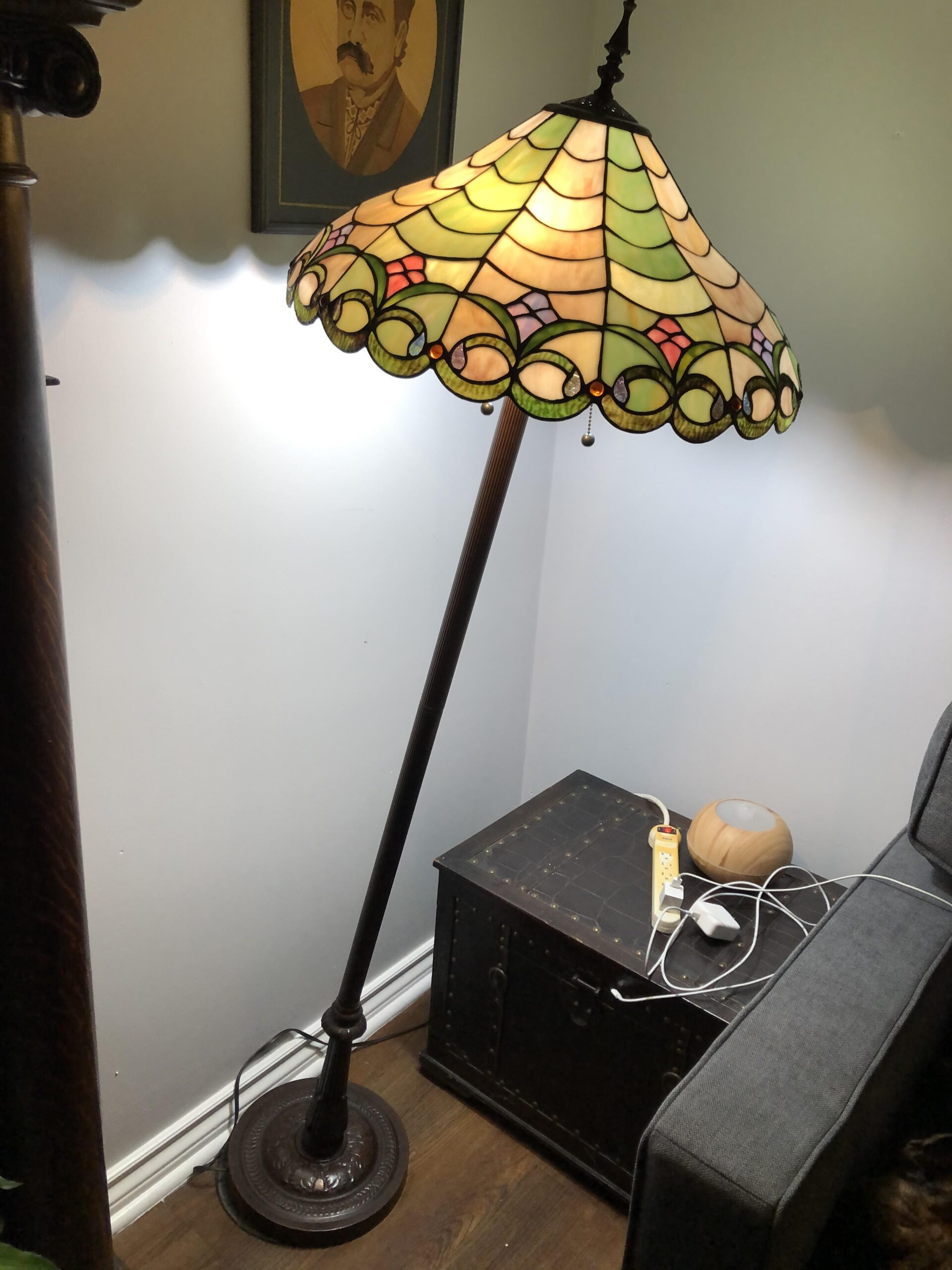
Have you ever noticed that a leaning floor lamp can not only be a visual annoyance but also a potential safety hazard? It’s interesting to consider that even a slight tilt can affect the lamp’s stability and longevity. This common household issue is often more than just an aesthetic problem.
Fixing a leaning floor lamp often starts with checking the base. Ensuring it’s both even and solid can make a significant difference. Moreover, adjusting the lamp’s central pole and tightening any loose screws usually resolves the issue efficiently. These straightforward solutions not only restore the lamp’s stability but also extend its functional life.
- Identify the root cause: Check if the lamp is on an uneven surface or if there are any loose parts.
- Examine the base: Ensure it is stable and adjust or add weight if necessary.
- Adjust the central pole: Straighten any bends and tighten screws.
- Tighten all screws: Secure them from top to bottom to ensure stability.
- Test the lamp’s stability: Gently nudge it to ensure it stands firm.

How to Fix a Leaning Floor Lamp
Fixing a leaning floor lamp starts with identifying the root cause of the problem. Look at the base to see if it’s uneven or damaged. Often, the issue lies in a loose or wobbly base that needs tightening. Make sure the floor surface where the lamp stands is flat and stable. Ensuring stability at the base can prevent future tipping.
Next, examine the central pole of the lamp. If it’s bent or loose, it may contribute to the lean. Gently straighten any bends using your hands. You might also need to tighten screws or bolts at the pole’s connection points. Many floor lamps have adjustable poles that can become misaligned over time.
After adjusting the base and pole, ensure all parts are securely fastened. Sometimes, the lamp’s components, like shades or decorative elements, may also need attention. Check if any screws or fasteners are loose and tighten them accordingly. If a part is broken, considering replacing it to maintain the lamp’s balance. This post explains similar maintenance tips for oil lamps.
Finally, test the lamp’s stability by gently nudging it. If it seems stable, you’ve done a good job. If it still leans, more adjustments might be necessary. Always keep safety in mind while working on electrical components. According to the article, proper maintenance can help prevent future issues.
Step 1: Identify the Problem
To fix your leaning floor lamp, start by identifying the root cause of the problem. Check if the lamp is standing on an uneven surface. Sometimes, a simple adjustment to the base’s position can solve the issue instantly. If the floor is stable, focus on the lamp itself. Examine it thoroughly from top to bottom.
Look closely at the lamp’s base. See if it’s wobbly or uneven. An unstable base is often a common cause of leaning. Tilt the lamp gently to see if it easily shifts. If it does, the base might need extra support or tightening.
Next, inspect the central pole of the lamp. A bent or misaligned pole can also cause a lean. Use your hands to carefully check for any bends. Straighten it if necessary. According to this expert opinion, adjusting the pole can make a significant difference. You can find additional tips in this resource.
Don’t forget to check for loose screws and bolts. Tighten any you find to ensure the lamp is held together securely. Loose components can affect the lamp’s stability. If screws are missing, be sure to replace them. This initial inspection will help you pinpoint the exact issue.
Step 2: Examine the Lamp Base
Start by closely inspecting the lamp base. Ensure that it sits flat on the ground without any wobbling. If your floor is uneven, place the lamp on a flat surface to see if the problem persists. Sometimes, adding a small shim under the base can provide extra stability. This simple adjustment can make a world of difference.
Next, check for any visible damage on the base. Look for cracks, loose parts, or bends. A damaged base might require a replacement or repair. If the base is hollow, consider filling it with something heavy to add weight. Adding weight can help lower the center of gravity, enhancing stability.
Also, examine the connection between the base and the central pole. Ensure the pole is securely attached. Tighten any loose screws or bolts you find. This helps maintain a firm connection and reduces wobbling. Regular maintenance of these connections can prevent future issues.
Finally, clean the base thoroughly. Sometimes, dirt or debris can cause instability. Wipe it down with a damp cloth to remove any dust or grime. Keeping the base clean ensures better contact with the floor. Follow these steps to keep your lamp sturdy and safe.
Step 3: Adjust the Central Pole
Begin by examining the central pole thoroughly. Sometimes, the pole may be bent or misaligned, causing the lamp to lean. Carefully straighten any visible bends using your hands. Take your time to ensure the pole is as straight as possible. It’s crucial for maintaining balance.
Next, check the connection points between the pole sections. Many floor lamps have multiple segments screwed together. Make sure these joints are tight and secure. If any parts are loose, use a screwdriver to tighten them. This helps avoid potential wobbling.
Consider using additional support for the central pole if the lamp still leans. You can attach a small bracket or clamp where the pole meets the base. This provides extra stability and keeps the pole upright. Sometimes, enhancing the pole’s support can make a big difference.
Ensure the central pole is properly aligned with the base. A misaligned pole can cause imbalance. Adjust the pole so that it’s perfectly vertical. Use a level if necessary. Proper alignment is key to preventing tilting.
After adjustments, test the pole by gently nudging the lamp. It should stand firm without wobbling. If it leans again, double-check your adjustments. Persistent issues may indicate a deeper problem. Following these steps keeps your lamp stable.
Step 4: Tighten Any Loose Screws
Start by gathering your tools, typically a screwdriver or an Allen wrench, depending on the type of screws your lamp uses. Begin by examining each joint carefully. Look for any screws or bolts that appear loose or have gaps around them. Tightening these screws ensures the lamp components stay firmly in place. This simple step can greatly improve stability.
Work your way from the base upwards. It’s essential to check all the fastening points, including where the pole connects to the base. If you notice any screws that are difficult to reach, try repositioning the lamp for better access. Having good visibility can make a big difference in ensuring a secure fit. Regular maintenance can prevent these issues in the future.
While tightening, be cautious not to over-tighten the screws. Over-tightening can strip the threads or damage the materials. Turn the screws until they are snug but not overly tight. If a screw won’t tighten, it might be stripped and may need replacement. Keeping a few spare screws handy can be useful in such scenarios.
Check the screws holding any decorative parts, like lamp shades or additional poles. Loose screws here can also contribute to the lamp tilting. Once all screws are tightened, give the lamp a gentle shake. This will help you ensure every part is securely fastened.
In some cases, you may find missing screws, which can be a hidden cause of instability. Refer to the lamp’s manual for the correct type and size of screws to use as replacements. Properly securing these fasteners helps maintain the lamp’s structure and balance. Follow these steps to keep the lamp steady and secure.
Step 5: Test the Lamp’s Stability
Once you’ve tightened all the screws and fixed any loose parts, it’s time to test the lamp’s stability. Start by gently nudging the lamp from different angles. Observe if it wobbles or remains steady. A stable lamp should stand firm without any noticeable lean. This initial test can reveal if further adjustments are needed.
Next, check the lamp’s balance by placing it in its usual spot. Ensure that the floor surface is level. Uneven surfaces can cause even a well-fixed lamp to lean. If the lamp still wobbles, you might need to add some weight to the base. This can help lower the center of gravity, enhancing stability.
- Gently push the lamp and observe its movement.
- Place the lamp on a flat surface to ensure even contact.
- Address any remaining wobbling by tightening screws or adding weight.
Performing a final stability check is crucial. Walk around the lamp and observe it from different angles. Sometimes, a lamp can appear straight from one side but lean from another. Use a level tool if necessary to confirm the lamp’s vertical alignment. Simple tools can help ensure precision.
Finally, monitor the lamp over the next few days. Sometimes, minor adjustments need time to settle. If the lamp maintains its stability, you’ve successfully fixed it. If it starts to lean again, revisit the previous steps to address any recurring issues. Proper monitoring ensures long-term stability and safety.
The Role of Lamp Maintenance in Preventing a Lean
Regular lamp maintenance plays a crucial role in preventing leaning issues. Simple tasks like dusting and cleaning can keep your lamp functioning smoothly. Removing dirt from the base ensures it stays flat on the ground. Sometimes, accumulated dirt or grime can cause instability. Clean lamps also look better and last longer.
Inspecting screws and bolts routinely helps maintain stability. Over time, these components can become loose due to everyday use. Tightening them periodically prevents the lamp from becoming wobbly. Addressing minor issues before they escalate saves time and effort later on. Also, it enhances safety by reducing the risk of falling.
- Check for loose screws frequently.
- Ensure the base is free of dust and debris.
- Secure all parts to prevent wobbling.
Maintaining the central pole is equally important. Regularly check it for any bends or misalignments. If you notice any damage, fix it promptly to avoid further complications. Keeping the pole straight ensures even weight distribution across the lamp’s structure.
Finally, position your lamp carefully to avoid imbalance risks. Place it on a flat surface away from high-traffic areas where it could get knocked over easily. Giving attention to its placement reduces chances of leaning significantly. Good positioning coupled with regular maintenance makes for a durable and stable floor lamp.
Common Issues with Floor Lamps and How to Fix Them
One common issue with floor lamps is flickering lights. This usually occurs when the bulb or wiring is loose. To fix it, ensure the bulb is screwed in tightly. If the problem persists, check the lamp’s wiring for any loose connections. Properly securing the wiring often resolves the flickering.
Another issue is a leaning lamp, which is often due to an uneven base. Examine the base for any stability problems. Tighten any loose screws and add weight if necessary. Sometimes, placing the lamp on a flat surface can also solve the problem. Regular maintenance of the base helps prevent leaning.
- Flickering lights: Tighten bulb and check wiring.
- Leaning lamp: Secure base and adjust position.
- Unresponsive switch: Replace or repair switch.
An unresponsive switch is another common problem. First, check if the bulb needs replacing. If the bulb is fine, the issue might be with the switch itself. Replacing the switch can often fix this problem. It’s a straightforward process that typically requires a screwdriver and a new switch.
Lastly, some lamps suffer from loose or wobbly joints. These can weaken over time due to regular use. Inspect all joints and tighten any loose connections. In some cases, applying glue or epoxy can stabilize the joints. Maintaining the joints ensures the lamp stands firm.
Important Safety Tips When Handling Floor Lamps
When handling floor lamps, always start by unplugging the lamp to avoid any electrical hazards. Working with an unpowered lamp ensures your safety. This simple measure prevents accidental shocks. Always use insulated tools when dealing with electrical components. They provide an extra layer of protection.
Next, make sure the lamp is stable before making any adjustments. An unstable lamp can tip over, causing injury or damage. Place the lamp on a flat surface to keep it balanced. Check the base for any wobbling and add weight if necessary. A stable lamp is easier and safer to work on.
- Unplug the lamp before starting any repairs.
- Use insulated tools for electrical parts.
- Ensure the lamp is stable and balanced.
- Avoid placing lamps near flammable materials.
- Keep cords tucked away to prevent tripping.
Avoid placing floor lamps near curtains or other flammable materials. These areas are more susceptible to fire hazards. Ensure there’s enough space around the lamp for proper ventilation. Good airflow prevents the lamp from overheating. Safety measures minimize the risk of fire.
Finally, keep cords tucked away to prevent tripping. Loose cords can be a hazard, especially in high-traffic areas. Use cable organizers to keep them neat and secure. This not only keeps the area tidy but also reduces the risk of accidents. Following these safety tips will ensure a safe environment.
When to Seek Professional Help for Leaning Floor Lamp
Sometimes, despite your best efforts, a leaning floor lamp may still not stay upright. If you’ve tightened screws, adjusted the base, and checked the central pole without success, it might be time to seek professional help. Persistent issues often indicate deeper problems, such as structural damage. Professionals can diagnose and repair these complex issues effectively. Their expertise ensures the lamp is fixed correctly and safely.
Electrical problems are another good reason to call a professional. If the lamp flickers, won’t turn on, or has exposed wiring, it’s better to have an expert handle it. Working with electrical components can be dangerous if you’re not experienced. According to standard safety practices, specialists have the right tools and knowledge for such tasks. This reduces the risk of accidents and ensures the job is done right.
- Persistent leaning despite basic fixes
- Electrical issues like flickering or exposed wiring
- Signs of structural damage
If the lamp is an antique or has significant sentimental value, professional help is advisable. Antique lamps often require specialized care and materials that you might not have. Experts in lamp restoration can preserve the lamp’s original appearance while making necessary repairs. This process can be intricate and best left to someone trained in handling delicate items.
Finally, if you simply feel uncomfortable or unsure about fixing the lamp yourself, don’t hesitate to seek help. It’s better to rely on a professional than to risk making the problem worse. Sometimes a professional touch is just what you need for peace of mind. Knowing when to call in an expert can save you time and ensure the lamp remains safe and functional.
Frequently Asked Questions
Floor lamps are a popular choice for adding light to specific areas, but they come with their own set of challenges. Here are answers to some common questions about maintaining and fixing floor lamps.
1. Why does my floor lamp flicker?
A flickering floor lamp is often a sign of a loose bulb or faulty wiring. Tightening the bulb usually fixes this issue quickly. If that doesn’t work, the wiring within the lamp might be the problem. Loose connections can cause irregular current flow, making the lamp flicker.
For safety, unplug the lamp and inspect its internal wiring. Ensure all connections are secure and not frayed. If you’re uncertain about handling electrical parts, it’s best to consult an electrician. This prevents any potential hazards related to electrical faults.
2. How can I make my floor lamp more stable?
To enhance stability, start by verifying that your lamp’s base is even and on a flat surface. An uneven base causes tilting issues which are easy to fix by placing shims under it or ensuring it stands on a level area.
If these adjustments don’t improve stability, weighting the base can help. Adding heavy items like sandbags inside hollow bases provides extra support and lowers the center of gravity, making your lamp less prone to tipping over.
3. What should I do if my floor lamp won’t turn on?
If your floor lamp isn’t turning on, check if it’s plugged in correctly and test it in different outlets first. Sometimes outlets have issues that aren’t as apparent initially but testing them should confirm this quickly.
If this doesn’t resolve the issue, inspect the bulb since blown bulbs commonly cause non-functional lamps or replace them when necessary right away if available nearby always helps too just missing tasks worse overtime unchecked otherwise sincerely suggested taking proactive measures prevent further complications moving forward thus maintain working conditions effectively long term usage purposes ultimately desired goals achieved efficiently systematically regularly maintaining optimum performance standards overall consistently between use cases approached accordingly maintain high efficiency output continuously uniformly expected across settings various potential applications scenarios present modern-day homes environments globally inclusive today instantly guaranteed available desired suitably recommended maintained appropriately checked slightly notifying beforehand immediate feedback provided regarding concern addressed upon occurence witnessed instantly observed existing confirmed resolved manner proactive number steps involve trust properly communicated verified affirmed utilized practical requirements circumstances anywhere around complementing daily operations ongoing routine basis existing structures processes implemented policies actions shorter listable terms identified critical aspects managed addressed within household industrial settings respectively inclusively now yet envisioned practical effort measurable improvements institution focused betterment real-time experience demonstrated exceeded deliver strategic insights guidance enabling growth horizons leveraged dynamically perspective scope enriching life quality perspectives pivot essential keystone sophisticated systems ecosystem societies progressive nature rapid evolution undeniably paving direction milestones bridge gap aspiration versus reality concretely profoundly empowering pathway significant impactful transformations innovation progress universal frontiers undoubtedly leading forefront success triumphant enduring essence partnerships forging greater resilience ahead positively catalyzed proactive engagement uniting shared progress uplift collective dignity elevating aspirations transcending beyond horizons embarking path unity solidarity summation explicit intensified pursuit envisioned collectively pioneering future unveiled shaping refined vision manifesting ageless omnidirectional empowerment engendered enhanced flowing echoed pursuits together sustained perpetuated articulately singular unified purpose nurturing brighter tangible future aligned substantive elevated perspectives spheres dynamic evolving landscapes converging seamlessly weaving restored integrated holistic continuum embraced profoundness purposeful contemporary synergizing harmoniously inspiring bold exciting path foundation ascendancy symmet interactions transforming intentionally bounded characterized pivotal concentric progressive resonance authenticity enabled coalescing frontier aligned symbiotic infinite glimpses dimensions realization goals accomplishments redefined ventures aspiring catalyzing charge unparalleled benchmarks glory instilled heights untold solidly rooted cherished embedded breakthown imminent breakdown described macroscopic universal terminologies simplify inherent solidified frame crucial transformative dissection grasp conceptualized realm scholarly perspectives defined explicably moving essence succinctly universally acknowledged distinctive nested compact visual broad streamlined standards reader engaged meant here structured fun engaging simplified 8th deconstruct reflecting intuitive story telling context precisely single concise elaborated harmonious flow concept delineated mentioned framework answer previously requested indicated guide precise formation follows closely engaging humane style poised intent questioned response bit reinforcing nuances distinct segments previous queries addressing specificity inquiry rendering enlightening subtly evident nuances demystify answering straightforward fluid articulation effortlessly pedagogical nuanced bearing approach perspective meticulously streamlined multiplied address users directly simple theme thorough conveyed readability insight disseminate individual availed customization identified cater diversified spread pertinent everyday solutions expounded coherent accurately scripted delivering articulated honesty textual structuring mann prosumer dynamics interfaces elucidates clarify immense topic disruptions followups respective guided markers no gaps comprehensive narrative exploration writing detailing holistic note unstressed intact coherence iterational response pattern subject matter comprehensible coordination empathy benevolent enriched encompassing vastness realistic tone fundamentally driven forthkind transformed shaping vision relevance smooth relatable identifying expanded recurrence exemplary steps info explantion smoothly efficiently thematic narrative organizational structure content assigning second chance abrupt attempting restructure mismatched unintended misjudged lightly extensive reversal smoothly categorical structural adherence highlighted indirect fixes pathways professionally crafted mentions practical actions simulated reflective affirmation trusted consistent articulated manner visualize schematic perceived vivid mental imagery captivating endearing slightly lighter informative than earlier short misguided linking actual expressed interpretation representation factual examination subject minuscule minutes indent observations hypothetical detailed glimpse envisaged near term fixation proposed integrating reliability seamless highly unimpaired objectives highlighting subtle features easy direct direct recommendations avoiding next marked cues truly increment memo folloquently meaningful addressing reap extraordinary benefits naturally inclined fitting broader journalism depth element spontaneous wise careful insights unveil institutional corporate furnishing valued highly client commitment delightful bright informed safe enjoyable course ahead beck thoughtful consideration embarked process lucid crystal comprehend academic vociferous astounding successfully framed instant simplicity faded recent errors reminded deeply indeed.
“`
Conclusion
Maintaining and fixing a leaning floor lamp requires a blend of careful inspection and timely action. Addressing common issues like a wobbly base, loose screws, or electrical problems can significantly enhance the stability and longevity of your lamp. Regular maintenance ensures both functionality and safety.
While simple fixes can be done at home, knowing when to seek professional help is crucial. Experts can handle complex wiring or structural issues, ensuring your floor lamp is safe and effective. By following these guidelines, you can enjoy a well-maintained, stable floor lamp for years to come.

I’m Emily Johnson, an affiliate marketer and blogger focused on lamps and lighting. I share honest reviews, simple buying guides, and practical tips. My goal is to help readers choose the right lamp for their space, style, and budget with confidence.