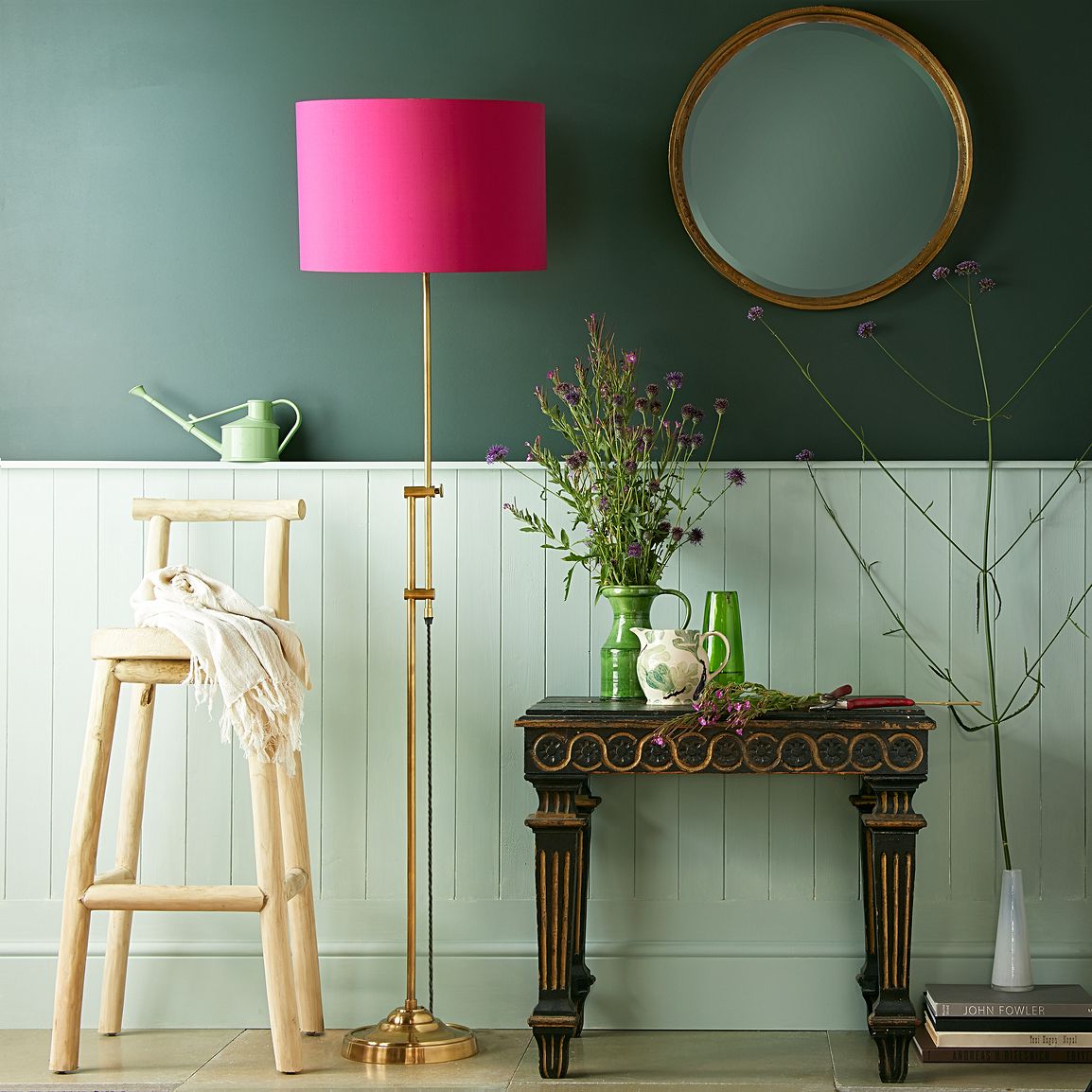
It’s incredible how a well-placed floor lamp can transform a dimly lit room into a cozy haven with just a flip of a switch. Think about it: the right lighting can enhance your mood, improve focus, and even bring out the intricate details in your décor. Floor lamps are especially versatile, able to illuminate dark corners or create soft, ambient lighting as needed.
Historically, floor lamps have bridged the gap between functionality and aesthetics since their inception in the 1800s. Data shows that homes with well-planned lighting are perceived as more inviting and can boost property value by up to 20%. Choosing the right floor lamp involves considering factors such as lighting needs, room size, and the existing interior design to ensure harmony and efficiency.
- Choose floor lamps that match your room’s décor and lighting needs.
- Position the lamps strategically: next to sofas, chairs, or in dark corners.
- Select suitable lampshades that diffuse light evenly.
- Use energy-efficient bulbs like LEDs for optimal brightness and savings.
- Adjust the lamps to enhance ambient light and create a balanced glow.

How to Light a Room With Floor Lamps
Floor lamps are an excellent way to bring light to any room. They are versatile, easy to move, and come in various styles. When choosing a floor lamp, consider the type of lighting you need. Do you need ambient light, task lighting, or accent lighting? Understanding these categories will help you find the perfect lamp for your space.
Start by placing your floor lamp in a strategic spot. Position it behind a sofa or beside a chair to create a cozy reading nook. You can also place it in a dark corner to brighten the space. According to this post, thinking through the lamp’s location can make a significant difference in the room’s overall look and feel.
The right lampshade can dramatically affect your room’s lighting quality. Choose a shade that diffuses light evenly to avoid harsh glares. Materials like fabric or frosted glass work well for this purpose. Additionally, using light color shades can enhance brightness better than darker options.
Finally, pick a bulb that suits your lighting needs. LED bulbs are energy-efficient and long-lasting. You can also opt for dimmable bulbs to adjust lighting levels based on the time of day or activity. For more information on using different types of lamps indoors, check out this article.
Step 1: Choose the Right Floor Lamp
Selecting the perfect floor lamp starts with understanding your lighting needs. Are you looking for a lamp to provide ambient light for the entire room, or do you need focused lighting for reading or tasks? Knowing the primary use of the lamp helps narrow down your choices effectively. According to this post, diverse options cater to different needs, ensuring you find the right match.
Consider the lamp’s design and how it complements your décor. A modern, sleek lamp might fit well in contemporary settings, while a classic, ornate lamp suits a traditional room. Think about the lamp’s height and silhouette. Taller lamps work well for corners and larger spaces. Shorter, more compact lamps are ideal for cozy areas.
Another vital factor is the lamp’s brightness and bulb compatibility. Look for lamps that support a range of bulb types, including LED, incandescent, and halogen. Some lamps come with dimmable options, allowing you to adjust the brightness as needed. This flexibility can enhance the room’s ambiance.
Lastly, don’t forget about the lamp’s stability and safety features. Ensure the base is sturdy to prevent tipping. Check if the lamp has a switch that is easy to access and use. Safety should always be a priority, especially in homes with children or pets.
Step 2: Optimize Positioning of your Floor Lamp
The placement of your floor lamp can make a huge difference in how well the room is lit. Positioning your lamp in natural gathering spots is a practical start. For example, place it next to a sofa or a reading chair. This provides focused lighting for activities like reading or knitting. Proper placement enhances both functionality and ambiance.
Use your floor lamp to highlight specific features in the room. Aim the light towards a piece of art or an architectural element. Doing so draws attention to these features and adds depth to the room. Additionally, placing a lamp near a mirror can reflect more light, making the space feel larger and brighter.
Consider the height and angle of the lamp for optimal lighting. Tall lamps in corners can illuminate large areas, while shorter lamps work well for task lighting. Adjust the lampshade to direct the light where it’s needed most. This customization ensures the light is both effective and pleasing.
Balance your floor lamp with other lighting sources. Use it in conjunction with ceiling lights or table lamps. This creates layers of light, improving the room’s overall brightness. Multiple light sources also reduce harsh shadows, making the room feel warm and inviting.
Step 3: Utilize the Proper Lampshade
Choosing the right lampshade can significantly impact your room’s lighting and overall ambiance. The material of the lampshade determines how the light is diffused. Fabric shades offer a soft, warm glow, while glass shades can create a brighter, more focused light. Assess what kind of lighting you need before making a decision.
Pay attention to the shape of the lampshade as well. A drum-shaped shade spreads light evenly in all directions. Cone-shaped shades direct light downward, making them suitable for reading or tasks. The shape should complement the lamp’s purpose, providing the right type of illumination.
Size also matters when selecting a lampshade. Ensure the shade is proportionate to the lamp base. A large shade on a small lamp can look awkward and vice versa. The right size will balance the lamp’s appearance and optimize its performance.
Colors and patterns on the lampshade can add character to your room. Neutral shades like white or beige blend well with most interiors. If you’re looking to make a statement, opt for bold colors or patterns. These can serve as decorative elements in your living space.
For safety, ensure the shade covers the bulb completely. Exposed bulbs can cause glare and pose a fire risk. Make sure there is enough space between the bulb and the shade to allow heat to dissipate. This is especially important for incandescent and halogen bulbs.
Finally, don’t hesitate to experiment with different styles. Swapping out lampshades can give your room a fresh look without much expense. It’s a simple way to update your décor and improve your lighting setup.
Step 4: Select the Appropriate Bulb
Picking the right bulb is essential for achieving the desired brightness and ambiance in your room. LED bulbs are a popular choice due to their energy efficiency and long lifespan. They come in various color temperatures, from warm white to cool daylight. Choose a warm bulb for a cozy atmosphere or a cool bulb for a more vibrant feel. The lumens rating on the bulb package will indicate its brightness.
Another important factor is the bulb’s wattage. Higher wattage means brighter light, but it also consumes more energy. For most floor lamps, a bulb between 60 to 100 watts is ideal. Make sure to check the lamp’s maximum wattage rating to avoid any electrical issues. Using a bulb with the recommended wattage ensures both safety and optimal performance.
Consider using dimmable bulbs for added versatility. These bulbs allow you to adjust the light intensity based on your needs. Dim lights can create a relaxing atmosphere for the evening, while brighter settings are perfect for tasks like reading or working. Dimmable bulbs require compatible switches, so make sure to pair them correctly.
If you’re environmentally conscious, look for bulbs with the ENERGY STAR label. These bulbs meet strict energy efficiency guidelines set by the U.S. Environmental Protection Agency. They not only save energy but also reduce your electricity bills. They are a smart choice for both your wallet and the planet.
- LED
- Incandescent
- Halogen
- Fluorescent
Lastly, don’t hesitate to experiment with different types of bulbs. Each type has its own advantages and can offer unique lighting effects. Whether you prefer the classic glow of an incandescent bulb or the modern efficiency of an LED, the right bulb can make a significant difference. Try a few options to see what works best for your space.
Step 5: Adjust for Ambient Light
Creating an inviting atmosphere involves paying attention to ambient light. Ambient light is the general lighting that fills the room and sets the overall mood. To achieve this, consider using floor lamps with softer bulbs. Opt for lights that diffuse evenly throughout the space. This helps eliminate dark spots and creates a balanced glow.
Natural light plays a significant role in ambient lighting. If your room has windows, make the most of natural light during the day. Position your floor lamp in a way that complements the sunlight without overpowering it. This blend of natural and artificial light can make the room feel more expansive. Light curtains can help diffuse sunlight, making the space more comfortable.
Controlling ambient light is essential for activities like watching TV or relaxing. Adjustable floor lamps with dimmer switches offer flexibility. Dimming the lights can reduce glare on screens and create a cozy environment. Experiment with different light levels to find the perfect setting for various activities.
Color temperature also affects ambient lighting. Warmer tones (like 2700K) provide a relaxing atmosphere, ideal for living rooms and bedrooms. Cooler tones (such as 5000K) are better suited for workspaces and kitchens. Matching the color temperature to the room’s function enhances its usability.
Incorporate multiple light sources for a well-lit room. Combination of floor lamps, table lamps, and ceiling lights create layers of light. This approach ensures there are no harsh shadows and improves the room’s visual appeal. It also allows you to tailor the lighting to different needs and times of the day.
Importance of Layering Light
Layering light is crucial for creating a well-lit and functional space. By combining different types of lighting, you can customize the ambiance to suit various activities. The three main layers are ambient, task, and accent lighting. Each layer serves a unique purpose and contributes to the room’s overall atmosphere. Proper layering ensures no single light source overwhelms the space.
Ambient lighting serves as the base layer, providing general illumination for the room. This can come from ceiling fixtures, floor lamps, or wall sconces. It helps ensure safety and allows people to move around easily. Task lighting focuses on specific areas where activities like reading or cooking take place. Examples include desk lamps and under-cabinet lights.
Accent lighting adds drama and highlights specific features in your room. Use it to showcase artwork, architectural details, or even indoor plants. Spotlights and track lights are common choices for accent lighting. This layer adds depth and dimension to your space, making it visually engaging.
The beauty of layered lighting is its flexibility to adapt to different needs throughout the day. In the morning, you might rely more on natural light complemented by ambient sources. Evening activities may call for a mix of task and accent lights to create a cozy setting. Adjusting these layers lets you change the room’s mood easily.
Balancing these layers requires some planning but pays off in creating a comfortable living environment. Too much focus on one type of lighting can make parts of your room either too bright or too dim. A harmonious blend keeps every area functional while enhancing aesthetic appeal.
- Ambient Lighting
- Task Lighting
- Accent Lighting
Selecting the Best Floor Lamp Based on Room Function
Choosing the right floor lamp depends largely on the function of the room you’re lighting. For living rooms, a floor lamp with adjustable arms or multiple bulbs can provide versatile lighting options. These lamps are great for both general illumination and task lighting, such as reading or knitting. Consider lamps with dimmable features to switch easily between bright and cozy settings. This adaptability makes the room more versatile.
In bedrooms, floor lamps with softer, warmer light are ideal. They can create a relaxing atmosphere that is perfect for unwinding at the end of the day. Bedside floor lamps with reading lights offer focused lighting for nighttime reading. Look for lamps with built-in shelves or small tables to add extra functionality. This can be especially helpful in smaller rooms.
For home offices, brighter and more focused light is necessary. Adjustable floor lamps with LED bulbs provide clear, bright light that is easy on the eyes. A lamp with an adjustable neck can direct light exactly where you need it, minimizing shadows and glare. This helps improve productivity and reduces eye strain. Consider floor lamps with USB ports to keep your devices charged.
The dining area benefits from ambient and accent lighting. A floor lamp with an upward-facing shade can provide soft, indirect light that complements overhead lighting. This helps create a welcoming and warm environment for meals. Placing the lamp in a corner can help balance the room’s lighting. Look for designs that match your dining room decor for a cohesive look.
In bathrooms, a moisture-resistant floor lamp can add both style and functionality. These lamps often feature frosted glass shades that diffuse light evenly. Placing the lamp near a vanity can improve visibility for grooming tasks. Make sure the lamp is stable and secured to prevent accidents. This combination of form and function enhances the bathroom’s usability.
Balancing Aesthetics and Functionality in Lighting
Balancing aesthetics and functionality in lighting is essential for creating a pleasing and practical space. A well-designed floor lamp can be both a statement piece and a source of effective lighting. Look for lamps that complement your room’s decor while also meeting your lighting needs. The right lamp can enhance the room’s visual appeal and usability. This balance ensures that the lamp is both beautiful and functional.
Understand how different lighting styles can impact a room’s feel. Modern lamps with clean lines and metallic finishes work well in contemporary settings. Traditional lamps with ornate designs and softer finishes are ideal for classic decor. Matching the lamp to your room’s style helps create a cohesive look. The lamp’s design should enhance the room’s overall aesthetic.
Functionality should never be sacrificed for aesthetics. Choose lamps that offer features like adjustable arms, dimmer switches, or multiple bulbs. These features add versatility and ensure the lamp meets various lighting needs. Functional elements can make a lamp more adaptable and user-friendly. The best floor lamps merge design and utility seamlessly.
Consider how the lamp’s materials contribute to both looks and practicality. Metal, wood, and glass each offer unique advantages. Metal lamps are sturdy and often have a sleek, modern appearance. Wood adds a natural, warm touch, while glass can introduce elegance. Selecting the right material ensures durability and style.
- Metal for modern looks
- Wood for warmth
- Glass for elegance
Finally, think about the lamp’s placement in the room. A well-placed lamp can highlight the best features of your decor. Position it where it can serve its functional purpose while also adding to the room’s ambiance. Strategic placement enhances both aesthetics and practicality. Balance in lighting design maximizes the effectiveness of both elements.
Maintaining Energy Efficiency with Floor Lamps
Keeping your floor lamps energy-efficient is a smart way to save on electricity bills and reduce environmental impact. Start by choosing bulbs labeled as energy-efficient, such as LEDs or CFLs. These bulbs use less energy and last longer compared to traditional incandescent bulbs. They provide bright light while consuming minimal power. This makes them both cost-effective and environmentally friendly.
Consider using floor lamps with built-in dimmer switches. Dimmable lights allow you to adjust brightness according to your needs, reducing energy use when full brightness isn’t necessary. These adjustments can create a cozy atmosphere and save energy. Moreover, dimmer switches extend the lifespan of your bulbs. This benefit leads to fewer replacements and lower overall costs.
Look for floor lamps that come with timers or smart plugs. Timers can automatically turn off the lamp after a set period, ensuring lights aren’t left on unnecessarily. Smart plugs offer the convenience of controlling your lamps via a smartphone app. This way, you can manage your lighting even when you are not home. These technologies contribute to more efficient energy use.
- LED Bulbs
- Dimmable Features
- Smart Plugs or Timers
Regular maintenance also plays a role in energy efficiency. Clean your lamps and light bulbs to ensure maximum brightness. Dust and dirt can reduce light output, making the lamps work harder to illuminate a space. Keeping them clean ensures optimal performance and energy conservation. Simple upkeep helps maintain the lamp’s efficiency over time.
Finally, make sure to recycle old bulbs properly. Many energy-efficient bulbs contain materials that should not be thrown in regular trash. Check for local recycling programs that accept used bulbs. Proper disposal helps protect the environment. This small step can make a big difference in maintaining a sustainable home.
Frequently Asked Questions
Floor lamps provide an effective way to light up any room. Below are some frequently asked questions and their detailed answers to help you make the most of your floor lamp.
1. What is the best type of bulb for a floor lamp?
LED bulbs are generally the best choice for floor lamps. They are energy-efficient, provide bright light, and have a long lifespan. This makes them both cost-effective and environmentally friendly. Additionally, LEDs come in various color temperatures to suit different lighting needs.
Another option is CFL (compact fluorescent lamp) bulbs, which also offer good energy efficiency. However, they do not last as long as LEDs and can take some time to reach full brightness. Choosing the right bulb can enhance both the functionality and ambiance of your space.
2. Where should I place my floor lamp in a living room?
A popular spot for placing a floor lamp in a living room is next to a sofa or armchair. This placement provides excellent task lighting for reading or doing activities while sitting down. Another strategic location is in dark corners that need extra illumination.
You can also position it behind or next to a TV stand to reduce glare on the screen while adding soft ambient light to the room. Experiment with different spots until you find one that maximizes both light distribution and aesthetic appeal.
3. How can I create ambient lighting with a floor lamp?
To create ambient lighting with a floor lamp, choose one with a wide shade that diffuses light evenly across the room. Position it at an angle that spreads light without creating harsh shadows or glares. Lamps with adjustable brightness settings are ideal for this purpose.
You can also use multiple lamps placed at different spots around the room to layer the light effectively. Combining this setup with other types of lighting like ceiling lights improves overall illumination, creating a warm, inviting environment.
4. Can I use smart bulbs in my floor lamps?
Yes, you can use smart bulbs in most modern floor lamps as long as they fit into standard sockets like E26 or E27 bases common in household lamps. Smart bulbs offer features like voice control, dimming capabilities, and color changes via smartphone apps.
This flexibility helps you customize the lighting according to your mood or activity without needing additional accessories like dimmer switches or timers. These smart features add convenience and versatility to your home lighting system.
5. How do I maintain my floor lamp for longevity?
Regular maintenance helps ensure your floor lamp lasts longer and performs optimally over time. Start by cleaning both the base and shade using a soft cloth to remove dust and dirt that could obstruct light output or harm materials.
Check electrical connections periodically for any signs of wear or damage; loose wires can pose safety risks but tightening connectors may solve minor issues quickly without expert help required each time something small happens around household fixtures themselves if managed correctly early enough before worsening significantly later on instead! Lastly–replace burnt-out bulbs promptly protect wiring within units too so everything functions smoothly altogether better overall experience long-term investment made now pays off well worth effort ensured properly taken care throughout its intended lifetime usage purposes wherever needed most whenever required again thereafter always smooth carefree enjoyment awaits just around corner ready benefit immediate return satisfaction guaranteed forever happy safe illuminated home environments everywhere across world today tomorrow beyond every single day night ahead future generations enjoy equally much same way shared together happily ever after eternally delightedly lovingly comfortably lit warmly brightly joyfully surrounded peace mind beauty all around inside out!
Conclusion
Lighting a room with floor lamps involves thoughtful planning and execution. By choosing the right lamp, optimizing its position, and using suitable bulbs, you can create a well-lit and aesthetically pleasing environment. Each step plays a crucial role in enhancing both functionality and ambiance.
Remember to balance aesthetics with practicality for the best results. Layering light effectively and maintaining energy efficiency ensures your space remains inviting and comfortable. With these tips, your room can achieve the perfect lighting setup, making it both beautiful and functional.

I’m Emily Johnson, an affiliate marketer and blogger focused on lamps and lighting. I share honest reviews, simple buying guides, and practical tips. My goal is to help readers choose the right lamp for their space, style, and budget with confidence.