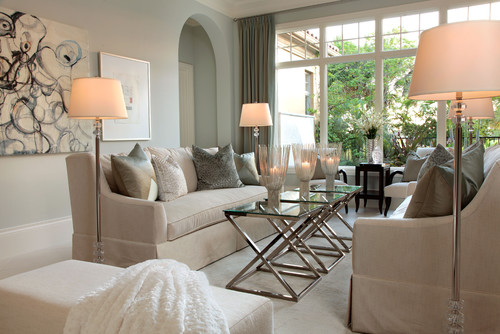
Have you ever considered how the strategic placement of a floor lamp can transform a room from merely functional to breathtakingly elegant? It’s a simple addition that not only serves the practical purpose of providing light but also becomes a statement piece in interior design. Floor lamps are versatile, helping to highlight key areas, create ambiance, and even alter perceptions of room size.
Positioning a floor lamp in the corner can create a cozy reading nook, casting soft light perfect for relaxation. Historically, floor lamps have evolved from purely practical objects to decorative accents in their own right. According to a recent survey, 85% of interior designers believe that correct lamp placement significantly impacts a room’s aesthetic. Thus, understanding its placement is crucial not just for functionality but also for adding depth to your design narrative.
- Identify the purpose of the lamp (reading, accent lighting, etc.) to select an appropriate location.
- Choose a spot near seating areas or dark corners for optimal functionality and aesthetics.
- Consider the height and type of lamp to match surrounding furniture and decor.
- Ensure even light distribution by balancing with other lighting sources in the room.
- Secure cords and place away from high-traffic areas for safety.
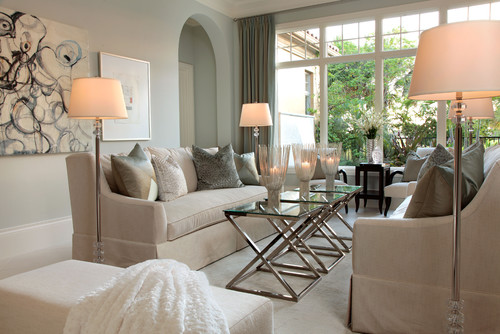
How to Place a Floor Lamp
Choosing the perfect spot for your floor lamp is essential for maximizing its impact. Place it near seating areas to offer convenient lighting for reading or conversations. According to the article, lamp height is also crucial, so try to ensure the base is at or below eye level when seated. This helps avoid glare and creates a welcoming atmosphere. You can check here is the article for more on lamp mechanisms and their best uses.
Consider aligning your lamp with other pieces of furniture for a cohesive look. Balance is key, so if one side of a room feels too heavy with furniture, a floor lamp can offer visual balance. Additionally, matching the lamp’s style with your decor enhances the room’s overall aesthetic. A well-placed lamp not only provides light but also serves as a decorative element that ties the room together.
Lighting distribution is an important aspect to think about. For even lighting, use multiple lamps or combine a floor lamp with other sources like overhead lights. A mix of lighting types prevents harsh shadows and creates a more inviting space. According to this post, using different types of lighting can elevate the room’s atmosphere significantly.
Safety should not be overlooked. Ensure that lamps are placed away from small children or pets to avoid accidents. Keep cords tucked away to prevent tripping hazards. A well-placed floor lamp can turn any room into a cozy and functional space by enhancing both aesthetics and safety.
Step 1: Choosing the Right Spot
The first step to placing a floor lamp is choosing the right spot. Think about the main use of the lamp, whether it’s for reading, accent lighting, or creating ambience. For reading lamps, place them next to chairs or sofas to provide focused light. Adding a lamp to dark corners can make a room feel brighter and more welcoming. Consider traffic flow in the room to avoid any obstacles.
Assess existing lighting to find gaps. Adding a floor lamp near a window can extend natural light into the evening. Consider the proximity to power outlets to avoid unsightly cords running across the floor. In spaces like home offices, a floor lamp can also reduce eye strain by providing additional light. According to this post, the perfect spot can change the entire mood of your room.
Next, the lamp’s height and design play a role in where it should be placed. Taller lamps work well in open spaces or next to large furniture. Arc floor lamps can be placed behind seating or tables for overhead light. Choose a spot where the lamp complements existing decor. Coordinating with other furniture ensures the lamp feels like part of the room’s design.
Lastly, consider how the lamp fits with the room’s layout. A well-placed lamp can highlight architectural features or art. Think about symmetry and balance; for example, if one side of the room feels empty, a lamp can add visual interest. Using lamps in pairs can also create a more cohesive look. Remember, the right spot is where functionality meets style, enhancing both light and decor.
Step 2: Consideration of Lamp Height and Type
When selecting a floor lamp, the height is a crucial factor. A lamp too tall can create unwanted glare, while one too short might not provide adequate light. The ideal height generally aligns with the eyes of a seated person. This ensures comfortable reading light and effective room illumination. Different lamp types also vary in height and style.
Consider the type of floor lamp that suits your needs. Torchiere lamps direct light upward, creating soft, ambient lighting. Arc lamps provide overhead lighting, ideal for rooms without ceiling fixtures. Task lamps focus light downward, making them perfect for reading or hobbies. Each type serves distinct purposes and fits different decor styles.
Matching the lamp style with your furniture and decor enhances the room’s aesthetic. For a modern look, sleek metal lamps are ideal. In contrast, a traditional room may benefit from a lamp with ornate details and a fabric shade. Pairing the right type and height offers both functionality and style. Balance is key in creating a cohesive space.
Think about the lamp’s footprint as well. Some lamps have wide bases that require more floor space. Others have narrow bases, fitting easily into compact areas. Make sure the lamp doesn’t crowd the room or obstruct pathways. Choosing the right lamp height and type will enhance both your room’s functionality and design.
Step 3: Alignment with Furniture and Decor
When placing a floor lamp, alignment with your furniture and decor is essential. Ensure the lamp complements the surrounding pieces rather than clashing with them. If your room features contemporary furniture, choose a sleek, modern lamp. Conversely, a vintage or ornate lamp suits a more traditional setup. The goal is to create a cohesive, harmonious look.
Placing the lamp near essential furniture, like a sofa or reading chair, enhances functionality and style. The lamp should provide adequate lighting for both activities and ambience. Aligning the lamp with the edges of furniture can create symmetry in the room. This visual balance makes the space feel organized and well-thought-out. It also highlights key pieces in your decor.
Consider the color scheme and textures of the room when selecting a lamp. Matching or contrasting the lamp’s finish with your furniture can add visual interest. For example:
- A polished metal lamp can accentuate a room with metallic decor elements.
- Wooden or fabric lampshades can add warmth to spaces with natural or rustic themes.
Selecting complementary textures enhances the overall design.
Proper alignment also means accounting for the lamp’s footprint in your room layout. Ensure it doesn’t obstruct walkways or overcrowd the space. A well-placed floor lamp adds to the room without becoming a tripping hazard. It can even act as a focal point if positioned thoughtfully. Balancing functionality and aesthetics is key.
Using multiple lamps can enhance room symmetry. Placing lamps on either side of a sofa or bed can create a balanced look. This method works well for large spaces needing even lighting. Pairing lamps of similar styles ensures coherence while serving both practical and decorative purposes. Effective alignment elevates any room’s appearance and functionality.
Moreover, the positioning of your lamp can accentuate specific decor elements. For example, placing a lamp next to an art piece can draw attention to it. Additionally, lighting fixtures can highlight architectural features like alcoves or pillars. Aligning the lamp with these features enhances the room’s overall appeal. Thoughtful placement transforms both lighting and decor.
Step 4: Balancing the Light Distribution
Balancing the light distribution in a room is crucial for creating a comfortable and inviting atmosphere. Overhead lighting often produces harsh shadows, so complementing it with a floor lamp can soften the space. It’s important to ensure that no single area is overly bright or too dim. This balance can be achieved by layering different light sources. Spread out light fixtures to create an even glow throughout the room.
Using multiple floor lamps can help achieve this balance. Place them strategically around the room to illuminate various areas. Additionally, combining different types of lighting like table lamps and sconces can enhance light distribution. This approach minimizes shadows and creates a warm, welcoming environment. Different light sources working together can transform a room entirely.
Consider the color temperature of the bulbs you use. Warm lights create a cozy ambience, while cool lights are better for focused tasks. Mixing these temperatures can balance the room’s mood. For example:
- Warm lights for living spaces to promote relaxation.
- Cool lights for workspaces that require concentration and clarity.
Choosing the right bulbs enhances both functionality and comfort.
Adjustable lamps offer more flexibility in light distribution. They can be directed to highlight specific areas or objects. This flexibility allows you to change the room’s lighting as needed. Furthermore, adjustable lamps can be moved closer or farther away to regulate light intensity. This adaptability makes them invaluable in achieving balanced lighting.
Integrating dimmer switches can also improve light distribution balance. Dimmers allow you to adjust the brightness based on different activities. For reading, you might want brighter light, while for watching TV, softer light is preferable. Moreover, dimmers can save energy and prolong bulb life. Using dimmers adds versatility to your lighting setup.
Lastly, consider the arrangement of furniture when balancing light distribution. Reflective surfaces like mirrors can bounce light around the room, enhancing dispersion. Dark furniture may absorb more light, making the space feel dimmer. Aligning your lamps to complement these elements helps achieve a well-lit room. Balance is the key to a cozy and functional space.
Step 5: Safety Measures
Ensuring safety when placing a floor lamp is essential to prevent accidents. First, secure the lamp’s cord to avoid tripping hazards. Loose cords can be taped down or concealed under furniture. Additionally, keep cords away from high-traffic areas. This practice reduces the risk of someone stumbling over them.
Consider using floor lamps with stable, wide bases. This feature prevents the lamp from tipping over easily. If you have children or pets, stability is even more crucial. Look for lamps with weighted bases for added security. A steady lamp ensures both safety and peace of mind.
Place floor lamps in areas where they won’t be knocked over. Corners and behind furniture are excellent spots. These locations keep the lamp out of busy pathways. Also, avoid placing lamps close to flammable materials like curtains. This adds an extra layer of fire safety.
Checking the lamp’s wattage recommendations can prevent overheating. Use bulbs that match or are lower than the specified wattage. Overloading a lamp with a high-wattage bulb can be a fire hazard. Additionally:
- Regularly inspect cords for wear and tear.
- Replace damaged cords immediately.
- Avoid running cords under rugs where they can fray unnoticed.
Following these guidelines will help maintain a safe environment.
Ensure the lamp is positioned near a convenient outlet to avoid the need for extension cords. Extension cords can lead to overloading and pose additional risks. In cases where extension cords are necessary, use ones designed to handle the wattage. Choose cords with safety certifications for added reliability.
Utilize childproof plugs or covers for unused outlets. This precaution keeps curious kids from inserting objects into the sockets. Safety goes beyond just the lamp; it includes proper outlet management. Following these safety measures will make your home both well-lit and secure. Prioritizing safety ensures that your floor lamp enhances your room without compromising well-being.
Importance of Lamp Placement in Interior Design
Lamp placement in interior design greatly influences the room’s ambiance and functionality. Properly placed lamps can highlight architectural features and art, creating focal points. They help distribute light evenly, reducing shadows and enhancing the room’s mood. Strategic lamp placement also aids in setting specific areas for different activities. Whether it’s reading, working, or relaxing, correct lighting enhances each experience.
A well-placed lamp can transform the look and feel of a space. For example:
- Corner lamps soften harsh corners and create a cozy atmosphere.
- Bedside lamps provide convenient lighting for nighttime reading.
- Lamps next to mirrors reflect light, making rooms appear larger.
Each placement serves a unique purpose that adds to the room’s overall design.
In open-plan spaces, floor lamps can help define different zones. A well-lit seating area creates a natural gathering spot. By using lamps to mark boundaries between functional spaces like dining areas and living rooms, you enhance both form and function. Effective lighting arrangement contributes significantly to how a space is used and enjoyed. Transitioning from bright task lighting to softer ambient lights can change the room’s dynamic.
The type of lamp matters just as much as its placement. Tall floor lamps add vertical interest and are perfect for high-ceilinged rooms. On the other hand, table lamps complement lower furniture like side tables or desks. Combining various types of lighting fixtures at different levels creates depth in your decor scheme. This layered lighting effect makes interiors more visually engaging.
Lamp placement is also crucial for balancing natural light with artificial sources. During the day, well-placed lamps supplement daylight that may be uneven across the room. In the evening, they replace diminishing sunlight without drastically changing the ambiance.
Integrating dimmable options allows for flexibility based on time of day or activity level.
Proper lamp placement ensures rooms are both aesthetically pleasing and practical.
Additionally, thoughtfully positioned lamps can improve safety within your home.
Areas that might otherwise remain in shadows are illuminated,
reducing the risk of trips or falls.
Proper illumination is especially important in stairways,
hallways,
and entry points.
When strategically used,
lamps become essential tools for enhancing both beauty
and safety within any living environment.
This balance makes homes not only attractive but also safer spaces to live in.
Different Types of Floor Lamps and Their Placement
Choosing the right type of floor lamp and knowing where to place it can make a big difference in your room. Torchiere lamps direct light upwards, spreading ambient light without glare. Place them in corners to lift the darkness and create a more inviting space. These lamps are great for rooms needing general illumination rather than focused light. Positioning a torchiere next to a sofa or chair can also add height to your room’s decor.
Arc floor lamps feature long, curved arms and can hang over furniture. They’re perfect for rooms without ceiling lights or for highlighting specific areas like reading nooks. Arc lamps work well behind couches or over dining tables to provide overhead lighting. Their design adds a modern touch to any space. Just make sure there’s enough clearance to avoid bumping into the arm.
Task floor lamps focus light in specific areas, making them perfect for activities like reading or sewing. These lamps often have adjustable arms or heads, allowing you to direct light where needed. Place a task lamp next to your favorite reading chair or hobby table. Their focused light reduces eye strain and enhances productivity. They are essential for dedicated workspaces.
Tree floor lamps have multiple branches with individual lights, providing both ambient and task lighting. These lamps are versatile and can illuminate different parts of the room simultaneously. Place a tree lamp in larger rooms where you need layered lighting. They are perfect for living rooms or large bedrooms. This type can also serve as a stylish focal point.
Downbridge floor lamps direct light downward, making them ideal for reading or accent lighting. Their light is more focused than a torchiere but less intense than a task lamp. Position these lamps beside reading areas or next to seating. They add a cozy touch and are perfect for creating intimate corners. Proper placement of downbridge lamps can enhance specific areas without flooding the whole room with light.
Creating Ambiance with Floor Lamp Positioning
Creating the right ambiance in a room often starts with strategic floor lamp positioning. Placing lamps in corners can soften harsh angles and create a cozy atmosphere. This trick works well in living rooms, where soft lighting makes the space more inviting. Use multiple lamps to create layers of light, which adds depth and dimension to the room. The right placement transforms the entire feel of the space.
Consider the mood you want to set in each room when positioning your lamps. A dimly lit corner with a downbridge lamp creates a great relaxing reading nook. In contrast, placing a bright, tall lamp near a dining area promotes social interaction. Adjusting the lamp’s brightness with dimmers can further enhance the atmosphere. Matching the light level to the room’s function helps achieve the desired mood.
Using colored bulbs or shades can also impact the room’s ambiance. Warmer tones create a cozy, intimate setting, while cooler tones are energizing and perfect for workspaces. Experimenting with different bulb types can reveal the best combinations. For example:
- Warm white bulbs for bedrooms and living areas.
- Cool white bulbs for kitchens and offices.
Each color has a distinct effect on how a room feels.
The orientation of the lamp can influence how shadows fall, adding to the room’s ambiance. Directing light towards the ceiling with a torchiere lamp provides soft, diffused lighting. Pointing it downward with a task lamp focuses the light, creating a spotlight effect. Combining these orientations can make the space more dynamic. This flexibility allows for mood adjustments as needed.
Ambient lighting isn’t just about brightness; it also involves the lamp’s design. Lamps with intricate or decorative shades can create interesting patterns on walls and ceilings. This element adds a unique touch to your room’s aesthetic. Choosing lamps that match your decor enhances both the ambiance and the visual appeal. Remember, the design and placement of each lamp play a crucial role.
Lastly, remember that ambiance is enhanced by thoughtful aesthetics. Choosing lamps that complement your interior design elements ties the room together. Symmetrical placement of lamps provides balance and harmony. Mixing lamp types can also enrich the atmosphere, making the room more inviting. Thoughtful positioning of lamps not only lights up the room but also sets the perfect mood.
Expert Tips for Placing a Floor Lamp
Experts suggest considering the room’s layout before placing a floor lamp. Start by identifying dark spots where a lamp can add needed light. Make sure to place the lamp in a location that avoids direct glare. A well-placed lamp should illuminate without causing eye strain. Aligning the lamp with your room’s focal points can significantly enhance the atmosphere.
Height is another key factor in effective lamp placement. Experts recommend that the bottom of the lampshade be at or just above eye level when seated. This height ensures optimal light distribution and minimizes glare. Additionally, adjustable lamps offer flexibility to change the height as needed. This allows for better customization to fit various activities.
Another tip is to use the lamp as part of a layered lighting scheme. Besides floor lamps, incorporate table lamps, wall sconces, and ceiling lights. This layered approach creates depth and reduces harsh shadows. It also offers flexibility to adjust the lighting based on different needs. Combining different sources enhances the room’s overall lighting.
Experts also emphasize the importance of lamp style. The lamp design should complement your interior decor. For instance:
- A sleek, modern lamp pairs well with minimalist decor.
- An ornate, classic lamp suits traditional interiors.
Choosing a lamp that matches your style ensures it looks cohesive within the space.
Placement near power outlets is practical advice from experts. Minimize the need for extension cords, which can become tripping hazards. Ensure the lamp is close enough to plug in easily, but not in the way of foot traffic. This approach keeps the area tidy and safe. Always use cords with sufficient wattage capacity.
Finally, don’t overlook the lamp’s impact on ambiance. Soft lighting creates a relaxing environment, while focused lighting is great for tasks. Adjusting the bulb’s color temperature can also set different moods. Warm tones are cozy for living rooms, while cool tones are energizing for work areas. Tailoring these elements can make a significant difference in the room’s feel.
Frequently Asked Questions
When placing a floor lamp, several factors come into play to create the perfect balance of lighting and design. Below are common questions that can help you make the best decision for your space.
1. What type of floor lamp is best for reading?
A task floor lamp is ideal for reading. These lamps often have adjustable arms or heads, allowing you to direct light exactly where it’s needed. This focused lighting reduces eye strain and makes reading more comfortable and enjoyable. Position it next to your favorite chair or bedside table.
Consider models with adjustable brightness levels. This feature helps you control the amount of light based on natural light availability or personal preferences. Good task lamps not only enhance your reading experience but also contribute to the room’s overall aesthetic.
2. How do I choose a floor lamp for a small living room?
For smaller living rooms, opt for sleek, compact floor lamps with minimalistic designs. Arc lamps can be particularly effective as their curved design provides overhead lighting without taking up much floor space. Positioning is crucial; place it in a corner to maximize room utility.
Avoid bulky bases that take up unnecessary space. Instead, look for lightweight options that can easily be moved if needed. Combining this lamp with other compact furniture pieces can give your small living room an open yet cozy feel.
3. Should I use warm or cool lighting in my living area?
The choice between warm and cool lighting depends on the atmosphere you want to create in your living area. Warm lights offer a cozy, inviting ambiance ideal for relaxation and social gatherings. They work well in spaces like living rooms and bedrooms where comfort is key.
On the other hand, cool lights are more invigorating and are better suited for workspaces or areas where concentration is required. If you frequently entertain guests in your living area, consider using dimmable bulbs so you can switch between warm and cool lighting based on the occasion.
4. Can I use multiple floor lamps in one room?
Yes, using multiple floor lamps in one room is an excellent way to create layered lighting effects and enhance visual interest. It allows you to balance different types of light sources such as ambient, accent, and task lighting for a well-lit space that’s both functional and stylish.
Place each lamp strategically around the room to illuminate various zones like seating areas or dark corners. Mixing different styles of floor lamps can also add texture and depth to your decor while ensuring all parts of the room are adequately lit.
5.What safety measures should be taken when placing a floor lamp?
Safety starts with securing loose cords to prevent tripping hazards; tape them down or hide them under furniture when possible.Keep cords away from high-traffic areas.You’ll also need stable heavy bases especially if kids or pets frequent the area.
Additionally placement should consider avoiding proximity near flammable materials eg curtains Using appropriate wattage ensures no overheating happens Finally select positions ,where its convenient yet out pathways creating safe & illuminated home .
Conclusion
Proper floor lamp placement can significantly elevate both the functionality and aesthetics of any room. By considering factors like lamp height, type, and alignment with furniture, you ensure balanced light distribution and safety. These expert tips provide a comprehensive guide for effectively placing your floor lamp.
Lighting plays a crucial role in interior design, setting the mood and enhancing the room’s usability. Thoughtful lamp placement not only beautifies your space but also improves its practicality. Aim for a balance that complements your style and boosts overall room ambiance.

I’m Emily Johnson, an affiliate marketer and blogger focused on lamps and lighting. I share honest reviews, simple buying guides, and practical tips. My goal is to help readers choose the right lamp for their space, style, and budget with confidence.