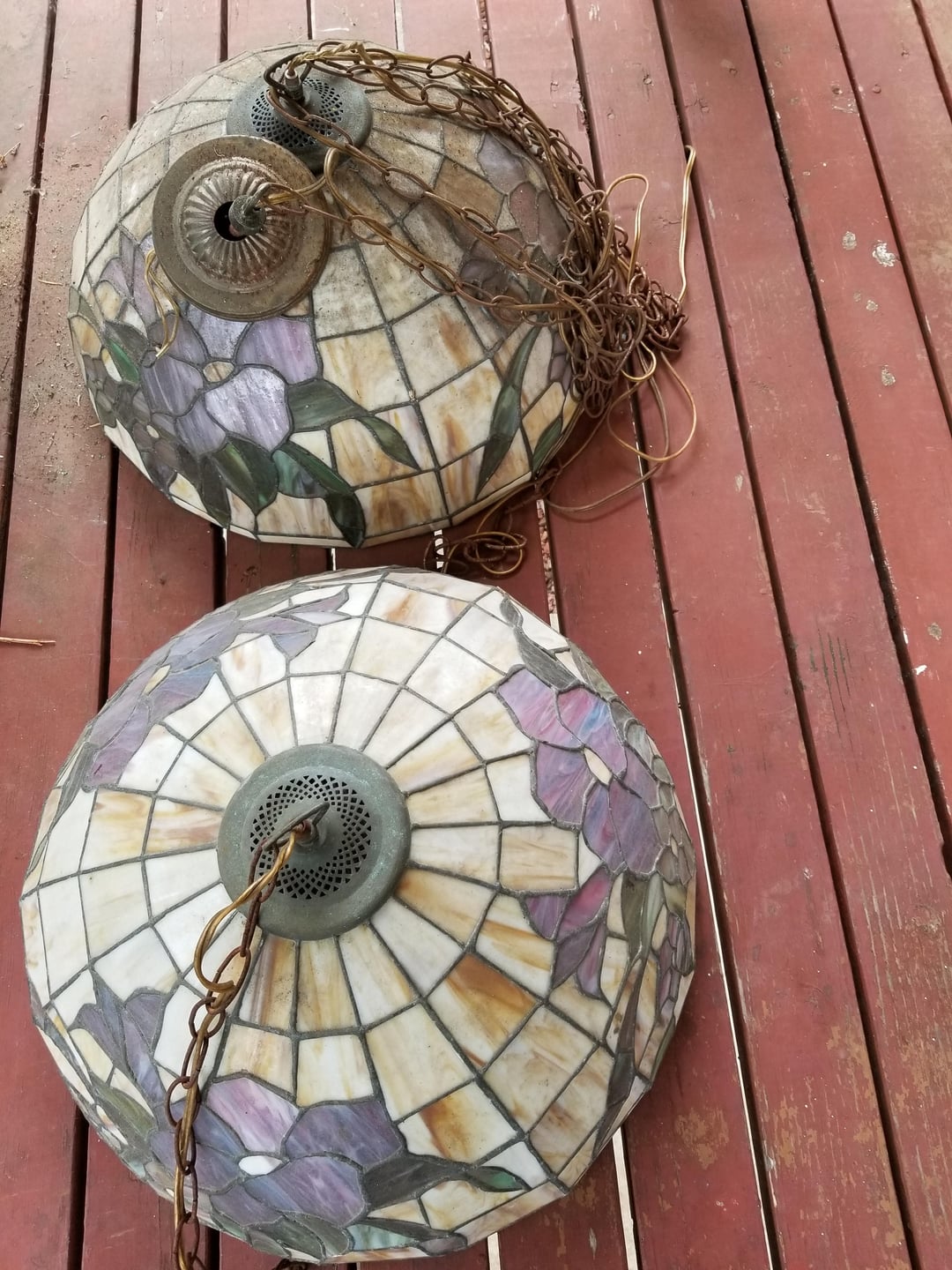
Turning a pendant light into a floor lamp can be an ingenious way to repurpose lighting fixtures. Many interior designers have explored this creative avenue, often finding it provides a unique aesthetic while maintaining functionality. This transformation not only saves costs but also adds a bespoke element to any room.
Historically, pendant lights have been a staple in kitchens and dining rooms, but their potential doesn’t end there. By carefully selecting a sturdy base and rewiring the fixture, one can create a stylish floor lamp. It’s a practical solution that aligns with the sustainable trend of repurposing items rather than purchasing new ones.
- Select a sturdy floor lamp base compatible with the pendant light.
- Turn off electricity and detach the pendant light from the ceiling.
- Attach the pendant light fixture to the floor lamp base securely using screws or brackets.
- Rewire the connections: black to black (live), white to white (neutral), and green/copper to ground.
- Test for proper functioning and ensure all parts are secure.

How to Turn a Pendant Light into a Floor Lamp?
First, choose a suitable floor lamp base. It should be sturdy enough to hold the pendant light securely. Make sure the color and material match your home decor for a cohesive look. Measure the height to ensure it provides adequate illumination where needed. According to this post, proper selection is key for effective lighting.
Next, detach the pendant light from the ceiling. Carefully disconnect the wiring and remove the fixture. This step should be done with caution, as electrical components can be tricky. Use insulated tools to ensure safety. Once removed, set it aside for the next phase.
Now, assemble the pendant light with the floor lamp base. Attach the fixture securely to the base using screws or mounting brackets. Connect the wiring according to the base’s instructions. Double-check that everything is secured tightly. Test the lamp to make sure it works properly.
Finally, place the newly transformed floor lamp in your desired location. Ensure the power source is nearby. This creative project is both a functional and aesthetic enhancement to your space. Here is the article that discusses various lamp types and their uses, which could provide additional inspiration. Enjoy the new ambiance created by your repurposed floor lamp.
Step 1: Selecting a Suitable Floor Lamp Base
The first step in turning a pendant light into a floor lamp is choosing the right base. It must be sturdy and heavy enough to support the pendant light fixture. Pay attention to the base’s material—options like metal or weighted wood are ideal. Make sure the design complements the style of the pendant light. According to this expert opinion, a well-matched base is crucial for stability and aesthetics.
Consider the height of the lamp base to ensure it provides ample light coverage. A base that is too short may not effectively illuminate the area. Conversely, a very tall base could make the lamp top-heavy. Choose a height that balances both function and style. This ensures the lamp serves its purpose efficiently.
Look for bases with adjustable features to add more flexibility. Some bases come with extendable rods, allowing you to tailor the height to your space. This is particularly useful if you plan to move the lamp between different rooms. Such versatility can be a significant advantage. It makes your repurposed lamp adaptable to various settings.
Finally, check the ease of assembly when selecting your base. Some bases are simpler to install than others. Read user reviews and product descriptions carefully. Opt for a base that doesn’t require technical expertise for assembly. This will make your DIY project smoother.
Step 2: Detaching the Pendant Light
Detaching a pendant light starts with turning off the power to the light fixture. This is crucial to avoid any electrical hazards. Locate the circuit breaker and switch it off. Use a voltage tester to double-check that the power is indeed off. Safety first!
Next, remove the canopy that covers the electrical box in the ceiling. This will expose the wiring connections. Unscrew the mounting screws to release the pendant light fixture. Be careful while handling the wires. It’s a good idea to have someone assist you, holding the fixture as you detach it.
Disconnect the wires by loosening the wire nuts or screws holding them together. Note how the wires are connected for later. There are usually three wires: black for live, white for neutral, and green or copper for ground. Gently separate these connections. This disconnects the pendant light from the power source.
Lastly, take the pendant light fixture down carefully. Set it aside in a safe place. You will later attach it to the floor lamp base. Make sure all parts are intact and undamaged. You’re now ready for the next step in your project.
Step 3: Assembling the Pendant Light with the Floor Lamp Base
Begin by gathering all the necessary components for assembly. Have the pendant light, floor lamp base, mounting hardware, and tools ready. This ensures a smooth and organized process. Place everything within easy reach. Clear a workspace to avoid any disruptions.
Next, position the pendant light fixture on top of the floor lamp base. Align the holes and slots for secure attachment. Use screws or mounting brackets provided with the base to connect the two parts. Tighten all connections firmly. Wobbling or loose parts can cause safety issues.
After securing the fixture, focus on wiring. Thread the electrical cord of the pendant light through the hollow pole of the floor lamp base. Ensure there is enough slack to connect to the power source without tension. Follow the wiring diagram included with your floor lamp base. Matching wire colors is crucial for a safe connection.
Now, connect the wires: black to black (live), white to white (neutral), and green/copper to the ground wire. Use wire nuts or crimp connectors to secure the connections. Wrap exposed wires with electrical tape for added safety. Properly conceal the wires within the base. This gives a neat and professional look.
Before finishing, double-check all connections and tighten any loose screws. This ensures the fixture is stable and the wiring is correct. Use a level to check if the lamp stands straight. Minor adjustments might be necessary. Once confirmed, your lamp is ready to be used.
Finally, place a lightbulb in the socket and turn on the power. Test the lamp to make sure it works correctly. If it does, you’ve successfully transformed a pendant light into a floor lamp. Enjoy your new, custom lighting fixture. It adds flair and functionality to your space.
Step 4: Rewiring and Checking the Safety
Rewiring is a critical step to ensure your new floor lamp operates safely. Begin by turning off the electricity at the circuit breaker to eliminate any risk of electric shock. Carefully strip about half an inch of insulation from the ends of the wires using a wire stripper. Twist the exposed copper ends to prevent fraying. This prepares them for secure connections.
Next, connect the lamp’s wires following standard color codes. Join black wires for the live connection, white wires for the neutral connection, and green or copper wires for the ground. Use wire nuts to twist the matching wires together snugly. Tuck these connected wires into the lamp base or tube. This keeps the wiring organized and out of sight.
Secure all components to ensure there are no loose parts. Double-check the tightness of the wire nuts and any screws involved. Place electrical tape around the wire nuts for added security. This extra layer helps prevent accidental disconnections. It’s a simple yet effective safety measure.
Now, inspect the entire assembly for any visible damage or exposed wires. Make sure the lamp is structurally stable and doesn’t wobble. Plug the lamp into an outlet and turn it on. Observe for any flickering or unusual noises. If everything functions smoothly, you’re ready to complete the final checks.
Lastly, test the lamp by turning it on and off a few times. Make sure the switch operates without any issues. If the light works consistently, then you’ve successfully rewired the lamp. Your floor lamp should now be safe and ready for use. Enjoy the new added light to your space!
Step 5: Placing the Transformed Floor Lamp
Now that your floor lamp is assembled and rewired, it’s time to find the perfect spot for it. Consider areas in your home where extra light is needed, like reading corners or near a workspace. Think about how the lamp’s design complements your current decor. Placing it strategically can enhance the room’s aesthetics. A well-placed lamp can make a big difference.
Ensure the lamp is placed near an electrical outlet. This avoids using long extension cords, which can be a tripping hazard. If necessary, use furniture or a rug to hide the cord. This keeps the area looking neat and organized. Always think about safety and aesthetics together.
Adjust the lamp’s angle and height, if possible, to suit your needs. Some lamps have adjustable arms or heads for better lighting direction. Test different positions to see what works best. This customization can improve lighting efficiency. Remember, good lighting can transform a space.
Check how the lamp looks in both natural and artificial light. Sometimes, daytime and nighttime lighting can be different. Make sure the lamp serves its purpose in various conditions. This ensures you get the most out of your new floor lamp. It should be both functional and appealing at all times.
Invite family or friends to see the new addition. Their feedback can be valuable, offering perspectives you might not have considered. Sometimes a second opinion helps in perfecting placement. Share the joy of your DIY project with others. It’s an achievement worth celebrating!
The Importance of Repurposing Lighting Fixtures
Repurposing lighting fixtures is not only cost-effective but also environmentally friendly. By reusing materials, you can significantly reduce waste and pollution. This practice helps conserve resources that would otherwise be used in manufacturing new items. It’s a smart choice for those looking to live sustainably. Plus, it saves money.
Another key benefit is the uniqueness it brings to your home decor. Repurposed fixtures often have a distinctive look that can’t be bought in stores. This adds a personal touch and individuality to your space. You get to create something truly one-of-a-kind. It’s like having custom-made decor without the high price tag.
Repurposing also fosters creativity and problem-solving skills. Transforming old items into something new challenges you to think outside the box. It’s an engaging project that can be both fun and rewarding. You’ll learn new skills and perhaps even discover a hidden talent for DIY projects.
In today’s fast-paced world, repurposing offers a slower, more mindful approach to consumption. Rather than continually buying new products, this mindset encourages us to value and extend the life of what we already own. It promotes thoughtful decision-making about possessions. This shift towards mindful living can be deeply fulfilling.
Lastly, repurposed lighting fixtures can serve as great conversation starters. When guests notice unique pieces in your home, it often sparks curiosity and admiration. Sharing the story behind each item adds depth to your interactions. It shows thoughtfulness and creativity in how you build your living space.
Benefits of Converting Pendant Light into Floor Lamp
One of the main benefits of converting a pendant light into a floor lamp is cost savings. Instead of buying a new lamp, you can repurpose what you already have. This can save you a considerable amount of money. It also makes use of existing resources. Economical and efficient, this project is budget-friendly.
Another significant advantage is the customization aspect. Converting a pendant light allows you to create a unique lighting fixture tailored to your space. This means you can personalize the design to match your home decor perfectly. You can choose the base, style, and height. The result is a one-of-a-kind lamp that suits your specific needs.
This conversion also boasts environmental benefits. Repurposing old fixtures helps reduce waste and promotes sustainable living. It’s an eco-friendly solution that makes use of materials that would otherwise be discarded. By opting to convert rather than buy new, you contribute to a greener planet. Every little bit helps in the fight against environmental degradation.
Functional versatility is another key benefit. A floor lamp can be moved around easily, unlike a fixed pendant light. This mobility allows you to adjust the lighting in various rooms. Whether you need extra light in the living room or a reading nook, a floor lamp is a flexible option. It’s especially useful in multi-use spaces.
Lastly, converting your pendant light into a floor lamp can be an enjoyable DIY project. It’s a hands-on activity that lets you exercise your creativity. Completing the project can provide a sense of accomplishment. Plus, it’s a great way to spend quality time with family or friends. You’ll end up with a functional piece that you made yourself.
Essential Safety Measures When Handling Electrical Installations
When dealing with electrical installations, it’s crucial to turn off the power first. Locate the main circuit breaker and switch it to the off position. This ensures there’s no electricity flowing to the area you’re working on. Use a voltage tester to confirm the power is really off. This extra step could save your life.
Wear protective gear such as gloves and safety goggles. Insulated gloves can protect you from electric shock. Safety goggles shield your eyes from any debris or sparks. Keeping these precautions in mind minimizes the risk of injury. Always prioritize your safety over speed.
Make sure you have the proper tools for the job. Using the wrong tool can make the task more dangerous. Insulated screwdrivers and wire strippers are specifically designed for electrical work. Keeping these tools in good condition is essential. Dull or damaged tools can cause accidents.
Even if you’re confident in your skills, it’s wise to consult professional guidelines or manuals. Many reliable sources provide safety tips tailored to specific projects. Follow these recommendations closely. They are there to help you avoid common pitfalls. Professional advice can make a big difference.
Inspect all electrical components for any damage before starting. Frayed wires, cracked insulation, or loose connections are signs of potential hazards. Replace any damaged parts immediately. This preventative action can keep bigger problems at bay. A little caution can go a long way.
Finally, if you ever feel unsure, don’t hesitate to call a professional. Attempting complicated electrical work without expertise can be risky. Professionals are trained to handle such tasks safely. It’s always better to be safe than sorry. Your well-being is worth it.
Other Creative Ideas for Upcycling Light Fixtures
Light fixtures can be upcycled into various unique items that add character to your home. For instance, an old chandelier can become a stunning candle holder. By removing the electrical components and adding candle cups, you turn a dated fixture into an elegant centerpiece. This repurposing can enhance the ambiance of any room. It’s both practical and stylish.
Pendant lights can be converted into small hanging planters. Simply remove the bulb and wiring, and insert a small potted plant. Hang it in your kitchen or living room for a touch of greenery. This idea merges functionality with aesthetic appeal. Plants can thrive under natural light, adding life to your space.
Here are some more creative ideas:
- Turn old lampshades into decorative bowls by flipping them upside-down and adding a base.
- Use a vintage sconce as a wall-mounted jewelry holder by adding small hooks.
- Convert a floor lamp into a unique coat rack by adding pegs to the pole.
These projects offer numerous ways to breathe new life into old fixtures.
Another interesting idea involves creating pendant lights from colanders or baskets. Drill a hole in the bottom for the electrical cord and install a bulb socket. The design allows light to filter through in unique patterns, making for an eye-catching piece. This is especially effective in kitchens or dining areas.
Lastly, don’t overlook the potential of table lamps. By adding a clock mechanism to the base, you can create a functional and decorative timepiece. This adds a quirky touch to your desk or bedside table. It’s another example of how versatile light fixtures can be when repurposed creatively.
Frequently Asked Questions
This section aims to answer common questions about transforming pendant lights into floor lamps. These responses provide helpful insights and practical tips.
1. What tools are needed to convert a pendant light into a floor lamp?
You will need some basic tools for this project, such as a screwdriver, wire stripper, and pliers. Additionally, you might require mounting brackets, wire nuts, electrical tape, and a sturdy base suitable for the lamp.
Having all these tools ready before starting the project can make the process smoother. Ensure you also have safety gear like gloves and goggles to protect yourself while working with electrical components.
2. Is it safe to rewire a lighting fixture at home?
Rewiring a lighting fixture can be safe if proper precautions are taken. First, ensure that the power is turned off at the circuit breaker before starting any work on the fixture.
Always use insulated tools and follow instructions carefully. If you’re ever unsure about any part of the process, consult online guides or hire a professional electrician to ensure safety.
3. Can I use any pendant light for this conversion?
Not all pendant lights are suitable for converting into floor lamps. It’s essential to choose one that has a compatible design and weight for the new base.
Pendant lights made from heavy materials may not be ideal unless paired with an exceptionally strong base for stability. Lightweight designs are generally easier to manage and safer when converted.
4. How can I match the newly converted lamp with my existing decor?
Selecting a base that complements your room’s style is crucial for seamlessly integrating your new floor lamp into existing decor. Consider factors like color, material, and overall design aesthetic when choosing your base.
You can paint or decorate both the pendant light and base to better match your style if necessary. Customizing allows you to create something uniquely suited to your personal taste and home environment.
5. What should I do if my converted lamp doesn’t work properly after assembly?
If your newly converted floor lamp doesn’t work correctly, recheck all connections first. Loose wires or improper connections could hinder its function.
If everything seems in order but issues persist, it may be best to consult online resources or get help from an electrician. Addressing problems promptly ensures both functionality and safety in use.
Conclusion
Transforming a pendant light into a floor lamp is a practical and creative project suited for DIY enthusiasts. By repurposing existing materials, you not only save money but also contribute to a greener environment. This process involves careful planning and attention to detail for best results.
Safety measures are crucial, so always take precautions when handling electrical components. The satisfaction of creating a unique and functional piece enhances your living space in a personal way. Enjoy the creativity and functionality your new floor lamp brings to your home.

I’m Emily Johnson, an affiliate marketer and blogger focused on lamps and lighting. I share honest reviews, simple buying guides, and practical tips. My goal is to help readers choose the right lamp for their space, style, and budget with confidence.