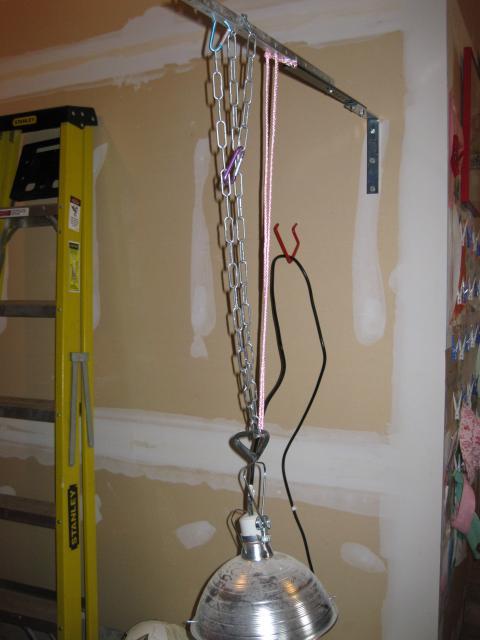
When considering safety protocols, did you know that improper handling of heat lamps causes a significant number of barn fires each year? This alarming reality underscores the crucial need for securing these devices effectively. Whether it’s for agricultural use or in a laboratory setting, ensuring that your heat lamp is safely mounted and stable is non-negotiable.
The key elements for securing a heat lamp include using sturdy mounting brackets and ensuring the wiring is insulated properly. Historical data reveals that heat lamps have frequently been at the root of accidental fires, making it imperative to employ best practices in their usage. A staggering statistic shows that stove or heater-related incidents constitute approximately 14% of residential fires, a figure that highlights the importance of vigilance when it comes to securing heat lamps.
- Select a stable, non-flammable location for the heat lamp.
- Use sturdy mounting brackets appropriate for the lamp’s weight.
- Secure all wiring and ensure proper insulation to avoid electrical hazards.
- Conduct regular inspections and maintenance checks for wear and tear.
- Implement additional safety measures, such as fire extinguishers nearby.
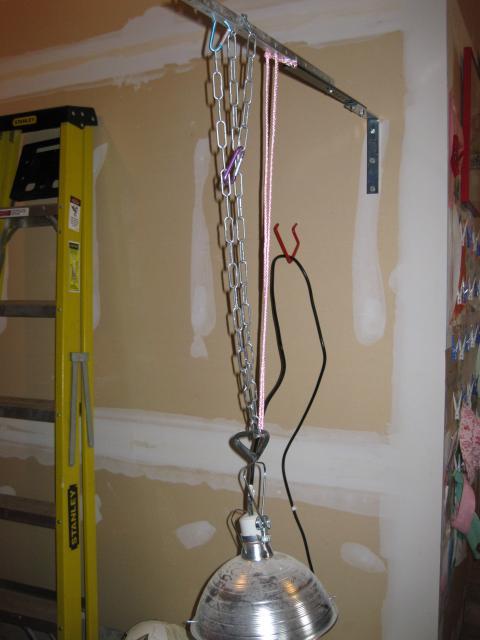
How to Secure a Heat Lamp
Securing a heat lamp begins with selecting the right location. Make sure the spot is free from flammable materials like straw or paper. This reduces the fire risk significantly. Choosing a stable surface, such as a metal stand, ensures that the lamp won’t tip over easily. If mounting on a wall, ensure the bracket is firmly attached.
Mounting the heat lamp properly is a critical step. Use sturdy brackets and make sure they are appropriately sized for the lamp. The lamp should be securely fastened to the bracket to prevent it from falling. If using a clamp, double-check that it holds the lamp firmly in place. According to this post, using the right components enhances safety.
Another vital aspect is ensuring proper wiring and insulation. Inspect the lamp’s wiring regularly for any wear and tear. Damaged wires can lead to electrical fires, which are hazardous. Make sure wires are insulated and kept away from heat or moisture sources. If you’re using an extension cord, make sure it’s heavy-duty and rated for the lamp’s wattage.
Regular inspection and maintenance are essential. Check whether the mounting brackets are still secure and that the wiring is intact. Implementing additional safety measures like a fire extinguisher nearby can further mitigate risks. For more detailed safety insights, you can refer to here is the article on handling flammable materials, which offers valuable tips. This not only ensures the longevity of the heat lamp but also the safety of the environment it’s placed in.
Step 1: Choosing the Right Location
Identifying the ideal spot for your heat lamp is crucial for safety. It should be an area free of flammable items like straw, paper, or fabric. Placing the heat lamp in a stable position can prevent it from tipping over. Ensure that the surface or mounting point can handle the weight and heat. A solid metal stand or wall mount is often a good choice.
Ventilation also plays a significant role. The area should have good airflow to prevent overheating. Make sure there’s enough space around the lamp to allow for air circulation. According to this post, blocking pets from getting too close is another consideration. This precaution helps ensure the safety of both the animals and the equipment.
Maintaining a safe distance from combustible materials is essential. Avoid placing the lamp near curtains or wooden structures. Here is a list of items to keep away from the heat lamp:
- Paper
- Straw
- Fabric
- Wood
Finally, ensure easy access for regular maintenance. You’ll need to check the lamp, wiring, and mounting regularly for wear and tear. A reachable spot will make it easier for you to perform these checks. Also, being able to quickly turn off the lamp in an emergency can prevent accidents. Keeping a fire extinguisher nearby is a good practice.
Step 2: Mounting Your Heat Lamp Properly
Mounting a heat lamp properly is essential for maintaining safety and efficiency. Start by selecting sturdy brackets that can support the weight of the lamp. Make sure to use screws or bolts appropriate for the surface you are attaching it to. If mounting on a wall, ensure the wall is strong enough to hold the lamp securely. Proper installation prevents the lamp from falling and causing accidents.
Double-check the tightness of all the fastenings. Loose screws or bolts can cause the lamp to tilt or fall. Use a drill or screwdriver to ensure everything is firmly in place. If you’re uncertain, consider seeking help from a professional. It’s always better to be safe than sorry.
Keep the heat lamp at an appropriate distance from the ground or floor. The recommended height varies depending on the lamp’s purpose and the type of heat it emits. Here’s a table to help you:
| Purpose | Recommended Height |
|---|---|
| Agricultural | 24-36 inches |
| Laboratory | 18-24 inches |
Once mounted, test the stability of the heat lamp by gently shaking it. It should remain firm without wobbling. Regularly inspect the mounting brackets and screws for wear and tear. Keeping a check on these components will help you avoid potential hazards. Regular maintenance ensures a prolonged lifespan for your heat lamp.
Step 3: Ensuring Proper Wiring and Insulation
Proper wiring and insulation are crucial for heat lamp safety. Start by examining the lamp’s wiring for any visible signs of damage like fraying or cuts. Damaged wires can lead to electrical shorts or fires. Make sure all connections are secure and free from rust or corrosion. If you notice any issues, replace the wires immediately.
Using the correct type of wire is essential. Heat lamps often require heavy-duty, heat-resistant wiring. Standard wires may not handle the high temperatures, increasing the risk of fire. Consult the lamp’s manual for recommended wire types. This ensures compatibility and safety.
Insulation plays a significant role in preventing electrical hazards. Make sure the wire’s insulation is intact and not brittle. Heat can degrade the insulation over time, so regular checks are important. If the insulation appears compromised, it’s best to replace the wires. This helps avoid potential electrical problems.
Proper wire management is another key aspect. Keep wires organized and out of the way to prevent trips or accidental disconnections. Use cable ties or clips to secure them. A tidy setup not only looks professional but also enhances safety. Below is a list of tools you might need:
- Wire cutters
- Cable ties
- Electrical tape
- Heat-resistant wiring
Always double-check the wattage compatibility between the heat lamp and its power source. Overloading an outlet can cause overheating and potential electrical fires. Use a power strip with built-in circuit protection if necessary. Regular monitoring can prevent most issues before they become hazardous.
Step 4: Regular Inspection and Maintenance
Regular inspection and maintenance are key to ensuring the longevity and safety of your heat lamp. Start by checking the lamp for any signs of wear or damage. Look for cracks in the bulb, frayed wires, and loose connections. If you notice any of these issues, address them immediately. Regular inspections help you catch problems before they become serious.
Testing the lamp’s stability is also crucial. Gently shake the lamp to see if it’s securely mounted. If it wobbles or feels loose, tighten the brackets or screws. A stable lamp is less likely to fall and cause fire hazards. Make sure the mounting hardware is in good condition.
Don’t forget to clean the heat lamp regularly. Dust and debris can accumulate on the bulb and other components. This can impact the lamp’s efficiency and safety. Use a soft cloth to wipe down the lamp. Make sure it’s unplugged before cleaning to avoid electrical shock.
Keep a maintenance log to track when you last inspected and serviced the heat lamp. This helps you stay on top of regular upkeep. Record any repairs or parts replacements. A maintenance log ensures you don’t forget essential maintenance tasks. It also helps in spotting recurring issues.
Regularly check the lamp’s performance. Make sure it’s providing the right amount of heat. If you notice fluctuations in temperature, it might be a sign of a problem. Address these issues promptly to maintain a safe environment. Regular performance checks add an extra layer of safety.
Step 5: Implementing Safety Measures
Ensuring safety measures are in place is crucial for using a heat lamp. First, always make sure to use heat lamps that have a thermal cutoff feature. This safety device automatically shuts off the lamp if it gets too hot. This prevents overheating and reduces the risk of fire. Another good practice is using a thermostat to control the temperature consistently.
Keep a fire extinguisher within reach whenever a heat lamp is in use. This prepares you for any unexpected situations that might arise. Make sure everyone who uses the space knows where the fire extinguisher is located and how to use it. A simple training session can prove invaluable. Having a plan in place makes everyone safer.
Also, consider using protective guards around the heat lamp. These guards help to keep flammable objects away from the heat source. Here is a list of items you might need:
- Thermal cutoff feature
- Thermostat
- Fire extinguisher
- Protective guards
Regularly inspect the area around the heat lamp for any flammable materials. Confirm that no stray objects have come into close proximity to the lamp. Keep the surrounding area clean and clutter-free to mitigate fire hazards. A weekly check is often sufficient. Regular upkeep can significantly enhance safety.
Finally, educating everyone in the household or workplace about heat lamp safety is important. Make sure all users understand the guidelines and safety measures. Implementing these practices ensures that everyone knows what to do in case of an emergency. Safety becomes a shared responsibility, adding an extra layer of security.
The Importance of Securing Your Heat Lamp
Securing your heat lamp properly is vital for safety. An unsecured heat lamp can pose a significant fire risk, especially in environments with flammable materials. For instance, barns and workshops are particularly vulnerable due to the presence of hay or wood shavings. By ensuring your heat lamp is stable and securely mounted, you mitigate this risk dramatically. This simple step can prevent disastrous accidents.
Properly securing a heat lamp also extends its lifespan. When a lamp is correctly installed and maintained, it experiences less wear and tear. This means fewer replacements and repairs over time. Keeping the heat lamp secure not only enhances safety but also provides economic benefits. Maintaining quality equipment saves money in the long run.
Moreover, securing your heat lamp enhances its efficiency. A wobbling or improperly mounted lamp may not deliver consistent heat where it’s needed most. This could affect the well-being of animals in barns or disrupt experiments in laboratories. A stable and properly positioned heat lamp ensures optimal performance.
A well-secured heat lamp creates peace of mind for users. Knowing that all necessary precautions have been taken allows individuals to focus on other tasks without constant worry about potential hazards. Below is a table summarizing why securing a heat lamp is essential:
| Benefit | Description |
|---|---|
| Safety | Reduces fire risks |
| Lifespan | Extends the longevity of the device |
| Efficiency | Ensures consistent heat delivery |
| Peace of Mind | Allows focus on other tasks without fear |
The importance of securing your heat lamp cannot be overstated when it comes to both safety and efficiency. Taking these precautionary steps provides multiple benefits that contribute to a safer environment overall.
Common Mistakes to Avoid When Securing a Heat Lamp
Avoiding common mistakes is crucial when securing a heat lamp. One frequent error is placing the lamp too close to flammable materials. Items like straw, wood, and fabric can easily catch fire if they’re too near the heat source. Always ensure a safe distance is maintained to minimize fire risks. This simple precaution can prevent many accidents.
Another common mistake is using inadequate mounting equipment. Using weak or inappropriate brackets can lead to the lamp falling, causing potential fire hazards and injuries. Make sure to use durable, heat-resistant materials for mounting. Check that all screws and bolts are tightly secured. Inspecting the mounting regularly can help avoid this issue.
Improper wiring is also a significant mistake to avoid. Using wires that are not rated for high temperatures can lead to electrical fires. Always use heavy-duty, heat-resistant wiring specifically designed for heat lamps. Ensure all connections are secure and that there are no exposed wires. Regularly inspect the wiring for any signs of wear and tear.
Neglecting regular maintenance is another pitfall. Failing to check the heat lamp and its components periodically can lead to undetected issues. Dust and debris can accumulate, affecting the lamp’s efficiency and safety. Make it a habit to clean and inspect the lamp regularly. Maintaining a schedule for inspections helps in prolonging the device’s lifespan.
Lastly, not having a safety plan in place is a mistake many make. Always keep a fire extinguisher nearby and ensure everyone knows how to use it. Here is a list of essential safety items:
- Fire extinguisher
- Emergency contact numbers
- Safety guidelines posted nearby
- Regular safety drills
By being aware of these common mistakes and taking steps to avoid them, you significantly reduce the risk associated with using a heat lamp. Implementing these precautions helps ensure a safe and efficient setup.
Benefits of Properly Securing a Heat Lamp
Properly securing a heat lamp has numerous benefits, starting with enhanced safety. A securely mounted heat lamp significantly decreases the risk of fire and accidents. When the lamp is stable, it prevents tipping over or making contact with flammable materials. This is especially crucial in settings like barns or workshops. Safe installation protects both the user and the environment.
Efficiency is another major benefit of securing your heat lamp correctly. An unsecured lamp may not provide consistent heat, impacting its effectiveness. A well-mounted lamp ensures that the heat is directed precisely where it is needed. This is important for both animal care and laboratory settings. Consistent heat improves overall outcomes.
Longevity of the heat lamp is also improved with proper securing. When a lamp is firmly in place, it experiences less wear and tear. This means components like bulbs and wiring last longer. Over time, this reduces the need for frequent replacements. Properly securing the heat lamp is cost-effective.
Proper mounting can also contribute to energy savings. A secure lamp operates more efficiently, which can lower energy consumption. Over time, these savings can add up, making proper installation a smart financial decision. Small steps like these contribute to more sustainable use. Below is a table summarizing the benefits:
| Benefit | Description |
|---|---|
| Safety | Reduces fire and accident risks |
| Efficiency | Ensures consistent and effective heat |
| Longevity | Increases the lifespan of the lamp |
| Energy Savings | Lower energy consumption over time |
Lastly, having a well-secured heat lamp provides peace of mind. Knowing that your lamp is installed correctly allows you to focus on other tasks without constant worry. This is particularly beneficial in busy environments where safety is a priority. Overall, the advantages of securing your heat lamp are clear and numerous.
Potential Dangers of Not Securing a Heat Lamp
The most significant danger of not securing a heat lamp is the risk of fire. An unsecured lamp can easily fall or tip over, especially in environments with a lot of movement. When this happens, the heat element could come into contact with flammable materials. This can quickly lead to a fire. Properly securing the lamp is essential to minimize this risk.
Another danger is electrical hazards. Loose wiring or poor insulation can cause electrical shorts, which are not only damaging but also dangerous. If the heat lamp falls, the sudden jolt can loosen connections and expose wires. These exposed wires can then cause electrical fires or shocks. Ensuring the lamp is secure helps prevent these incidents.
Not securing a heat lamp can also lead to inconsistent heating. A lamp that moves or wobbles can result in uneven heat distribution. This is particularly problematic in environments where precise temperature control is essential, such as for keeping livestock warm. Inconsistent heating can affect animal health and comfort. Stability is key to maintaining a consistent environment.
Additionally, an unsecured heat lamp can have a shorter lifespan. Constant movement and instability can cause the components to wear out faster. This means you’ll spend more on replacements and repairs. Keeping the lamp secure can extend its life and save money over time. Below is a list of potential dangers:
- Fire hazards
- Electrical shorts and shocks
- Inconsistent heating
- Decreased lifespan
Finally, the safety of people and animals is at risk. Falling lamps can cause physical harm if they hit someone or something. This could result in injuries or damages that could have been easily avoided. Ensuring the heat lamp is secure protects everyone involved. Taking these precautions is a simple but crucial step for safety.
Frequently Asked Questions
Heat lamps are essential in various settings but require proper handling for safety and efficiency. Here are some common questions about securing heat lamps.
1. What materials should I avoid when placing a heat lamp?
Avoid placing heat lamps near flammable materials like straw, paper, wood, or fabric. These items can easily catch fire if they come into contact with the heat source.
It’s also important to keep the area around the lamp clear to maintain good air circulation. Ensuring proper ventilation helps reduce overheating risks and promotes safety.
2. Can I use an extension cord with my heat lamp?
You can use an extension cord, but it must be heavy-duty and rated for the lamp’s wattage. Using a regular, light-duty extension cord can lead to overheating and electrical fires.
Ensure all connections are secure and inspect the cord regularly for signs of wear or damage. Investing in a quality extension cord enhances safety significantly.
3. How often should I inspect my heat lamp setup?
Regular inspections are crucial; aim to check your heat lamp setup weekly for any signs of wear or damage. Pay particular attention to the wiring, mounting brackets, and positioning elements.
Cleaning dust and debris off your lamp during these checks helps maintain its efficiency and reduces fire risks. Keeping a maintenance log can help you stay on top of these tasks.
4. Why is using a thermostat with my heat lamp recommended?
A thermostat allows you to control the temperature more accurately, preventing overheating or underheating. This is especially important for applications requiring consistent temperature ranges, such as animal care or labs.
The added precision provided by a thermostat ensures optimal performance from your heat lamp while enhancing overall safety measures.
5. Are there specific brands that offer safer heat lamps?
Several brands prioritize safety features in their heat lamps; it’s worth researching customer reviews and product specifications before purchasing. Brands like Zoo Med, Fluker’s, and Exo Terra are popular for their reliability.
Investing in products from reputable brands typically means better build quality, enhanced safety features, and longer-lasting performance—ensuring peace of mind with every use.
Conclusion
Securing a heat lamp correctly is essential for both safety and efficiency. By following best practices, you minimize risks like fire hazards and electrical issues. Regular inspections and maintenance ensure the longevity and performance of your heat lamp. These steps are simple yet effective in creating a secure environment.
Taking the time to implement safety measures offers peace of mind. Knowing that your heat lamp is properly secured allows you to focus on other important tasks. With these precautions in place, both the lamp and its surroundings remain safe. The benefits of properly securing a heat lamp are clear and numerous.

I’m Emily Johnson, an affiliate marketer and blogger focused on lamps and lighting. I share honest reviews, simple buying guides, and practical tips. My goal is to help readers choose the right lamp for their space, style, and budget with confidence.