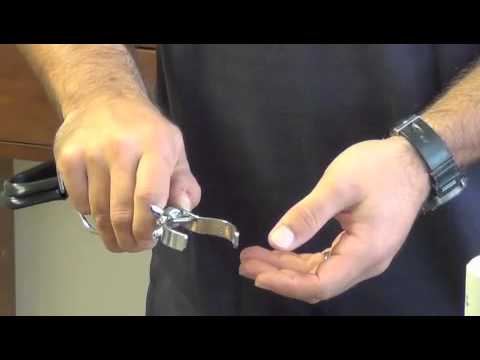
Have you ever considered the fine balance involved in safely securing a heat lamp? The alignment, the stability, and the material all need to harmonize to avoid mishaps. The process is deceptively simple yet requires a keen eye for detail, especially when working in environments that demand precise temperature control.
The history of heat lamps dates back to poultry farms where precise warmth was vital. Optimal setup can reduce energy consumption by up to 20%, proving its importance beyond mere assembly. Experts understand that the nuances of securing a clamp, like adjusting the angle and ensuring the clamp’s grip, can make all the difference in functionality and safety.
- Ensure all tools and components are ready, including a screwdriver and safety gloves.
- Identify the parts: reflector, bulb, clamp, and socket.
- Screw the bulb into the socket carefully.
- Attach the reflector to the socket securely.
- Secure the clamp onto a stable surface and adjust its angle as needed.
- Tighten all connections and test the heat lamp for stability and functionality.

How to Put Together Heat Lamp Clamp
Before starting, gather all necessary components and tools. You will need a heat lamp, a clamp, and a screwdriver. Refer to this post for detailed requirements. Make sure you have a stable work surface. Safety gloves are recommended.
First, identify all the parts of the clamp and heat lamp. According to the article, you should have a reflector, a bulb, and the clamp itself. Align the clamp with the bracket on the heat lamp. Insert the screws and tighten them using a screwdriver. Ensure everything is secure before proceeding.
Next, carefully screw the bulb into the socket. Make sure the bulb is compatible with the heat lamp. Adjust the angle of the clamp as needed. Use both hands to keep the device steady. Proper alignment enhances effectiveness.
Finally, test the setup by turning on the heat lamp. Keep an eye on its stability. If needed, adjust the angle or re-tighten screws. For more tips and troubleshooting, check here is the article. Monitoring will ensure consistent performance.
Step 1: Safety Precautions to Take Before Assembly
Before you start assembling anything, ensure your workspace is well-lit and free of clutter. Safety is a priority, so have a fire extinguisher nearby. Wear safety gloves to protect your hands from sharp edges. According to this expert opinion, it’s wise to use protective eyewear as well. Always work on a stable, flat surface.
Make sure the heat lamp is unplugged before you begin. Inspect the cord for any signs of damage. If the cord is frayed or worn, replace it immediately. Never use a damaged cord, as it poses a risk of electrical shock. Follow manufacturer’s instructions for any specific safety measures.
Keep flammable materials away from your workspace. Items like papers, fabrics, and chemicals can easily catch fire. Store them in a separate area. Check the bulb wattage to ensure it matches the lamp’s specifications. Using a higher wattage can lead to overheating.
If you’re unsure about any steps, consult additional resources. For example, according to this post, you can find community advice on modifying clamp lamps. Reading various experiences can provide helpful tips. Ensuring all precautions are followed can prevent potential hazards. Always prioritize safety over speed.
Step 2: Understanding Parts of the Heat Lamp Clamp
To assemble a heat lamp clamp, you need to know its main components. The most essential parts are the reflector, the bulb, the clamp, and the socket. Each part has a specific function. The reflector directs the light, while the clamp holds the lamp in place. Understanding these roles is key for effective assembly.
The reflector is often made of aluminum. It helps to focus the heat and light towards a specific area. The bulb fits into the socket and provides the necessary heat. Make sure to use the correct wattage for your specific needs. A higher wattage can lead to overheating.
The clamp usually has a padded grip to protect surfaces from scratches. It holds the lamp securely to prevent it from falling. Attach the clamp to a sturdy surface to ensure stability. Most clamps have an adjustable angle. This allows you to direct the heat as needed.
The socket connects the lamp to the power source. Ensure that the connection is tight and secure. A loose connection can be a fire hazard. Familiarize yourself with the parts before starting the assembly. This will make the process smoother and safer.
Step 3: Assembling the Heat Lamp Clamp
Start by screwing the bulb into the socket. Make sure the socket is clean and free of debris. Tighten the bulb carefully without over-twisting. This prevents damage to the threads. Always check the bulb’s compatibility with the socket before assembly.
Next, attach the reflector to the socket. Most reflectors screw on easily. Ensure it fits snugly to avoid rattling or falling. The reflector directs the heat effectively. This step is crucial for the lamp’s performance.
Now, secure the clamp to a stable surface. Choose a surface that can handle the weight and heat. Tighten the clamp until it is firmly in place. An unsteady clamp can lead to accidents. Always prioritize safety when securing the clamp.
Adjust the angle of the lamp as needed. Different tasks might require different angles. Make sure the lamp is pointing exactly where you need the heat. Some clamps have adjustable arms to help with this. Lock the angle in place once it’s set.
Finally, check all connections again. Make sure the bulb, reflector, and clamp are all secure. Plug in the lamp to test it. If everything is stable, your assembly is complete. Regular checks can keep your heat lamp functioning properly.
Step 4: Attaching the Heat Lamp to the Clamp
First, ensure the clamp and heat lamp are both secure and stable. Locate the bracket on the heat lamp where it connects to the clamp. Insert the bracket into the clamp’s holder. Some designs may require tightening a screw. Make sure everything fits snugly.
Adjust the clamp to grip firmly onto the surface. This step is crucial for stability. A loose grip can cause the lamp to fall, leading to damage or injury. Most clamps have rubber pads to prevent slipping. Check to make sure these pads are in place.
Testing the tightness is next. Gently shake the lamp to ensure it doesn’t wobble. If it moves, tighten the clamp further. The goal is zero movement. This ensures consistent heat direction and safety.
Now, plug in the heat lamp. Make sure the cord isn’t tangled or in the way. Once plugged in, turn on the lamp. Observe it for a few minutes. Look for any signs of instability or overheating.
Finally, make any fine adjustments to the angle. Position the lamp at the desired height and direction. Lock the angle by tightening any adjustable parts. Regular monitoring will help maintain its effectiveness. Your heat lamp is now ready for use.
Step 5: Checking Stability and Functionality
First, gently wobble the heat lamp to test its stability. Ensure the clamp holds the lamp firmly in place. If you notice any movement, tighten the clamp and bracket more. A wobbly setup could be hazardous. Safety is crucial, so make sure the grip is firm.
Next, turn on the heat lamp and observe its functionality. Check if the bulb lights up promptly. Watch for any flickering or unusual noises. These could be signs of electrical issues. Make sure the lamp heats up as expected.
Measure the temperature around the heat lamp. This will help you ensure it is working properly. Use a thermometer for accurate readings. Compare these readings with the lamp’s specifications. Consistent heat levels indicate proper functionality.
Examine the cord and plug for any signs of wear. A damaged cord can pose a risk. Unplug the lamp and inspect it closely. Replace any faulty components immediately. Regular maintenance can prevent potential hazards.
Finally, adjust the lamp’s angle if needed. Observe how the light and heat are distributed. Make sure it covers the intended area effectively. Tighten any loose parts to lock the angle. Consistent checks help maintain the lamp’s efficiency.
The Importance of Proper Heat Lamp Clamp Assembly
Proper assembly of a heat lamp clamp ensures safety and efficiency. If the clamp is not securely fastened, it can fall and cause injuries or fires. A firm fit also ensures that the heat is directed where it’s needed most. This maximizes the lamp’s effectiveness in providing warmth. Skipping steps during assembly can lead to costly mistakes.
Incorrect assembly could also damage the bulb or reflector. A loose bulb might not light up properly, affecting your setup’s function. Additionally, an insecure reflector can lead to inefficient heat distribution. According to experts, maintaining all components is essential for longevity. Always follow manufacturer guidelines closely.
Besides safety, proper assembly enhances durability. Well-assembled clamps last longer and require fewer repairs. This saves both time and money in the long run. Regular checks are beneficial as they help identify any issues early on. Preventive maintenance extends the life of your equipment.
Another key aspect is energy efficiency. When everything is assembled correctly, the lamp uses less power to maintain desired temperatures. Improper setups may consume more electricity due to inefficiencies. As a result, you could see an increase in utility bills over time.
Moreover, correctly assembled lamps offer better functionality across different settings such as farms and reptile habitats. Each environment requires specific angles and stability levels for optimal performance. For detailed instructions on heat lamp setups. In various applications, ensuring proper assembly makes a significant impact.
Potential Challenges in Heat Lamp Clamp Assembly
Assembling a heat lamp clamp can present several challenges. One common issue is the misalignment of parts. This can happen if the reflector or bulb doesn’t fit properly. Misalignment may affect the stability and efficiency of the lamp. Always double-check the parts before final tightening.
Another challenge involves the clamp itself. Sometimes, the clamp may not hold securely to the surface. This can be due to faulty rubber pads or a weak gripping mechanism. If the clamp slips, it poses a safety hazard. Ensuring a firm grip is essential for stability.
The electrical components can also be tricky. Damaged cords or loose connections are common issues. These problems can result in flickering lights or, worse, electrical shocks. Inspecting the cords and connections before assembly can prevent such risks. Replace any faulty parts immediately.
High temperatures generated by the lamp can cause overheating. Overheating occurs when the wattage of the bulb exceeds the lamp’s capacity. This may lead to blown fuses or even fires. Always use bulbs that match the lamp’s specifications. Monitoring the temperature regularly can help avoid this issue.
Environmental factors can also impact the assembly. Dusty or humid conditions might affect the lamp’s performance over time. Keeping the area clean and dry is important. Regular maintenance is vital to ensure longevity and functionality. Addressing these challenges can make the assembly process smoother overall.
The Role of Heat Lamp Clamps in Different Settings
Heat lamp clamps play a crucial role in various environments, providing both heat and light. For instance, in agricultural settings, they are vital in keeping livestock warm during cold weather. Farmers often use heat lamps to ensure that newborn animals have a stable and comfortable source of heat. This helps in reducing mortality rates. Proper assembly is essential for effective function.
In reptile habitats, heat lamp clamps maintain necessary temperatures for species such as snakes, lizards, and turtles. These lamps replicate the sun’s warmth, which is essential for reptile health. Without adequate heating, reptiles can suffer from various health issues. Therefore, ensuring the clamp holds the lamp in the correct position is critical. Safety and stability are paramount in these setups.
Heat lamp clamps are also used in horticulture to help plants grow during winter months or in indoor gardens. They provide a heat source that mimics natural sunlight. This can be particularly beneficial for tropical plants that require warmer conditions. Using the correct clamp ensures that the lamp remains in place. Adjusting the angle helps direct heat to the required areas.
Their role extends to workshops and garages, where heat lamps are used to create a warm workspace. For DIY projects or repairs that require specific temperatures, a stable heat lamp is indispensable. The clamps ensure that the lamp stays put. This minimizes risks associated with fire and equipment damage.
Even in household settings, heat lamp clamps can provide additional warmth in certain rooms. They are often used in basements or garages where central heating might not be sufficient. By strategically placing the heat lamp, you can make these spaces more comfortable. Properly securing the clamp ensures safety. Versatility is one of the significant advantages of heat lamp clamps.
Tips to Improve the Efficiency of Your Heat Lamp Clamp
First, ensure that all components are securely fastened. A loose clamp or reflector can lead to heat loss. Regularly check and tighten screws and bolts. Consistent maintenance prolongs the lifespan of your setup. A well-secured lamp is more effective at directing heat.
Use the appropriate wattage for your heat lamp. Bulbs that are too powerful can cause overheating, while weaker bulbs may not provide sufficient heat. The right wattage ensures optimal performance. Always refer to the manufacturer’s guidelines. This helps in choosing the correct bulb for your specific needs.
Adjust the angle of the heat lamp as needed. Different tasks may require different angles for effective heating. For even heat distribution, position the lamp to cover the desired area. Clamps with adjustable arms are beneficial for this purpose. Lock the angle in place once you find the right position.
Keep the lamp and its surroundings clean. Dust or debris can obstruct heat and light distribution. Regular cleaning enhances efficiency and safety. Use a soft cloth to wipe down the reflector and bulb. Maintaining a clean setup maximizes its effectiveness.
Consider using a timer to control usage. This prevents the lamp from being on longer than necessary. Timers help in saving energy and reduce the risk of overheating. Modern timers offer various settings, allowing you to customize the on/off schedule. This is especially useful for consistent and efficient use.
Frequently Asked Questions
Heat lamp clamps are essential tools in various environments, from farms to workshops. Below are common questions and their answers to help you understand more about them.
1. What is the best way to secure a heat lamp clamp?
The best way to secure a heat lamp clamp is by attaching it to a stable surface that can handle its weight and heat. Make sure the clamp’s grip is firm and has rubber pads to prevent slipping. Adjust and tighten screws or bolts regularly for maximum stability.
You should test the setup by gently shaking the lamp after securing it. This ensures everything stays in place without wobbling. If you notice any movement, make adjustments immediately. Secure attachment not only enhances efficiency but also provides safety against potential hazards.
2. Can I use any bulb with my heat lamp clamp?
No, using just any bulb with your heat lamp clamp is not advisable. Always use bulbs that match the wattage specifications mentioned by the manufacturer. Using an incorrect wattage can lead to overheating, which poses risks such as fire or damage to the equipment.
Make sure the bulb type fits securely into the socket without causing cramping or electrical issues. It’s best to refer to your manual or consult with experts if you’re unsure about compatibility. Proper bulbs ensure optimal performance and longevity of your setup.
3. How often should I check my heat lamp clamp for maintenance?
You should check your heat lamp clamp for maintenance every two weeks at minimum depending on how frequently you use it.. Regular inspections include tightening screws, checking the cord for wear, and cleaning dust off components like reflectors and bulbs.
If you frequently adjust angles or move the lamps around, more frequent checks might be necessary.. Consistent maintenance helps extend its life and ensures top-notch performance while reducing safety risks.. Keep a checklist of maintenance tasks handy for ease of tracking.
4. What surfaces are suitable for attaching a heat lamp clamp?
Surfaces like sturdy tables, metal beams, or thick wooden boards are ideal for attaching heat lamp clamps.. Avoid flimsy materials that might not support either weight or intense heat levels generated.. If working within areas featuring high vibrations opt thicker & sturdier surfaces always advisable
You could additionally utilize mounting brackets enhancements whenever securing smaller yet steadunsteady structures surrounding installations precisely better optimized results . Prioritize safety alongside practicality when selecting attachment locations altogether enhanced long-term setups naturally achieved processes accordingly straightforward implementations overall success guaranteed highly achievable thus far overall preferable results efforts undertaken successfully throughout endeavors consistently effectively utilized optimally implemented practices moreover significantly recommended ultimately conclusively summarized summarily detailed herein explained…“;
Final Thoughts
Properly assembling a heat lamp clamp is critical for safety and efficiency. Following each step ensures your setup is stable and functional. Regular maintenance further extends its lifespan while minimizing hazards.
Different settings require tailored approaches for optimal results. By adhering to best practices and addressing potential challenges, you can maximize the effectiveness of your heat lamp. Stay informed and proactive for the best results.

I’m Emily Johnson, an affiliate marketer and blogger focused on lamps and lighting. I share honest reviews, simple buying guides, and practical tips. My goal is to help readers choose the right lamp for their space, style, and budget with confidence.