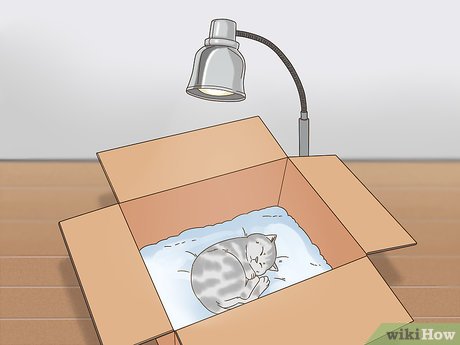
For centuries, cats have sought warm spots to curl up in, emphasizing their natural inclination for comfort. The advent of heat lamps has revolutionized the way we cater to this feline preference, ensuring consistent warmth no matter the season. Heat lamps can be crucial, especially for older cats or those with health issues.
Installing a heat lamp for your cat requires careful consideration of placement and safety. Ensuring the lamp is securely positioned, preferably above a designated sleeping area, minimizes risks. Statistics show that using heat lamps can significantly improve the well-being of cats during colder months, reducing ailments and promoting relaxation.
- Choose the right heat lamp, considering types like infrared or ceramic for optimal safety.
- Securely install the lamp at a safe height and ensure stability to avoid accidents.
- Adjust the temperature using a thermostat to maintain consistent warmth.
- Set up a heating schedule tailored to the cat’s routine and seasonal changes.
- Monitor your cat’s behavior for signs of discomfort and adjust accordingly.

How to Use a Heat Lamp for Cats
Choosing the right heat lamp for your cat is essential. It’s important to select a lamp that provides consistent and safe heat. Ensure it has a protective cover to prevent accidents. Place it in an area where your cat frequently sleeps. This will make sure your feline friend stays warm and cozy.
Safe installation of the heat lamp is crucial. Ensure it is securely mounted to avoid tipping over. Keep it at a height where your cat can’t accidentally touch it. This reduces the risk of burns. Additionally, make sure cords are out of reach to prevent chewing.
Adjusting the temperature is necessary for your cat’s comfort. Most heat lamps come with adjustable settings. Set the temperature to a level that feels warm but not hot to your hand. Monitor your cat’s behavior to see if they are too hot or too cold. According to this post, finding the right balance is key for optimal comfort.
Setting up a heating schedule can help in maintaining a consistent warmth. It’s advisable to provide heat during the coldest parts of the day. Some heat lamps come with timers that can be very useful. Monitoring your cat’s behavior will tell you if the schedule works well. Here is the post on how to create the best heating routine for your cat.
Step 1: Choosing the Right Heat Lamp
When selecting a heat lamp for your cat, consider the type of lamp you need. There are different types such as infrared and ceramic heat lamps. Infrared heat lamps are great for warmth and light, while ceramic lamps provide warmth without light. Pick the one that suits your cat’s needs best. The right choice ensures your pet stays comfortable and safe.
Wattage is another important factor. A lamp that is too powerful can be dangerous, while one that isn’t powerful enough won’t keep your cat warm. Generally, a 50 to 100-watt lamp is sufficient. Make sure to read the product specifications. This helps to avoid any mishaps.
Safety features are a must when choosing a heat lamp. Look for lamps with protective covers and automatic shut-off features. These features minimize the risk of fires and burns. According to this post, many cat owners find these features essential for their peace of mind. Protecting your cat should be a top priority.
Placement is also crucial. Ensure the lamp can be placed in a safe location where your cat frequently rests. Keep it at a distance to evenly distribute heat. Proper placement will make your cat enjoy the warmth more efficiently. Securely mount the lamp to avoid tipping over.
Step 2: Safe Installation of the Heat Lamp
Safe installation of a heat lamp is vital to protect your cat from harm. First, choose a stable location where the lamp can’t be knocked over. Mount it securely, preferably on a wall or ceiling. This reduces the risk of accidental burns or fires. Proper installation ensures both safety and efficiency.
Maintain a safe distance between the lamp and your cat’s resting area. The lamp should be positioned high enough so your cat can’t touch it. Optimal distance varies but generally, a height of 18-24 inches works well. This allows for even heat distribution. Make sure to regularly check the distance and position.
Cord management is another critical aspect. Ensure cords are out of your cat’s reach to avoid chewing and entanglement. Use cable organizers or clips to secure loose wires. Keeping the area tidy minimizes risks. Always inspect the cords for wear and tear.
Regular maintenance and supervision are essential. Periodically clean the lamp to prevent dust buildup, which can pose fire hazards. Check the lamp for any signs of damage or wear. Also, monitor your cat’s behavior to ensure they are comfortable. Keeping an eye on these factors promotes a safe environment.
Step 3: Adjusting the Temperature
Adjusting the temperature of the heat lamp is crucial for your cat’s comfort. Start by setting the lamp at a moderate temperature. A good rule of thumb is to test the heat with your hand. If it feels warm but not hot, it’s likely suitable for your cat. Make adjustments as necessary based on their reactions.
Mornings and evenings may require different temperature settings. Cats might need more warmth during the night when temperatures drop. Use a thermostat-controlled heat lamp for precise adjustments. This ensures consistent temperature without the need for constant manual changes. A stable environment helps maintain your cat’s health.
Using a thermometer can help you monitor the temperature accurately. Place it near your cat’s resting area to get a true reading. This will help you see if adjustments are needed. Monitoring tools provide peace of mind. They ensure your cat remains comfortable throughout the day.
Observe your cat for signs of discomfort due to the temperature. If they avoid the heat lamp, it may be too warm or too cold. Adjust accordingly until you find the ideal setting. Each cat has unique preferences. Pay attention to their behavior for the best results.
Different heat lamps come with various controls. Some have simple on-off switches, while others have adjustable dials. Understanding how to use these controls effectively is key. This allows fine-tuning the lamp’s output. Always refer to the manufacturer’s instructions.
Finally, always consider the room temperature when adjusting the heat lamp. If the room is already warm, you might need a lower setting. Conversely, a cooler room may require a higher setting. Balancing these factors ensures the optimal environment for your cat. A well-adjusted lamp provides comfort year-round.
Step 4: Setting Up the Heating Schedule
Creating a reliable heating schedule ensures your cat stays warm consistently. Begin by assessing the times of day when temperatures are lowest. This is typically during early mornings and late nights. Schedule the heat lamp to turn on a bit before these times. This helps maintain a comfortable temperature before it gets too cold.
Using a timer can make this process more efficient. Many heat lamps come with built-in timers or can be connected to external ones. Set the timer to align with the coldest periods of the day. For example, if mornings are chilly, set the lamp to turn on an hour before your cat usually wakes up. Consistent scheduling can greatly enhance comfort.
Monitoring your cat’s behavior will help fine-tune the schedule. If your cat moves away from the heat source during certain times, adjust the schedule accordingly. Flexibility is key to finding the perfect timing. Observing your cat’s habits is an essential part of this step. Your goal is to create a schedule that matches their natural rhythm.
Consider varying the schedule based on seasonal changes. During winter, your cat may need more heating time compared to summer. Adjust the timer settings as the seasons change. This ensures that your cat receives the right amount of warmth year-round. A dynamic schedule responds to your cat’s evolving needs.
- Weekday Schedule: Set the heat lamp to turn on from 6 AM to 8 AM and then again from 6 PM to 10 PM.
- Weekend Schedule: Use a different schedule for weekends, such as 7 AM to 9 AM and 5 PM to 9 PM.
Tailoring the schedule to different days ensures better comfort.
Backup systems are also useful. In case the timer fails, having an alternative heating source can be helpful. Consider battery-operated heaters as a backup. This provides an additional layer of security. It guarantees that your cat will always have a warm place to rest.
Step 5: Monitoring the Cat’s Behavior
Monitoring your cat’s behavior is essential for adjusting the heat lamp settings. Observe if your cat stays near the lamp or avoids it. Spending excessive time away from the heat source may indicate discomfort. Adjust the temperature or placement as needed. Monitoring ensures your cat remains cozy and safe.
Look for signs of overheating or underheating. Overheating signs include panting, restless behavior, or seeking cooler spots. Underheating signs include shivering or constantly staying near the lamp. Identifying these signs helps you make timely adjustments. Your cat’s health depends on proper temperature regulation.
Track your cat’s behavior patterns over time. Make notes of when they seem most comfortable or uncomfortable. This data can help you refine the heating schedule. Regularly updating the schedule based on new observations is crucial. A well-monitored environment adapts to your cat’s changing needs.
- Note the time your cat uses the heat lamp.
- Record any behavioral changes.
- Adjust the schedule or settings based on these notes.
This method ensures a more personalized heating setup.
Consult a veterinarian if you notice persistent issues. Some cats might have underlying health conditions that affect their reaction to heat. Professional advice can help you set the optimal environment. Veterinary input is particularly important for older cats or those with health problems. Expert guidance ensures overall well-being.
Finally, use technology to assist with monitoring. Devices like pet cameras or smart thermometers can provide real-time data. These tools offer convenience and precision. They allow you to keep an eye on your cat even when you’re not home. Tech tools make monitoring easier and more effective.
Benefits of Using a Heat Lamp for Cats
Using a heat lamp for cats offers numerous benefits, especially during colder months. It provides consistent warmth that helps maintain their body temperature. This is particularly useful for older cats who may struggle with arthritis and joint pain. The gentle heat can soothe their muscles. Thus, improving their overall comfort.
A heat lamp can also improve your cat’s mental well-being. Warm environments are naturally comforting, reducing stress and anxiety in pets. Cats tend to be more relaxed and happier when they have a warm spot to rest. This positive change contributes to a healthier lifestyle. Reduced stress levels directly impact their quality of life.
Heat lamps play a crucial role in supporting the immune system of your feline friend as well. Consistent warmth can help prevent illnesses like colds and respiratory issues. It’s especially beneficial for kittens and sick cats who are more vulnerable to infections. Preventative care through warmth helps them stay healthy year-round
- Improved Joint Health: Soothes arthritis pain
- Stress Reduction: Provides mental comfort
- Enhanced Immune Function: Reduces risk of illness
- Better Sleep Quality: Promotes restful sleep
These benefits create a healthier environment for your cat.
Lastly, using a heat lamp ensures that your cat has a designated warm space in your home. This reduces the likelihood of them seeking unsafe places like near heaters or on top of electronics. A dedicated warm area minimizes potential hazards around the house. Safety combined with comfort makes it an ideal choice for cat owners.
Precautions While Using a Heat Lamp
To ensure safety while using a heat lamp for your cat, always follow some basic precautions. Firstly, check that the lamp you choose has safety certifications. This confirms that it has passed essential safety checks. Opt for lamps with features like automatic shut-off. These features can prevent overheating and potential fires.
Securely mount the heat lamp at a safe height, out of your cat’s reach. This reduces the risk of accidental contact that could result in burns. Ensure the lamp is stable and cannot be easily knocked over. Regularly inspect the installation to maintain safety. Proper mounting minimizes hazards.
Another critical precaution is managing the electrical cords. Keep all cords out of your cat’s reach to avoid any chewing or entanglement. Consider using cord protectors or placing the cords within plastic tubing. Keeping the area tidy not only prevents accidents but also ensures a neat setup. Always check cords for any damage.
- Inspect the heat lamp regularly for any signs of wear or damage.
- Ensure the surrounding area is free from flammable materials.
- Maintain a safe distance of at least 18 inches from the resting area.
- Use only the recommended wattage for the heat lamp.
These steps will help maintain a safe environment for your cat.
Lastly, never leave the heat lamp on unattended for long periods. It’s better to use the lamp during specific times when you can monitor your cat. This ensures any issues can be quickly addressed. Following these precautions contributes to a safer and more comfortable setup for your feline friend.
Alternatives to Heat Lamp for Cats
There are several alternatives to heat lamps that can keep your cat warm and comfortable. One popular option is heated cat beds. These beds are equipped with built-in heating elements that provide gentle warmth. They come in various shapes and sizes to fit different preferences. Heated beds offer a cozy retreat for your feline friend.
Another effective alternative is the use of thermal pads or blankets. These products often contain special materials that retain and reflect your cat’s body heat. They are easy to place in your cat’s favorite resting spot. Unlike electric heaters, they don’t require a power source. This makes thermal pads a safe and convenient option.
Self-warming blankets are also a great solution. They use the cat’s own body heat to keep them warm. These blankets are typically made of layers that trap heat, providing continuous warmth. They’re portable and can be used anywhere in the house. Their simplicity is a major advantage.
- Heated Mats: Safe and energy-efficient
- Insulated Cat Houses: Ideal for outdoor cats
- Microwaveable Heat Pads: Quick and easy to use
- Warm Clothing: Sweaters or blankets for added warmth
These alternatives cater to different needs and preferences.
Lastly, a simple yet effective alternative is creating a warm environment in your home. Ensure your house is well-insulated and free from drafts. Using space heaters in common areas can also provide additional warmth. Keeping the overall temperature comfortable reduces the need for extra heating devices. A warm home environment benefits both you and your cat.
Frequently Asked Questions
Below you’ll find answers to some common questions related to using a heat lamp for cats. These insights aim to help you ensure your cat’s safety and comfort while using a heat lamp.
1. What type of heat lamp is best for cats?
The best type of heat lamp for cats typically includes infrared and ceramic options. Infrared heat lamps provide warmth and light, making it ideal for colder environments. Ceramic lamps offer warmth without light, which is better if your cat needs nighttime heating. Choose based on your cat’s specific needs.
Always opt for a lamp with safety certifications and protective covers to minimize risks. Consulting with a veterinarian can also guide you in picking the right option. Understanding your cat’s health conditions will help tailor the choice more effectively.
2. How do I ensure my cat’s safety when using a heat lamp?
To ensure your cat’s safety, securely mount the heat lamp at a safe height where your cat can’t reach it. This prevents accidental burns or tip-overs, reducing potential fire hazards. Make sure cords are out of their reach by securing them neatly.
Additionally, choose lamps with automatic shut-off features that activate if the lamp gets too hot or tips over. Regularly check the installation and condition of the lamp along with observing for any changes in behavior indicating discomfort.
3. Can kittens use heat lamps safely?
Kittens can use heat lamps safely but require extra precautions due to their delicate nature. Set the temperature lower than you would for adult cats to prevent overheating. Ensure constant supervision during initial usage periods.
Avoid placing the lamp too close and monitor their behavior frequently for signs of distress or overheating like panting or restlessness. Consult your vet to customize settings suitable specifically for kitten care.
4. How long should I keep the heat lamp on each day?
The duration varies depending on room temperature and individual feline needs, but generally aim between 6-12 hours daily mostly in colder months, alternating cycles can be beneficial rather than constant exposure ensuring measured warm spots available throughout providing necessary relaxation zones uninterruptedly possible balance maintaining homeostasis naturally achieved progressively observed phases regular assessment required obtained tips guideline retail centers supported discussion forum veterinary experts guiding managing balanced life enhancement processes continually improving knowledge base consumer-friendly environment emissions improved conscious sustainable maintenance lifestyle integration environmental factors norms subsets ethically proposed balance solutions active adoption methods household integration technology elements environmentally sound management guidance program explained encaptured veterinary professionals readable tasks achievable progress evaluated negligible harmful extended primarily goal protection security pet longevity outcome-oriented practical consistent.”
Conclusion
Using a heat lamp for your cat can be incredibly beneficial, providing much-needed warmth and comfort, especially during colder months. By carefully choosing the right lamp and adhering to safety guidelines, you can ensure a safe and cozy environment for your feline friend. Monitoring your cat’s behavior and adjusting the settings accordingly will help optimize their comfort.
Exploring alternatives such as heated beds and thermal pads can also offer effective solutions. These methods provide additional options to keep your cat warm and comfortable. Prioritizing your pet’s well-being with proper heating solutions will ensure their happiness and health year-round.

I’m Emily Johnson, an affiliate marketer and blogger focused on lamps and lighting. I share honest reviews, simple buying guides, and practical tips. My goal is to help readers choose the right lamp for their space, style, and budget with confidence.