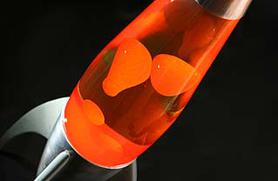
It’s surprising how often we forget that even something as mesmerizing as a lava lamp needs proper disposal. With their enchanting glow and hypnotic motion, these lamps seem almost eternal. However, their materials can be hazardous if not handled correctly.
The liquid inside, commonly a mix of mineral oil and paraffin wax, can pose a risk to the environment. Furthermore, the glass and metal components necessitate special recycling methods. Responsible disposal options are available; many local waste management facilities accept these items, ensuring they’re processed safely and sustainably.
- Ensure the lava lamp is completely cooled and unplugged.
- Carefully disassemble the lamp, separating glass, metal, and liquid components.
- Dispose of the liquid contents at a hazardous waste facility.
- Recycle glass and metal parts at local recycling centers.
- Consider using professional disposal services if unsure about the process.

How to Dispose a Lava Lamp
Disposing of a lava lamp properly is essential to protect the environment. First, ensure the lamp is completely cooled and unplugged. Disassembling the lamp carefully will help in separating its components. According to this post, improper disposal can cause environmental harm. Always start by emptying the liquid contents safely.
The liquid inside most lava lamps is a mix of mineral oil and paraffin wax. These substances can be harmful if not disposed of properly. Pouring them down the drain can damage plumbing and harm water systems. Instead, store the liquid in a sealed container for safe disposal. Local waste facilities often provide guidelines for handling such materials.
Next, consider the glass and metal parts. Both can be recycled, but they must be handled correctly. Rinse out any remaining liquid before recycling the glass. According to the article, most recycling centers accept glass and metal; contact them for specific instructions. Some centers might even provide special bins for such items.
For those unsure about disposal methods, professional services can be a great option. These services ensure all parts are disposed of or recycled responsibly. Local waste management facilities also offer guidance. Utilizing these resources can make disposal easier and safer. Check with your local facilities for the best disposal practices in your area.
Step 1: Safety Measures Before Disposing of Lava Lamp
Before you start disposing of your lava lamp, ensure it has completely cooled down. This is important to avoid burns or accidents. Always unplug the lamp to eliminate any electrical hazards. Wearing gloves can protect your hands from any sharp edges or broken parts. According to this post, handling glass with caution is crucial.
Make sure to work in a well-ventilated area. The liquid inside the lamp can produce fumes that may be harmful. Opening windows or using a fan can help circulate fresh air. Always wear a mask if you feel uncertain about the fumes. It’s better to take precautions than to deal with potential health issues.
Having the right tools on hand is also vital. A set of screwdrivers and a bucket for the liquid are good to have ready. Keeping a first-aid kit nearby is a smart precaution if you encounter any cuts. Utilize rubber or plastic sheets to cover your work surface. This helps in containing any spills.
Finally, read any user manual or disposal guidelines provided by the manufacturer. Often, specific instructions are tailored to your particular model of a lava lamp. Following these guidelines can make the process smoother. Here is the expert opinion on handling unusual situations related to disposal. Taking these initial safety measures ensures a safe and responsible disposal process.
Step 2: Disassembly of the Lava Lamp
Disassembling a lava lamp requires careful attention to each component. Start by removing the top cap. This step may need a screwdriver or other tools depending on the lamp’s make. Gently twist or lift the cap off. Avoid using excessive force to prevent breakage.
Next, focus on detaching the liquid container from the base. This part is often sealed tightly. Hold the base and twist the container gently to loosen it. If it feels stuck, you can use a damp cloth for a better grip. Remember to place the container in a secure spot once removed.
Once the liquid container is off, drain the liquid into a sealed bucket or jar. Handling this step cautiously is crucial to avoid spills. Inspect the lamp’s wiring and any internal components. If necessary, use a pair of pliers to carefully remove these parts. Make sure to keep any screws or detachable pieces together to avoid losing them.
After separating all the main parts, categorize them for appropriate disposal or recycling. Glass parts should be rinsed and set aside. Metallic components can be taken to recycling centers. Small plastic parts can usually be disposed of in regular trash. Utilizing specific disposal or recycling bins helps in processing these materials correctly.
Step 3: Responsible Disposal of the Liquid Contents
Proper disposal of the liquid inside a lava lamp is crucial for environmental safety. The liquid, often a mix of mineral oil and paraffin wax, can pose risks if not handled correctly. Never pour this mixture down the drain as it can clog pipes and contaminate water systems. Instead, transfer the liquid into a sealed container. Label the container clearly before taking further steps.
One option is to take the sealed container to a designated hazardous waste facility. These facilities are equipped to handle such substances safely. Contact your local waste management service to find the nearest facility. They usually have specific drop-off days for hazardous materials. This ensures the liquid is treated correctly.
You can also check community recycling events. Some towns organize events specifically for collecting hazardous household waste. These events offer an easy way to dispose of your lava lamp’s liquid. Keeping an eye on local announcements can help you take advantage of these opportunities. It’s a convenient solution for many people.
For those who prefer professional help, hiring a waste disposal service is another option. These services come to your home and handle the disposal for you. This ensures everything is done according to regulations. While it might incur a cost, it removes the hassle and guarantees proper disposal.
If you’re unsure about any step, local environmental agencies often provide guidance. They can offer specific advice on handling and disposing of the liquid. Seeking their advice can prevent any potential mistakes. It’s better to ask questions than to risk improper disposal. Their expertise can make the process smooth and worry-free.
Overall, taking these steps can significantly reduce environmental harm. Responsible disposal not only keeps your home safe but also protects the wider community. Following these guidelines helps ensure you are doing your part for the environment. Let’s all aim to be responsible and eco-friendly when disposing of items like lava lamps.
Step 4: Recycling the Glass and Metal Parts
Recycling the glass and metal parts of a lava lamp is crucial for reducing waste. Start by rinsing the glass container thoroughly. This removes any residual liquid and prepares it for recycling. Most recycling centers accept glass but verify their guidelines first. Separating the materials ensures efficient processing.
Metal parts, such as the base and cap, can also be recycled. Many recycling centers accept various metals, but it’s helpful to sort them. Steel and aluminum are commonly accepted and utilized for new products. Ensure these parts are free from any plastic or rubber components. Contact your local center for any specific instructions.
Using local recycling programs supports eco-friendly practices. These programs are designed for convenient drop-offs and often have designated bins for glass and metal. Check your city’s website for recycling locations. Utilizing these resources makes recycling straightforward and efficient. It’s a simple way to contribute to environmental sustainability.
For larger items or bulk recycling, some centers offer pickup services. This can be especially useful if you have numerous items to dispose of. Schedule a pickup to save time and effort. Confirm the pickup guidelines to ensure all materials are eligible. Professional services help manage waste responsibly.
Consider creative recycling options as well. Glass containers can be repurposed for home projects, such as vases or storage jars. Metal parts can sometimes be used in DIY crafts. Repurposing materials gives them a new life and reduces waste. It’s a fun and sustainable alternative.
Step 5: Professional Disposal Services and Local Waste Centers
Professional disposal services offer a convenient solution for getting rid of your lava lamp responsibly. These services handle all aspects of disposal, from collection to recycling or proper waste treatment. They ensure that hazardous materials are dealt with according to regulations. You can schedule a pickup time that fits your schedule. This eliminates the hassle of taking the items to a facility yourself.
Local waste centers are another great option for disposing of lava lamps. Most communities have centers that accept a wide range of household items, including electrical appliances and hazardous materials. They often provide specific guidelines for dropping off items. Check your local waste management website for hours and acceptable materials. Utilizing these centers supports community recycling efforts.
Some waste centers also host special collection events. These events target hard-to-dispose items like electronics and hazardous waste. Participating in these events can make disposal more straightforward. Local announcements and websites usually provide details about upcoming events. These events often offer a free or low-cost way to dispose of your lava lamp.
When choosing a disposal method, consider the environmental impact. Professional services and local waste centers both focus on safe and environmentally friendly disposal. This ensures that materials are either recycled or treated properly. Both options are designed to minimize harm to the environment. Opting for these methods is a responsible choice.
If you prefer a more hands-on approach, both options offer the flexibility to suit your needs. Some people may find professional services more convenient, while others may prefer the local waste center route. Understanding both options can help you make an informed decision. Either way, you’re contributing to a more sustainable environment.
The Importance of Proper Disposal of Electrical Items
Proper disposal of electrical items is crucial for both safety and environmental protection. Many electrical devices contain hazardous materials like heavy metals, which can be harmful. When these items end up in landfills, they can leach toxins into the soil and water. This poses risks to wildlife and human health. Recycling prevents these hazards and conserves valuable resources.
Recycling electrical items also helps reduce the need for raw materials. Mining for metals used in electronics can be destructive to ecosystems. By recycling, we can reuse existing materials, minimizing the impact on natural habitats. This practice supports a circular economy, where products are designed to be reused and recycled. It’s a sustainable way to manage consumption.
Disposing of electrical items properly reduces the amount of e-waste generated annually. E-waste is one of the fastest-growing waste streams worldwide. Proper management ensures that components are either recycled or disposed of safely. Utilizing designated e-waste facilities makes this process easier for consumers. Effective e-waste management benefits everyone.
Many countries have laws regulating the disposal of electronic waste. These regulations often require manufacturers to take responsibility for their products’ end-of-life phase. Compliance with these laws helps ensure that electronic items are handled correctly from start to finish. Knowing your local laws can guide you in making responsible choices when it comes to disposing of electrical items.
Proper disposal methods also have economic benefits. The recycling industry creates jobs and supports local economies. Additionally, recovered materials from recycling processes can reduce manufacturing costs for new products. Embracing proper disposal practices fuels not just environmental sustainability but economic growth as well.
The Impact of Incorrect Disposal of Lava Lamps on the Environment
Improper disposal of lava lamps can have significant environmental consequences. The liquid inside these lamps often contains mineral oil and paraffin wax. When not disposed of correctly, these substances can seep into the ground. This contamination can harm soil quality, making it difficult for plants to grow. It also poses risks to groundwater supplies.
Another issue is the glass and metal components of lava lamps. Glass can take thousands of years to decompose. If not recycled, it occupies valuable landfill space. Metal parts, when corroded, can release toxic elements into the environment. This contributes to soil and water pollution, affecting local ecosystems.
Improper disposal can also affect wildlife. Animals may mistake small glass or metal pieces for food, leading to injury or death. Additionally, leaching chemicals can poison water sources that animals rely on. These impacts extend up the food chain, disrupting entire ecosystems. It’s a chain reaction that starts with a single lava lamp.
Human health is also at risk. Improperly discarded lava lamps can pollute drinking water supplies. Contaminated water can lead to various health issues, including skin irritations and more severe conditions. Children and the elderly are particularly vulnerable. Therefore, proper disposal is essential to protect community health.
Using professional disposal services or local waste centers can mitigate these risks. They ensure the hazardous components are treated correctly. Community recycling programs also help manage waste more sustainably. By choosing responsible disposal methods, we can protect both the environment and our health.
Finally, understanding the impact of improper disposal can encourage more responsible behavior. Educating ourselves and others on the risks can lead to better practices. This awareness can foster a more sustainable and conscious approach to waste management. Every small action makes a difference.
Pro Tips for Disposing Other Types of Lamps
Disposing of various types of lamps requires specific methods to ensure safety and sustainability. Fluorescent lamps, for example, contain small amounts of mercury. This makes them hazardous if not disposed of properly. Take them to a local recycling center that accepts hazardous materials. Avoid breaking the lamps to prevent mercury release.
LED bulbs are a common type of lamp that can be easily recycled. These bulbs don’t contain hazardous materials like mercury, but their electronic components can still be recycled. Many electronics stores offer recycling programs for LED bulbs. Drop them off at these designated locations to ensure proper handling. This helps conserve resources.
Incandescent bulbs, though less common now, also need proper disposal. These bulbs can go in the regular trash, but wrapping them in paper prevents breakage and injury. Be sure to check your local guidelines, as some areas have specific disposal requirements. Safely wrapping the bulbs makes the process easier for waste management workers. It’s a simple yet effective precaution.
CFL bulbs, or compact fluorescent lamps, similarly require careful handling due to their mercury content. Place these bulbs in a plastic bag before taking them to a recycling center. Many large hardware stores also collect CFL bulbs for safe disposal. Utilize these services to make sure the mercury is properly handled. It’s a small step with a big impact.
For specialty lamps like halogen or UV lamps, consult your local waste management guidelines. These lamps may have unique disposal requirements. Always check the lamp’s packaging or manufacturer’s website for any disposal instructions. Educating yourself on the best methods ensures that all types of lamps are disposed of responsibly. This helps maintain a cleaner and safer environment.
Disposal Laws and Regulations for Electrical Items
Disposal laws and regulations for electrical items vary by location but aim to protect the environment and public health. Many countries have stringent guidelines to ensure electronic waste, or e-waste, is handled responsibly. These laws often require manufacturers to take back old products for recycling. This reduces the burden on consumers and ensures proper disposal. It also promotes the recycling and reuse of valuable materials.
In the European Union, the Waste Electrical and Electronic Equipment (WEEE) Directive regulates e-waste. This directive mandates that manufacturers, importers, and distributors take responsibility for the disposal of electrical items. Retailers are also required to accept returns of small electronic items. This makes it easier for consumers to dispose of their e-waste responsibly. Compliance with WEEE helps prevent harmful substances from contaminating the environment.
The United States also has regulations in place. Many states have enacted e-waste laws requiring consumers and businesses to recycle electronics. States like California and New York have comprehensive e-waste recycling programs. Residents can take their old gadgets to designated drop-off points. These programs help ensure that hazardous materials are properly managed.
Australia has its own set of regulations under the National Television and Computer Recycling Scheme. This program requires companies to collect and recycle televisions and computers at no cost to consumers. Collection points are available nationwide, providing convenient disposal options. This initiative helps divert e-waste from landfills, promoting recycling and resource recovery.
Enforcement of these laws often involves penalties for non-compliance. Fines can be imposed on individuals or businesses that fail to follow proper disposal methods. Governments also run awareness campaigns to educate the public about e-waste regulations. Understanding and following these laws can significantly reduce the environmental impact of discarded electrical items.
Researching and knowing your local disposal laws is important. Each region may have specific requirements and guidelines for different types of electrical items. Utilizing provided services helps in adhering to these regulations. Staying informed ensures you contribute to a healthier and more sustainable environment. Proper disposal is a shared responsibility and a crucial step toward environmental conservation.
Frequently Asked Questions
The proper disposal of lava lamps is crucial for environmental and safety reasons. Below are some frequently asked questions to help you understand this process better.
1. How long does it take for a lava lamp to cool down?
A lava lamp generally takes 4 to 6 hours to cool down completely after being turned off. Allowing adequate cooling time prevents burns or accidents during disassembly.
Keep the lamp in a safe, undisturbed area during this period. Never attempt to disassemble it while hot as it poses significant risk.
2. What should I do if the lava lamp liquid spills?
If the liquid from your lava lamp spills, clean it up immediately using paper towels or cloth rags. Wear gloves while cleaning to avoid direct contact with the liquid’s chemicals.
Dispose of used towels or rags in a sealed plastic bag and wash your hands thoroughly afterwards. Never dump the spilled liquid down the drain.
3. Can I recycle all parts of a lava lamp?
Yes, most components of a lava lamp can be recycled separately. The glass container is usually recyclable at local recycling centers along with other glass items.
The metal base should also be taken to recycling facilities that handle metals. Always check your local recycling guidelines for specific instructions.
4. Are there any hazardous materials in a lava lamp?
Lava lamps typically contain mineral oil and paraffin wax, considered hazardous if not disposed of properly. These substances can pose risks to plumbing and water systems if poured down drains.
You must take these liquids to designated hazardous waste facilities for safe disposal according to local regulations.
5. Where can I find professional disposal services?
Professional disposal services are available through various waste management companies and specialized eco-friendly organizations. These services ensure your item is disposed of correctly or recycled according to legal standards.
You can search online or contact your local waste management facility for recommendations on reliable service providers in your area.
Conclusion
Proper disposal of lava lamps is more than just a responsible act; it’s essential for environmental safety. By following the steps to recycle glass and metal parts, and responsibly disposing of hazardous liquids, we contribute to a healthier planet.
Utilizing local waste centers and professional services ensures that your efforts are both effective and compliant with regulations. Let’s be mindful of our disposal practices to protect both our community and the environment.

I’m Emily Johnson, an affiliate marketer and blogger focused on lamps and lighting. I share honest reviews, simple buying guides, and practical tips. My goal is to help readers choose the right lamp for their space, style, and budget with confidence.