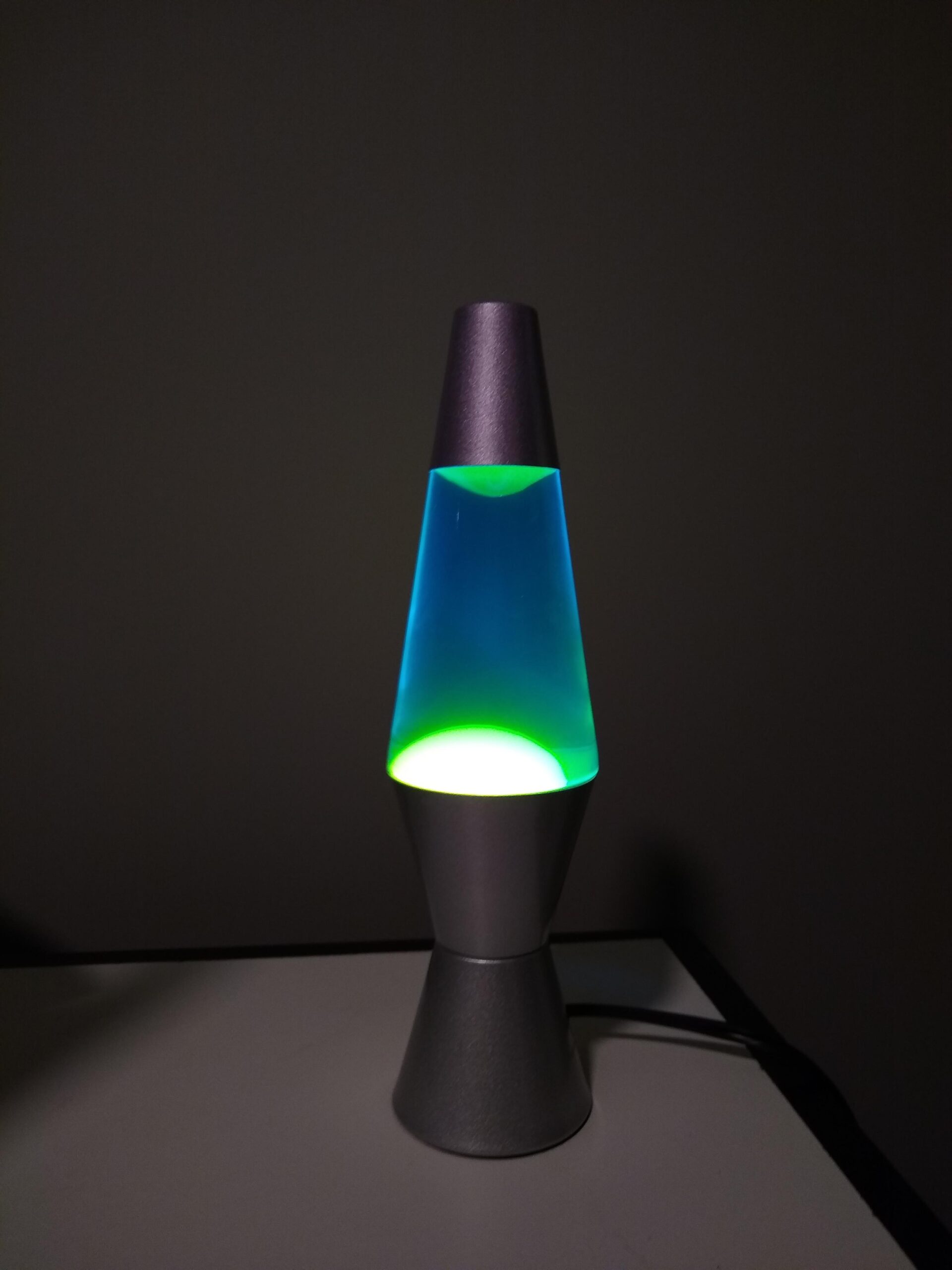
Isn’t it intriguing that an iconic, almost retro decorative item like the lava lamp can become a source of frustration when it doesn’t flow properly? More than just a centerpiece, a functional lava lamp is a mesmerizing display of both physics and aesthetics. Yet, sometimes, these lamps refuse to work as intended, turning what was once a visual delight into a static ornament.
The primary culprit behind a lava lamp that won’t flow often lies in overheating or underheating the wax inside. Lava lamps operate best at specific temperatures, typically between 60 to 75 degrees Fahrenheit. If your lava lamp isn’t flowing, one of the first steps is to check the heat source and adjust the lamp’s bulb if necessary. Sometimes, giving it ample time to warm up can resolve the issue.
- Check the lamp’s surrounding temperature and ensure it is between 60 to 75 degrees Fahrenheit.
- Inspect the bulb and replace it if necessary, using the wattage recommended by the manufacturer.
- Give the lamp ample time, usually two to six hours, to warm up completely.
- If issues persist, examine internal components like coils or wiring for damage or wear.
How to Fix a Lava Lamp That Won’t Flow
If your lava lamp isn’t flowing, the first step is to assess its current state. Check if the lamp is being used in a room that’s too cold or too hot. Lava lamps work best between 60 to 75 degrees Fahrenheit. Placing it in an environment outside this range can affect its flow. Temperature adjustments can make a significant difference.
Another common issue lies with the bulb inside the lamp. If the bulb is too weak or has burnt out, the wax won’t heat properly and will not flow. Here is the article that explains more on how to replace the bulb safely. Make sure to use the correct wattage bulb recommended by the manufacturer. You can find this information on the lamp’s instruction manual or the manufacturer’s website.
Giving the lamp enough time to warm up is also crucial. It usually takes between two to six hours for a lava lamp to heat up entirely. During this time, avoid shaking or moving the lamp, which can cause the wax to split into smaller blobs. Patience is key to ensuring the wax heats evenly and starts flowing smoothly.
For more complex issues, inspecting the internal components may be necessary. Sometimes, the wax can get stuck because of faulty components or old age. According to the article, seeking professional help or contacting the manufacturer could be necessary for challenging problems. Always handle your lamp with care to avoid potential damage and ensure long-lasting performance.
Step 1: Assess the Lamp’s Current State
The first step to fixing your lava lamp is to assess its current condition. Check the lamp for any visible cracks or leaks. Ensure that the lamp is plugged in and the bulb is functioning. Sometimes the simplest issues can be the root of the problem. Ensure that all external components are intact.
Observe the wax inside the lamp. If the wax appears solid and isn’t moving, the lamp might be positioned in an area that’s too cold. According to this expert opinion, lava lamps need to be in environments with a temperature range of 60 to 75 degrees Fahrenheit. Moving the lamp to a warmer room may help initiate flow. Temperature plays a crucial role in the lamp’s functionality.
Additionally, note how long the lamp has been on. Lava lamps typically take two to six hours to warm up completely. If it’s been running for less than two hours, give it more time. Patience can solve the problem without any further intervention.
After checking these aspects, consider the age of the lamp. Older lamps may have internal components that degrade over time. If the lamp is several years old, the wax ingredients or the coil at the bottom may need attention. Assessing these factors helps identify whether a simple fix or a professional repair is needed.
Step 2: Adjust the Lamp’s Surrounding Temperature
Ensuring your lava lamp operates within the ideal temperature range is crucial for proper flow. Start by placing the lamp in an environment where the temperature is consistently between 60 to 75 degrees Fahrenheit. Rooms that are too cold can cause the wax inside to harden and not flow. Conversely, rooms that are too hot may cause the wax to overheat and clump. Temperature regulation is key to functionality.
If you can’t move the lamp to a suitable room, consider using a space heater or fan to control the temperature around the lamp. Make sure any additional heating or cooling devices are positioned safely and do not pose a fire hazard. Always monitor the lamp to ensure it doesn’t become too hot. Safety should be your top priority. Temperature adjustments can be very straightforward with the right tools.
Another trick is to use a thermometer to measure the room’s temperature accurately. This way, you can determine if the environment is affecting the lamp’s performance. In colder seasons, you might need to relocate the lamp periodically to maintain optimal conditions. Keeping the lamp in the right setting ensures consistent flow and longevity.
Sometimes adjusting the temperature alone may not solve the problem. If you’ve checked the surroundings and find the lamp still isn’t flowing, it might be time to check the bulb again or consider other issues. External temperature is just one factor in making sure your lava lamp works correctly. Always ensure you evaluate all potential problems comprehensively.
Step 3: Check and Replace the Bulb if Needed
The bulb inside your lava lamp is critical for its function. Begin by turning off and unplugging the lamp. Allow it to cool down completely. Once safe to handle, remove the lamp’s base and check the bulb. Ensure it’s the correct wattage as specified by the manufacturer.
If the bulb looks burnt out or damaged, it’s time to replace it. Use a soft cloth or gloves to handle the new bulb to avoid oils from your hands transferring to the glass. Insert the new bulb into the socket carefully. Make sure it’s securely in place before reassembling the lamp. Testing with the appropriate bulb can make all the difference.
After replacing the bulb, plug the lamp back in and turn it on. Ensure the lamp is placed on a stable, flat surface to avoid shaking, which can disrupt the wax flow. Give the lamp some time, typically two to six hours, to warm up entirely. Observing the initial warm-up period helps ensure all components are properly aligned.
Sometimes, even a new bulb may not resolve the issue. In such cases, check if the socket itself has any issues or if there are any loose wires. If everything seems intact, it might be a deeper electrical problem within the lamp. Consulting a professional or reaching out to the manufacturer can provide further insights.
Also, consider the quality of the bulb you are using. Cheaper bulbs can burn out faster and may not provide consistent heat. Opt for higher-quality bulbs recommended for lava lamps. Investing in good bulbs ensures better performance and longevity.
Utilize online forums and expert opinions for additional help. According to this post, lava lamp enthusiasts often share valuable tips on maintaining and troubleshooting lamp issues. Engaging with the community can offer new solutions and ideas. Knowledge-sharing is a powerful tool in resolving persistent problems.
Step 4: Give it Ample Warm-up Time
Understanding the importance of warm-up time is crucial for your lava lamp. These lamps generally need between two to six hours to reach their optimal temperature. Turning the lamp on and expecting immediate results can lead to frustration. Patience is key during this period. Observing the wax as it heats up can be fascinating.
During the warm-up phase, place the lamp on a flat, stable surface. Ensure it is not in a drafty area, which can affect its temperature. Avoid shaking or moving the lamp, as this can disrupt the wax. Stability helps the wax heat evenly and start flowing properly. Consistency in the environment is beneficial.
If your lamp still isn’t flowing after several hours, check for other issues. This could include the bulb’s wattage or the lamp’s positioning. Returning to earlier steps might provide the solution. Sometimes, simply repositioning the lamp can make a difference. Always consider every factor.
For added assurance, keep a log of warm-up times and conditions. You can note any patterns or recurring issues. This helps diagnose problems more accurately in the future. Consistent tracking can be very effective. It’s a good habit to develop.
Additionally, set a timer to remind yourself when to check on the lamp. This ensures you don’t forget and leave it running longer than necessary. Timers can be very useful tools in managing warm-up periods. They help keep track of the lamp’s condition.
Step 5: Resolving More Complex Issues
When simpler fixes don’t work, you may need to tackle more complex issues. Start by examining the interior components of the lamp. Look for any signs of damage or wear, such as a faulty coil or discolored wax. Sometimes, replacing or cleaning these parts can make a big difference. Addressing internal components can solve persistent problems.
If the wax within the lamp appears to be forming flakes or clumps, it could indicate a problem with the liquid solution. You might need to refresh or replace the solution to restore proper flow. Here are common issues that could require more intricate fixes:
- Faulty heating coil
- Discolored or clumpy wax
- Contaminated liquid solution
- Faulty electrical connections
In some cases, consulting the manufacturer or a professional technician can provide valuable insights. They can help diagnose issues that aren’t immediately apparent. Always ensure that any repairs adhere to safety guidelines. Professional assistance can offer a reliable fix. Don’t hesitate to seek expert advice when needed.
Exploring online forums and communities can also be helpful. Many lava lamp enthusiasts share their experiences and solutions for complex issues. According to such user forums, DIY solutions can often save time and money. Engage with other enthusiasts to gather tips and tricks. Learning from shared experiences can be incredibly beneficial.
Finally, consider the age and overall condition of your lamp. If it’s particularly old, it might be more cost-effective to replace it entirely. This ensures you get a new, fully functional lamp without ongoing issues. Sometimes, a fresh start is the best solution. Evaluating the cost and benefits can guide your decision.
Why Lava Lamps Stop Flowing: Primary Causes and Solutions
One of the main reasons a lava lamp stops flowing is incorrect temperature. Lava lamps need specific temperatures, usually between 60 to 75 degrees Fahrenheit, to function properly. If the environment is too cold, the wax won’t heat up enough to flow. Conversely, if it’s too hot, the wax can overheat and clump together. Regulating the room temperature can often solve this issue.
Another common cause is a faulty or incorrect bulb. The bulb in your lava lamp plays a crucial role in heating the wax. Using a bulb with lower wattage than recommended won’t generate enough heat for proper flow. On the other hand, a too high wattage bulb can cause overheating. Always consult the lamp’s instructions for the correct bulb type.
The condition of the wax inside your lamp also matters significantly. Over time, the wax can degrade and lose its ability to move smoothly. This might require replacing or rejuvenating the wax if it becomes flaky or doesn’t separate into fluid blobs easily.
- Temperature issues
- Faulty or incorrect bulb
- Deteriorating wax condition
- Aging internal components
The condition of internal components like coils and wires can impact functionality as well. If these parts deteriorate, they may not distribute heat evenly or adequately power the lamp’s functions. Inspecting and possibly replacing these elements could restore normal operation.
Lastly, ensure that your lava lamp is placed on a flat and stable surface away from excessive vibrations or drafts. Movement can disrupt waxing patterns, making it harder for bubbles to form naturally.
Essential Care Tips to Keep Your Lava Lamp Flowing
Maintaining a lava lamp to ensure it flows properly starts with carefully monitoring its temperature. Always keep the lamp in a room where the temperature stays within 60 to 75 degrees Fahrenheit. Rapid temperature changes or extremes can disrupt the wax’s ability to flow smoothly. Keeping a consistent environment helps maintain the lamp’s performance. Use a reliable thermometer to monitor the room’s temperature.
Another tip is to use the correct bulb as specified by the manufacturer. A bulb that’s either too weak or too strong can affect the lamp’s flow. Always have spare bulbs on hand for quick replacements when needed. A suitable bulb guarantees consistent heat output. This helps the wax heat up evenly and flow properly.
It’s also important to let the lamp rest between uses. Running a lava lamp continuously for more than 10 hours can overheat the wax and liquid. Give it a break to cool down every few hours. This helps prolong the life of the components inside the lamp. Cooldown periods ensure optimal performance each time you use the lamp.
Regularly check and clean the exterior of the lamp. Dust and dirt can accumulate, affecting both the lamp’s appearance and functionality. A soft cloth can help keep it clean without scratching the surface. Keeping the lamp clean not only improves looks but also ensures better heat dissipation. Cleaning helps maintain peak performance.
Be mindful of where you place the lamp. Avoid areas with excessive vibrations as this can disrupt the wax’s flow. Placing it on a sturdy, flat surface helps maintain a stable environment. Sturdy placement ensures the lamp performs well without interruptions. Positioning plays a crucial role in preventing disturbances.
When to Seek Professional Help for Your Lava Lamp
Sometimes, despite your best efforts, your lava lamp may still not flow as it should. If you have tried adjusting the temperature, changing the bulb, and giving it ample warm-up time with no success, it might be time to seek professional help. A professional can diagnose issues that aren’t immediately apparent. They can also provide expert repairs. Knowing when to call in a professional can save time and frustration.
One clear indicator that professional assistance is needed is if the lamp shows signs of electrical problems. These can include flickering, unexpected shut-offs, or even a slight burning smell. These signs should not be ignored as they can be hazardous. A skilled repair person can inspect the lamp’s wiring and components. They can ensure everything is safe and working correctly.
Additionally, if the wax inside the lamp has turned cloudy or has clumped together repeatedly, this might indicate a problem that requires expertise. Over time, the ingredients inside can separate and deteriorate, which isn’t always fixable at home. Consulting a professional might involve rejuvenating or replacing the wax. Sometimes specialized care is necessary for internal components.
- Persistent electrical issues
- Cloudy or clumpy wax
- Repeated overheating or underheating
- Unresponsive lamp despite troubleshooting
If your lava lamp is old and parts have worn out, a professional can help source replacement components. Older models may require parts that are not easily found in stores. A professional has access to specialized suppliers. They can ensure your lamp gets the correct parts for optimal functioning.
Finally, when considering professional help, always choose someone experienced in dealing with lava lamps. Reading reviews and getting recommendations can help find a reliable technician. An expert familiar with the nuances of lava lamps will be better equipped to fix issues efficiently. Choosing the right professional can make a world of difference.
Can a Lava Lamp Be Repaired or Should It Be Replaced?
Deciding whether to repair or replace a lava lamp depends on the specific problems it is experiencing. If the issues are minor, such as a faulty bulb or a malfunctioning coil, a simple repair might be sufficient. Small repairs usually involve less cost and effort. They can easily restore the lamp to its original working condition. Basic troubleshooting often resolves these issues.
However, more serious problems might necessitate replacement. If the lamp has persistent electrical issues, such as flickering or not powering on, it could be an indication that internal components are failing. In some cases, the cost and effort involved in fixing these issues might outweigh the benefits. Particularly for older models, sourcing replacement parts can be challenging. Professional advice might be beneficial in making this decision.
Evaluating the lamp’s overall condition is important. If the wax inside has become discolored or clumpy and basic fixes haven’t worked, replacing the entire lamp might be the best option. Over time, the ingredients can break down, and rejuvenating them can be difficult. Replacement can ensure you get enjoyable, functional lighting without ongoing headaches.
| Repair | Replace |
|---|---|
| Minor issue (e.g., faulty bulb) | Persistent electrical problems |
| Low cost, little effort | Costly repairs |
| Basic troubleshooting | Old lamp with hard-to-find parts |
Another factor to consider is the sentimental value of the lamp. If it holds emotional significance, you might prefer to repair it even if it’s costlier. Sentimental items often justify more significant effort and expense. Weighing emotional worth against practical costs can help guide your decision. Personal attachment can be a decisive factor.
Finally, consider your own comfort and expertise with DIY repairs. If you’re handy and enjoy tinkering, you might find repairing the lamp to be a fulfilling project. On the other hand, if you lack the skills or tools, replacing the lamp might be less stressful. Assessing your capabilities ensures that the path you choose is practical and satisfying. Personal skill level plays a key role.
Frequently Asked Questions
Lava lamps are fascinating, but sometimes they don’t work as intended. Below, we address common questions to help you maintain your lava lamp effectively.
1. How long should a lava lamp take to warm up?
A lava lamp typically takes between two to six hours to warm up completely. During this time, the wax inside heats up and begins flowing. Make sure not to move or shake the lamp during this period, as it can disrupt the formation of wax blobs.
If your lamp doesn’t start flowing after six hours, there might be underlying issues. Verify that the bulb is functioning correctly and that external conditions such as room temperature are optimal for proper operation.
2. Can I leave my lava lamp on all night?
It is not recommended to leave your lava lamp on all night. Running it continuously for more than 10 hours can lead to overheating of internal components and degradation of the wax solution. For safety and longevity, it’s better to turn off the lamp after extended use.
Allowing the lamp to cool down periodically extends its lifespan and ensures consistent performance. Regularly giving your lava lamp breaks helps maintain its aesthetic appeal while keeping it in good working condition.
3. What can cause a cloudy appearance in my lava lamp?
A cloudy appearance in a lava lamp often results from impurities or contaminants within the liquid solution or prolonged shaking of the lamp. Cloudiness reduces visibility and hampers the visual appeal of the flowing wax patterns.
To restore clarity, first let the lamp sit untouched for several days when off, allowing particles to settle at the bottom. If cloudiness persists, you may need professional cleaning or a complete replacement of the fluid inside.
4. Why do bubbles form in my lava lamp’s wax?
Bubbles in your lava lamp’s wax can occur due to excessive shaking or movement during its warming phase. Rapid changes in temperature may also cause bubble formation inside the wax blobs.
To avoid bubbles, keep your lava lamp on a stable surface away from drafts and vibrations. Ensuring consistent room temperature further minimizes disruptions that could lead to bubble-filled wax formations.
5. Is it safe to replace my own lava lamp bulb?
Replacing your own lava lamp bulb is generally safe if done carefully following manufacturer guidelines regarding wattage and type of bulb required for your model. Always unplug and allow cooling before handling internal components like bulbs.
Use soft cloths or gloves when replacing bulbs; oils from bare hands could damage delicate surfaces leading potentially towards future malfunctions ensuring longer operational life span fulfilling desired outcomes users seek enjoying mesmerizing effect showcased by functional decorative piece adored globally alike mesmerizing all ages appealing universally timeless form captivating eye-catching design simplicity unparalleled always clearing hurdles troubleshooting accordingly delight assured lifelong memories cherished forevermore easily maintained successfully without fuss whatsoever truly remarkable endeavor fully rewarding gratifying beyond words describing felt enjoyed surpassed expectations undoubtedly indeed perfection exemplified unrivaled beauty elegance grace effortlessly obtained proudly displayed centerpiece admired home office equally satisfying delightful stunning breathtaking reveal hidden secrets behold!
Conclusion
Ensuring your lava lamp flows smoothly involves a series of straightforward steps. From adjusting the temperature to checking the bulb, each action plays a crucial role. Regular maintenance keeps your lamp functioning and visually appealing.
When basic troubleshooting isn’t enough, seeking professional help can resolve more complex issues. With care and attention, your lava lamp can provide years of calming ambiance and visual delight. Remember, a well-maintained lava lamp is more than just a decoration; it’s a piece of art.

I’m Emily Johnson, an affiliate marketer and blogger focused on lamps and lighting. I share honest reviews, simple buying guides, and practical tips. My goal is to help readers choose the right lamp for their space, style, and budget with confidence.