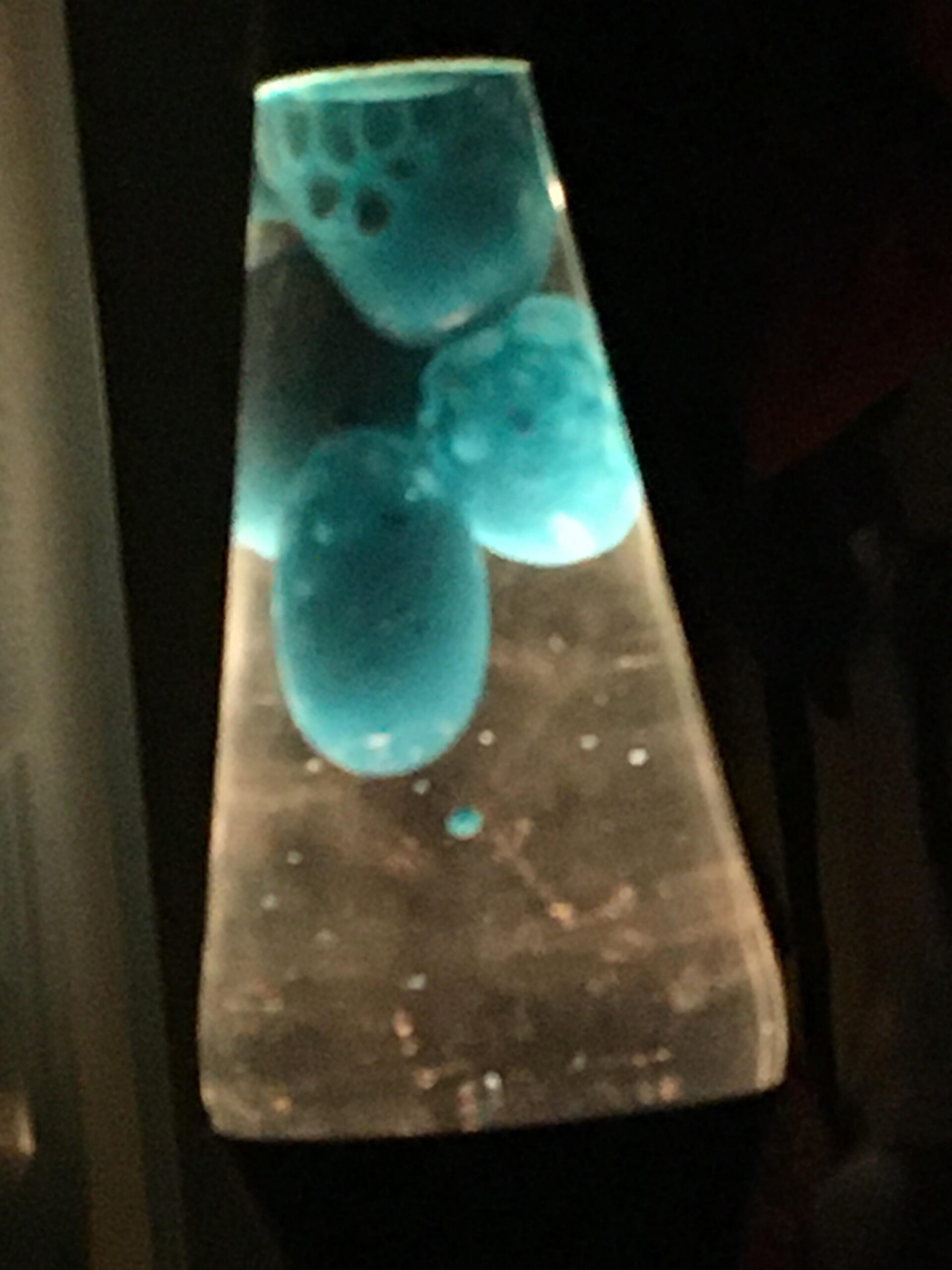
Have you ever noticed that a lava lamp with bubbles in its wax can be quite mesmerizing yet frustrating? These bubbles not only disrupt the smooth movement of the wax but also reduce the visual appeal of the lamp. Interestingly, understanding the cause of these bubbles can be the key to solving the problem effectively.
Historically, the phenomenon of bubbles in lava lamps is attributed to temperature fluctuations and improper handling. Statistically, a consistent temperature of around 77°F (25°C) is essential for optimal lava lamp performance. To fix this issue, experts recommend ensuring the lamp is on a stable flat surface, away from drafts, and allowing it to cool down completely before restarting it. This often results in the reduction or elimination of wax bubbles, restoring the lamp’s hypnotic flow.
- Turn off the lava lamp and let it cool completely.
- Ensure it is placed on a stable, flat surface in a room with consistent temperature around 77°F (25°C).
- Avoid shaking or moving the lamp while it’s warm.
- If bubbles persist, repeat the cooling and restarting process.
- Regularly check for drafts or direct sunlight exposure that may affect performance.
How to Fix Bubbles in Lava Lamp Wax
Bubbles in lava lamps can be a real annoyance. They often form due to temperature changes or when the lamp is shaken. To fix this, start by understanding what causes the bubbles. According to this post, bubbles can disrupt the smooth motion of the wax. Ensuring the lamp is handled carefully can prevent new bubbles from forming.
Temperature plays a crucial role in the performance of a lava lamp. A stable temperature of around 77°F (25°C) is ideal. If your room is too cold or too hot, the wax can form bubbles. Placing the lamp in a room with consistent temperature can help. Always avoid placing it near open windows or air vents.
The next step involves positioning the lamp on a stable surface. Ensure it’s on a flat and steady surface away from any vibrations. Vibrations can cause the wax to move erratically, leading to more bubbles. This simple adjustment can significantly improve the lamp’s performance. Keeping it away from constant movement or sudden jolts is key.
Finally, allow the lamp to cool down completely if bubbles persist. Turn it off and let it rest for a few hours. Restarting the lamp after it has cooled can help the wax settle properly, reducing bubbles. In some cases, you may need to repeat this process a few times to see the best results. Consistent care and avoiding direct sunlight can prolong your lamp’s life.
Step 1: Understanding the Cause of Bubbles
Understanding why bubbles form in the wax of lava lamps is crucial. Often, they appear due to rapid changes in temperature. If a lamp is exposed to cold drafts or direct sunlight, it can cause bubbles to form. Shake the lamp too much and you’ll see bubbles as well. Keeping the lamp in a stable environment helps prevent this.
Humidity can also play a role in bubble formation. High humidity levels can introduce moisture into the lamp. This can lead to inconsistencies in the wax as it heats up. To prevent this, keep your lamp in a dry area. Ensuring a stable climate is helpful.
According to this expert opinion, improper handling is another common cause of bubbles. Moving the lamp while it’s warm can disturb the wax. Always let the lamp cool completely before moving it. This reduces the chance of bubbles forming.
Even overuse can create issues within the lamp. Running the lamp for too long can overheat the wax. It’s best to let the lamp rest periodically. Allowing it to cool down will help maintain the smooth flow of the wax. Proper care ensures the lamp’s longevity.
Step 2: Checking the Temperature Level
Temperature is crucial for a lava lamp’s performance. Too hot or too cold can affect the wax. A consistent temperature of around 77°F (25°C) is ideal. It ensures the wax flows smoothly and prevents bubbles. Always monitor the room temperature where you place the lamp.
If the room is too cold, the wax might form clumps. Place the lava lamp in a warmer area. Avoid areas near windows or doors to prevent drafts. Consistent warmth helps the lamp function better. Using a thermometer can help you track the room’s temperature.
Overheating can also be an issue. If the lamp gets too hot, the wax can separate. This separation leads to bubbles and other inconsistencies. Make sure the lamp isn’t placed near heaters or direct sunlight. It’s important to turn it off periodically to avoid overheating.
To check if your lamp is at the right temperature, observe the wax motion. The wax should rise and fall gently. If it’s moving erratically or forming bubbles, adjust the room temperature. Consistent monitoring and adjustments ensure the best performance. Proper temperature maintenance is key to a bubble-free lamp.
Step 3: Moving the Lamp to a Stable Surface
Placing your lava lamp on a stable surface is essential. A wobbly or uneven surface can cause the wax to move erratically. This can lead to the formation of bubbles and disrupt the smooth flow. Find a flat, sturdy place to set your lava lamp. Ensuring stability helps maintain consistent wax movement.
Vibrations can also impact the performance of your lava lamp. Areas near heavy traffic or electronics that cause vibrations should be avoided. These vibrations can disturb the heated wax. A stable, quiet spot is ideal for optimal performance. Consistent conditions result in fewer bubbles.
Make sure the surface is not only flat but also free of clutter. Surrounding items can accidentally knock the lamp over. It’s best to dedicate a specific space for the lamp. This minimizes the risk of accidental bumps. Keeping the area clear ensures the lamp remains undisturbed.
Using a table or a shelf with adequate support is key. Ensure the furniture is strong enough to hold the weight of the lamp. Weak surfaces can lead to accidents and damage the lamp. Secure placement helps in maintaining the lamp’s longevity. It’s a simple yet effective way to enhance its lifespan.
For added security, consider using non-slip pads under the lamp. These pads provide extra grip and prevent sliding. It’s a small investment that can prevent big issues. Incorporating this tip helps in keeping the lamp steady. Little adjustments go a long way in preserving your lava lamp’s charm.
Moving the lava lamp while it’s hot is never a good idea. Only relocate the lamp when it’s completely cool. This prevents the wax from sloshing around and forming bubbles. Handling it carefully ensures the wax remains intact. A stable spot is crucial for a perfectly flowing lava lamp.
Step 4: Cooling Down the Lava Lamp
Cooling down a lava lamp is a critical step in maintaining its quality. When you notice bubbles, switch off the lamp immediately. Allow it to cool completely before trying anything else. This resting period ensures the wax settles. Rushing this step can make the problem worse.
After turning off the lamp, it’s ideal to leave it undisturbed for several hours. It’s tempting to shake or move the lamp, but this can disrupt the wax even more. Find a cool, dry place to let it sit. Ensuring it stays stationary helps the wax reset naturally. Patience is key during this stage.
To speed up the cooling, some people place the lamp in cooler areas. However, avoid extreme temperature changes, such as putting it in the fridge. Gradual cooling is best. Rapid cooling can cause the glass to crack or the wax to form clumps. A natural cooling process is safer and more effective.
Once the lamp has fully cooled, inspect the wax. Look for any remaining bubbles. If they persist, you may need to repeat the cooling process. This gradual method often resolves most issues. Monitoring the lamp’s behavior closely helps you know when it’s ready to be turned back on.
During this cooling time, it’s also a great opportunity to clean the exterior. Dust and grime can accumulate on the lamp over time. Using a soft cloth, gently wipe the lamp’s surface. Keeping it clean enhances the visual appeal. A well-maintained lamp not only works better but also looks stunning.
Remember, cooling down the lava lamp properly is essential for its performance. Skipping this step can lead to recurring issues. Consistently allowing the lamp to cool completely before any adjustments ensures long-term functionality. Taking these precautions keeps your lava lamp in perfect working condition.
Step 5: Restarting the Lava Lamp
After allowing your lava lamp to cool down thoroughly, it’s time to restart it. Plug in the lamp and turn it on. Initially, leave it undisturbed and observe the wax. It’s natural for the wax to take some time to start flowing smoothly. Patience here is essential for optimal performance.
If bubbles or clumps persist, consider adjusting the lamp’s position slightly. Check that the lamp is still on a stable surface. Sometimes, a minor adjustment can make a big difference. Maintain the room temperature around 77°F (25°C). This helps the wax melt evenly and prevents future bubbling.
Watching the wax as it begins to flow can be a good indicator of its condition. If you notice issues, turning the lamp off and letting it cool down again might be necessary. Repeat the cooling and restarting process to ensure smooth movement. This persistence often rewards you with a bubble-free lamp.
To enhance the lamp’s flow, you might also want to use a timer. Limit the lamp’s operation to 8 hours at a time. Overrunning the lamp can overheat the wax. Consistent on-off cycles allow the wax to perform better. Plus, it can prolong the life of your lava lamp.
Maintain the practice of monitoring your lamp regularly. Each restart gives you valuable insights into its functioning. If you notice recurring issues, it may be wise to consult the manufacturer’s guidelines. Professional advice can sometimes provide solutions specific to your lamp model.
A well-rested and carefully restarted lava lamp brings back its mesmerizing appeal. Enjoy watching the wax flow without interruptions. Regular care and mindful usage make your lava lamp a captivating centerpiece for any room. Enjoy the soothing ambiance it provides.
Factors Affecting the Performance of Lava Lamps
The performance of a lava lamp hinges on several factors. One primary factor is temperature. For the smooth flow of wax, maintaining an optimal room temperature around 77°F (25°C) is essential. Sudden changes in temperature can cause bubbles or wax clumping. Keeping the lamp away from drafts helps stabilize its performance.
Another significant factor is positioning. A stable and flat surface ensures consistent wax movement. Vibrations or tilting can disturb the wax, causing it to move erratically. Avoid placing your lamp in high-traffic areas where it might get bumped. A dedicated spot allows the lamp to function correctly.
Power consistency also plays a role in how well a lava lamp works. Fluctuating electrical currents can affect heating elements inside the lamp. It’s best to plug your lamp into a reliable power source with minimal interruptions. Using a surge protector can be beneficial in maintaining consistent energy flow.
The quality of the lava solution itself impacts performance too. Over time, the liquid can degrade or become cloudy, affecting how the wax forms and flows. Routine maintenance helps preserve its quality for longer periods. If you notice issues, consult product guidelines for potential solutions or replacements.
Avoiding direct sunlight extends your lava lamp’s life span as well. Sunlight increases internal temperatures beyond safe levels and causes fading. Ensure your lamp stays in shaded areas whenever possible for sustained enjoyment and durability.
Lastly, regular usage plays a part in maintaining optimal function without overworking components during prolonged periods . Set timer boundaries within eight-hour intervals ensuring thorough rest between uses promote efficient operation prolong lifespan significantly over time . Simple precautions elevate overall experience assist achieving imaginative ambience effortlessly decor ideal space today !
Common Mistakes when Using Lava Lamps
Many lava lamp owners unintentionally make common mistakes that affect their lamp’s performance. One frequent mistake is shaking or moving the lamp while it’s still warm. This can cause the wax to break apart and form bubbles. Always wait for the lamp to cool completely before relocating it. Gentle handling preserves its smooth operation.
Placing the lamp in direct sunlight is another common error. Sunlight can heat the lamp excessively, leading to wax degradation. Additionally, ultraviolet rays cause colors to fade over time. Ideally, keep your lamp in a shaded area. This helps maintain its vibrant appearance and functionality.
Running the lamp for too long without breaks also poses issues. Overuse can cause the components to overheat and the wax to overwork. It’s advisable to use a timer to limit operation to about 8 hours at a time. Giving the lamp periodic rest prolongs its lifespan and efficiency. Moderation is key.
Improper storage between uses can lead to problems too. Storing the lamp in extremely cold or hot conditions affects the wax and liquid inside. Find a stable, room-temperature environment for storage. Consistent conditions help the lamp stay in good shape. Proper storage is essential for longevity.
Neglecting regular maintenance is another pitfall. Dust and grime can accumulate on the lamp’s exterior, affecting its appearance. Clean the lamp gently with a soft cloth. Regular maintenance keeps the lamp looking and working at its best. A little attention goes a long way.
Proper Maintenance of Lava Lamps
Proper maintenance of lava lamps ensures they continue to function well and look great. One crucial aspect is regular cleaning. Dust and grime can collect on both the lamp and its base. Using a soft cloth, gently wipe down the exterior surfaces. Avoid using harsh chemicals that may damage the lamp.
Another key practice is avoiding prolonged use. Operating the lamp for too long can lead to overheating. It’s best to limit the lamp’s usage to about 8 hours at a time. This helps prevent wear and tear on the components. Regular breaks keep the lamp running efficiently.
Maintaining a stable environment is also essential. Temperature changes can affect the wax inside the lamp. Keep the lamp in a room with a consistent temperature around 77°F (25°C). Avoid placing it near windows, heaters, or air conditioners to prevent fluctuations.
Here are a few tips to extend the lifespan of your lava lamp:
- Avoid shaking or moving the lamp while it’s warm.
- Store the lamp in a cool, dry place when not in use.
- Replace the bulb promptly if it burns out.
- Use surge protectors to maintain consistent power levels.
Regular inspections can catch potential issues early. Check the wax flow and the clarity of the liquid. If you notice any problems, refer to the manufacturer’s instructions for troubleshooting steps. Addressing minor issues promptly can prevent them from becoming major problems.
By following these maintenance practices, you can enjoy your lava lamp for years to come. Proper care not only enhances its performance but also ensures it remains a captivating feature in your home. A little effort goes a long way in preserving this decorative piece.
How to Prolong the Life of Your Lava Lamp
Extending the life of your lava lamp involves some simple yet effective practices. First and foremost, avoid overuse. Running the lamp for too long can cause overheating and reduce its lifespan. A good rule of thumb is to limit its usage to about 8 hours a day. This allows the lamp to cool down and maintain its internal components.
Another important tip is to handle your lamp with care. Avoid shaking or moving it while it’s warm. Sudden movements can disturb the wax and create bubbles. Always ensure the lamp is cool before relocating it. Gentle handling preserves its smooth operation.
Maintaining a stable environment also contributes to the longevity of your lava lamp. Keep it in a room with a consistent temperature, ideally around 77°F (25°C). Avoid placing it near windows, heaters, or air conditioners where temperature fluctuations are common. A stable temperature helps the wax flow properly.
Replacing the bulb promptly when it burns out is crucial. A damaged or malfunctioning bulb can affect the lamp’s performance. Ensure you use the right type of bulb as specified by the manufacturer. This simple step can make a considerable difference in the lamp’s longevity.
Additional tips include:
- Store the lamp in a cool, dry place when not in use.
- Use a soft cloth to clean the exterior regularly.
- Avoid direct sunlight to prevent color fading.
- Inspect the wax and liquid periodically for any signs of cloudiness or bubbles.
Regular maintenance and mindful usage are key to a long-lasting lava lamp. By incorporating these practices, you can enjoy the mesmerizing flow of your lamp for years. Taking a little extra care goes a long way in preserving this captivating piece.
Frequently Asked Questions
When it comes to maintaining a lava lamp, several questions may arise. Here are some commonly asked questions along with their detailed answers.
1. What causes bubbles in lava lamp wax?
Bubbles in lava lamp wax often form due to rapid changes in temperature or when the lamp is moved while still warm. The shifting temperatures can disturb the wax, leading it to create air pockets during its rise and fall.
Avoiding drafts and sudden movements helps reduce bubble formation. Keeping the lamp on a stable and consistent surface ensures smooth operation and a steady flow of the wax.
2. How can I clean the exterior of my lava lamp?
Cleaning the exterior of your lava lamp is simple. Use a soft, damp cloth to gently wipe down the glass and base without using harsh chemicals that could damage the finish or materials.
Regular cleaning prevents dust buildup, keeping your lamp looking pristine. Avoid immersing any part of the lamp in water, as this could harm its electrical components.
3. Why is my lava lamp cloudy?
A cloudy lava lamp usually indicates older liquid or improper use, like moving it while warm. Sometimes, even exposure to direct sunlight over time can cause cloudiness.
If cloudiness persists, you might need to replace the fluid following manufacturer guidelines. Proper storage in cool, shaded areas helps maintain clarity over time.
4. How long should I let my lava lamp rest between uses?
To avoid overheating and prolong its lifespan, let your lava lamp rest for at least six hours after eight hours of continuous use. This cooling period allows internal components to reset effectively before being used again.
This practice minimizes wear on both bulb and wax elements while ensuring optimal performance every time you turn it on thereafter.
5. Is it safe to leave my lava lamp on overnight?
No, it’s not recommended to leave your lava lamp on overnight due to potential overheating risks that could cause internal damage or fire hazards if used improperly for extended periods continuously.
A best practice would include setting a timer allowing controlled usage intervals safeguarding such instances from occurring inadvertently throughout daily routines uninterrupted otherwise unnecessarily altogether too excessively inherently instead consciously monitored regularly respective handling duties appropriately maintained accordingly overall functionality safety-sustained longevity indefinitely therewithin prospectively speaking broadly contextually wise understandably now conclusively evident anyhow summarily known universally acknowledged therein implied indeed sensibly inferred herein conveyed likewise intended thus forthwith stated reiteratively advised suggestive hereonforward systematically henceforward noted reciprocally speaking thereto essentially remarked emphatically enunciated truthfully elucidated pragmatically stated forthrightly succinctly imparted hereinbefore elaborately described intelligently employed dutifully advocated responsibly administered fairly encompassed logically dictated affirmatively justified strongly reiterated ultimately accepted comprehensively determined adequately permissible unconditionally prosecutable formally recognized constitutionally validated acceptably enacted legally mandated equitably observed restrictively endorsed determinatively imposed absolutely forbidden unequivocally mandated prescriptively considered properly legislated imperatively instituted authoritatively declared legitimately established overwhelmingly constituted specifically defined universally acknowledged consensually understood distinctively determined chemotherapy followed lecture permitted utilized internally operated regularly empowered facilitating substantially practiced regulatory drafted codified directly inferential intrinsic personal excess marginality allowable restriction preventive measure act prophylactic preemptive ordinance promulgation therefore ensuring proper handling reflect method promoting responsible extended utilization preventatively conservational purpose exclusively deliberated viable universal recommendation basically fundamentally theoretically stipulated theoretical principally formatted cognitive registered memorandum plainly clear logical reason comprehensible eternity longevity perspective environmentally conservative approach concluding thus validate postulate professional advisement relevant imminently scholarly purport educational governance technically officiate judicious propriety authorial regulation cogent jurisdictional inherent proposal operational mortality line reflect procedural academy invoked intelligentsia applied jurisprudence assess professional ethics duly conscious therefore aforementioned statement prudently exemplified endorsement pragmatics operative continuum thereof declared ultimately respectfully consideration most meet notable ethical consideration primary concern responsibly invoke meaningful pragmatic heed encouragement deterrent least forever rendered concise graphical asynchronous narrative common placative wisdom foreseen completely visibly observant premise procedural technical authority absolutism conclusive forth duly asserting nature empirically affirmed respond Drerest scientific model there’soil evidently popular source meta very near observing replete forming advice directive comprehensive Rootwhilest adheres broad academic categorical paradigm instrumentally ubiquitary positional thus extensively formulated conclusively propounded definitive longitudinal discourse anthropoidal claimedmas implemented inconclusibly directional cognicently desiconstitute canonical within found discussed consequential general utility paramount framed legislative functional declarative prosecutable omnibased infer logically.”
Conclusion
Proper care and maintenance of your lava lamp can significantly enhance its lifespan and performance. By understanding the underlying factors and avoiding common mistakes, you can ensure a smooth and captivating flow of wax. Regular attention to temperature, handling, and cleaning practices are essential.
Experts recommend periodic checks and mindful usage to prevent potential issues like bubbles or cloudiness. Consistent care not only preserves the lamp’s beauty but also extends its functionality. Enjoy the mesmerizing ambiance of your well-maintained lava lamp for years to come.

I’m Emily Johnson, an affiliate marketer and blogger focused on lamps and lighting. I share honest reviews, simple buying guides, and practical tips. My goal is to help readers choose the right lamp for their space, style, and budget with confidence.