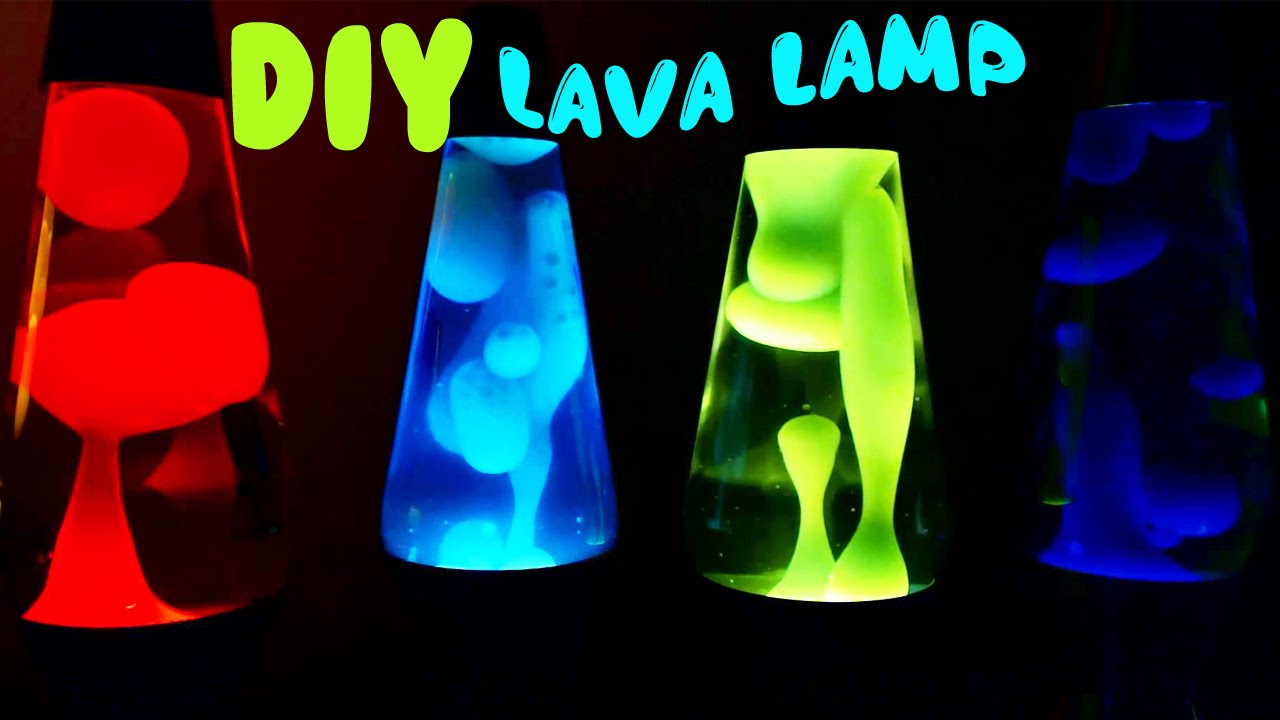
Ever wondered how a simple lamp can transform into a mesmerizing display of moving, glowing blobs? Lava lamps have fascinated people since their creation in the 1960s, blending science with pure visual delight. These iconic lamps not only add ambiance but also serve as an excellent project for those interested in DIY electronics.
The history of the lava lamp dates back to 1963 when British inventor Edward Craven Walker first introduced it. Since then, the blend of water, wax, and a heat source has remained fundamentally unchanged. However, modern advancements have enabled us to replace the traditional filament bulb with energy-efficient LED lights, making them safer and more efficient while retaining that irresistible hypnotic effect.
- Gather materials: clear glass bottle, vegetable oil, water, food coloring, Alka-Seltzer tablet, and LED light.
- Fill the bottle halfway with water and top off with vegetable oil.
- Add a few drops of food coloring; it will mix with the water.
- Drop pieces of an Alka-Seltzer tablet into the bottle to create bubbling blobs.
- Position an LED light under the bottle for illumination.
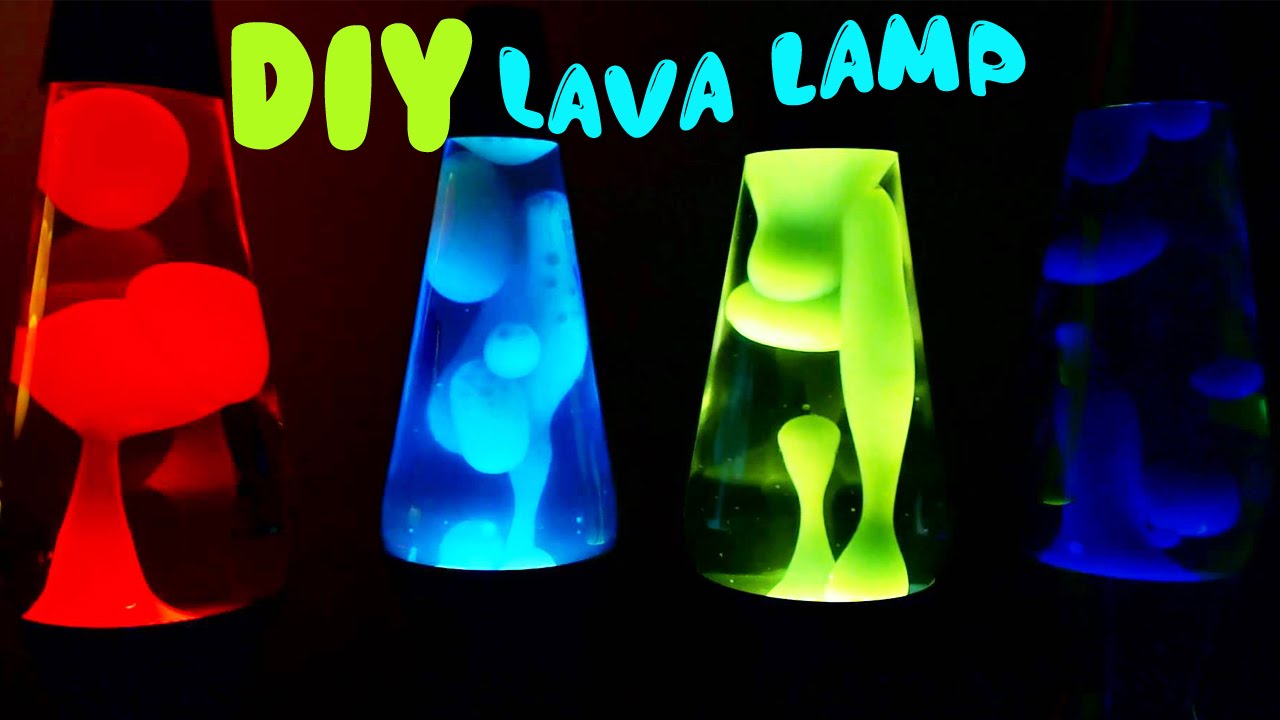
How to Make an Electric Lava Lamp
Creating an electric lava lamp is a fun and educational project. First, you’ll need materials like a clear bottle, vegetable oil, water, food coloring, and an Alka-Seltzer tablet. These basic items are easy to find in most households. For the heating element, a simple LED light can be very effective. Make sure you have everything ready before starting the process.
Begin by filling your clear bottle with vegetable oil, leaving some space at the top. Add water until it reaches the top of the bottle. The two liquids will separate, creating a unique effect. Next, drop in a few drops of food coloring. The color will go through the oil and mix with the water, providing vibrant hues.
The next step involves the Alka-Seltzer tablet. Break the tablet into smaller pieces and drop one into the bottle. Bubbles will start to form, causing the colored water to move through the oil. This creates the characteristic “lava” effect that we all love. For a detailed guide, refer to this post.
It’s important to follow safety guidelines while making your lava lamp. Always supervise children during the process to avoid any accidents. Make sure the bottle is securely closed to prevent spills. If you want more historical context about lamps, check this article for interesting insights.
Step 1: Gathering Necessary Materials
To make an electric lava lamp, you’ll need a few essential items. These include a clear glass bottle, vegetable oil, water, and food coloring. Additionally, you will need an Alka-Seltzer tablet and an LED light source for the electric component. Gathering these materials is straightforward, as most can be found around the house or in local stores. According to this post, having the right materials makes the process much more manageable.
You can make a quick shopping list to ensure you have everything. Use the following list as a guide:
- Clear glass bottle
- Vegetable oil
- Water
- Food coloring
- Alka-Seltzer tablet
- LED light
Having all materials at hand will streamline the assembly process.
The quality of materials is also worth considering. For instance, using clear vegetable oil ensures the visual effects are as striking as possible. Similarly, vibrant food coloring will give your lava lamp a captivating appearance. Proper LED lights are crucial for showing off the lamp’s beauty in the dark.
It’s also useful to have some extra items for safety and convenience. A funnel will make it easier to pour liquids without spilling. You might also want to use gloves when handling food coloring to prevent stains. Such small additions can make the entire project smoother and more enjoyable.
Step 2: Creating the Lava Solution
To create the lava solution, start by filling the glass bottle halfway with water. Next, pour vegetable oil into the bottle until it’s almost full. You’ll notice the oil and water will remain separate due to their different densities. This separation is crucial for the lava effect. Stir slowly if needed to ensure an even distribution.
After filling the bottle with oil and water, it’s time to add the food coloring. Just a few drops will do the trick. The food coloring will pass through the oil and mix only with the water. This creates beautiful, colored blobs that float up and down. You can experiment with different colors for a unique look.
Now, break an Alka-Seltzer tablet into smaller pieces. Drop one piece into the bottle and watch as it starts to fizz. The reaction between the tablet and water creates gas bubbles. These bubbles cause the colored water to rise and fall through the oil, mimicking lava movement.
Repeat the process with the remaining tablet pieces as the effect fades. Eventually, the reaction will slow, but you can always add more Alka-Seltzer to rejuvenate the display. This hands-on experiment offers a fascinating lesson in chemistry while providing endless entertainment.
Step 3: Assembling the Electric Lamp
Once you have your lava solution ready, it’s time to assemble the electric lamp. First, secure the glass bottle filled with the lava solution onto a stable base. You can use a glue gun or double-sided tape to keep it in place. Ensure it won’t easily tip over, as stability is key for safety. Position the bottle vertically for the best visual effect.
Next, prepare your LED light source. LED lights are preferred because they generate less heat, making them safer for prolonged use. Place the LED light beneath the glass bottle. Make sure the light is centered and facing directly up. This positioning will illuminate the solution effectively, highlighting the lava movement.
Connect the LED light to a power source. This could be a USB plug or a battery pack, depending on the type of LED you have. Plug it in and make sure it’s working correctly. If everything is set up properly, switch on the light to see how it interacts with the lava solution. Adjust the positioning of the light if needed for optimal brightness.
For added visual appeal, you can use colored LED lights. This will enhance the overall look of your lava lamp. Colored LEDs can make the floating blobs even more mesmerizing. It’s a small addition but one that can make a big difference in the lamp’s appearance.
Finally, check that all components are securely in place. Testing the lamp for a few minutes can help ensure that nothing is loose or out of alignment. Making sure everything is properly assembled not only improves functionality but also ensures a longer-lasting lamp. Following these steps will help you create an electric lava lamp that brings a touch of magic to any room.
Step 4: Safety Measures to Consider
Safety is paramount when making and using an electric lava lamp. Always use LED lights, as they generate much less heat than traditional bulbs. This reduces the risk of overheating. Place the lamp in a location where it won’t be easily knocked over. Stability is key to preventing accidents.
Ensure the electrical components are well-insulated. Check all wires and connections to make sure they are secure and not exposed. Use electrical tape if needed to cover any loose wires. Never touch the power source with wet hands. Moisture and electricity can be a dangerous combination.
Supervise children closely if they are involved in the project. While making a lava lamp is a fun activity, it still requires caution. Children should not handle the LED lights or electrical components. Explain the importance of safety measures to them. This teaches responsibility alongside creativity.
Be cautious when adding Alka-Seltzer tablets to the lava solution. They can cause the liquid to bubble and possibly overflow. Add them slowly and in small amounts. If you notice any cracks in the glass bottle, replace it immediately. A compromised bottle can lead to leaks or breakage.
Lastly, always unplug the lamp when not in use. Leaving it on for extended periods can wear out the LED light and increase the risk of accidents. Regularly inspect the lamp to ensure all components are in good condition. Following these safety measures will ensure a secure and enjoyable experience.
Step 5: Turning on Your Electric Lava Lamp
Now that your electric lava lamp is fully assembled, it’s time to see it in action. Begin by plugging in the LED light source. Make sure everything is securely connected. Switch on the LED light and observe as it illuminates the bottle. The colored blobs should start moving, creating the mesmerizing effect.
Initially, you might notice some bubbles forming slowly. As the light warms the solution, the movement of the blobs will become more fluid. If you find the action too slow, you can add another piece of Alka-Seltzer tablet. This will speed up the reaction temporarily. However, always add in small amounts to avoid overflow.
Adjust the lighting in the room for enhanced visibility. A dark or dimly lit space will showcase the lava lamp’s glow better. Let the lamp run for several minutes to reach its full potential. If you need to reposition the LED light, ensure the power is off before making any adjustments. Safety should always come first.
Enjoy the calming effect of your homemade electric lava lamp. It can serve as a unique decorative item or a relaxing visual aid. Remember to turn off the lamp when not in use. This will help preserve the components and ensure the lamp lasts longer.
The Science Behind the Electric Lava Lamp
The magic of a lava lamp lies in simple scientific principles. At its core, it involves density and polarity differences between two substances. Vegetable oil is less dense than water, so it floats on top. This separation forms the basis for the mesmerizing blobs that float up and down. When you add an Alka-Seltzer tablet, the science gets even more fascinating.
Alka-Seltzer reacts with water to produce carbon dioxide gas bubbles. These bubbles attach to the colored water blobs, making them less dense than the oil around them. As a result, they rise to the top of the bottle. When the gas escapes at the surface, the blobs become denser again and sink back down. It’s a continuous cycle powered by basic chemistry.
The role of heat from an LED light also enhances this effect. Even though LEDs produce minimal heat compared to traditional bulbs, it’s enough to cause expansion in some of the liquid parts. This slight increase in temperature reduces viscosity and promotes more fluid movement. In combination with gas bubble formation, it perfects your lava lamp’s dynamics.
Understanding these principles also explains why different liquids behave differently under similar conditions. Polarity plays a part; oil molecules do not mix with water molecules because their molecular structures are incompatible. Add temperature variation into this mix, and you get varying speeds and patterns of blob movement based on how warm or cool different parts are.
If you’re interested in exploring more about this kind of science at home, numerous resources are available online that delve deeper into such experiments. Learning about these principles can make your DIY projects not only fun but also educational.
Variations of Electric Lava Lamps
Creating an electric lava lamp allows for plenty of creative variations. You can experiment with different sizes and shapes of glass bottles. Tall, slender bottles produce elegant and slow-moving blobs, while wider containers create a more dynamic and fast-moving display. The choice of the container significantly impacts the visual appeal and behavior of the blobs.
The color scheme of your lava lamp can also vary. Using multiple food coloring combinations can create unique and captivating effects. For a more sophisticated look, try mixing darker shades like blue or purple. For a vibrant, fun display, bright colors such as red, yellow, or green work well. You can even use glitter to add extra sparkle to the floating blobs.
Another interesting variation is the type of lighting used. Standard white LED lights are commonly used, but colored LEDs can elevate the entire look. For example, a blue LED under a bottle filled with red blobs produces a striking contrast. You can also use changing LED lights that cycle through different colors, creating a dynamic visual experience.
Additionally, advanced DIYers might experiment with the density of the liquids. Adjusting the oil-to-water ratio can change how quickly the blobs rise and fall. Thicker liquids result in slower, more dramatic movements, while thinner liquids allow for faster action. This provides another layer of customization to your electric lava lamp project.
If you’re feeling adventurous, consider adding thematic elements. For example, during holidays, you can use seasonal colors and shapes inside the bottle. Transform it into a Christmas-themed lava lamp with green and red blobs or a Halloween version with orange and black. It makes for a fun and festive decoration.
These variations make the process of creating and enjoying an electric lava lamp even more exciting. By experimenting with different elements, you can craft a one-of-a-kind piece. Customizing your lamp allows for endless possibilities and personal touches.
Benefits of Making a DIY Electric Lava Lamp
Creating a DIY electric lava lamp offers several benefits. It serves as an educational experience, teaching valuable concepts like density, polarity, and chemical reactions. This hands-on project helps you understand basic science in a fun and engaging way. Kids especially can benefit from such interactive learning. It makes science come alive right before your eyes.
Making your lava lamp also saves money. Store-bought lava lamps can be expensive, but crafting one at home costs much less. The materials required are mostly inexpensive and readily available. Plus, you have the satisfaction of making something with your own hands. This can be more rewarding than purchasing a pre-made lamp.
A DIY lava lamp allows for complete customization. You can choose your favorite colors, bottle shapes, and even add glitter or themed decorations. This level of personalization makes your lamp unique and special to you. You aren’t limited to the designs available in stores, giving you creative freedom. The end result is a piece that truly reflects your style.
Another benefit is the therapeutic effect these lamps can have. Watching the blobs float up and down can be very relaxing. It provides a soothing visual experience that can help reduce stress. Having a lava lamp in your room can offer a calming atmosphere. This makes it a great addition to your living space.
Involving friends or family in the project can also be a bonding activity. Working together on a creative project fosters teamwork and communication. It’s a fun way to spend quality time with loved ones. Everyone can contribute different ideas and skills, making it a collaborative effort. This shared experience can create lasting memories.
Precautions to Take When Building an Electric Lava Lamp
Building an electric lava lamp can be fun, but safety is crucial. Always work in a well-ventilated area to avoid inhaling any fumes. Make sure to use an LED light instead of a traditional bulb. LEDs generate less heat, reducing the risk of burns or overheating. Always read the instructions of the materials you’re using to avoid mishaps.
Handle electrical components with care. Make sure all connections are secure and insulated. Use electrical tape to cover any exposed wires to prevent short circuits. Never work with electrical components near water. Moisture and electricity can be a dangerous mix, leading to shocks.
If children are helping, supervise them closely. Kids should not handle electrical parts without adult supervision. Even though the project is educational, it’s vital to teach them about safety precautions. Explain why certain steps are important to follow. This helps them understand the importance of safety while sparking their curiosity.
Use gloves when handling food coloring to avoid stains on your hands. Food coloring can be tough to wash off and may stain surfaces. Also, if the glass bottle has any cracks, don’t use it. A cracked bottle can easily break and cause spills. Always inspect the bottle for any damage before starting the project.
Be cautious when adding Alka-Seltzer to the solution. Add it in small amounts to prevent the liquid from bubbling over. Overflowing liquid can cause a mess and damage any electrical components. Always add the tablets slowly and observe the reaction carefully. This ensures both safety and a fascinating visual experience.
Frequently Asked Questions
Curious about making your own electric lava lamp? Here are some common questions answered to help you better understand the process and enhance your experience.
1. How long does it take to make an electric lava lamp?
Creating an electric lava lamp can take around 30 minutes to an hour. This time includes gathering materials, assembling the solution, and setting up the LED light. The actual assembly part is fairly quick once all the materials are ready.
The additional time allows you to ensure all safety measures are in place. It also gives you some room for any adjustments or creative changes you might want to make. Overall, it’s a relatively short project with satisfying results.
2. Can I use any type of oil for the lava solution?
While vegetable oil is commonly used due to its availability and cost-effectiveness, other oils like mineral oil or baby oil can also be used. The key is selecting an oil that separates well from water while being safe and non-toxic.
Differentiating oils can alter the density and movement of blobs, offering different visual effects. Experimenting with various oils may add a unique twist to your lamp’s appearance, but always ensure they don’t react adversely when paired with water and Alka-Seltzer tablets.
3. What type of food coloring works best in a lava lamp?
Any liquid food coloring works well as it mixes easily with water without clumping. Gel food coloring is not recommended as it might not dissolve completely. Liquid coloring provides vibrant hues and ensures smooth integration into the water solution.
You can even mix colors to create uniquely blended shades for personalized lamps. Make sure to use only a few drops at first; you can always add more if a darker color is desired. It’s better to start lighter and intensify as needed.
4. Why isn’t my lava lamp working properly?
If your blobs aren’t moving much, there could be several reasons: insufficient heat, incorrect ratio of oil to water, or expired Alka-Seltzer tablets may affect performance. Double-check that your LED light source generates enough warmth without overheating.
You may need to add another piece of tablet if reactions aren’t vigorous enough initially. Also examine that both liquids maintain clear separation; disturbances in this balance could disrupt basic functionality or impede movement altogether.
5. Where should I place my electric lava lamp for best effect?
Your electric lava lamp looks best in low-light environments where its glow visually stands out against darkness backdrops—ideal spots include living rooms during evening hours or bedrooms seeking relaxation ambiance supplements overall décor elevating atmosphere inclusively unique focal points within settings uniquely enhancing style preferences ideally suited maximally enjoyable experiences positively advantageous placement choices accordingly optimizing final feel seamlessly present fundamentally aesthetic exposures ultimately rewarding indeed!
<|vq_8404|>.
Conclusion
Making an electric lava lamp is a delightful project that blends creativity with scientific principles. It provides an engaging way to understand density, polarity, and chemical reactions. Beyond educational value, these lamps offer a calming, aesthetic addition to any space.
With easy-to-find materials and straightforward steps, anyone can create their own mesmerizing lava lamp. Plus, the opportunity for endless customization makes it a truly personal project. Dive into this fun DIY activity and enjoy the glowing results.

I’m Emily Johnson, an affiliate marketer and blogger focused on lamps and lighting. I share honest reviews, simple buying guides, and practical tips. My goal is to help readers choose the right lamp for their space, style, and budget with confidence.