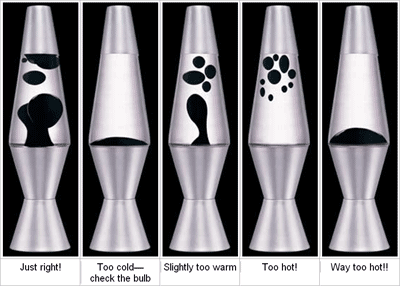
Many people don’t realize that the iconic lava lamp, a symbol of counterculture and a staple of 1960s décor, requires specific care to maintain its mesmerizing flow. An improperly cared-for lava lamp can lose its charm and end up with cloudy liquid, or worse, stuck wax that no longer dances. Moreover, proper care ensures that the lamp continues to add a touch of nostalgic ambiance to your space for years to come.
One of the essential steps in taking care of a lava lamp is to allow it ample time to warm up—around two to six hours depending on room temperature. Once it’s warmed up, never shake it as this can lead to the formation of stuck, cloudy wax, which can ruin the lamp’s effect. Furthermore, turning it off and allowing it to cool every 8-10 hours prevents overheating, extending the lifespan of both the bulb and the wax inside.
- Place the lava lamp on a stable, heat-resistant surface away from direct sunlight.
- Allow it to warm up for 2-6 hours before expecting full movement.
- Avoid shaking or moving the lamp while it’s on to prevent cloudiness.
- Turn off and unplug after 8-10 hours to prevent overheating.
- Dust the exterior regularly with a soft cloth and clean the glass with a mild cleaner when needed. Ensure it’s cooled down and unplugged first.

How to Take Care of a Lava Lamp
Taking care of a lava lamp starts with proper usage practices. Always place the lamp on a flat, stable surface to prevent it from toppling over. Allow the lamp to fully warm up for two to six hours for optimal flow. As tempting as it might be, avoid shaking it as this can cause the wax to break apart and become cloudy. Keep the lamp away from direct sunlight to prevent the colors from fading.
Regular cleaning is also crucial. Dust the lamp with a soft cloth to keep it looking pristine. For the glass, you can use a mild glass cleaner. Make sure the lamp is unplugged and cooled down before you start any cleaning process. This will ensure safety and protect the electrical components.
Monitor your lava lamp for overheating issues by ensuring it remains off for at least a few hours after each 8-10 hour usage. Overheating can lead to sluggish movement or even permanent damage to the wax. According to this post, excessive heat exposure is one of the main reasons lava lamps can go bad. Checking the bulb regularly can also help keep it in top condition.
Troubleshooting common issues involves a few simple steps. If the wax is not moving, it might be because it hasn’t warmed up enough or has overheated. Allow it to cool completely and try again. If you notice the liquid inside becoming cloudy, you might need to refresh the liquid. For more detailed advice on maintaining and troubleshooting check here is the article.
Step 1: Proper Usage of Lava Lamps
Proper usage of lava lamps ensures they remain in good working condition. Start by placing the lava lamp on a stable, heat-resistant surface. Don’t put it in a spot where it might get knocked over. Make sure the lamp is plugged into a safe electrical outlet. This helps in maintaining electrical safety while using the lamp.
Allow the lava lamp to warm up for at least two hours when you first plug it in. This gives the wax inside time to heat up and start moving. If the wax doesn’t flow smoothly, let it warm up for another couple of hours. Patience is key here to getting that classic lava lamp motion. Always use the recommended bulb wattage to avoid overheating.
Avoid shaking or moving the lamp while it’s on. Shaking can cause the wax to break apart, which ruins the visual effect. According to this post, sudden movements can make the wax clump together and stop flowing. If you need to move the lamp, turn it off and let it cool first. This protects both the lamp and your hands from potential burns.
To keep the lava lamp in top shape, turn it off after eight to ten hours of continuous use. Let it cool down before turning it back on again. This prevents the lamp from overheating, which can lead to sluggish wax movement or permanent damage. Following these steps ensures your lava lamp remains a stunning and functional piece of décor.
Step 2: Cleaning and Maintenance
Cleaning and maintaining your lava lamp ensures it looks good and works well. Start by dusting the exterior of the lamp with a soft, dry cloth. This prevents dust from accumulating and keeps the lamp shiny. Avoid using harsh chemicals or abrasives on the glass, as they can cause scratches. For stubborn spots, a mild glass cleaner can be used sparingly.
The base and cap of the lava lamp also need attention. Wipe them down with a damp cloth to remove dirt and grime. If they are particularly dirty, a small amount of mild detergent can be used. Make sure to dry them thoroughly to avoid any water damage. Regularly cleaning these parts keeps the lamp looking like new.
Be cautious when handling the lamp. Always make sure it is unplugged and completely cooled before you start any cleaning. This prevents any risk of electrical shock or accidental burns. Additionally, avoid submerging any parts of the lamp in water. A simple wipe-down is usually sufficient to keep it clean.
Regular maintenance also involves checking the bulb. Ensure the bulb is the correct wattage as specified by the manufacturer. Replace it if it burns out or dims. Proper bulb maintenance ensures optimal performance and prolongs the life of your lava lamp. By following these cleaning and maintenance steps, you can keep your lava lamp looking and working great for years to come.
Step 3: Understanding Overheating and Cooling Times
Understanding overheating and cooling times is vital for the longevity of your lava lamp. Lava lamps are designed to work for a limited time before needing a break. Typically, they should not be on for more than 8-10 hours at a stretch. After that, turn off the lamp to allow it to cool for several hours. This prevents the wax from overheating and slowing down its movement.
When a lava lamp overheats, the wax may stop moving as it should. Instead of flowing smoothly, it might form a single blob at the bottom or top of the lamp. Overheating can also make the wax look cloudy or murky. To avoid this, monitor the lamp’s usage and ensure it gets adequate cooling time. Having a schedule helps in maintaining proper usage.
Cooling times can vary based on room temperature and the specific design of your lamp. Generally, letting the lamp cool down for at least an hour is recommended, but it might need longer if the room is warm. Placing the lamp in a cooler part of the room can speed up the cooling process. Be patient and never try to cool it down quickly with a fan or by placing it in the fridge. Sudden temperature changes can damage the lamp.
Proper cooling cycles are essential for the lamp’s electrical components, too. The bulb and the base can overheat if not given enough rest. Over time, this can lead to electrical faults or even permanent damage. Ensuring regular cooling periods helps the lamp function properly and safely.
If you notice signs of overheating such as the wax not flowing correctly, cloudy liquid, or an excessively hot base, it’s time for a break. Turn off the lamp and let it rest until it returns to room temperature. Following these guidelines will ensure your lava lamp remains a mesmerizing centerpiece for years to come.
Step 4: Troubleshooting Common Issues
Even with proper care, lava lamps may face occasional issues. One common problem is the wax not flowing smoothly. If this happens, ensure the lamp has warmed up for the recommended time, usually two to six hours. Check if the room temperature is conducive—ideal conditions will help the wax flow better. If nothing works, try replacing the bulb with one of the correct wattage.
If the liquid inside the lamp becomes cloudy, it’s usually due to the lamp being shaken. To fix this, turn off the lamp and let it cool down completely. Once cooled, turn it back on and let it run for a few hours. The cloudiness should clear up with time. This method works best if the lamp hasn’t been disturbed frequently.
Sometimes, air bubbles can form in the wax, disrupting its motion. If this happens, let the lamp cool down and then gently tap the glass. This may help eliminate the bubbles. Avoid shaking or stirring the lamp as this can make the problem worse. Patience and gentle handling typically resolve this issue.
If the wax appears stuck at the bottom of the lamp, it might be due to infrequent use. Run the lamp for longer periods, up to eight hours, to see if the wax loosens up. If it doesn’t, let the lamp cool down and then gently turn it upside down to help dislodge the wax. Always ensure the lamp is completely cooled before trying this.
In cases where the lamp shows persistent issues despite troubleshooting, it might be time to consult the manufacturer’s guidelines. Sometimes, underlying problems can only be fixed with professional help. Regular maintenance and paying close attention to your lamp’s behavior will prevent many of these common issues. By following these troubleshooting steps, you can keep your lava lamp functioning smoothly.
Step 5: Ensuring Electrical Safety
Ensuring electrical safety for your lava lamp is crucial for preventing accidents. Always use the correct wattage bulb specified by the manufacturer. Using a higher wattage bulb can cause the lamp to overheat, which is a safety hazard. Avoid using extension cords, as they might not provide stable power. Plug the lamp directly into a wall outlet for the best results.
Inspect the electrical cord regularly for any signs of wear or damage. If you see frayed wires or exposed metal, stop using the lamp immediately and replace the cord. Damaged cords can lead to electrical shocks or fires. Also, make sure the plug fits snugly into the outlet; loose connections are unsafe.
Pay attention to the lamp’s base, as it can become hot during operation. Keep flammable materials like paper or cloth away from the lamp. Additionally, placing the lamp on a heat-resistant surface will help prevent any potential fire risks. Always turn off and unplug the lamp when it’s not in use, especially when you’re not at home.
Ensure the electrical components, like the bulb and wiring, are kept dry at all times. Never handle the lamp with wet hands, as this increases the risk of electrical shocks. If the lamp accidentally gets wet, unplug it immediately and let it dry completely before using it again.
For households with children or pets, place the lava lamp out of their reach. This prevents accidental knocking over, which could damage the lamp or spill hot wax. Incorporating these electrical safety measures will ensure that your lava lamp remains a safe and enjoyable feature in your home.
The Science Behind Lava Lamps
The mesmerizing movement inside a lava lamp is all about temperature and density. Inside the lamp, there’s a combination of two substances: colored wax and a clear liquid, often water-based. When the lamp is off, both substances have different densities with the wax being denser. As soon as you turn on the lamp, the heat from the bulb warms up the wax, causing it to expand and become less dense.
As the wax becomes less dense than the surrounding liquid, it rises towards the top of the lamp. Eventually, it cools down as it moves away from the heat source at the bottom. This cooling makes it denser again, causing it to sink back down. This cycle repeats continuously creating that soothing lava flow effect. The constant change in temperature and density keeps this dance going.
Another crucial factor in a lava lamp’s operation is convection currents. Convection occurs when warmer, less dense fluid rises while cooler, denser fluid sinks. In a lava lamp, this process allows for smooth movements of wax blobs as they glide through the liquid. Without convection currents, you wouldn’t get that iconic mesmerizing motion.
Chemistry also plays a role in why these two substances don’t mix together. The colored wax used in lava lamps is often made from various paraffin compounds mixed with dyes to give them vibrant colors. On the other hand, water-based solutions contain added ingredients like antifreeze to modify their properties slightly without mixing permanently with wax.
Temperature control within your environment impacts how effectively your lava lamp works too! If your room is unusually cold or hot—this can affect how quickly heat gets transferred between liquid layers resulting either sluggishness or over-activity respectively which might cause cloudiness or clumping issues that were discussed earlier in troubleshooting common problems section.
Tips for Enhancing the Lifespan of Your Lava Lamp
To enhance the lifespan of your lava lamp, begin with proper positioning. Place the lamp on a stable, heat-resistant surface, away from direct sunlight. Sunlight can cause the colors to fade and affect the lamp’s overall performance. Additionally, keep the lamp in a well-ventilated area but away from drafts. This helps regulate its temperature effectively.
Limiting continuous usage is another key factor. Avoid running the lamp for more than 8-10 hours at a time. Prolonged use can overheat the lamp and result in sluggish wax movement. Make sure to turn off the lamp and allow it to cool completely before turning it on again. This cooling period helps maintain the integrity of the wax and the liquid.
Regular maintenance checks can catch small issues before they turn into major problems. Periodically inspect the bulb and replace it if it appears dim or burnt out. Check the electrical cord for any signs of wear or damage. This proactive approach can save your lamp from potential electrical issues and extend its life.
Cleaning the exterior of your lava lamp not only keeps it looking good but also ensures it works well. Dust it regularly with a soft, dry cloth to keep it free from grime. For the glass, use a mild glass cleaner, but be careful not to let any liquid seep inside. A well-maintained lamp stays functional and beautiful.
The ambient temperature of the room plays a critical role in the lamp’s performance. Extremely hot or cold environments can affect how the wax moves. Ideally, keep the room temperature between 68-75°F for the best results. Following these tips ensures your lava lamp will be a captivating centerpiece for years to come.
Importance of Following Manufacturer’s Instructions
Following the manufacturer’s instructions is critical for the proper functioning of your lava lamp. These guidelines are designed specifically for your lamp’s model and type. Neglecting them can lead to performance issues such as poor wax movement or overheating. Always read the user manual carefully before setting up your lamp. This ensures you start off on the right foot.
One major aspect covered in the instructions is the recommended bulb wattage. Using a bulb that is too powerful can cause the lamp to overheat, posing a fire risk. Conversely, a bulb that is too weak won’t provide enough heat for the wax to move properly. Always stick to the wattage specified in the manual. This helps maintain optimal performance and safety.
Manufacturers also provide instructions on assembly and disassembly. Improper handling can result in leaks or damage to the internal components. Always follow the step-by-step directions for assembling the lamp and replacing parts. This will help you avoid common pitfalls that can shorten the life of your lamp.
Routine maintenance guidelines are also included. These often cover cleaning tips and how often to inspect the electrical cord and bulb. Following these directions can prevent many of the problems users face. Regular, proper maintenance ensures the longevity of your lamp.
Lastly, the manufacturer’s instructions often include troubleshooting tips. If something goes wrong, these tips can provide immediate solutions tailored to your specific model. Ignoring these tailored guidelines could mean missing out on easy fixes. By adhering to these instructions, you ensure your lava lamp operates smoothly for years.
Frequently Asked Questions
Lava lamps are iconic and mesmerizing, but they can come with a few questions. Here are some common concerns and answers to help you maintain and enjoy your lava lamp.
1. What should I do if my lava lamp wax is not moving?
If the wax in your lava lamp isn’t moving, it might need more time to warm up. Lava lamps usually take two to six hours to heat properly. Make sure the room temperature is between 68-75°F for optimal performance.
Also, check the bulb wattage to ensure it matches the manufacturer’s recommendation. If the wax still doesn’t move, let the lamp cool completely before trying again for another cycle.
2. Can I leave my lava lamp on overnight?
No, it’s not recommended to leave a lava lamp on overnight. Most manufacturers suggest running the lamp for no more than 8-10 hours at a time. This helps prevent overheating and ensures the longevity of both the bulb and wax.
After reaching this limit, turn off your lava lamp and let it cool down for several hours before turning it back on. Extending usage beyond prescribed limits can lead to sluggish wax movement or even permanent damage.
3. How often should I clean my lava lamp?
Cleaning frequency depends on how dusty your environment is, but a general rule is to dust your lava lamp weekly with a soft cloth. For deeper cleaning of grime on the glass part of the lamp, use a mild glass cleaner sparingly as needed.
Always ensure that your lava lamp is unplugged and completely cooled down before starting any cleaning process. Proper cleaning maintains appearance and functionality without risking electric shock or burns.
4. Why does my lava lamp liquid look cloudy?
The liquid in your lava lamp might become cloudy due to shaking or rough handling while it’s warmed up. To clear cloudiness, turn off the lamp and let it cool completely before turning it on again for another cycle.
If this does not work, you may need to replace the liquid according to specific instructions from your manufacturer or consult expert advice online for further assistance.
5. Is it normal for air bubbles to form in my lava lamp’s wax?
Yes, air bubbles in the wax can occasionally form especially if moved while heated or during longer operation periods causing slight disruption in motion patterns; however typically harmless overall effects though less visually appealing compared usual smooth flows expectedly intended usage ideally corrected improperly cooling down cycles begin anew absent disturbances forthwith regularity thereafter returns normalcy over time with continued carefulness adhered strictly prevent recurrence similar incidences subsequently onwards thus enabling enjoyable continual appreciation wonderful spectacle unfolding therein perpetuity maintained glorious magnificence perennial presence décoratively enchanting forevermore delighting visibly entertaining majestically captivating endlessly mesmerizing behooving admirably attentively always appreciated marvelously uniquely awe-inspiring aspect blissfully embraced unreservedly joyously continually revered highly idyllically hereinunto unquantified immeasurably cherished boundlessly!
Final Thoughts
Caring for a lava lamp involves more than just turning it on and off. Proper placement, cleaning, and understanding how it works all contribute to its longevity and performance. By following manufacturer’s guidelines and being attentive to usage habits, you ensure your lamp remains a captivating centerpiece.
With a little care, your lava lamp can provide years of mesmerizing beauty and tranquility. Keep these tips in mind, and enjoy the relaxing glow and fluid movement that only a well-maintained lava lamp can offer. Your attention to detail makes all the difference.

I’m Emily Johnson, an affiliate marketer and blogger focused on lamps and lighting. I share honest reviews, simple buying guides, and practical tips. My goal is to help readers choose the right lamp for their space, style, and budget with confidence.