
In today’s dynamic interiors, the humble table lamp has evolved beyond its conventional guise, becoming an essential element of both functionality and style. Have you ever considered how pivotal a well-chosen table lamp can be in enhancing a space’s ambiance and productivity? It’s fascinating to think about how something so seemingly simple can influence mood and utility significantly.
When selecting a table lamp, experts understand the critical balance of design and illumination. Historically, table lamps have transitioned from mere utilitarian objects to aesthetic pieces, reflecting evolving tastes and technological advancements. In fact, a study found that lighting can impact productivity by up to 25%, underscoring the importance of choosing the right lamp.
- Identify the purpose of the lamp (task, ambient, decorative).
- Consider the size and location for proper fit and lighting.
- Match the lamp’s style with your room decor.
- Choose an appropriate light bulb type (LED, incandescent, halogen).
- Examine functionality features like controls and adjustability.
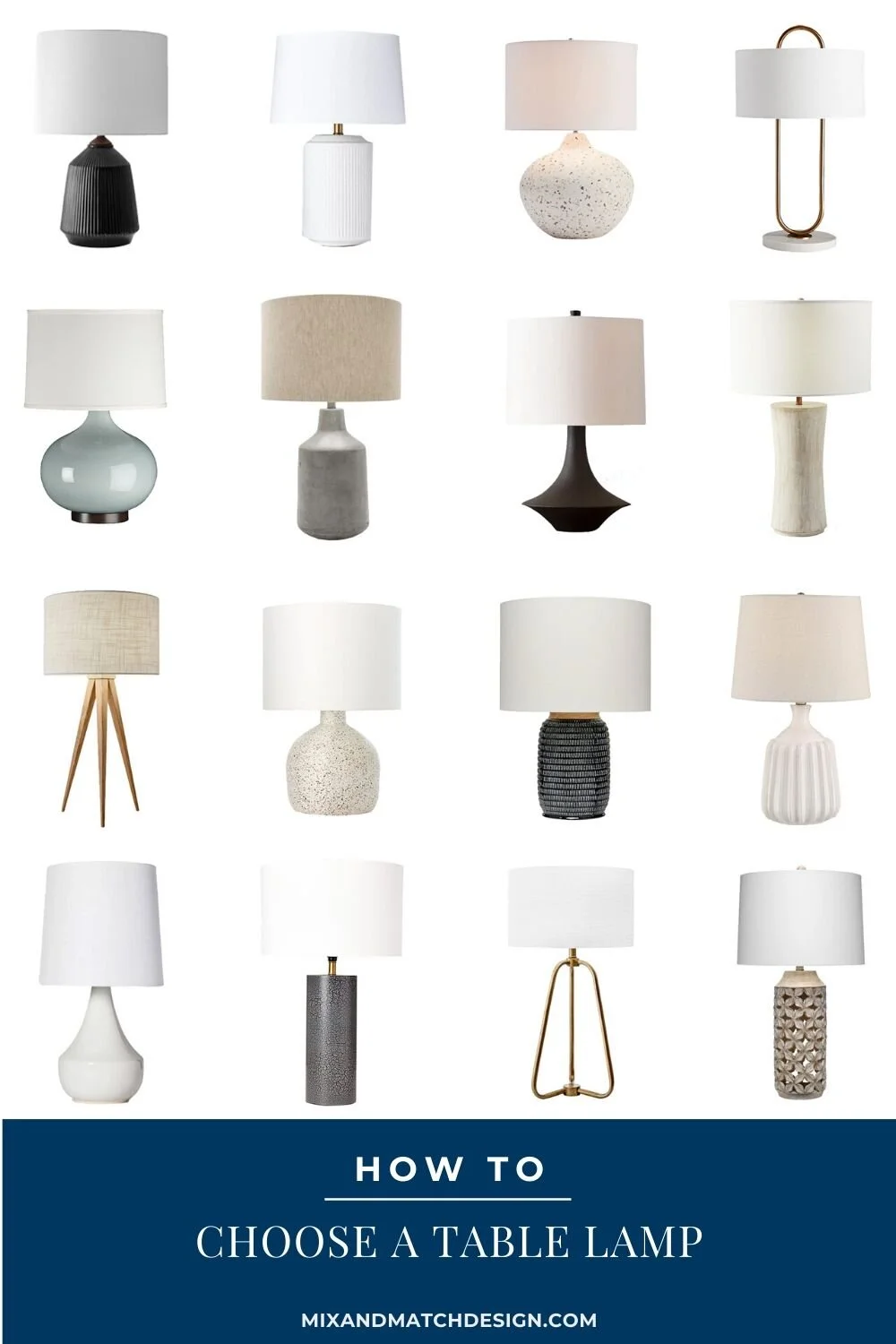
How to Choose a Table Lamp
Choosing the right table lamp starts with identifying its purpose. Are you looking for a lamp for reading, mood lighting, or decoration? Understanding the lamp’s function will help narrow down your choices. Functional lamps need brighter light, while decorative lamps can be softer. This initial decision sets the stage for further selection criteria.
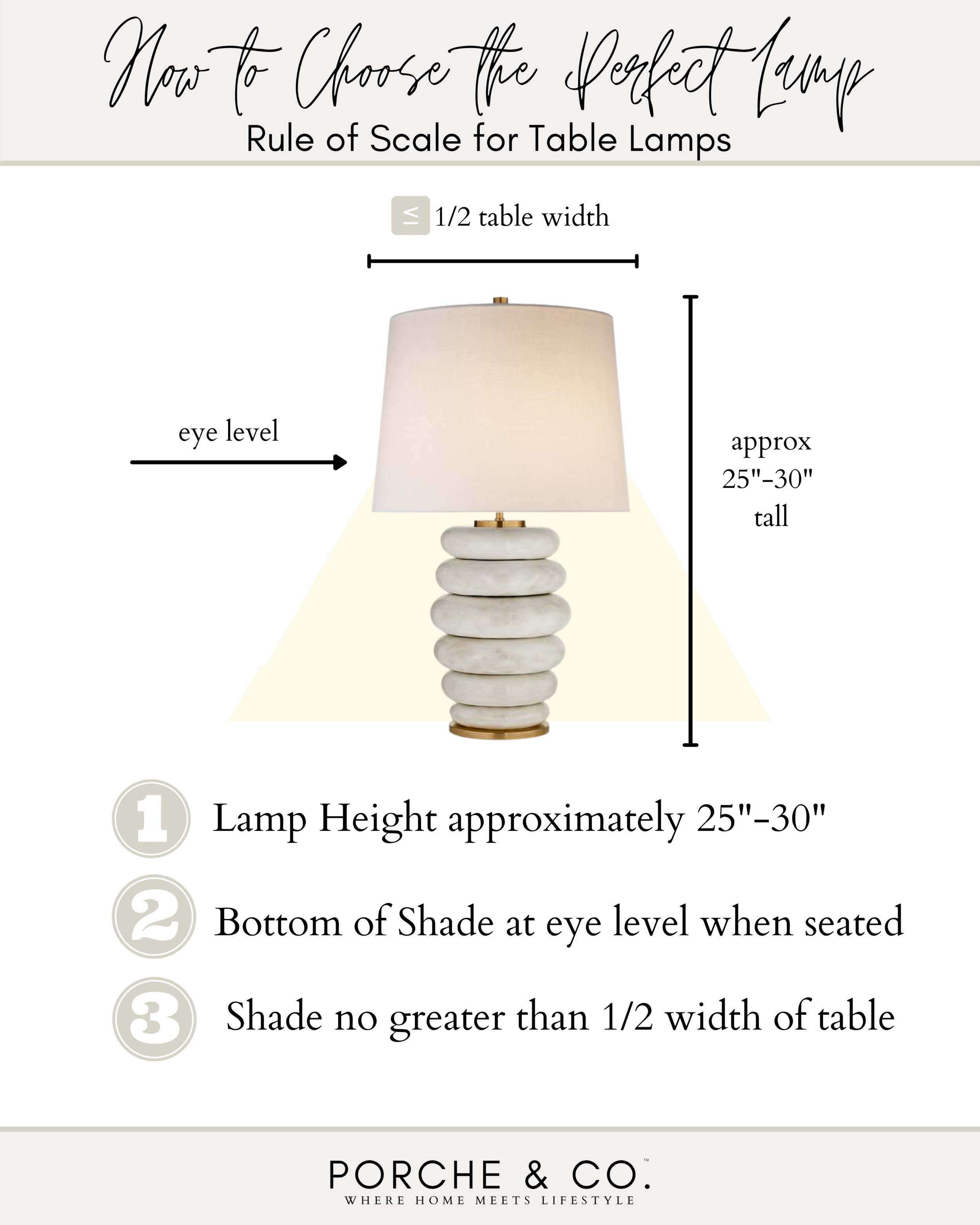
Size and location are also crucial when picking a table lamp. Measure the space where you plan to place the lamp to ensure it fits well. Too large a lamp can overwhelm the area, while a too-small one might not provide enough light. Consider the height of the lamp too. The bottom of the shade should be around eye level when you’re seated.
Matching the style of the lamp with your decor is another important factor. Consider your room’s color scheme and furnishings. A modern lamp might look out of place in a rustic room and vice versa. Coordinating your lamp with the rest of the room can enhance its visual appeal. Think about the lamp’s material, color, and design.
The type of light bulb you choose can greatly affect the lamp’s functionality. LEDs are energy-efficient and long-lasting but may be more expensive initially. Incandescent bulbs offer warm light but are less energy-efficient. Halogens provide bright, crisp light but tend to be hot to the touch. Pick the bulb that suits your needs and settings best.
Step 1: Identify the purpose of the lamp
Deciding why you need a table lamp is the first step. Are you searching for task lighting for activities like reading or working? Maybe you need ambient lighting to set a mood in the room. Your purpose will influence many other factors including the lamp’s brightness, size, and design. Knowing the primary function will help streamline your choices.
Task lighting, for instance, requires brighter light. This might mean looking for lamps with higher lumens or adjustable brightness. A bedside reading lamp should offer enough light to read comfortably without eye strain. On the other hand, accent or ambient lighting can be softer. Lamps for this purpose often come with dimmable features.
The room where the lamp will be used also plays a role. Different spaces can serve distinct functions and hold unique needs. A study room lamp might need to be practical and highly functional. Meanwhile, a lamp for a living room or bedroom might prioritize aesthetics and atmosphere. Think about the space’s purpose and audience.
Consider also if you need a lamp for decorative purposes. These lamps might not need to be as bright as task lamps. Instead, their focus could be on enhancing the room’s appearance. Think about lamps with unique designs, colors, or patterns. Such lamps can act as statement pieces in your decor.
Step 2: Consider the size and location
Choosing the right size for your table lamp is important. Measure the table or surface where you plan to place it. Ensure the lamp isn’t too big or too small for the space. The lamp should provide proper lighting without overwhelming the area. Finding the right balance is key to effective lighting and aesthetic appeal.
Location matters as much as size. A lamp placed on a bedside table should be easy to reach and offer sufficient light for reading. On a desk, the lamp should illuminate your work area without causing glare on your screen. For a living room, consider lamps that can enhance the overall ambiance. Place them in spots where they can provide the right amount of light for the activities commonly performed in that room.
It’s also helpful to think about the lamp’s height. The bottom of the lamp shade should be roughly at eye level when you are seated beside it. This helps prevent harsh light from shining directly into your eyes. Different locations may require different lamp heights for optimal comfort. For instance, a taller lamp might work better for a sofa side table.
Lastly, consider the layout of the room. Is there enough space for the lamp? Will it interfere with other objects or pathways? Here’s a quick list to help:
- Measure table or surface dimensions.
- Check lamp height in relation to seating.
- Ensure adequate lighting for the room’s activities.
- Consider space around the lamp to avoid clutter.
Step 3: Match the style with your decor
Choosing a lamp that complements your decor can significantly enhance your room’s overall look. Think about the existing style of your room. Is it modern, rustic, or classic? A sleek, metallic lamp may suit a contemporary setting, while a wooden, handcrafted lamp may be better for a rustic room. Matching your lamp’s style to your decor creates a cohesive and appealing aesthetic.
Color is another key element to consider. If your room has a neutral color scheme, a bold, colorful lamp can act as a vibrant focal point. Conversely, if your room is already colorful, a neutral lamp can balance the look. Ensure that the lamp doesn’t clash with other decor elements. A harmonious color palette can make the room feel more inviting.
The material of the lamp also plays a significant role. Metallic lamps offer a modern, edgy feel. Wooden lamps bring warmth and a natural touch. Glass lamps can add elegance and sophistication. Consider the materials already present in your room to select a compatible lamp material.
Design details like lamp shades and bases can further tie the lamp to your decor. The shape and size of the lamp shade can affect the overall style. A pleated shade might look more traditional, while a drum shade can appear more modern. The base can also be decorative, adding to the room’s visual interest.
Don’t forget about unique or artistic lamp designs. These lamps can serve as statement pieces, drawing attention and admiration. Artistic lamps often feature intricate designs, interesting shapes, and unusual materials. Such lamps can elevate the decor of any room. Here are some common styles to consider:
- Modern
- Rustic
- Classic
- Industrial
- Traditional
Experimenting with different styles can be fun. Don’t hesitate to mix and match until you find the perfect fit for your space. A well-chosen lamp can beautifully complete your room’s look.
Step 4: Choose the right light bulb
Selecting the perfect light bulb for your table lamp is essential for achieving the right ambiance and functionality. The type of bulb you choose affects not only the brightness but also the energy consumption and the mood of the room. Here are some common types to consider:
- LED
- Incandescent
- Halogen
- CFL (Compact Fluorescent Lamp)
Each type has its benefits and drawbacks, so choose wisely based on your needs.
LED bulbs are energy-efficient and have a long lifespan. They are a bit more expensive upfront but save money in the long run due to their lower energy use. LEDs are available in a range of color temperatures, from warm to cool light. This makes them very versatile for different settings. LED bulbs are also environmentally friendly because they use less electricity.
Incandescent bulbs provide a warm, cozy light but are less energy-efficient. They tend to have shorter lifespans compared to LED bulbs. However, they are often the cheapest option initially. Incandescent bulbs are ideal for spaces where warmth and ambiance are more important than energy conservation. They are commonly used in classic or traditional table lamps.
Halogen bulbs offer bright, crisp light and are more energy-efficient than incandescent bulbs. They tend to get very hot, so they’re best for areas where the lamp won’t be touched frequently. Halogen bulbs also have a longer lifespan than incandescent bulbs. If you need a bright light for tasks like reading or working, halogen bulbs are a good choice. Keep in mind their heat output when selecting your lamp location.
CFL bulbs are another energy-efficient option. They produce less heat than incandescent and halogen bulbs. CFLs can take a few moments to reach full brightness. They are available in various color temperatures to match different needs. CFL bulbs are a good middle-ground option between incandescent and LED bulbs.
Step 5: Examine the lamp’s functionality
When choosing a table lamp, look beyond its appearance and think about its functionality. Will it meet your specific needs for tasks like reading, working, or providing ambient light? Some lamps come with adjustable brightness, which can be helpful for varying activities. Consider whether you need the flexibility of a dimmable lamp. A lamp should not only look good but also serve its intended purpose effectively.
The controls on the lamp are another aspect to consider. Check whether the lamp has a switch on the cord, a touch-sensitive base, or a pull chain. Each type of control has its own merits and convenience. For example, touch-sensitive lamps are easy to use even in the dark. Make sure the controls are easy to access and operate, based on your needs.
Portability can also be an important factor. If you plan to move the lamp between rooms or different spots in the same room, opt for a lightweight model. Some lamps even come with built-in handles for easy transport. While heavier lamps might be more stable, they can be cumbersome to move around. Keep your mobility needs in mind when examining a lamp’s functionality.
Additional features can enhance a lamp’s usability. Some lamps have built-in USB ports for charging devices, which can be particularly useful on bedside tables or desks. Others come with flexible necks that allow you to direct light to specific areas. Think about any extra functionalities that would benefit you. Modern lamps often incorporate these thoughtful features to add convenience.
To help you decide, consider making a checklist of functionality features. This can include:
- Brightness levels
- Types of controls
- Portability
- Extra features like USB ports or flexible necks
Keeping these elements in mind will guide you in choosing a lamp that is both beautiful and functional.
Importance of Lighting in Interior Design
Lighting plays a critical role in interior design, impacting both functionality and aesthetics. Good lighting can transform a space, making it feel more welcoming and comfortable. It highlights architectural features, artwork, and other focal points in a room. Poor lighting, on the other hand, can make even a beautifully designed room look dull and uninviting. The right lighting sets the mood and atmosphere of any space.
Different types of lighting serve various purposes in interior design. Ambient lighting provides general illumination for everyday activities. Task lighting is focused on specific areas to help with tasks like reading or cooking. Accent lighting highlights particular features or decorations within a room. Using these three types of lighting together can create a balanced and effective light scheme.
Natural light is another important aspect to consider. Sunlight not only provides illumination but also affects our mood and energy levels positively. Large windows or skylights can bring in natural light during the day, reducing the need for artificial lighting. Designing your space to maximize natural light can make rooms feel larger and more airy.
The color temperature of your lights also matters in interior design. Warm light (typically provided by incandescent bulbs) creates a cozy atmosphere ideal for living rooms and bedrooms. Cool light (often from LEDs) is better suited for workspaces as it enhances concentration and visibility. Balancing these different temperatures can enhance the functionality and comfort of each room.
Here’s how different types of lighting are typically used:
- Ambient Lighting: Ceiling lights, chandeliers
- Task Lighting: Desk lamps, under-cabinet lights
- Accent Lighting: Spotlights, wall sconces
Using these effectively will help you achieve a well-lit home that meets all your needs.
The Impact of Light on Mood and Productivity
Light significantly affects our mood and productivity levels. Bright, cool lighting can make people feel more alert and focused, which is ideal for workspaces. On the other hand, warm lighting creates a cozy and relaxed atmosphere, perfect for winding down in the evening. Different lighting settings can help regulate our internal clock and influence our daily routines. Choosing the right table lamp can thus play a crucial role in enhancing your overall well-being.
Studies have shown that exposure to natural light boosts mood and productivity. Daylight helps increase serotonin levels, making us feel happier and more energetic. If you can’t get enough natural light, table lamps with full-spectrum bulbs that mimic daylight can be a good alternative. These types of lamps are especially beneficial in reducing fatigue and improving focus. Placing such lamps in your workspace can make a noticeable difference.
Another factor to consider is the color temperature of your lighting. Cool light, which has a bluish tone, is found to improve concentration and performance. This is why many offices use cool lighting. Warm light, with its yellowish hue, is more relaxing and can help reduce stress. Balancing these types of light throughout your home can enhance both work and leisure environments.
Reduce glare and shadows to create a more comfortable setting. Proper placement of table lamps can prevent eye strain and headaches. Look for lamps with adjustable brightness and direction to customize your lighting according to your activities. Avoiding direct eye contact with bright lights can also be helpful. This attention to detail can make your space more pleasant and productive.
Specific lighting setups can also create distinct emotional responses. For example, dimmable table lamps allow you to control the lighting intensity according to your mood. These lamps can create a soothing environment for relaxation or a brighter setting for more active times. Here are some benefits of different lighting types:
- Bright, Cool Light: Boosts alertness and productivity
- Warm Light: Reduces stress and offers a cozy ambiance
- Natural Light: Enhances mood and energy levels
- Dimmable Settings: Adaptable to various moods and activities
Incorporating these various lighting types in your home can greatly impact your mood and productivity.
The Evolution of Table Lamps: From Utility to Aesthetics
Table lamps have come a long way from being purely functional items. Originally, they were designed mainly to provide light for activities such as reading and working. These early lamps were often basic in design, focusing more on utility rather than appearance. However, over time, designers began to incorporate aesthetic elements. Today, table lamps are not just about light; they are key components in interior decor.
The shift in design began in the early 20th century. Art movements like Art Deco and Modernism influenced lamp designs, making them more stylish. These designs combined utility with artistic elements, making lamps both practical and beautiful. This era saw the introduction of materials such as glass, metals, and ceramics in lamp construction. These changes added a decorative element to the lamps, making them statement pieces in homes.
In the 1960s and 1970s, table lamps saw another significant transformation. The bold, vibrant designs of these decades reflected the cultural shifts of the times. Designers experimented with shapes, colors, and materials, creating lamps that doubled as works of art. Lava lamps, for example, became iconic symbols of this era. These creative designs made lamps not just sources of light but also conversation starters and focal points in a room.
Modern table lamps now come with a myriad of features. Smart lamps with built-in technology, such as touch controls and USB ports, offer added convenience. Eco-friendly designs are also gaining popularity, focusing on sustainability and energy efficiency. Contemporary lamps can easily blend into various interior styles, from minimalist to extravagant. Here are some prominent styles:
- Modern
- Vintage
- Industrial
- Eco-Friendly
- Smart Lamps
Choosing a table lamp today involves considering both its functionality and its role in your home’s decor.
With advances in technology and design, the humble table lamp has truly evolved. It now serves multiple purposes, from illuminating a space to enhancing its aesthetic appeal. Whether you prefer classic designs or cutting-edge styles, there’s a table lamp for every taste. These versatile pieces show how lighting can be both practical and beautiful.
Frequently Asked Questions
Looking for the perfect table lamp can be a challenge. Here, we answer some common questions that might help you make the best choice.
1. What type of light bulb is best for reading lamps?
For reading lamps, LED bulbs are generally the best option. They provide bright, focused light and are energy-efficient. LED bulbs also last longer than traditional incandescent bulbs, meaning less frequent replacements. You can choose a color temperature around 4000K for a balance between warm and cool light.
If you’re reading at night, consider bulbs with adjustable brightness to avoid eye strain. Additionally, full-spectrum LED bulbs simulate natural daylight, which can reduce fatigue during long reading sessions. These features contribute to better reading comfort and overall eye health.
2. How do I match my table lamp with my room’s decor?
Selecting a lamp that complements your room’s decor involves considering style, color, and material. For a modern room, opt for sleek designs with metallic finishes or minimalist structures. In contrast, rustic rooms may benefit from wooden or handcrafted lamps that add warmth and character.
A color scheme should also be taken into account; neutral lamps can balance vibrant spaces while colorful lamps can act as focal points in neutral settings. Matching materials with existing furniture—like metal bases in industrial-themed rooms—can create a cohesive look, enhancing overall aesthetic appeal.
3. Can LED table lamps save on electricity bills?
Yes, LED table lamps are highly energy-efficient compared to other types of lighting like incandescent or halogen bulbs. LEDs use up to 80% less energy while providing the same level of brightness. Over time, this energy efficiency translates into noticeable savings on electricity bills.
Additionally, LEDs have a much longer lifespan than traditional bulbs—often lasting many years before needing replacement. This durability means fewer purchases in the long run and lower maintenance costs. Overall, switching to LED lamps is both eco-friendly and budget-conscious.
4. Are there smart features available in modern table lamps?
Modern table lamps often come with various smart features designed to enhance convenience and functionality. Some include built-in USB ports for charging devices like phones or tablets directly through the lamp base. Others offer touch-sensitive controls allowing easy adjustment of brightness without traditional switches.
The most advanced options might even integrate with smart home systems like Alexa or Google Assistant for voice control capabilities. These features make modern table lamps versatile additions to contemporary homes by combining lighting needs with everyday conveniences seamlessly.
5. How important is it to have dimmable settings on a table lamp?
Dimmable settings significantly enhance the versatility of a table lamp by allowing you to adjust its brightness according to different needs or activities throughout the day. For instance, higher brightness might be needed during work hours whereas softer light could be preferred during relaxation times in the evening.
This flexibility provides not only functional benefits but also contributes positively towards creating desired ambiance levels within spaces effectively managing mood transitions naturally without needing separate lighting fixtures designated solely towards specific purposes constantly changing environments dynamically tailored uniquely personal preferences comfortably accommodating variably shifting demands effortlessly adjusting circumstances conveniently adaptable efficiently matching evolving requirements consistently smoothly operating seamlessly contributing enhanced experiences harmoniously synchronized perfectly balanced environments optimized excellence!</p
Conclusion
Choosing the right table lamp involves a blend of functionality and style. By considering its purpose, size, style, bulb type, and features, you can find the perfect lamp to enhance your living space. A well-chosen lamp not only illuminates a room but also adds to its aesthetic appeal, creating a cohesive and welcoming environment.
Lighting plays a crucial role in both mood and productivity. The right table lamp can transform a space, making it more comfortable and efficient. Taking the time to select a lamp that fits your needs and decor will pay off in creating an inviting and functional atmosphere in your home.

I’m Emily Johnson, an affiliate marketer and blogger focused on lamps and lighting. I share honest reviews, simple buying guides, and practical tips. My goal is to help readers choose the right lamp for their space, style, and budget with confidence.