
Yes, you can turn a regular lamp into a touch lamp by making modifications to the wiring. First, unplug the lamp and remove the finial to release the lamp shade.
Then, cut the wires on each side of the switch and solder them back together. Once this is done, the lamp will be able to be turned on and off by simply touching any metal part of the lamp. Have you ever wished you could turn your regular lamp into a touch lamp?
Well, the good news is that it is indeed possible! By making a few simple modifications to the wiring, you can transform your regular lamp into a touch lamp, allowing you to turn it on and off with just a simple touch. We will explore the steps involved in converting a regular lamp into a touch lamp and address some common questions and concerns regarding touch lamps. So, if you’re ready to add a touch of convenience to your lighting setup, keep reading to learn how to make your lamp touch-sensitive.
Credit: www.aarp.org
Touch Lamp Mechanics Demystified
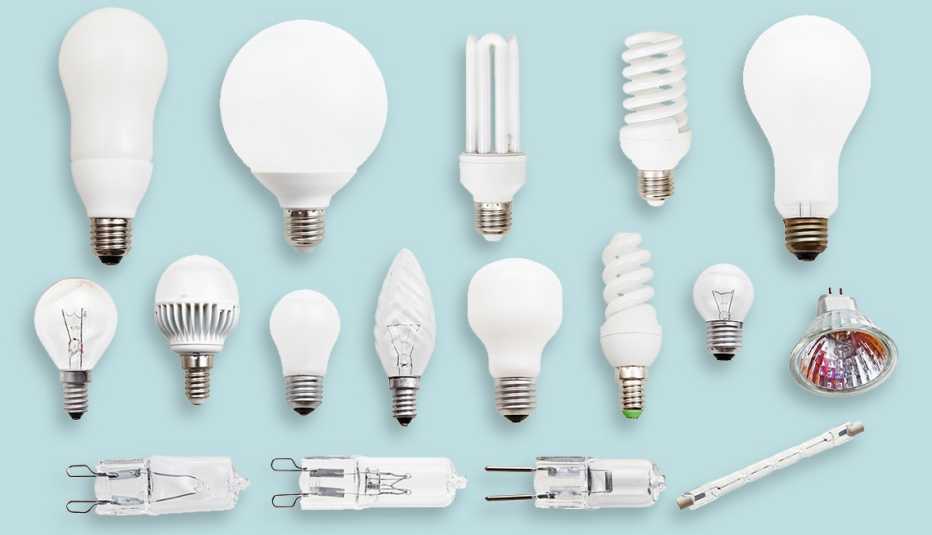
Curious about turning your regular lamp into a touch lamp? Learn how to modify the wiring and make the necessary adjustments to transform your lamp into a touch-controlled one. No need for a special bulb, any standard bulb will work for your new touch lamp.
Understanding The Basic Operation Of Touch Lamps
Touch lamps have gained popularity for their convenience and ease of use. But have you ever wondered how they actually work? Understanding the basic operation of touch lamps can help demystify their mechanics.
A touch lamp is designed with a touch-sensitive circuit that senses the electrical charge in a person’s body when they make contact with the lamp. This circuit is connected to the lamp’s power source and controls the on and off function of the lamp.
When you touch the metal or any other conductive surface of a touch lamp, your body capacitance is detected by the touch-sensitive circuit. This circuit then activates the lamp, allowing it to turn on or off with a simple touch.
The Concept Of Touch Sensitivity In Lights
The concept of touch sensitivity in lights revolves around the use of capacitive touch sensors. These sensors can detect and measure the electrical charge present in the human body when it comes into contact with a conductive surface, such as a touch lamp.
Capacitive touch sensors work by forming an electrical field between the sensor and the person touching it. The capacitance of this field changes when a person’s body comes into contact with the conductive surface, triggering the sensor to send a signal to the lamp’s circuit.
This signal is then processed by the circuit, which determines whether to turn the lamp on or off based on the touch input. The touch sensitivity of a lamp can be adjusted to detect different levels of capacitance, allowing for variations in touch pressure or even the use of gloves.
Differences Between Regular And Touch Lamps
Regular lamps and touch lamps may seem similar, but the difference lies in their control mechanisms. While regular lamps typically require physical switches or knobs to turn on or off, touch lamps offer a more intuitive and seamless experience.
Regular lamps rely on mechanical switches or buttons to control the flow of electricity to the light bulb. These switches need to be physically pressed or toggled to turn the lamp on or off. In contrast, touch lamps utilize capacitive touch sensors to detect the presence of a person’s touch and trigger the lamp’s circuit accordingly.
This fundamental difference in control mechanisms gives touch lamps an advantage in terms of convenience and ease of use. With a simple touch, you can effortlessly turn the lamp on or off, eliminating the need for searching for switches in the dark or fumbling with knobs.
Moreover, touch lamps often come with additional features such as dimming capabilities, allowing you to adjust the brightness levels with a touch of a finger. This versatility adds an element of customization to your lighting experience.
Step-by-step Touch Lamp Conversion
Learn how to convert a regular lamp into a touch lamp with these step-by-step instructions. No need for special bulbs, just a few modifications to the wiring and you’ll have a lamp that can be controlled by a light switch.
Converting a regular lamp into a touch lamp is easier than you might think. With the right tools and a little bit of know-how, you can transform your old lamp into a convenient touch-activated light source. In this step-by-step guide, we’ll walk you through the process of turning your lamp into a touch lamp, ensuring each step is clear and concise.
Tools And Materials Needed For The Process
Before you begin the touch lamp conversion, gather the following tools and materials:
- Screwdriver set
- Wire stripper
- Soldering iron
- Electrical tape
- Touch lamp conversion kit
Safety Precautions Before Starting The Modification
It’s important to take safety precautions before starting any electrical modification. Follow these steps to ensure your safety:
- Always unplug the lamp before starting any work.
- Wear gloves to protect your hands from any potential injuries.
- Make sure the work area is well-lit and free from any obstructions.
- Follow the manufacturer’s instructions for any tools or materials used.
- If you’re unsure about any step, consult a professional electrician.
Detailed Guide To Dismantling The Regular Lamp
To convert your regular lamp into a touch lamp, you’ll need to dismantle it first. Follow these steps to dismantle the lamp:
- Ensure that the lamp is turned off and unplugged.
- Remove the lampshade by unscrewing the finial to release it from the harp.
- Locate the base of the lamp where the electrical components are housed.
- Use a screwdriver to remove any screws holding the base in place.
- Gently lift off the base to expose the wiring.
- Take a moment to familiarize yourself with the wiring connections and layout.
- Identify the wires that connect to the switch.
- Use a wire stripper to remove a small section of insulation from each wire.
- Disconnect the wires from the switch by loosening the screws or undoing any connectors.
- Set aside the switch and any other unnecessary components.
Now that you’ve successfully dismantled the regular lamp, you’re ready to proceed with the touch lamp conversion. Stay tuned for the next step in this step-by-step guide.
Integrating Touch Lamp Sensors
Yes, you can easily turn a regular lamp into a touch lamp by making some modifications to the wiring. This allows you to control the lamp by simply touching it, without the need for a mechanical switch. It’s a convenient and stylish way to upgrade your lighting.
Type Of Sensors For Lamp Conversion
When it comes to turning a regular lamp into a touch lamp, there are several types of sensors that can be used for the conversion. These sensors detect the electrical capacitance of the human body and allow the lamp to be turned on or off with a simple touch. The two most common types of sensors used for lamp conversion are:
1. Resistive Touch Sensor:
This type of sensor works by measuring the change in resistance when pressure is applied. It usually consists of a flexible layer that compresses under touch and changes the resistance of the circuit, signaling the lamp to turn on or off.
2. Capacitive Touch Sensor:
Capacitive touch sensors work by measuring the change in capacitance when a conductive object, such as a human finger, comes into contact with the sensor. They are more commonly used for touch lamps as they do not require physical pressure to activate the switch.
Step-by-step Sensor Installation Procedure
Now let’s take a look at the step-by-step procedure for installing a touch sensor into your regular lamp:
- Gather the necessary tools and materials: You will need a touch sensor kit, a screwdriver, wire strippers, electrical tape, and a pair of pliers.
- Turn off the power: Before starting any electrical work, it is important to turn off the power supply to the lamp. Unplug it from the wall or switch off the circuit breaker that powers it.
- Disassemble the lamp: Remove the lampshade, bulb, and any other components that may obstruct access to the lamp’s wiring.
- Identify the wiring: Take a closer look at the lamp’s wiring and identify the different wires. There will typically be a hot wire (usually black), a neutral wire (usually white), and a ground wire (usually green or bare copper).
- Connect the touch sensor: Follow the manufacturer’s instructions to connect the touch sensor to the lamp’s wiring. Typically, this involves connecting the hot wire to the input terminal of the touch sensor and connecting the load wire (which runs to the bulb socket) to the output terminal.
- Insulate the connections: Once the connections are made, use electrical tape to insulate them and prevent any accidental shorts.
- Reassemble the lamp: Put the lamp back together, including the lampshade and bulb.
- Test the touch functionality: Turn on the power supply and test the touch functionality of the lamp. Gently touch the sensor or any metal part of the lamp to see if it turns on or off.
Troubleshooting Common Sensor Installation Issues
During the installation process, you may encounter some common issues. Here are a few troubleshooting tips to help you resolve them:
- No response to touch: Double-check the wiring connections and ensure they are secure. If the connections are correct, try adjusting the sensitivity settings on the touch sensor.
- Lamp remains on/off constantly: This could indicate a wiring issue. Check the connections again to ensure they are correct and properly insulated. If needed, consult a professional electrician for assistance.
- Lamp flickers or behaves erratically: This might be caused by a loose wire or faulty sensor. Inspect the connections and sensor for any signs of damage or loose connections. Consider replacing the sensor if necessary.
- Sensor not compatible with lamp: Some touch sensors may not be compatible with certain lamps. Make sure to check the manufacturer’s specifications and compatibility before purchasing a touch sensor kit. In conclusion, integrating touch lamp sensors into a regular lamp is a simple DIY project that can enhance the functionality and convenience of your lighting fixtures.
By following the step-by-step installation procedure and troubleshooting any potential issues, you can easily transform your regular lamp into a touch lamp that responds to a gentle touch. Enjoy the ease and convenience of controlling your lamp with just a simple touch.
Can You Turn A Regular Lamp Into A Touch Lamp: Wiring Basics
If you have a regular lamp that you want to turn into a touch lamp, you might be wondering about the wiring alterations needed. In this section, we will explore the wiring basics required to convert a regular lamp into a touch lamp. Understanding the wiring alterations, re-wiring for touch functionality, and testing for successful touch wire integration are key steps in this process.
Understanding The Wiring Alterations Needed
Before diving into the re-wiring process, it’s important to have a clear understanding of the necessary wiring alterations. A regular lamp typically consists of a power cord, switch, and socket. To convert it into a touch lamp, you will need to add a touch sensor module to the circuit.
The touch sensor module acts as a switch, allowing you to control the lamp by simply touching it. This module needs to be wired into the existing circuit, replacing the conventional switch. It’s essential to follow the appropriate wiring procedures to ensure proper functionality and safety.
Walkthrough Of Re-wiring For Touch Functionality
Now that you understand the wiring alterations needed, let’s walk through the process of re-wiring your lamp for touch functionality. Keep in mind that specific instructions may vary depending on the type of touch sensor module you’re using, so always refer to the manufacturer’s guidelines.
- Start by unplugging the lamp and removing the lampshade and finial to access the interior.
- Locate the existing switch in the circuit, which is typically connected to one of the lamp socket terminals.
- Disconnect the wires from the existing switch by carefully cutting them or unscrewing the terminal connections.
- Connect the touch sensor module by following the manufacturer’s instructions. This usually involves connecting the module between the power source and the socket.
- Once the touch sensor module is connected, secure it in place using electrical tape or wire connectors.
- Double-check all connections and make sure they are secure, ensuring there are no exposed wires.
- Reassemble the lamp by attaching the lampshade and finial.
Testing For Successful Touch Wire Integration
After re-wiring your lamp for touch functionality, it’s important to test that the touch wire integration is successful. Here are some steps to follow:
- Ensure the lamp is plugged into a power source.
- Touch the lamp anywhere that is designated as the touch-sensitive area. This could be the base or another designated spot.
- If the touch sensor module is working correctly, the lamp should turn on or off in response to your touch.
If the touch functionality is not working as expected, double-check all the wiring connections and consult the manufacturer’s instructions for troubleshooting tips.
By following these wiring basics, you can successfully transform a regular lamp into a touch lamp. Remember, always prioritize safety throughout the process and refer to the manufacturer’s guidelines for specific instructions.
Enhancing Your Touch Lamp Experience
When it comes to creating a cozy and convenient atmosphere in your home, touch lamps offer a simple solution. These innovative lighting fixtures allow you to turn them on or off with just a touch, eliminating the need for traditional switches. But did you know that you can also enhance your touch lamp experience even further? In this article, we’ll explore some tips for selecting the right bulbs for touch lamps, additional features to consider, and maintenance and care for your newly converted touch lamp.
Tips For Selecting The Right Bulbs For Touch Lamps
When it comes to selecting bulbs for your touch lamp, it’s important to choose the right ones to maximize your lighting experience. Here are a few tips to keep in mind:
- Opt for LED bulbs: LED bulbs are not only energy-efficient, but they also produce less heat compared to traditional incandescent bulbs. This makes them a great choice for touch lamps, as excessive heat can affect the sensitivity of the touch sensor.
- Consider dimmable bulbs: If you want to have control over the brightness of your touch lamp, look for dimmable bulbs. These bulbs can be adjusted to your desired level of brightness, allowing you to create the perfect ambiance for any occasion.
- Choose bulbs with the right color temperature: Different bulbs have different color temperatures, which can greatly affect the mood and appearance of your room. Warm white bulbs (around 2700-3000K) create a cozy and inviting atmosphere, while cool white bulbs (around 4000-5000K) provide a more energizing and vibrant feel.
Additional Features To Consider For Touch Lamps
In addition to the touch functionality, there are other features you can consider to enhance your touch lamp experience. These features can vary depending on the model and brand of lamp you choose. Here are a few to keep in mind:
- Adjustable brightness levels: Some touch lamps offer multiple brightness levels, allowing you to customize the lighting according to your preferences and specific tasks.
- USB charging ports: If you need to charge your devices conveniently, look for touch lamps with built-in USB charging ports. This feature eliminates the need for extra power outlets and keeps your devices within reach.
- Nightlight function: Touch lamps with a built-in nightlight function can provide a soft and gentle glow during the night, helping you navigate your way through dark rooms without disturbing your sleep.
Maintenance And Care For Your Newly Converted Touch Lamp
Once you’ve successfully converted your regular lamp into a touch lamp, it’s important to take proper care of it to ensure its longevity and continued functionality. Here are a few maintenance and care tips:
- Regularly clean the touch sensor: Over time, dust and dirt may accumulate on the touch sensor, which can affect its sensitivity. Use a soft, lint-free cloth to gently clean the sensor and remove any debris.
- Avoid excessive force: While touch lamps are designed to be activated with a light touch, avoid applying excessive force when turning the lamp on or off. This can help prevent any damage to the touch sensor or other internal components.
- Replace bulbs as needed: Just like with any other lamp, bulbs in touch lamps may need to be replaced over time. Follow the manufacturer’s recommendations for bulb replacements and ensure that you use bulbs with the right specifications.
By following these tips for selecting the right bulbs, considering additional features, and practicing proper maintenance and care, you can enhance your touch lamp experience and enjoy the perfect lighting in your home. So go ahead, convert your regular lamp into a touch lamp and elevate your lighting game!
Frequently Asked Questions Of Can You Turn A Regular Lamp Into A Touch Lamp
Can You Convert A Lamp To Touch?
Yes, you can convert a regular lamp into a touch lamp by making modifications to the wiring. First, turn off and unplug the lamp, then remove the finial and lamp shade. Cut the wires each side of the switch, and either solder the wires back together or use a touch switch.
Touch lamps work based on body capacitance and can be easily converted with the right modifications.
What Makes A Lamp A Touch Lamp?
A touch lamp is a type of lamp that can be turned on and off by touching the base of the lamp. It works on the principle of body capacitance, which is activated by human touch. Unlike traditional lamps that use mechanical switches, touch lamps are operated by touch alone.
They are commonly used as desk and nightstand lamps. You do not need a special bulb for a touch lamp; any standard bulb will work.
Do You Need A Special Bulb For Touch Lamps?
No, touch lamps do not require a special bulb. You can use any standard bulb for your touch lamp. Simply touch the base of the lamp to turn it on and off.
How To Make A Touch Sensor Lamp?
To make a touch sensor lamp, follow these steps:
1. Turn off and unplug the lamp, then remove the lamp shade and finial.
2. Modify the wiring to make it compatible with a light switch.
3. Connect the touch sensor, commonly known as a capacitive touch sensor, to the lamp.
4. Test the lamp to ensure the touch sensor is working properly.
5. Replace the lamp shade and finial, and your touch sensor lamp is ready to use. (Note: Do not start sentences with “When it comes,” “If you,” “Looking,” “In conclusion,” “Additionally,” “Moreover,” “However,” “Furthermore,” “In addition,” etc.
Conclusion
It is indeed possible to turn a regular lamp into a touch lamp by making some modifications to the wiring. By using a touch switch or a capacitive touch sensor, you can easily convert any metal lamp into a touch-controlled lamp.
This DIY tweak allows you to turn the lamp on and off simply by touching it, without the need for a traditional switch. The beauty of touch lamps lies in their simplicity and convenience, making them popular choices for desks and nightstands.
Best of all, you don’t need any special bulbs for touch lamps, as they work with standard ones. With a little creativity and a few modifications, you can transform your regular lamp into a touch lamp and enjoy the ease of touch-controlled lighting.

I’m Emily Johnson, an affiliate marketer and blogger focused on lamps and lighting. I share honest reviews, simple buying guides, and practical tips. My goal is to help readers choose the right lamp for their space, style, and budget with confidence.