Breathing cleaner air in our homes has become a top priority in recent years. With the rise in awareness about air quality, both salt lamps and air purifiers have garnered attention as potential solutions. Yet, the debate continues on which one truly enhances indoor air quality.
Salt lamps, with their roots in ancient Himalayan civilizations, emit a warm, soothing glow purportedly releasing negative ions to neutralize pollutants. In contrast, air purifiers employ advanced filtration technology, such as HEPA filters, to remove 99.97% of airborne particles. Both have their unique benefits, raising an intriguing question about the best approach for achieving optimal air quality.
| Feature | Salt Lamps | Air Purifiers |
|---|---|---|
| Primary Function | Ambiance lighting and minor air purification | Air purification |
| Air Cleaning Efficiency | Limited, not scientifically proven | Removes 99.97% of airborne particles |
| Maintenance | Occasional dusting | Regular filter replacement |
| Noise Level | Silent | Produces a gentle hum |
| Cost | Generally affordable | Varies, often more expensive |

Overview of Salt Lamps and Air Purifiers
Salt lamps and air purifiers both aim to improve the air quality in our homes. They work in different ways and have unique benefits. Understanding how each functions can help you decide which one suits your needs best.
Overview of Salt Lamps
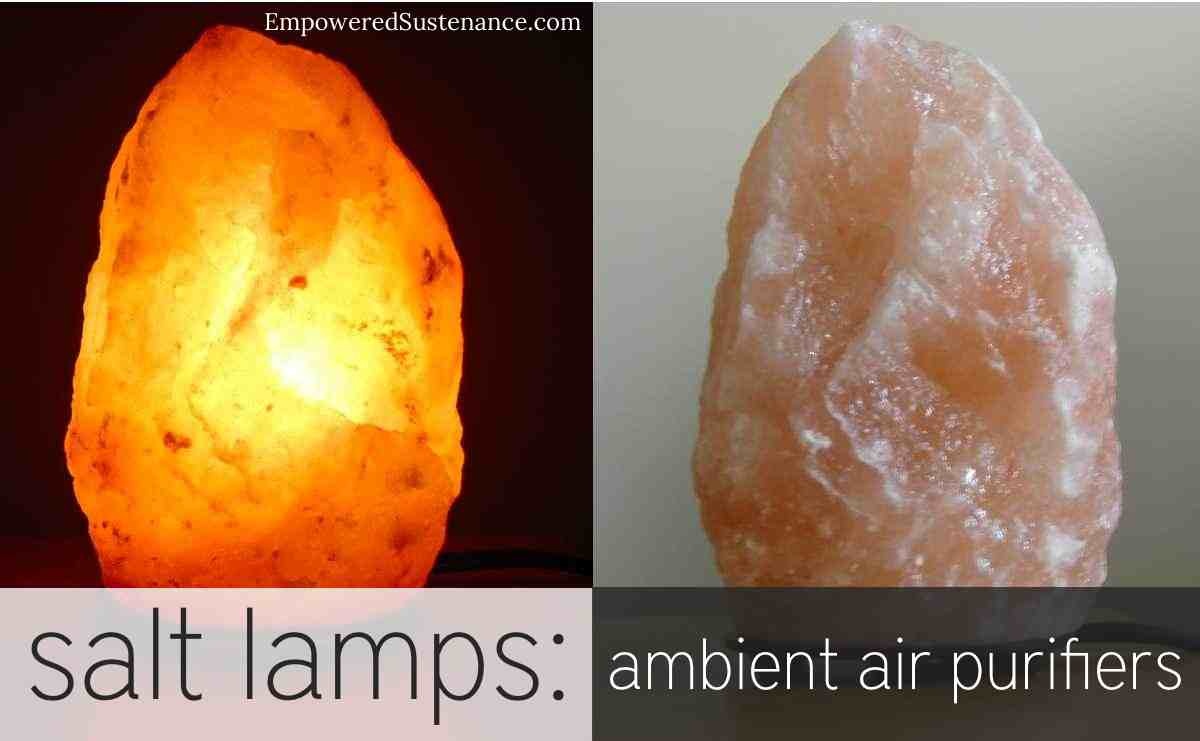
Salt lamps are made from large chunks of Himalayan salt. These chunks are often hollowed out to fit a light bulb inside. When lit, they give off a soft, warm glow.
People believe that salt lamps can release negative ions. These ions may help neutralize pollutants in the air. However, scientific evidence on this is limited.
Aside from air purifying claims, salt lamps are also popular for their calming light. Many use them for relaxation or as night lights. They add a cozy ambiance to any room.
Salt lamps are easy to use. You just plug them in, and they start working immediately. No special setup is required.
Maintenance for salt lamps is minimal. They only need to be wiped down occasionally with a damp cloth. This makes them a low-effort option to enhance your home environment.
Overview of Air Purifiers
Air purifiers are devices designed specifically to clean the air. They use filters to trap dust, pollen, and other particles. Some even remove odors and harmful chemicals.
HEPA filters are a key feature in many air purifiers. These filters can capture tiny particles, even smaller than what the human eye can see. This makes them effective at improving air quality.
Air purifiers come in different sizes and models. Some are small enough for a single room, while others can purify the air in an entire house. Choosing the right size depends on your needs.
Most air purifiers are easy to set up. You just plug them in and turn them on. Some advanced models offer smart features like air quality monitoring and automatic settings.
Maintenance for air purifiers involves changing the filters. How often you need to do this depends on the model and usage. Regular maintenance ensures the purifier works efficiently.
Key Features Compared
This section compares the key features of salt lamps and air purifiers. Each has unique characteristics that make it beneficial in different ways. Let’s dive into the details to understand how they stack up against each other.
Light and Ambiance
Salt lamps are famous for their warm, soothing light. This glow can create a relaxing atmosphere in any room. Many use them as night lights or for ambient lighting.
Air purifiers, on the other hand, do not provide any light. Their primary focus is to clean the air. They are less about ambiance and more about functionality.
While salt lamps enhance the room’s mood, air purifiers are almost invisible in their operation. You might hear a gentle hum, but you won’t get any visual benefits. This difference is important if you value lighting in your space.
According to this expert opinion, ambient lighting can significantly affect a person’s mood and comfort level. This makes salt lamps a good choice for those needing a calming environment.
In contrast, air purifiers might be more suitable for functional needs, particularly where air quality is a primary concern. The absence of light keeps them from altering the room’s lighting dynamics.
Air Cleaning Ability
Salt lamps are believed to release negative ions that might help neutralize air pollutants. However, scientific evidence supporting this claim is limited. Their capability to purify air remains mostly unproven.
Air purifiers excel in this area. Equipped with HEPA filters, they can remove up to 99.97% of airborne particles, including dust, pollen, and even some bacteria. This makes them highly effective in improving air quality.
While salt lamps offer an aesthetic and possibly minor air-cleaning benefit, air purifiers provide measurable improvements. They are particularly useful for people with allergies or respiratory issues. This efficiency sets air purifiers apart in terms of practical air cleaning.
As such, if pure air quality improvement is your goal, an air purifier is likely the better choice. Salt lamps might serve as a supplementary option.
Maintenance
Salt lamps are incredibly low-maintenance. They only need to be dusted occasionally. This makes them hassle-free and user-friendly.
Air purifiers require more upkeep. Their filters need to be replaced regularly, often every six months. This maintenance ensures they continue to perform efficiently.
The simplicity of salt lamps can be appealing to those desiring a hands-free experience. In contrast, air purifiers demand a bit more attention but offer substantial benefits.
Neglecting air purifier maintenance can reduce its effectiveness. So, owners should stay on top of filter changes to keep their device working well. For some, this ongoing maintenance might be a drawback.
Overall, the choice between low-maintenance and periodic upkeep depends on your willingness to invest time in regular servicing.
Cost
Salt lamps are generally affordable. Their price varies depending on size and design. They offer a cost-effective way to add both light and potential air benefits to your home.
Air purifiers, however, can be more expensive. High-end models with advanced features come with a higher price tag. They are an investment in your home’s air quality.
The initial cost of an air purifier is just one aspect. Replacement filters also add to the ongoing expense. This can make air purifiers pricier over time compared to salt lamps.
If budget is a concern, a salt lamp might be more appealing. It provides multiple benefits without breaking the bank. Yet, the long-term health benefits of an air purifier might justify the higher cost for many.
Ultimately, your choice will depend on how much you are willing to spend for clean air and ambiance.
Size and Portability
Salt lamps are generally portable. They can be easily moved from room to room. Their small size makes them a flexible option for different spaces.
Air purifiers come in various sizes. Some are designed to purify large areas, making them bulkier and less portable. Smaller models do exist but may only cover a limited area.
For flexibility and ease of placement, salt lamps have an edge. They fit well in bedrooms, living rooms, and even offices without much hassle.
Air purifiers, especially larger ones, are best left in a dedicated spot. Moving them frequently can be cumbersome, reducing their convenience.
When considering space and portability, salt lamps offer more versatility. Air purifiers, although less mobile, provide extensive air-cleaning power in a set location.
Salt Lamps vs Air Purifiers: Feature Comparison
In this section, we’ll compare the features of salt lamps and air purifiers side by side. This comparison will help you understand the strengths and weaknesses of each device. Let’s take a look at the table below to see how they measure up.
| Feature | Salt Lamps | Air Purifiers |
|---|---|---|
| Function | Ambiance lighting and possible air purification | Air purification |
| Light | Soft, warm glow | No light emitted |
| Air Cleaning Efficiency | Possible minor benefits, not scientifically proven | Removes 99.97% of airborne particles |
| Filter Changes | Not required | Required every 6 months |
| Maintenance | Occasional dusting | Regular filter replacement and cleaning |
| Price | Generally affordable | Varies, often more expensive |
| Portability | Easy to move | Depends on size, smaller models portable |
| Noise | Silent | Can produce a gentle hum |
| Smart Features | None | Available in advanced models |
| Aesthetic Appeal | Visually pleasing | Functional design |
The Good and The Bad
When considering salt lamps and air purifiers, it’s crucial to weigh their pros and cons. Each has its advantages and disadvantages, which can impact your decision. Below is a comparison of the good and the bad for both options.
| Pros | Cons |
|---|---|
| Salt lamps provide a relaxing, warm light. | Limited scientific proof of air-purifying effects. |
| Air purifiers significantly improve air quality. | Can be noisy depending on the model. |
| Salt lamps are easy to use and maintain. | Require occasional dusting to keep clean. |
| Air purifiers offer various sizes for different spaces. | Filters need regular replacement, adding to costs. |
| Salt lamps add aesthetic appeal to any room. | No smart features or technological benefits. |
| Air purifiers can remove allergens and pollutants. | Generally more expensive than salt lamps. |
Price Comparison
Comparing the prices of salt lamps and air purifiers helps understand their affordability. Both offer different benefits, but their costs can vary widely. Here’s a breakdown of their price ranges in the table below.
| Salt Lamps | Air Purifiers |
|---|---|
| $20 – $70 (depending on size and design) | $50 – $600 (depending on size and features) |
| One-time purchase | Initial cost plus filter replacements |
| No extra maintenance costs | Filter replacements every 6 months |
| Available in various sizes | Various models available |
| Low-cost decorative option | High-tech options can be costly |
Which Is Better?
Deciding between a salt lamp and an air purifier depends on what you need for your home. Both have their benefits and serve different purposes. If you are looking for a decorative item with a soothing glow, a salt lamp may be your choice. However, if improving air quality is your main goal, an air purifier is likely a better fit.
Salt lamps add a calming ambiance to any room and require little maintenance. They are also more affordable and can fit nearly anywhere. But, their ability to clean the air is still debated and not backed by strong scientific evidence. Thus, relying on them purely for air purification might not be effective.
Air purifiers excel in cleaning the air, removing allergens, and improving overall air quality. They are especially useful for people with allergies or respiratory problems. Although they are more expensive and require regular filter changes, their efficiency in air purification is well-documented. This makes them a strong option for a healthier living environment.
When weighing between ambiance and air quality, air purifiers come out ahead if you prioritize clean air. Salt lamps, on the other hand, are excellent for adding a touch of warmth and relaxation to your space.
**Reasons for Choosing Air Purifiers:**
- Proven effectiveness in removing airborne particles and allergens.
- Various models and sizes to suit different needs and spaces.
- Smart features available in many models for added convenience.
Frequently Asked Questions
Many people are exploring ways to improve air quality and create a cozy ambiance in their homes. Salt lamps and air purifiers are two popular options. Below are some frequently asked questions about these products.
What are the core benefits of salt lamps?
Salt lamps are primarily known for their warm, soothing light, which can create a relaxing atmosphere. This makes them a popular choice for anyone looking to add a touch of ambiance to their home.
Additionally, some believe that salt lamps release negative ions that can help neutralize pollutants in the air. However, it’s important to note that scientific evidence supporting these air-cleansing claims is limited.
How do air purifiers improve air quality?
Air purifiers use filters to trap dust, pollen, and other airborne particles. High-Efficiency Particulate Air (HEPA) filters are particularly effective, capturing up to 99.97% of particles as small as 0.3 microns.
Some advanced models also include activated carbon filters to remove odors and volatile organic compounds (VOCs). This comprehensive filtration helps ensure a cleaner, healthier indoor environment.
Are there any maintenance requirements for salt lamps?
Salt lamps are generally low-maintenance, requiring only occasional dusting. It’s important to keep them dry, as salt can dissolve in water, potentially damaging the lamp.
Simply use a damp cloth to wipe off any dust or debris. Unlike air purifiers, salt lamps do not have filters that need replacing, making them a hassle-free option for those looking for minimal upkeep.
What factors contribute to the cost difference between salt lamps and air purifiers?
Salt lamps are usually more affordable, primarily because they serve as ambient lighting with potential minor air-purifying benefits. The cost typically depends on the size and design of the lamp.
Air purifiers, on the other hand, tend to be more expensive due to their advanced filtration technology. Factors such as the type of filters used, the brand, and additional features like smart controls can also drive up the price.
Do salt lamps or air purifiers offer smart features?
Salt lamps are generally simple devices with no smart features. They mainly function as lighting elements that may provide some minor air benefits.
Air purifiers, however, often come with a range of smart features. Many models include air quality sensors, Wi-Fi connectivity, and app controls, allowing users to monitor and adjust settings remotely for optimal air quality.
Himalayan Salt Lamp – Buzz or Bust?
Conclusion
Choosing between a salt lamp and an air purifier depends on your specific needs and priorities. Salt lamps offer a cozy ambiance with minimal maintenance, making them suitable for enhancing room aesthetics and creating a calming environment. On the other hand, air purifiers excel in significantly improving air quality, which is particularly beneficial for those with allergies or respiratory issues.
While salt lamps are generally more affordable and easier to maintain, air purifiers provide advanced air-cleaning capabilities and often come with smart features. Both options have their unique advantages and drawbacks, so understanding your primary goal—whether it’s improving air quality or adding a touch of serenity—can guide you in making the best choice for your home.

I’m Emily Johnson, an affiliate marketer and blogger focused on lamps and lighting. I share honest reviews, simple buying guides, and practical tips. My goal is to help readers choose the right lamp for their space, style, and budget with confidence.