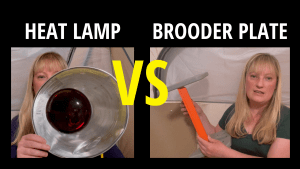
Raising poultry remains a complex yet rewarding endeavor, often hinging on choices like the brooder versus the heat lamp. Considerable debate surrounds which provides optimal warmth and efficiency for chick rearing. Intriguingly, farmers and hobbyists alike have various preferences influenced by factors like energy consumption and chick safety.
Brooders, historically the go-to for many, offer an all-encompassing environment ensuring both warmth and containment. Heat lamps, on the other hand, bring flexibility and targeted heating but come with heightened fire risks, with electrical issues leading to approximately 5000 fires annually in agricultural settings. Each method presents distinct advantages and potential pitfalls, driving constant innovation and discussion within the field.
| Feature | Brooder | Heat Lamp |
|---|---|---|
| Heat Distribution | Even | Focused |
| Safety | High | Moderate |
| Initial Cost | Higher | Lower |
| Running Cost | Lower | Higher |
| Ease of Setup | Moderate | Easy |
Overview of Brooder and Heat Lamp
Brooders and heat lamps are vital for keeping baby chicks warm. They help chicks grow healthy and strong. Let’s explore how each works and their key features.
Overview of Brooder
A brooder is a special box designed to keep chicks warm. It mimics the warmth a mother hen would provide. This ensures the chicks are comfortable and protected.
Brooders often come with built-in heat sources. These can be electric heaters or special heat plates. This makes it easy to control the temperature inside.
One important feature of brooders is that they offer a safe space. Chicks can’t wander off and get lost. This containment is crucial for their safety.
Many brooders also include features like food and water containers. This makes feeding and drinking convenient. It ensures chicks have everything they need close by.
Brooders are usually easy to clean. This is important for keeping the chicks healthy. Cleanliness helps prevent diseases from spreading.
Overview of Heat Lamp
A heat lamp is a simple way to keep chicks warm. It uses a bright, warm light to provide heat. This light acts like the sun, keeping the chicks cozy.
Heat lamps can be hung over a chick’s living area. They are easy to set up and adjust. The height of the lamp can be changed to control the temperature.
One great thing about heat lamps is their flexibility. They can be moved to different areas as needed. This makes them very versatile for various setups.
Heat lamps are often less expensive than brooders. They are a budget-friendly option for many farmers. However, you’ll need to monitor them closely for safety.
It’s important to check heat lamps regularly. This is to ensure they are working properly. Safety measures, like secure mounting, are vital to prevent accidents.
Key Features Compared
Comparing the features of brooders and heat lamps can help you choose the best option for raising chicks. Let’s look at specific aspects such as efficiency, safety, flexibility, cost, and ease of use.
Efficiency in Providing Warmth
Brooders provide steady, even warmth for chicks. This consistency is important for their health and growth. Chicks can snuggle close to stay warm.
Heat lamps also give warmth but tend to focus heat in one area. This means chicks need to move closer or further away to adjust their comfort. Sometimes, heat distribution can be uneven.
In a brooder, the temperature is easy to control. You can set it to the perfect level for the chicks. Automatic controls help maintain this setting.
Heat lamps need manual adjustment. You control the warmth by changing the lamp’s height. This requires regular checking to keep the temperature stable.
According to this expert opinion, brooders might be better for keeping consistent warmth, especially in varying weather conditions.
Safety for Chicks
Brooders are generally safer as they are enclosed spaces. Chicks can’t get too close to the heat source. This reduces the risk of burns.
Heat lamps need careful handling. If they fall or are placed too low, they can cause fires. Extra care and secure mounting are essential.
Brooders usually have built-in safety features. These include temperature monitors and auto shut-offs. Such features help avoid accidents and overheating.
With heat lamps, regular checks are necessary. Ensuring the lamp is securely fixed is crucial. Safety guards can be added to prevent chicks from touching the bulb.
Both methods need safety measures, but brooders tend to offer more built-in protections, making them a safer choice overall.
Flexibility
Heat lamps are very flexible. You can move them around easily and adjust the height. This makes them adaptable to different setups.
Brooders are less movable. Once set up, they usually stay in one place. You can’t easily adjust their position.
For temporary setups, heat lamps are ideal. You can quickly change their location or use them in different pens. This offers great convenience.
Brooders, although less flexible, create a stable environment. The chicks have everything they need in one contained space. This is good for long-term setups.
Flexibility varies between the two, with heat lamps being more adaptable, while brooders provide a stable but less movable environment.
Cost
Heat lamps are generally cheaper to buy. They are a cost-effective solution for many farmers. However, they can increase your electricity bill.
Brooders tend to be more expensive upfront. The initial cost includes the box and built-in heaters. This makes them a bigger investment.
Running costs also differ. Brooders might save money in the long run due to energy efficiency. They use less power compared to heat lamps.
Heat lamps require more frequent replacements. Bulbs can burn out and need changing. This adds to their ongoing costs.
Considering both initial and running costs, brooders may offer better value over time despite their higher initial price tag.
Ease of Use
Heat lamps are straightforward to set up. They hang over the chicks’ area and start working right away. This makes them easy for beginners.
Brooders require more preparation. Setting up the box, heaters, and feeding stations takes time. However, they offer a complete package.
Controlling temperature is simpler in brooders. Built-in thermostats help maintain the right heat. This reduces the need for constant adjustments.
Heat lamps need regular checks. Adjusting their height and position is needed to keep chicks comfortable. This means more manual work.
In terms of ease of use, heat lamps are quicker to set up but need more maintenance, while brooders are more complex initially but easier to manage over time.
Brooder vs Heat Lamp: Feature Comparison
Comparing brooders and heat lamps can help you choose the best option for your chicks. Let’s look at their features side by side in the table below.
| Feature | Brooder | Heat Lamp |
|---|---|---|
| Heat Distribution | Even | Focused |
| Safety | High | Moderate |
| Initial Cost | Higher | Lower |
| Running Cost | Lower | Higher |
| Ease of Setup | Moderate | Easy |
| Temperature Control | Automatic | Manual |
| Mobility | Low | High |
| Containment | Yes | No |
| Maintenance | Easy | Needs frequent checks |
| Durability | High | Moderate |
The Good and The Bad
Brooders and heat lamps each have their own pros and cons. This table will show you the good and bad points for both, helping you decide which is best for your chicks.
| Pros | Cons |
|---|---|
| Even heat distribution (Brooder) | Higher initial cost (Brooder) |
| Lower running cost (Brooder) | Less flexibility (Brooder) |
| High safety (Brooder) | Complex setup (Brooder) |
| Easy setup (Heat Lamp) | Higher running cost (Heat Lamp) |
| Flexible and movable (Heat Lamp) | Manual temperature control (Heat Lamp) |
| Lower initial cost (Heat Lamp) | Higher fire risk (Heat Lamp) |
Price Comparison
Understanding the costs involved can help you decide between a brooder and a heat lamp. The table below compares the prices of both options, including initial and running costs.
| Brooder | Heat Lamp |
|---|---|
| $50 – $200 (Initial Cost) | $10 – $50 (Initial Cost) |
| $10 – $20 per month (Running Cost) | $20 – $30 per month (Running Cost) |
| Long-lasting | Frequent bulb replacements needed |
| Energy-efficient | Higher energy consumption |
| Lower maintenance cost | Higher maintenance cost |
Which Is Better?
Deciding whether a brooder or a heat lamp is better depends on your needs. Brooders provide a safe, controlled environment, ensuring chicks stay warm and secure. They often come with built-in features like feeders and waterers, making overall care straightforward.
Heat lamps, on the other hand, are more flexible and easier to set up. They are typically less expensive initially, but may have higher running costs due to frequent bulb replacements and higher energy consumption. Heat lamps are ideal for temporary or mobile setups where space or cost is a concern.
When it comes to safety, brooders have the upper hand. They come with protective features that reduce risks of burns and fire. In contrast, heat lamps need vigilant monitoring to avoid accidents, but they offer the flexibility to be moved and adjusted as needed.
Ultimately, the choice between the two boils down to personal preference and specific requirements. Let’s summarize why the brooder may be considered the better option:
- Even and consistent heat distribution.
- Higher safety with built-in features.
- Lower running costs and easy maintenance.
Frequently Asked Questions
Understanding the differences between brooders and heat lamps can help you make the best choice for raising chicks. Below are common questions experts often have about these heating options.
How do brooders and heat lamps impact chick safety?
Brooders are typically safer as they provide an enclosed space where chicks can’t get too close to the heat source. They often come with built-in safety features like temperature controls and automatic shut-offs.
Heat lamps require careful monitoring to ensure they are securely mounted and at the correct height. If not properly managed, there is a risk of burns or even fire, making constant vigilance essential.
What is the cost difference between using a brooder and a heat lamp?
Brooders generally have a higher initial cost, but they are energy-efficient, leading to lower running costs over time. They often include multiple features in one package, such as feeders and water containers.
Heat lamps are less expensive upfront but can have higher ongoing costs due to bulb replacements and increased energy consumption. They are budget-friendly for short-term needs but may cost more in the long run.
Which option is easier to set up and maintain?
Heat lamps are straightforward to set up and can be adjusted easily by changing their height. However, they require frequent checks to ensure they are working correctly and safely.
Brooders take more time and effort to set up initially but provide a more stable environment for chicks. Once set up, they need less frequent monitoring and maintenance, offering convenience over time.
How do brooders and heat lamps compare in terms of heat distribution?
Brooders offer even heat distribution, which helps to keep chicks uniformly warm. This consistency is crucial for their growth and development.
Heat lamps provide focused heat that requires chicks to move closer or farther away to adjust their comfort levels. This can result in uneven heating, especially in larger spaces.
Are brooders or heat lamps more flexible for different setups?
Heat lamps are highly flexible and can be easily moved to different areas as needed. This makes them ideal for temporary or varied setups where mobility is important.
Brooders, while less flexible, offer a stable, all-in-one environment. They are best used for consistent, long-term setups where the chicks’ living conditions do not frequently change.
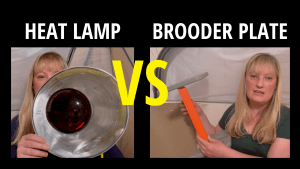
Chick Brooder Heating Plate | Will We Switch From Heat Lamps?
Conclusion
Choosing between a brooder and a heat lamp hinges on your specific needs and circumstances. Both options have their own set of advantages and drawbacks. While brooders offer safety and consistent warmth, heat lamps bring flexibility and lower initial costs.
Ultimately, consider factors like cost, safety, and ease of use when making your decision. Each method can be effective if managed correctly. Your choice will greatly depend on what best suits your setup and the wellbeing of your chicks.

I’m Emily Johnson, an affiliate marketer and blogger focused on lamps and lighting. I share honest reviews, simple buying guides, and practical tips. My goal is to help readers choose the right lamp for their space, style, and budget with confidence.