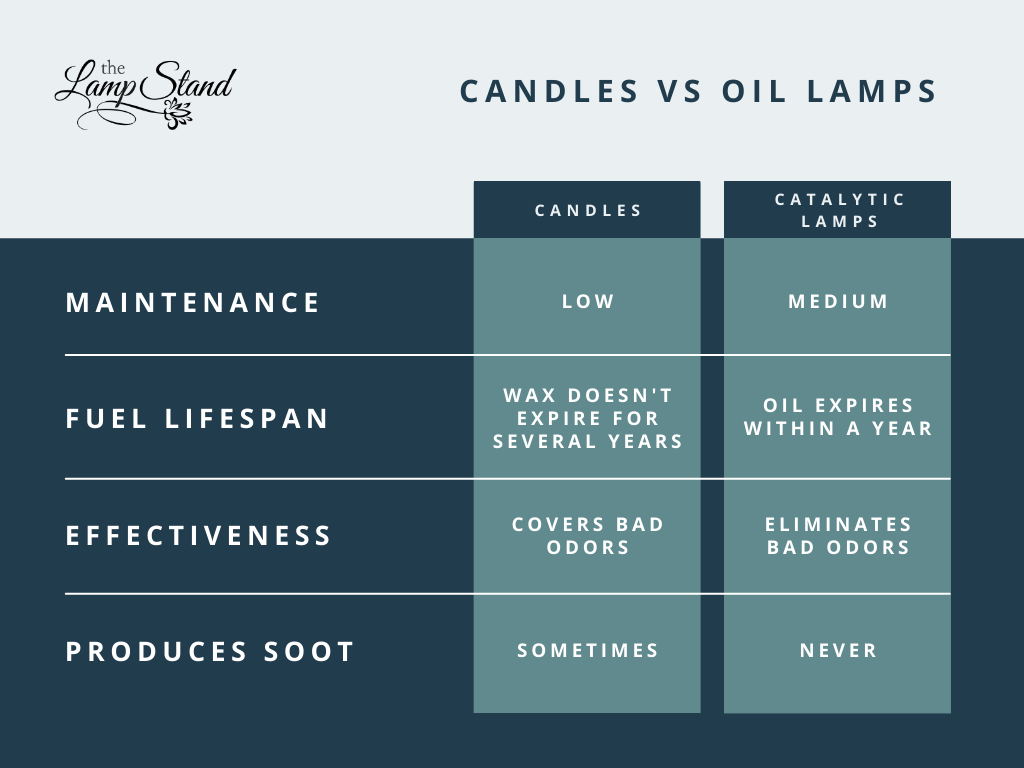
In the flickering light of an oil lamp, one might see reflection on a tradition spanning centuries. Conversely, candles too, have warmed many a heart across different cultures and eras. The choice between oil lamps and candles opens a window into the subtle yet profound impacts of their light on our history and daily living.
Oil lamps, with their roots tracing back to ancient civilizations, are known for their longer burn time compared to candles. Made typically of glass or metal, they hold a reservoir of fuel that can last for hours. Candles, however, particularly those made from beeswax, offer a cleaner burn and evoke a natural scent. In modern settings, candles often double as both functional and decorative pieces, illuminating spaces with ambiance as much as light.
| Feature | Oil Lamp | Candle |
|---|---|---|
| Burn Time | Long, refillable | Shorter, non-refillable |
| Light Quality | Bright and steady | Soft and warm |
| Materials | Glass, metal, ceramic | Wax (beeswax, paraffin, soy) |
| Ease of Use | Requires maintenance | Simple, no maintenance |
| Portability | Less portable | Highly portable |
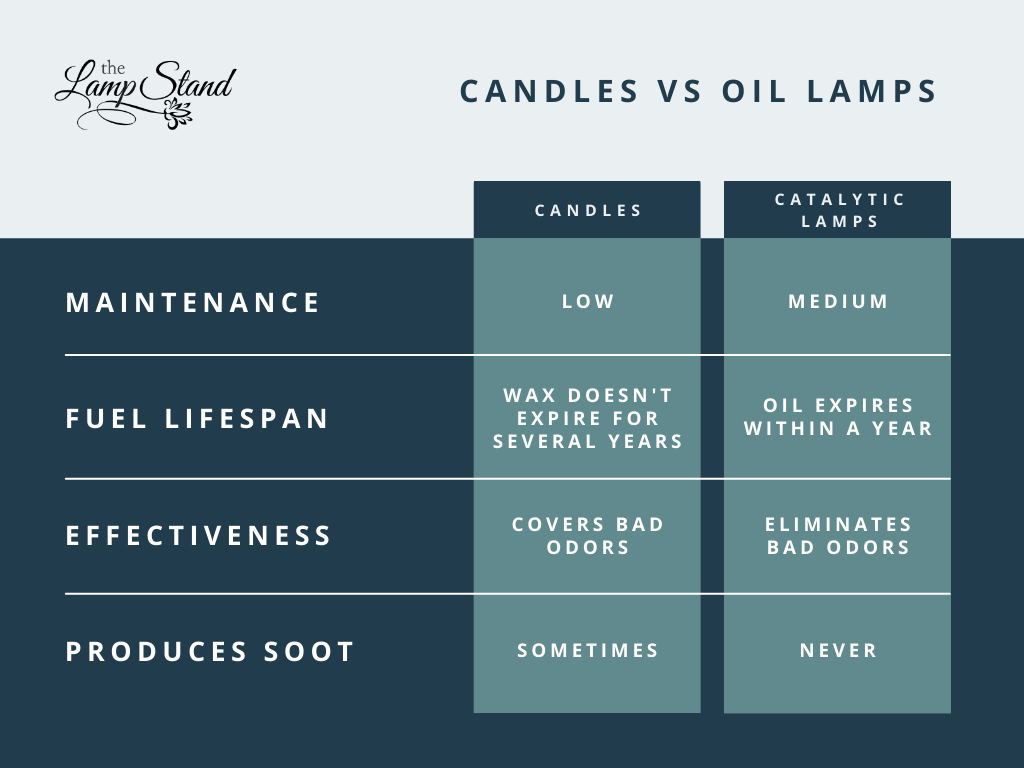
Overview of Oil Lamps and Candles
Oil lamps and candles have been essential sources of light for centuries. They have unique characteristics and uses that make them special. Here’s a closer look at both to see how they compare.
Overview of Oil Lamps
Oil lamps have been around since ancient times. People in ancient Egypt, Greece, and Rome used them regularly. They are made of materials like glass or metal.
These lamps use oil as fuel. The oil is stored in a reservoir, which can last for many hours. They provide a steady and bright light.
Oil lamps are popular for their long burn time. This makes them good for events or situations where light is needed for a long period. Some people also use them for their historical charm.
In modern settings, oil lamps can be decorative. They add a classic touch to homes and gardens. Many people like the warm glow they give.
There are different types of oils used in these lamps. Common ones include kerosene and olive oil. Each type of oil can affect the lamp’s brightness and smell.
Overview of Candles
Candles have also been used for centuries. Ancient civilizations like the Egyptians and Romans made early versions of them. They are made of wax, usually with a wick in the center.
Candles are often used for their warm and cozy light. They are popular in homes, especially during the holidays. Many people like the soft glow they provide.
There are many types of candles available. Beeswax candles are famous for being natural and clean-burning. Scented candles are also common, adding pleasant fragrances to the air.
Candles can be both practical and decorative. They are often used in celebrations, such as birthdays and religious events. Some people use them for relaxation and ambiance.
Though they burn out faster than oil lamps, candles are easy to replace. They come in many shapes, sizes, and colors. This makes them versatile for different occasions and settings.
Key Features Compared
When comparing oil lamps and candles, several key features stand out. Understanding these differences can help decide which one suits your needs better. Let’s look into size, materials, burn time, light quality, and ease of use.
Size and Materials
Oil lamps come in various sizes. Some are small and portable, while others are larger and more elaborate. They are often made of materials like glass, metal, or ceramic.
Candles also vary in size. They can be small tea lights or large pillar candles. The primary material used in candles is wax, with wicks in the center.
Oil lamps can be quite sturdy. The materials used make them durable and long-lasting. They add a vintage charm to any space.
Candles, on the other hand, are simpler in design. The wax can come from bees, paraffin, or soy. Each type has its unique properties.
Both oil lamps and candles have diverse styles. This makes them suitable for different occasions and settings. Their materials influence their look and feel.
Burn Time
Oil lamps generally have a long burn time. This is because they have a reservoir of fuel. Some can burn for many hours without refilling.
Candles usually burn out faster than oil lamps. The burn time depends on the size and type of wax used. Large candles last longer than smaller ones.
For extended use, oil lamps are more reliable. They can be refueled easily, which keeps them going. This makes them ideal for emergency lighting.
Candles are convenient but need regular replacement. Once a candle burns out, it’s done. This is a key difference between the two.
If you need continuous light, oil lamps are better. They offer a steady source of light over time. Candles are good for short-term use.
Light Quality
Oil lamps generally produce a bright and steady light. The flame is stable and not prone to flickering. This makes oil lamps ideal for reading or detailed work.
Candles emit a softer, warmer glow. They create a cozy and relaxing atmosphere. This is why they are often used for mood lighting.
The type of oil used in lamps can influence the light quality. Some oils burn cleaner than others. This affects the lamp’s brightness and odor.
Candles can also vary in light quality. For example, beeswax candles burn brighter and cleaner than paraffin ones. Different waxes offer different lighting experiences.
Each has its unique light quality. Oil lamps are bright and functional. Candles are soft and cozy.
Ease of Use
Oil lamps require some maintenance. You need to refill the oil and trim the wick. They also need proper cleaning to prevent buildup.
Candles are easier to use and replace. You light them, and they burn until they’re finished. There is little to no maintenance involved.
Oil lamps can be more intricate to handle. Their components often need attention. But for many, the effort is worth the long-lasting light.
Candles are straightforward. Once they are lit, you don’t need to do much. This makes them hassle-free.
According to this resource, both options have their advantages depending on the situation.
Safety
Oil lamps can be more dangerous if not handled properly. The oil is flammable, and spills can cause fires. It’s important to use them carefully.
Candles can also be a fire hazard. Leaving them unattended is risky. They should always be placed on stable, heat-resistant surfaces.
Oil lamps often have safety features. Many come with stable bases and covers to protect the flame. This adds an extra layer of safety.
Candles do not have as many safety features. They rely on careful placement and monitoring. Keeping them away from flammable items is crucial.
Both need proper attention to ensure safety. Following basic safety rules can prevent accidents. Each has its risks and precautions to consider.
Oil Lamps vs Candles: Feature Comparison
Comparing oil lamps and candles helps understand their unique advantages. Each has different features that make them suitable for various needs. Below is a table comparing key features between oil lamps and candles.
| Feature | Oil Lamps | Candles |
|---|---|---|
| Burn Time | Long-lasting, can be refilled | Shorter, varies by size |
| Light Quality | Bright and steady | Soft and warm |
| Materials | Glass, metal, ceramic | Wax (beeswax, paraffin, soy) |
| Ease of Use | Requires refilling and maintenance | Simple, no maintenance |
| Cost | Higher initial cost, but fuel is affordable | Lower initial cost, needs regular replacement |
| Safety | Can spill oil, needs careful use | Fire hazard if left unattended |
| Scent | May smell like the oil used | Scented versions available |
| Portability | Less portable, can be heavy | Highly portable |
| Appearance | Antique and classic designs | Modern, decorative |
| Environmental Impact | Depends on the type of oil used | Varies with the type of wax |
The Good and The Bad
When choosing between oil lamps and candles, it’s essential to understand both their advantages and disadvantages. Each has unique benefits and drawbacks. Here’s a table to compare the good and the bad of oil lamps and candles.
| Oil Lamps (Pros) | Oil Lamps (Cons) | Candles (Pros) | Candles (Cons) |
|---|---|---|---|
| Long burn time | Requires maintenance | Easy to use | Shorter burn time |
| Bright, steady light | Can spill oil | Creates a cozy atmosphere | Needs regular replacement |
| Durable materials | Higher initial cost | Variety of scents and styles | Fire hazard if left unattended |
| Refillable | Less portable | Lower cost | Non-recyclable waste |
| Classic, vintage look | Needs careful handling | Highly portable | No control over burn rate |
Price Comparison
Knowing the price differences between oil lamps and candles can help you choose the best option for your needs. Below is a table comparing the typical prices of these lighting sources.
| Oil Lamps | Candles |
|---|---|
| $20 – $50 (Basic Models) | $1 – $10 (Basic Candles) |
| $50 – $200 (Decorative Models) | $10 – $30 (Designer Candles) |
| $5 – $10 (Fuel Refill per Bottle) | $1 – $5 (Replacement Candles) |
| Higher initial investment | Lower initial cost |
| Durable, long-lasting | Consumable, needs regular replacement |
Which Is Better?
Choosing between oil lamps and candles depends on what you need. Each has its strengths and weaknesses that suit different situations. If you need light for a long time, an oil lamp might be your best bet. For a cozy atmosphere, candles could be better.
Oil lamps are great for long-term use and emergencies. They last longer and can be easily refilled with fuel. However, they require maintenance and careful handling. This can be a drawback for some people.
Candles are simple and easy to use. They offer a warm light that is perfect for relaxing or celebrating. But they don’t last as long and need frequent replacements. This makes them less useful for long-term situations.
Based on the needs of most people, candles often come out as the winner for home use. They are affordable, portable, and add a lovely touch to any setting. Here are three reasons why candles might be the better choice:
- Easy to use and replace
- Creates a cozy and relaxing atmosphere
- Affordable and widely available
Frequently Asked Questions
Oil lamps and candles are age-old sources of light with distinct features and benefits. These questions address common inquiries and important aspects relating to their use, performance, and care. Dive in to discover more about these illuminating essentials.
1. What are the primary differences between oil lamps and candles in terms of burn time?
Oil lamps typically have a longer burn time because they can be refilled with fuel, allowing them to last for many hours. This makes them a reliable source of continuous light, ideal for extended periods.
In contrast, candles burn out faster and need to be replaced once they are used up. The burn time of candles depends on their size and type of wax used, but they generally provide short-term light.
2. How does the light quality between oil lamps and candles compare?
Oil lamps provide a bright and steady light that is less prone to flickering. This makes them suitable for activities that require a consistent light source, such as reading or working.
Candles, on the other hand, emit a soft and warm glow that creates a cozy and relaxing atmosphere. They are often used for mood lighting and decorative purposes, enhancing the ambiance of any space.
3. Are there any safety differences between using oil lamps and candles?
Oil lamps can pose certain risks, particularly if they spill or are knocked over. The oil used in these lamps is flammable, and spilled oil can lead to fires if not handled carefully.
Candles also present fire hazards, especially if left unattended or placed near flammable materials. However, candles are generally considered easier to manage with fewer maintenance requirements.
4. What materials are commonly used in oil lamps and candles, and how do they affect their performance?
Oil lamps are often made from durable materials like glass, metal, or ceramic. These materials add to the lamp’s longevity and aesthetic appeal. The type of oil used also affects the lamp’s brightness and odor.
Candles are primarily made of wax, which can vary from beeswax to paraffin, or soy. The type of wax influences the burn time, scent, and cleanliness of the burn, offering a range of experiences for users.
5. Which is more cost-effective in the long run: oil lamps or candles?
Oil lamps usually have a higher initial cost due to the materials and construction. However, since they can be refilled and used for extended periods, they may prove more economical over time.
Candles are cheaper initially but need frequent replacements as they burn out faster. For long-term use, the cost of repeatedly buying candles can add up, making them potentially less cost-effective compared to oil lamps.
Candle vs Candle: Which type of candle should go in your emergency kit?
Final Thoughts
Choosing between oil lamps and candles depends largely on your specific needs and preferences. Oil lamps offer a long-lasting, bright, and consistent light source, making them ideal for extended use and emergencies. However, they require more maintenance and careful handling.
Candles, with their warm and cozy glow, are perfect for creating ambiance and are simple to use. They may not last as long but are highly portable and cost-effective in short-term scenarios. Each option brings its unique benefits, catering to different occasions and settings.

I’m Emily Johnson, an affiliate marketer and blogger focused on lamps and lighting. I share honest reviews, simple buying guides, and practical tips. My goal is to help readers choose the right lamp for their space, style, and budget with confidence.