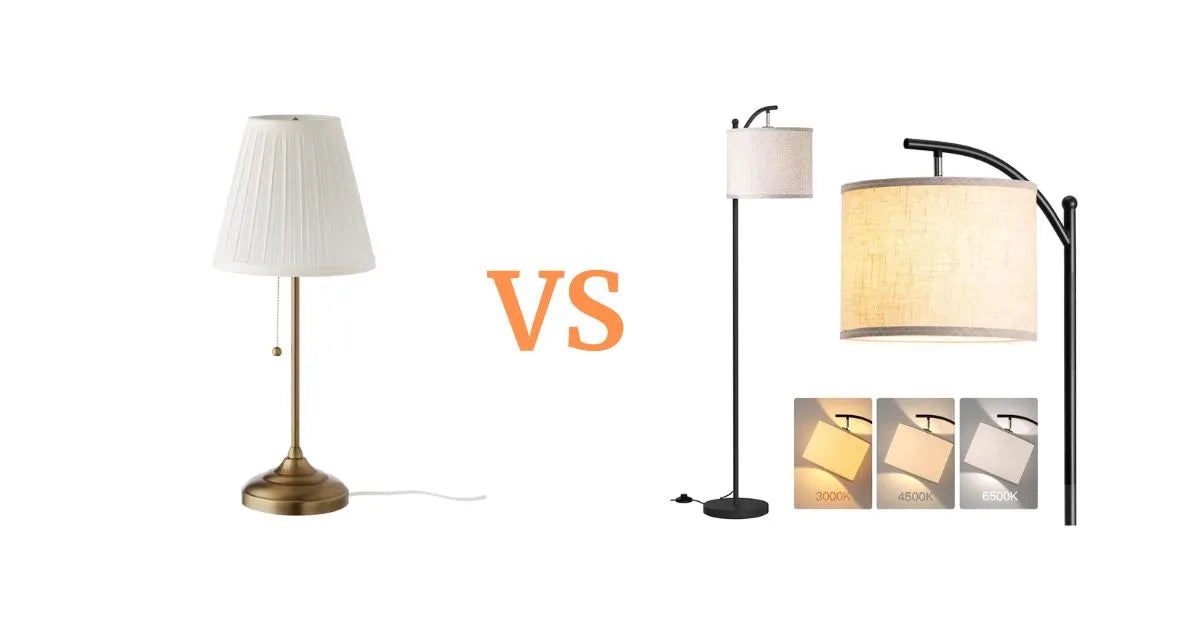
From the renaissance of design in the 1950s to the multitude of choices available today, lighting solutions have always been a fascinating domain. Picture this: a sleek, floor-standing lamp casting a warm glow over a cozy living room, versus a compact, stylish table lamp illuminating your work desk. Each brings its unique charm and functional advantages to the space it inhabits.
Floor lamps, with their ability to light up an entire room, have a history intertwined with grandiose hallways and lounges. On the other hand, table lamps, originating as delicate candle holders, now stand as icons of modern desk ergonomics. A statistic worth noting: homes with a mix of both floor and table lamps report a 20% increase in perceived room warmth and coziness.
| Feature | Floor Lamp | Table Lamp |
|---|---|---|
| Height | Typically 4-6 feet | 1-2 feet |
| Space Requirement | Requires floor space | Requires table or desk space |
| Brightness | Higher, suitable for entire rooms | Moderate, ideal for specific tasks |
| Adjustability | Often adjustable heads | Adjustable arms or shades |
| Portability | Less portable, heavier to move | Highly portable, easy to relocate |
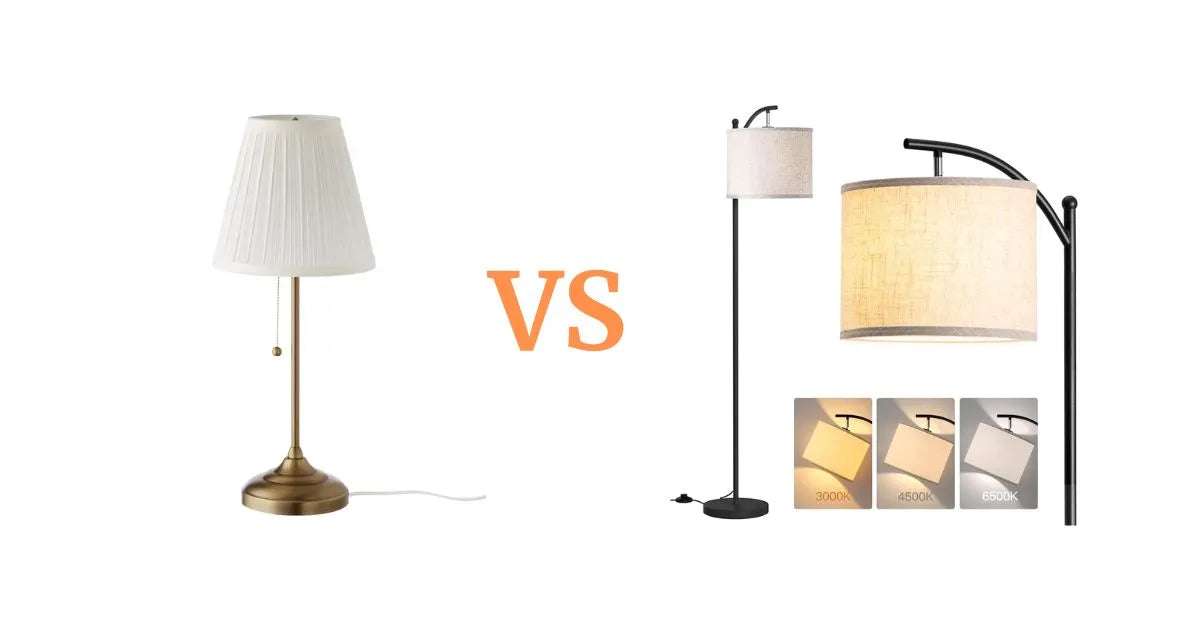
Overview of Floor Lamps and Table Lamps
Floor lamps and table lamps are essential lighting fixtures found in homes and offices. Each type serves different purposes and offers unique benefits. Knowing their uses helps in choosing the right lamp for your space.
Overview of Floor Lamps
Floor lamps are tall lighting fixtures that stand on the floor. They are great for lighting up large spaces like living rooms. Floor lamps often have adjustable heads so you can direct light where you need it.
With their tall design, floor lamps can provide general lighting for an entire room. They are perfect for placing beside sofas or armchairs. This makes them ideal for reading or relaxing in a cozy corner.
Many floor lamps come with dimmer switches. This feature allows you to control the brightness. Adjustable lighting is great for setting different moods in a room.
Modern floor lamps often come in stylish designs. They can add a unique touch to your home décor. Some floor lamps even have shelves or additional lighting for extra functionality.
Floor lamps are easy to move around. You can place them anywhere you need extra light. This makes them very versatile and practical for any home.
Overview of Table Lamps
Table lamps are smaller and designed to sit on tables or desks. They provide focused lighting, which is excellent for tasks like reading or writing. Table lamps are also used as decorative accents in homes.
The compact size of table lamps makes them easy to fit in small spaces. They are perfect for bedside tables, desks, and small shelves. Their small size doesn’t take up much space but still provides plenty of light.
Many table lamps come with adjustable arms or shades. This allows you to direct the light exactly where you need it. Adjustability is a key feature for tasks requiring focused light.
Table lamps come in a wide variety of styles and designs. From modern to vintage, there is a table lamp to suit any décor. They not only provide light but also enhance the look of the room.
Table lamps are typically more affordable than floor lamps. This makes it easy to buy multiple lamps for different rooms. You can mix and match styles to create a cohesive look throughout your home.
Key Features Compared
When choosing between floor lamps and table lamps, it’s important to understand their key features. This can help you select the best lamp for your needs. Let’s compare these two popular lighting options.
Brightness Level and Light Control
Floor lamps often provide a higher level of brightness. They are designed to light up large areas. This makes them suitable for living rooms and hallways.
Table lamps, however, offer more focused light. They are great for tasks like reading or studying. You can place one on your desk or bedside table.
Many floor lamps come with dimmer switches. This feature allows you to adjust the brightness. It’s perfect for setting different lighting moods.
Table lamps sometimes have adjustable light intensity as well. Some come with multiple settings for different tasks. This adds to their versatility.
Overall, floor lamps are better for general lighting. Table lamps excel at providing task-specific light. Choose based on the type of lighting you need.
Size and Feasibility for Different Spaces
Floor lamps are generally taller and require more space. They are ideal for larger rooms. Placing one in a small room might make it feel cramped.
Table lamps are compact and fit easily on tables or desks. Their small size makes them perfect for limited spaces. You can easily move them around.
Floor lamps can stand alone and don’t need extra furniture. They blend well with couches and armchairs. This makes them practical for seating areas.
Table lamps need a flat surface to stand on. They are more versatile in smaller spaces. You can place them on nightstands, shelves, or study tables.
In terms of space, floor lamps suit larger areas. Table lamps fit better in small rooms or corners. Consider the room size before choosing.
Variety in Design Aesthetics
Floor lamps come in a range of styles and designs. From modern to rustic, there are many options. They can be a statement piece in your décor.
Table lamps also offer a wide variety of designs. They can be more decorative due to their smaller size. This allows for intricate patterns and unique shapes.
Floor lamps often have sleeker and taller designs. They can add height and elegance to a room. Many come with additional features like shelves and dimmers.
Table lamps can be highly decorative. You can find ones with detailed bases and artistic shades. These lamps often serve as both light sources and décor pieces.
Both types of lamps can add to your home’s aesthetic. It’s all about finding the right design to match your style. Mix and match to create a cohesive look.
Illumination Capacity
Floor lamps can light up an entire room. They typically offer a higher wattage. This makes them suitable for areas needing a lot of light.
Table lamps provide more localized light. They are great for specific tasks. Use them in places where you need focused lighting.
Floor lamps often come with multiple bulbs. This increases their illumination. It also allows for better light distribution across the room.
Table lamps usually have one bulb. They are not meant to light up large spaces. Instead, they focus on providing light for individual tasks.
If you need general lighting, go for a floor lamp. For task-specific lighting, a table lamp is better. Choose based on your lighting needs.
Additional Features
Floor lamps often include additional features. Some have built-in shelves for storage. Others come with multiple lighting options.
Table lamps might have fewer extra features. They focus more on style and function. You can still find some with built-in USB ports or adjustable arms.
Floor lamps with adjustable arms give you control over light direction. This can be useful for reading or working. They can also have multiple heads.
Table lamps sometimes come with touch controls. These make it easy to adjust brightness. Some models also include clock displays or wireless charging.
Both types offer unique additional features. Check for these extras when choosing a lamp. They can add to the overall functionality and convenience.
For more insights on deciding between floor lamps and table lamps, you can refer to this expert opinion.
Floor Lamp vs Table Lamp: Feature Comparison
Floor lamps and table lamps serve different purposes and offer various benefits. This comparison helps you understand which lamp suits your needs best. Here’s a detailed comparison of their features in a table format.
| Feature | Floor Lamp | Table Lamp |
|---|---|---|
| Height | Usually tall, around 4-6 feet | Short, typically 1-2 feet |
| Space Requirement | Requires floor space | Requires table or desk space |
| Brightness | High, suitable for general lighting | Moderate, best for task lighting |
| Adjustability | Often adjustable for directing light | Usually has adjustable arms or shades |
| Portability | Less portable, heavier to move | Highly portable, easy to relocate |
| Design Variety | Wide range, often more modern | Wide range, often more decorative |
| Multi-functionality | Can come with shelves or multiple heads | Can come with USB ports or clocks |
| Pricing | Generally more expensive | Generally less expensive |
| Energy Consumption | Usually higher due to larger bulbs | Typically lower, uses smaller bulbs |
| Decorative Use | Acts as a statement piece | Acts as a complementary décor item |
The Good and The Bad of Each Type
Both floor lamps and table lamps have their own advantages and drawbacks. Understanding these can help you decide which type suits your needs better. Here’s a quick comparison of the good and the bad of each.
| Pros | Cons |
|---|---|
| Floor lamps provide great ambient lighting | Floor lamps can take up a lot of space |
| Table lamps are perfect for task lighting | Table lamps usually only light up a small area |
| Floor lamps can feature stylish designs | Floor lamps can be more expensive |
| Table lamps are easy to move | Table lamps need a surface to sit on |
| Floor lamps often have adjustable heads | Floor lamps may be harder to reposition |
Price Comparison between Floor Lamp and Table Lamp
Understanding the price differences between floor lamps and table lamps can help you budget wisely. Here’s a quick look at how their prices compare. This table outlines the cost range for each type.
| Floor Lamp | Table Lamp |
|---|---|
| $50 – $200 | $20 – $100 |
| More expensive due to larger size and more materials | Cheaper, smaller size, and fewer materials |
| Often includes advanced features like dimmers and shelves | Basic models without additional features |
| High-end designs can go up to $500+ | High-end designs max out at around $200 |
| Greater range in prices based on design and functionality | Fairly consistent lower price range |
Determining Which Is Better
Choosing between a floor lamp and a table lamp depends on a variety of factors. Each type has its strengths and weaknesses, making them suitable for different purposes and spaces. By understanding these differences, you can make a more informed decision about which lamp is better for you.
Floor lamps are excellent for providing overall lighting in a room. They are ideal for larger spaces like living rooms or hallways where you need more light. Additionally, their tall design can make a bold statement and complement your home décor. However, they do take up more floor space and can be more expensive.
Conversely, table lamps are perfect for task lighting, such as reading or working at a desk. They are compact and easy to move, fitting well on nightstands, desks, or small shelves. Table lamps often come in a variety of decorative styles and usually cost less than floor lamps. But, they provide light to a smaller area, so they may not be suitable for lighting up an entire room.
To decide which is better, consider the specific needs of your space. A floor lamp might be the better option for larger rooms needing ample lighting, while a table lamp could be more suitable for focused tasks in smaller spaces. Here are three reasons for choosing table lamps as the final winner for most situations:
- Cost-effective and generally cheaper
- Highly portable and great for small spaces
- Perfect for task-specific lighting like reading or studying
Frequently Asked Questions
Floor lamps and table lamps are popular choices for lighting in homes and offices. Here are some common questions asked by experts about the differences and benefits of each. Read on for detailed answers.
What are the primary applications of floor lamps vs. table lamps?
Floor lamps are mainly used for general lighting in larger spaces like living rooms or hallways. They are perfect for providing ambient light that fills an entire room. This makes them ideal for open, spacious areas where whole-room illumination is needed.
Table lamps, on the other hand, are best for task lighting. They are suitable for desks, bedside tables, and small reading corners. The focused light they provide makes them excellent for specific tasks like reading, writing, or working on a computer.
How do the costs compare between floor lamps and table lamps?
Floor lamps are generally more expensive due to their larger size and the amount of material required to make them. They often include advanced features like dimmer switches and additional heads, contributing to higher costs. Because they are designed to be statement pieces in a room, investing in a good floor lamp can be pricier.
Table lamps are usually more affordable. They are smaller, require less material, and often have simpler designs. This makes them a cost-effective option for those needing multiple lamps for various rooms or tasks.
Which lamp type is more suitable for small spaces?
For small spaces, table lamps are often more suitable due to their compact size. They require minimal surface area and can be placed on desks, shelves, or nightstands. This makes them a versatile choice for apartments, dorm rooms, or home offices.
Floor lamps, while excellent for larger spaces, can take up valuable floor real estate. Their tall and often larger bases might not fit well in cramped areas. Therefore, for small spaces, table lamps generally offer a more practical solution.
What are the design differences between floor lamps and table lamps?
Floor lamps often have taller, sleeker designs and can come with multiple features like adjustable heads and built-in shelves. They can serve as both lighting fixtures and decorative pieces. Their height allows for a variety of unique styles that can complement modern and traditional interiors.
Table lamps come in diverse designs but are usually more decorative and intricate. Their smaller size allows for detailed craftsmanship and creative bases. This makes them not only functional but also a stylish addition to any room’s décor.
How does the portability of each lamp type affect its use?
Table lamps are highly portable and easy to move around. Their smaller size and lighter weight mean you can easily change their location as needed. This flexibility is particularly useful for people who like to frequently change their room’s layout or lighting setup.
Floor lamps are generally less portable due to their size and weight. Once placed, they are often kept in the same spot. Their reduced portability makes them more suitable for permanent setups where the lighting needs are consistent.
Types of Floor Lamps: How to Choose
Conclusion
Choosing between a floor lamp and a table lamp depends on your specific needs and the space you have. Floor lamps excel at providing ambient, room-wide lighting, making them perfect for larger areas like living rooms. On the other hand, table lamps are excellent for focused, task-oriented lighting, ideal for smaller spaces and specific activities.
Both types of lamps come in various designs and price ranges, offering options to match any style or budget. Whether you need the broad illumination of a floor lamp or the concentrated light of a table lamp, understanding their differences will help you make an informed choice. Ultimately, the best lamp is one that meets your lighting needs while enhancing your space’s aesthetic.

I’m Emily Johnson, an affiliate marketer and blogger focused on lamps and lighting. I share honest reviews, simple buying guides, and practical tips. My goal is to help readers choose the right lamp for their space, style, and budget with confidence.