
In the realm of modern lighting solutions, it’s fascinating to note that LED lamps consume up to 80% less energy than their halogen counterparts. This significant difference in energy efficiency not only impacts consumers’ electricity bills but also contributes to broader environmental sustainability efforts. The transition from halogen to LED is more than a trend—it’s a crucial evolution in our approach to efficient energy use.
LED lamps, championed for their longevity and durability, emerged prominently in the late 20th century. In contrast, halogen lamps have been a staple in providing high-quality, warm light since their development in the 1950s. A notable point for experts considering the switch: a properly maintained LED lamp can last upwards of 25,000 hours, eclipsing the lifespan of halogen bulbs substantially.
| Feature | Halogen Lamp | LED Lamp |
|---|---|---|
| Lifespan | 2,000 hours | Up to 25,000 hours |
| Energy Efficiency | Low, uses more energy | High, uses 80% less energy |
| Heat Emission | Gets very hot | Stays cool |
| Initial Cost | Lower | Higher |
| Environmental Impact | Higher energy use, more waste | Lower energy use, less waste |
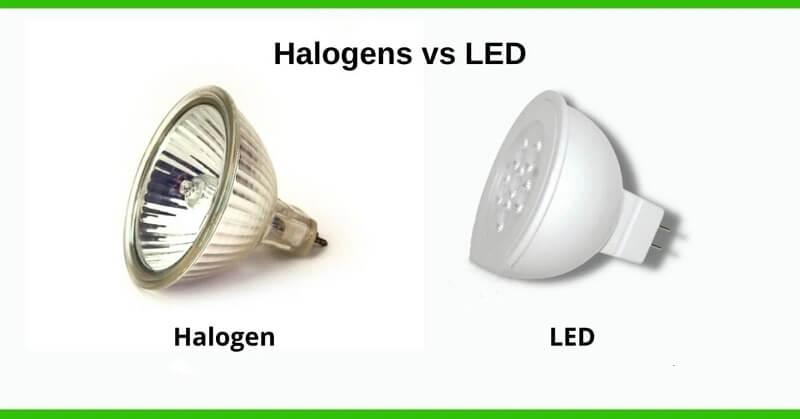
Overview of Halogen and LED Lamps
Halogen and LED lamps are popular choices for lighting. Both have unique features that make them useful in different situations. Let’s take a closer look at each.
Overview of Halogen Lamps
Halogen lamps have been around since the 1950s. They are known for their bright and warm light. This makes them great for activities that need strong lighting, like reading or working.
These lamps work using halogen gas, which helps the bulb last longer than regular incandescent bulbs. Even so, they still need to be replaced more often than LEDs. Halogen bulbs can get very hot, so you have to be careful not to touch them while they are on.
One of the main benefits of halogen lamps is their cost. They are cheaper to buy than LED lamps. But, they do use more energy and can raise your electricity bill.
Halogen lamps also come in many shapes and sizes. This makes them versatile and easy to fit into many light fixtures. You can find them in homes, offices, and even in car headlights.
However, their higher energy use is a downside. They are not the best choice for people looking to save money in the long run or who want a more eco-friendly option.
Overview of LED Lamps
LED lamps, or Light Emitting Diode lamps, started becoming popular in the late 20th century. They are known for their energy efficiency. This means they use less electricity to produce the same amount of light as other bulbs.
LED lamps last much longer than halogen lamps. Some can work for up to 25,000 hours. This makes them a better option for people who don’t want to change their light bulbs often.
Another plus is that LED lamps do not get hot like halogen lamps. This makes them safer to use and less likely to cause burns. They also come in different colors and shades of white light, so you can choose one that fits your needs.
Although LED lamps cost more upfront, they save money over time. Because they use less energy and last longer, your electricity bills will be lower, and you won’t need to buy new bulbs as often.
LED lamps are also better for the environment. They use less power and produce less waste. This makes them a good choice for people who are looking to be more eco-friendly.
Key Features Compared: Halogen Lamp vs. LED Lamp
When choosing between halogen lamps and LED lamps, there are several key features to consider. These features can make a big difference in performance and cost. Let’s look at some of these features to help you decide which one is better for you.
Lifespan
One of the major differences between halogen and LED lamps is how long they last. A halogen lamp typically lasts about 2,000 hours. In comparison, an LED lamp can last up to 25,000 hours.
This means you’ll need to replace halogen bulbs much more often. Over time, this can be inconvenient and costly. On the other hand, LED lamps are built to last, saving you time and money in the long run.
This longevity also means fewer bulbs end up in landfills. So, choosing LED lamps can be better for the environment. If you want fewer trips to the store to buy new bulbs, LED is the way to go.
Energy Efficiency
Energy efficiency is another important factor to think about. Halogen lamps use more power to produce light. This means higher electricity bills.
LED lamps are much more energy-efficient. They use about 80% less energy than halogen lamps. This makes LEDs a better choice for saving money on electricity.
Being energy-efficient also reduces your carbon footprint. If you care about the environment, LED lamps are the better option. They help save energy and protect the planet.
Light Quality
Halogen lamps are known for their bright and warm light. This type of light is good for tasks that need focused lighting, like reading or cooking. However, they can sometimes be too harsh for general lighting.
LED lamps offer a wider range of light colors. You can get LEDs that produce warm light or cool light, depending on your needs. This makes them more versatile for different settings.
According to this expert opinion, many people prefer the quality of light from LED lamps because it can be adjusted to suit different activities. Whether you need bright light for work or soft light for relaxation, LED lamps have options available.
Safety
Safety is another key feature to consider. Halogen lamps can get very hot. This can be a safety hazard, especially if there are children around.
LED lamps, on the other hand, stay cool to the touch. This makes them safer to use in homes and other places. You don’t have to worry about burns or fires.
This safety feature is crucial in reducing risks. If safety is your priority, LED lamps are the better choice. They offer peace of mind along with great lighting.
Cost
The cost of halogen versus LED lamps is also important. Halogen lamps are cheaper to buy initially. You can find them at almost any store.
However, LED lamps, while more expensive upfront, save you money over time. Because they last longer and use less energy, your overall costs will be lower. This makes LEDs a smarter investment in the long run.
Think about not just the initial price, but the lifetime cost. When you factor in electricity bills and replacement costs, LEDs often come out ahead. Investing in LED lamps can be more economical in the long term.
Halogen Lamp vs LED Lamp: Feature Comparison
Halogen and LED lamps have distinct features that can affect your choice for lighting needs. Comparing their features side-by-side can help you decide which is better for you. Below is a detailed comparison of 10 key features.
| Feature | Halogen Lamp | LED Lamp |
|---|---|---|
| Lifespan | 2,000 hours | Up to 25,000 hours |
| Energy Efficiency | Low, uses more energy | High, uses 80% less energy |
| Initial Cost | Cheap | More expensive |
| Heat Emission | High, gets very hot | Low, stays cool |
| Light Quality | Bright and warm | Wide range of colors |
| Size and Shape | Wide variety | Wide variety |
| Environmental Impact | More waste, higher energy use | Less waste, lower energy use |
| Durability | Fragile | Very durable |
| Maintenance | Needs frequent replacement | Rarely needs replacement |
| Safety | High risk of burns | Low risk, safer to touch |
The Good and The Bad of Halogen and LED Lamps
Every light source has its positives and negatives. Halogen and LED lamps are no exceptions. Here’s a look at the good and bad aspects of each type.
| Halogen Lamps | LED Lamps |
|---|---|
| Pros | Cons |
| Provides bright, warm light | More costly upfront |
| Lower initial cost | Much lower energy usage |
| Wide variety of sizes and shapes | Very long lifespan |
| Easy to find and buy | Wide range of colors available |
| Good for focused tasks | Stays cool, safer to touch |
| Cons | Cons |
| Shorter lifespan | Higher upfront cost |
| Uses more energy | Can be too bright for some uses |
| Very hot to the touch | Light quality can vary |
| More frequent replacements | Initial changeover cost can be high |
Price Comparison between Halogen and LED Lamps
The cost of lighting varies depending on whether you choose halogen or LED lamps. Each type has different initial costs and long-term expenses. Let’s compare their prices in more detail.
| Halogen Lamps | LED Lamps |
|---|---|
| Lower initial purchase cost | Higher initial purchase cost |
| Higher energy consumption costs | Lower energy consumption costs |
| More frequent replacement costs | Less frequent replacement costs |
| Cheaper in the short term | Cheaper in the long term |
| Higher total cost over lifespan | Lower total cost over lifespan |
In the Battle of Lamps, Which is Better?
Choosing between halogen lamps and LED lamps can be challenging. Each has its benefits and drawbacks. But when it comes to efficiency, cost, and safety, one clearly stands out.
Halogen lamps are known for their bright, warm light and lower initial cost. However, they use more energy and need to be replaced more often. These factors can make them less ideal in the long run, especially for people who want to save money and energy.
On the other hand, LED lamps are more expensive initially but save money over time. They last much longer and use significantly less energy. This makes them a more cost-effective and environmentally friendly choice.
When you look at the overall picture, LED lamps come out ahead. They provide excellent lighting while being safer and more economical over their lifetime. Here are three reasons why LED lamps are the better choice:
- Longer lifespan means fewer replacements.
- Lower energy consumption saves money on electricity bills.
- Cool to the touch and safer to use.
Frequently Asked Questions
Choosing the right type of lamp can be confusing with so many options available. Here are some frequently asked questions about halogen and LED lamps to help you make an informed decision.
1. What is the lifespan difference between halogen and LED lamps?
Halogen lamps typically last for about 2,000 hours. This makes them less durable compared to their LED counterparts.
LED lamps can last up to 25,000 hours or more. This means fewer replacements and less frequent trips to the store, making LEDs a long-term investment.
2. How do halogen and LED lamps compare in energy efficiency?
Halogen lamps are known for their bright light but are not very energy-efficient. They consume a lot of power, which can result in higher electricity bills.
LED lamps are much more energy-efficient, using about 80% less electricity than halogen lamps. This reduces not only energy consumption but also monthly utility costs.
3. Are LED lamps more expensive than halogen lamps?
Yes, LED lamps generally have a higher initial cost compared to halogen lamps. This upfront price can be a barrier for some consumers.
However, the long-term savings from reduced energy consumption and fewer replacements make LED lamps more cost-effective in the long run.
4. What are the safety differences between halogen and LED lamps?
Halogen lamps get very hot when they are on, increasing the risk of burns and even fire hazards if not used carefully. This can be especially dangerous in homes with children.
LED lamps, on the other hand, generate very little heat. They stay cool to the touch, making them much safer to use in various settings.
5. How do the environmental impacts of halogen and LED lamps compare?
Halogen lamps consume more energy and have a shorter lifespan, leading to greater environmental impact due to more frequent replacements and higher energy use.
LED lamps, with their lower energy usage and longer life, create less waste and reduce overall environmental impact. This makes them a more eco-friendly option.
Halogen Bulb Showdown: H8, H9, H11 – Which Is the Brightest Choice? 💡
Final Thoughts
When it comes to choosing between halogen and LED lamps, there are many factors to consider. Each has its pros and cons, but LEDs generally offer more benefits in terms of energy efficiency and safety. For those looking for a long-term, cost-effective solution, LED lamps are the better choice.
Halogen lamps, though initially less expensive, can end up costing more due to frequent replacements and higher energy consumption. On the other hand, LED lamps, despite their higher upfront cost, bring substantial savings and environmental benefits. Ultimately, the clear winner for most applications is the LED lamp.

I’m Emily Johnson, an affiliate marketer and blogger focused on lamps and lighting. I share honest reviews, simple buying guides, and practical tips. My goal is to help readers choose the right lamp for their space, style, and budget with confidence.