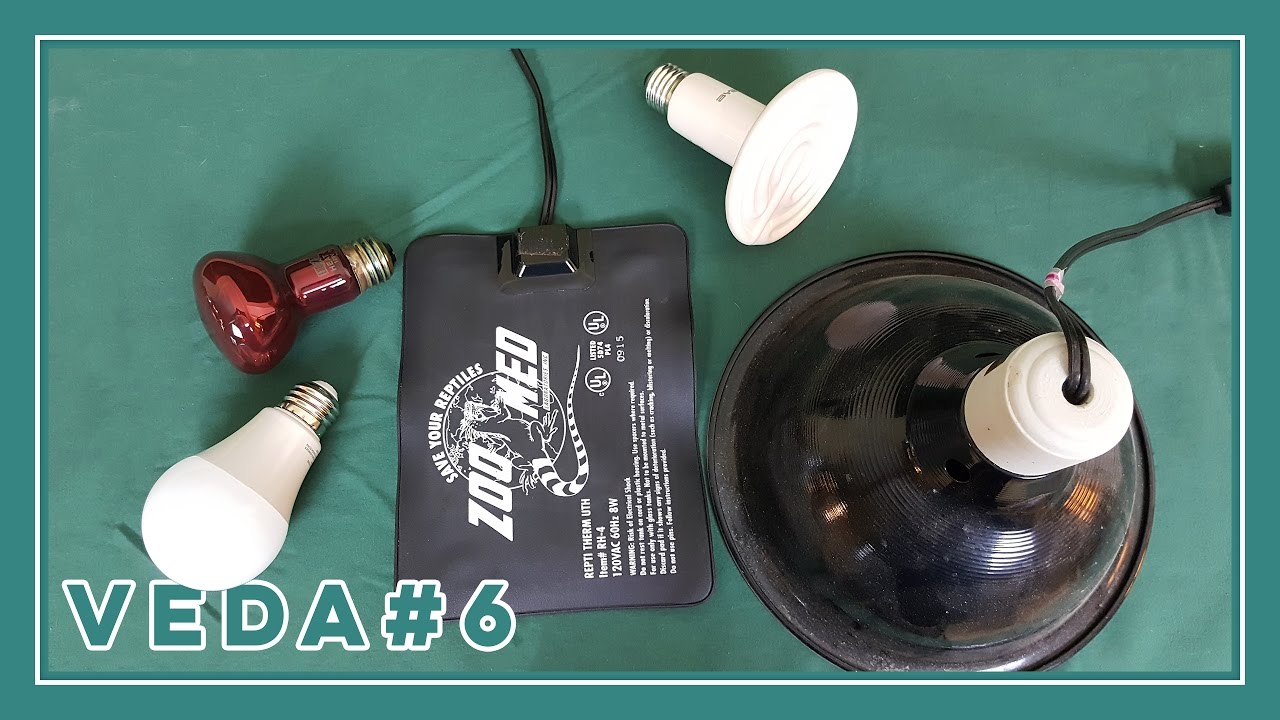
Have you ever considered that the choice between a ceramic heat lamp and a traditional bulb could significantly impact your energy efficiency and long-term costs? This seemingly small decision isn’t just about the immediate heating capability but also about creating the optimal environment for various applications, from reptiles to plant growth. Experts find that ceramic heat lamps, typically known for their durability and longevity, serve specific niche needs better than bulbs.
Historically, traditional bulbs have been favored for their accessibility and lower upfront cost. However, ceramic heat lamps excel in generating consistent heat without emitting light, making them invaluable in situations requiring round-the-clock warmth without disturbing the natural light cycle. Statistics indicate that ceramic heat lamps can last up to 5 times longer than standard incandescent bulbs, offering a sustainable and economically sound solution in the long run.
| Feature | Ceramic Heat Lamp | Bulb |
|---|---|---|
| Heat Production | Produces only heat | Produces heat and light |
| Durability | Long-lasting | Shorter lifespan |
| Energy Efficiency | High efficiency | Less efficient |
| Cost | Higher initial cost | Lower initial cost |
| Safety | Safer in humid conditions | Not moisture-resistant |

Overview of Ceramic Heat Lamps and Bulbs
Ceramic heat lamps and regular bulbs are tools used to provide warmth. Though they seem similar, they have different purposes and strengths. Let’s explore what makes each one unique.
Overview of Ceramic Heat Lamps
Ceramic heat lamps are known for their ability to emit heat without producing light. This makes them perfect for animals needing a warm environment without disrupting their sleep patterns. They are mainly used in reptile habitats.
The ceramic material helps these lamps last longer than regular bulbs. With proper use, they can continue to function efficiently for several years. This durability makes them a preferred choice for many users.
Ceramic heat lamps are also energy efficient. They convert most of the electricity they use into heat, reducing energy wastage. This can help save on electricity bills.
These lamps can be used 24/7 without burning out quickly. They provide consistent heat, which is essential for certain pets and plant growth. Consistency in heat can create a stable environment for various needs.
Another benefit is that they are typically resistant to splashes and moisture. This makes them safer to use in humid environments. Many users appreciate this added safety feature.
Overview of Bulbs
Regular bulbs are commonly found in homes and businesses. They provide both light and heat. This dual function can make them more versatile for different tasks.
Bulbs are generally cheaper than ceramic heat lamps. This lower upfront cost makes them accessible to a wider range of people. They are easy to find in most stores.
However, they don’t last as long as ceramic heat lamps. Over time, they will need to be replaced more frequently. This can add up to higher costs in the long run.
Regular bulbs also produce heat, but they are not as efficient in doing so. Much of the electricity is converted into light rather than heat. This can lead to higher energy bills and less effective heating.
Despite these drawbacks, bulbs are quick and simple to install. They fit standard sockets, making them easy to set up. For many, this convenience is a significant factor in their choice.
Key Features Compared
Ceramic heat lamps and regular bulbs have several important features. Comparing these features can help you decide which one is better for your needs. Let’s look at how they differ in various aspects.
Heat Production
Ceramic heat lamps are designed to produce only heat. They do not give off any light. This is great for animals and plants that need warmth but no light.
Regular bulbs, on the other hand, produce both light and heat. This can be a downside if you only need heat. The light can disturb the natural cycles of animals and plants.
Because ceramic heat lamps focus solely on heat production, they are often more efficient. They convert almost all energy used into heat. According to this expert opinion, this makes them a better choice for consistent heating needs.
Standard bulbs waste some energy creating light. This leftover energy is not useful if you only need heat. Therefore, they are less efficient in heat-only situations.
Durability
Ceramic heat lamps are known to last longer than regular bulbs. They are built to endure continuous use. Many people find them to be a long-term investment.
Regular bulbs have a shorter lifespan. They often need to be replaced more frequently. This can lead to higher costs over time.
Ceramic heat lamps are also more resistant to moisture. This makes them safer in humid environments. You can use them in places where regular bulbs might fail.
Standard bulbs are not as sturdy in wet conditions. They can break or stop working if exposed to moisture. This makes them less reliable in certain settings.
Energy Efficiency
Ceramic heat lamps are designed to be energy-efficient. They save more electricity by focusing on heat production. This can lower your energy bills.
Regular bulbs are less energy-efficient. They convert a lot of electricity into light instead of heat. This means they use more power to do the same job.
Ceramic heat lamps waste very little energy. Almost all the power they use goes into producing heat. This makes them a greener option.
Standard bulbs are less environmentally friendly. They waste a good amount of energy. So, they are not as efficient for heating purposes.
Light Emission
Ceramic heat lamps emit no light, only heat. This is perfect for reptiles and other animals that do not need light. It helps maintain their natural cycles.
Regular bulbs give off light along with heat. This can disturb animals’ day-night cycles. It is not always ideal for pets or plants.
Many pet owners prefer ceramic heat lamps for this reason. They provide a stable heat source without disrupting light patterns. This is crucial for the well-being of many pets and plants.
On the other hand, the light from regular bulbs can be useful for other purposes. If you need both light and heat, they might be a good option. But for specialized needs, ceramic lamps are better.
Safety
Ceramic heat lamps are usually safer to use. They are designed to handle higher temperatures. This reduces the risk of overheating.
Regular bulbs can get very hot and may cause burns. They are also more fragile. This can be a safety concern in some cases.
Users often trust ceramic heat lamps for prolonged use. They are less likely to break under continuous heat. This makes them a safer option for many.
Regular bulbs need more careful handling. They can shatter if not used properly. The risk of burn injury is also higher.
Ceramic Heat Lamp vs Bulb: Feature Comparison
When choosing between a ceramic heat lamp and a regular bulb, it’s important to compare their features. This helps you decide which one fits your needs best. Here’s a detailed comparison in a table format.
| Feature | Ceramic Heat Lamp | Bulb |
|---|---|---|
| Heat Production | Produces only heat | Produces both heat and light |
| Light Emission | No light | Emits light |
| Durability | Long-lasting | Shorter lifespan |
| Energy Efficiency | High efficiency | Less efficient |
| Cost | More expensive upfront | Cheaper upfront |
| Safety | Safer in humid conditions | Higher risk of breaking |
| Usage Environment | Ideal for reptile habitats | General use |
| Installation | Requires specific fixtures | Fits standard sockets |
| Energy Waste | Minimal waste | Higher waste |
| Maintenance | Less frequent replacement | More frequent replacement |
The Good and The Bad
When considering ceramic heat lamps versus regular bulbs, there are clear pros and cons. Let’s break down the strengths and weaknesses of each. This will help you make a more informed decision.
| Pros | Cons |
|---|---|
| Produces only heat | More expensive upfront |
| No light emission | Requires specific fixtures |
| Long-lasting | Initial cost higher |
| High energy efficiency | Not as versatile |
| Safer in humid conditions | Less accessible |
Price Comparison
Comparing the prices of ceramic heat lamps and regular bulbs can help you decide which is cost-effective. Here’s a table to compare their costs side by side. This will provide a clearer picture of the financial impact.
| Ceramic Heat Lamp | Bulb |
|---|---|
| Higher initial cost | Lower initial cost |
| Lasts longer | Shorter lifespan |
| More energy efficient | Less energy efficient |
| Less frequent replacements needed | Frequent replacements needed |
| Overall lower cost over time | Higher cost over time |
Frequently Asked Questions
Choosing between a ceramic heat lamp and a regular bulb can be complex. Here are some frequently asked questions to help you make an informed decision. Each question delves into key considerations for making the best choice.
1. What are the primary uses for ceramic heat lamps?
Ceramic heat lamps are primarily used to provide a heat source without emitting light. This makes them ideal for reptile habitats, where consistent, non-disruptive warmth is needed.
They are also excellent for plant growth and pet habitats that require nocturnal temperature control. The absence of light ensures that the natural day-night cycle is not disturbed.
2. How do ceramic heat lamps and bulbs compare in terms of energy efficiency?
Ceramic heat lamps are more energy-efficient when it comes to producing heat. They convert almost all the electrical energy into heat, minimizing waste.
Regular bulbs, however, waste a significant portion of energy on light production. This makes them less efficient if you need only heat, leading to higher energy costs over time.
3. Are ceramic heat lamps safer to use than regular bulbs?
In many cases, ceramic heat lamps are safer than regular bulbs, especially in humid environments. They are designed to be moisture-resistant, reducing the risk of electrical hazards.
Regular bulbs, on the other hand, can be more fragile and less reliable in wet conditions. They are also more prone to breaking, which can lead to safety concerns.
4. How long do ceramic heat lamps last compared to regular bulbs?
Ceramic heat lamps generally have a much longer lifespan than regular bulbs. They are built to withstand continuous use, often lasting several years.
Regular bulbs need to be replaced more frequently, leading to higher long-term costs. The frequent need for replacement can be inconvenient and costlier over time.
5. What types of installations work best with ceramic heat lamps?
Ceramic heat lamps require specific fixtures designed to handle their heat output and non-light-emitting nature. These fixtures are often more robust and specialized.
Regular bulbs, however, fit standard sockets and can be installed more quickly and easily. This can be more convenient for general use, though it may not provide the optimal heating solution for specific needs.
Comparing ceramic heat lamp light bulbs in degrees for raising baby chicks, fowl or reptiles.
Conclusion
In deciding between a ceramic heat lamp and a regular bulb, it’s essential to consider your specific needs. Each has its strengths, whether in energy efficiency, safety, or durability. Both serve unique purposes in providing heat and light.
Ultimately, the right choice depends on your particular application. For consistent, light-free warmth, ceramic heat lamps are often superior. Regular bulbs, however, offer versatility and ease of use for general heating and lighting needs.

I’m Emily Johnson, an affiliate marketer and blogger focused on lamps and lighting. I share honest reviews, simple buying guides, and practical tips. My goal is to help readers choose the right lamp for their space, style, and budget with confidence.