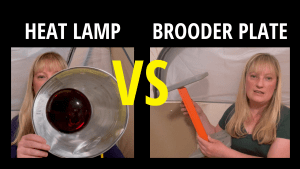
Is it possible that a simple change in brooding technology could significantly reduce mortality rates in poultry? Studies have shown that using a brooder plate dramatically lowers the incidence of fire hazards compared to traditional heat lamps. This is due to the brooder plate mimicking the natural warmth of a mother hen, providing consistent heat without the risks associated with open bulbs.
Brooding with heat lamps has been a longstanding tradition, rooted in decades of practice within the poultry industry. Yet, brooder plates offer an efficient alternative, drawing only around 14 watts of electricity compared to the 250 watts consumed by standard heat lamps. This not only translates to lower operational costs but also promotes safer, more natural chick development.
| Feature | Brooder Plate | Heat Lamp |
|---|---|---|
| Energy Usage | 14 watts | 250 watts |
| Safety | Low fire risk | High fire risk |
| Heat Distribution | Even, from plate surface | Concentrated under lamp |
| Maintenance | Low maintenance | Frequent cleaning needed |
| Initial Cost | $30-$70 | $10-$20 |
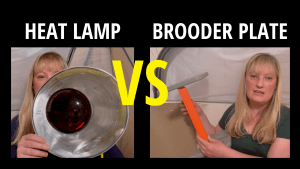
Overview of Brooder Plate and Heat Lamp
A brooder plate and a heat lamp are two popular ways to keep chicks warm. Both provide essential heat but work in different ways. Let’s explore each one.
Overview of Brooder Plate
A brooder plate mimics the warmth of a mother hen. It provides gentle heat from above, making chicks feel safe. This method is more natural for the chicks.
Brooder plates are energy-efficient. They use less electricity compared to heat lamps. This can save money in the long run.
One of the best features is safety. There is less risk of fire compared to using heat lamps. This makes brooder plates a safer option.
Brooder plates are easy to set up. You just place it at a height that chicks can reach. Adjust the height as they grow.
This method keeps chicks warm and comfortable. Their behavior tends to be quieter and less stressed. Brooder plates are a great choice for many farmers.
Overview of Heat Lamp
A heat lamp is often used in chicken coops. It hangs above the chicks and radiates heat. This helps keep the area warm and cozy.
Heat lamps are powerful and can cover larger areas. This is good if you have many chicks. They can gather under it to stay warm.
However, heat lamps use a lot of electricity. They consume much more power compared to brooder plates. This can lead to higher energy bills.
There are some safety concerns with heat lamps. Because they can get very hot, there’s a risk of fire. Proper installation and safety checks are essential.
Despite safety concerns, heat lamps are easy to find. Many farmers are familiar with using them. They remain a common choice for keeping chicks warm.
Key Features Compared
Brooder plates and heat lamps have distinct features that set them apart. Understanding these differences helps you choose the best option for your chicks. Let’s compare five key features.
Energy Usage
Brooder plates use less electricity. They typically run on 14 watts. This makes them more energy-efficient.
Heat lamps, on the other hand, consume about 250 watts. That’s much higher than brooder plates. This can lead to bigger energy bills.
Choosing a brooder plate can save money in the long run. It’s also better for the environment. Using less energy is always a plus.
According to this expert opinion, many farmers prefer brooder plates for their energy savings.
Overall, brooder plates are the winner in terms of energy usage. They offer a cost-effective solution for keeping chicks warm.
Safety
Brooder plates are generally safer. They pose less risk of fire. The heat is gentle and controlled.
Heat lamps can become very hot. This increases the chance of fire. It’s important to install them correctly.
Many farmers worry about safety issues with heat lamps. Fires can start if the lamp falls or gets too close to other materials. This makes them a bit riskier.
If safety is a top concern, brooder plates are a better choice. They provide peace of mind for farmers.
So, brooder plates win in terms of safety. They offer a safer environment for your chicks.
Heat Distribution
Brooder plates provide even heat. They mimic the warmth of a mother hen. This helps chicks feel secure and comfortable.
Heat lamps create a warmer area directly beneath them. Chicks can move in and out of this warm zone. This is helpful if you have many chicks.
Brooder plates distribute heat evenly across their surface. Chicks huddle underneath like they would with a real hen.
Heat lamps can leave colder spots in the brooder. Chicks may crowd under the lamp for warmth, sometimes leading to overcrowding.
For consistent heat, brooder plates are the better option. They help maintain a stable environment for your chicks.
Maintenance
Brooder plates are low-maintenance. They require minimal cleaning. You just need to wipe them down regularly.
Heat lamps can be more demanding. You need to check them often. Dust and debris can accumulate on the bulb.
Cleaning and maintaining a heat lamp can be time-consuming. Ensuring the bulb is free from dust is crucial for safety.
Brooder plates have fewer parts. This makes them easier to maintain. There’s no bulb to replace.
If you prefer less hassle, brooder plates are the way to go. They simplify the maintenance process.
Initial Cost
The initial cost of brooder plates can be higher. They are priced between $30 and $70. This might seem expensive at first.
Heat lamps are usually cheaper upfront. You can find one for around $10 to $20. This makes them more accessible for new farmers.
However, the long-term costs favor brooder plates. They save money on electricity bills. This can offset the initial expense.
Heat lamps might cost less initially, but their energy consumption adds up. Over time, brooder plates can be the more economical choice.
Considering both short-term and long-term costs is important. Brooder plates might save you more money in the end.
Brooder Plate versus Heat Lamp: Feature Comparison
When deciding between a brooder plate and a heat lamp, it’s important to compare their key features. This helps ensure you choose the best option for your poultry needs. Here’s a detailed comparison of both.
| Feature | Brooder Plate | Heat Lamp |
|---|---|---|
| Energy Usage | 14 watts | 250 watts |
| Safety | Low fire risk | High fire risk |
| Heat Distribution | Even, from plate surface | Concentrated under lamp |
| Maintenance | Low maintenance | Frequent cleaning needed |
| Initial Cost | $30-$70 | $10-$20 |
| Operational Cost | Low | High |
| Setup | Easy to set up | Requires careful installation |
| Comfort for Chicks | Feels like mother hen | Warm area underneath |
| Durability | Long-lasting | Bulbs may need replacement |
| Availability | Becoming more common | Readily available |
The Good and The Bad
Every product has its pros and cons. This table highlights the good and bad aspects of both brooder plates and heat lamps. This will help you make an informed decision.
| Pros | Cons |
|---|---|
| Brooder Plate: Energy-efficient | Brooder Plate: Higher initial cost |
| Heat Lamp: Lower upfront cost | Heat Lamp: High energy consumption |
| Brooder Plate: Safer, lower fire risk | Heat Lamp: Potential fire hazard |
| Heat Lamp: Covers larger area | Brooder Plate: Smaller coverage area |
| Brooder Plate: More natural for chicks | Heat Lamp: Frequent bulb replacement |
Price Comparison
Price is an important factor when choosing between a brooder plate and a heat lamp. This table compares their costs. This will help you understand the financial aspects of each option.
| Brooder Plate | Heat Lamp |
|---|---|
| Initial Cost: $30-$70 | Initial Cost: $10-$20 |
| Energy Cost: Low | Energy Cost: High |
| Maintenance Cost: Low | Maintenance Cost: Moderate |
| Long-term Savings: High | Long-term Savings: Low |
| Replacement Cost: Rarely needed | Replacement Cost: Frequent bulb changes |
Which Is Better?
When deciding between a brooder plate and a heat lamp, consider various factors like cost, safety, and energy usage. Both options have their advantages and disadvantages. Understanding your needs will help you make an informed choice.
Brooder plates offer consistent, gentle heat, which is closer to what a mother hen provides. They use less energy, making them more cost-effective in the long run. They also pose a lower fire risk, adding an extra layer of safety.
Heat lamps, on the other hand, are cheaper up front and can cover larger areas. However, they consume more electricity and can be a fire hazard if not installed correctly. They are also more maintenance-intensive since the bulbs need to be checked and replaced regularly.
Overall, if safety, energy efficiency, and long-term savings are important to you, the brooder plate emerges as the better option. Here are three key reasons:
- Energy Efficiency: Brooder plates use significantly less power, reducing your electricity bills.
- Safety: Lower fire risk makes brooder plates a safer choice for your chicks.
- Long-term Cost: Although they have a higher initial cost, brooder plates save money over time due to lower energy consumption and fewer replacements.
Frequently Asked Questions
Choosing between a brooder plate and a heat lamp can be a critical decision for poultry farmers. Here are some frequently asked questions to help guide your choice, providing insights into both options.
1. What are the primary safety concerns with heat lamps?
Heat lamps can become extremely hot, posing a significant fire risk if not installed correctly. The intense heat may also lead to burns or overheating, especially if the lamp falls or comes too close to flammable materials.
Regular safety checks and proper installation are crucial to minimize these risks. Using guards and installing the lamp securely can help prevent accidents.
2. How does the energy consumption of brooder plates compare to heat lamps?
Brooder plates are much more energy-efficient, typically using around 14 watts of power. In contrast, heat lamps consume approximately 250 watts, leading to higher energy bills.
Opting for a brooder plate can result in significant long-term savings. The lower energy usage also has a smaller environmental impact.
3. Which option provides a more natural environment for chicks?
Brooder plates replicate the warmth of a mother hen, offering a more natural heat source. Chicks can huddle under the plate, mimicking the behavior they would exhibit with a real hen.
This natural setup promotes calmer and less stressed chicks. Heat lamps, while effective, do not mimic this natural warmth as closely.
4. Are brooder plates easier to maintain than heat lamps?
Brooder plates are generally low-maintenance, requiring only occasional cleaning. There are no bulbs to replace, and the simplicity of their design makes them easy to use.
Heat lamps need more regular upkeep, including cleaning the bulbs and checking for dust buildup. Frequent bulb replacements are also necessary, adding to the overall maintenance effort.
5. How do the upfront costs of brooder plates and heat lamps differ?
Brooder plates generally have a higher initial cost, ranging from $30 to $70. Heat lamps are usually more affordable upfront, costing about $10 to $20.
However, the long-term operational costs of heat lamps are higher due to their energy consumption and maintenance needs. Brooder plates may offer more value over time despite the higher initial investment.
Heat Lamp or Brooder Plate? You Decide!
Conclusion
Choosing between a brooder plate and a heat lamp involves weighing many factors, including safety, energy usage, and cost. A brooder plate offers a safer, more energy-efficient option that mimics the natural warmth of a mother hen. This can result in calmer, less stressed chicks.
On the other hand, heat lamps are cost-effective up front and can cover larger areas. However, they come with higher energy bills and maintenance needs. Ultimately, the decision hinges on what best fits your specific needs and operational budget.

I’m Emily Johnson, an affiliate marketer and blogger focused on lamps and lighting. I share honest reviews, simple buying guides, and practical tips. My goal is to help readers choose the right lamp for their space, style, and budget with confidence.