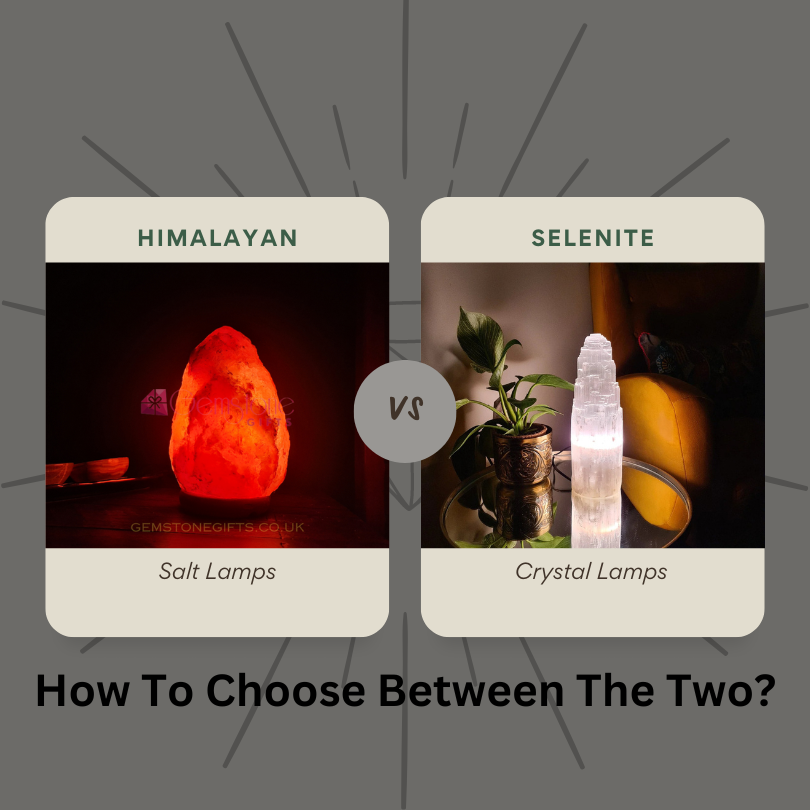
When discussing the subtleties of lighting and atmosphere in a room, one might not initially think of salt lamps. Yet, these unique fixtures offer more than just a warm, amber glow; they promise a touch of nature’s therapeutic essence. Interestingly, not all salt lamps are created equal, with significant differences between standard salt lamps and their Himalayan counterparts.
Himalayan salt lamps, harvested from ancient salt mines in the Punjab region of Pakistan, often overshadow regular salt lamps with their purported health benefits and striking pinkish hue. These lamps are believed to emit negative ions, which can potentially improve air quality and boost mood. Their historical roots trace back over 250 million years, making them not just modern decor but a slice of geological history in every home.
| Feature | Salt Lamps | Himalayan Salt Lamps |
|---|---|---|
| Origin | Various salt mines | Himalayan Mountains, Pakistan |
| Color | White, light pink | Pink to orange-red |
| Health Claims | Releases negative ions | Also releases negative ions, with more minerals |
| Price | Generally affordable | Typically more expensive |
| Aesthetic Appeal | Simple and minimalistic | Unique and decorative |
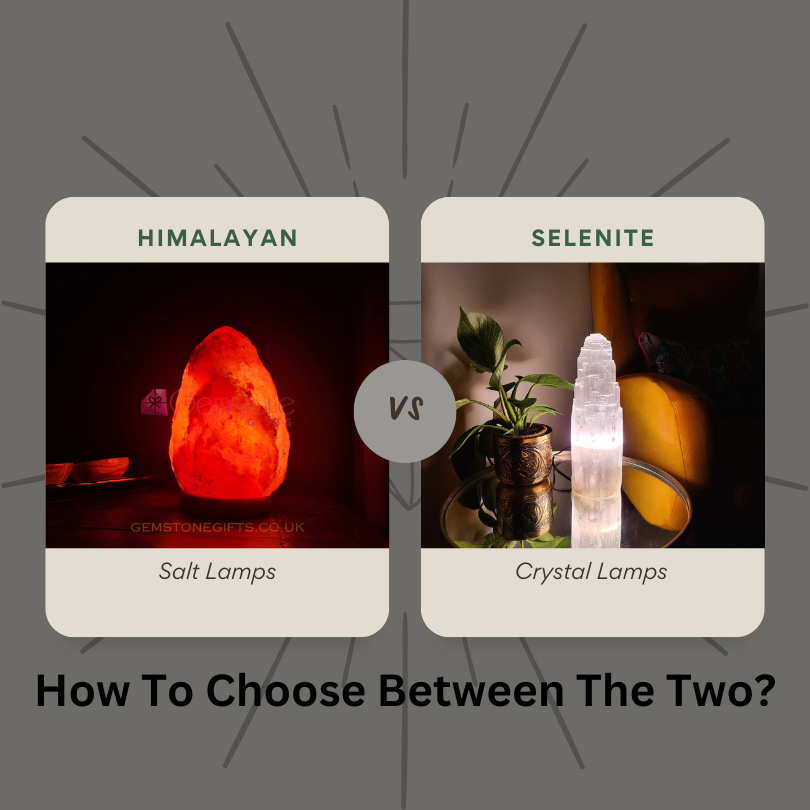
Overview of Salt Lamps and Himalayan Salt Lamps
Salt lamps and Himalayan salt lamps are popular for their warm light and potential health benefits. While they look similar, there are important differences between the two. Let’s explore what sets them apart.
Overview of Salt Lamps
Salt lamps are made from large pieces of salt. They are hollowed out so a light bulb can fit inside. The light makes the salt glow warmly.
People use salt lamps to make rooms look nice and cozy. The warm light helps create a relaxing atmosphere. It is perfect for bedrooms or living rooms.
Some say salt lamps help clean the air. The idea is that they release negative ions, which can trap dust and allergens. However, not everyone agrees on this.
Salt lamps come in many shapes and sizes. You can find them shaped like pyramids, domes, or simple chunks of salt. This allows for many decorating options.
They are usually affordable. Depending on the size and design, prices can vary. Even so, you don’t need to spend too much to enjoy their warm glow.
Overview of Himalayan Salt Lamps
Himalayan salt lamps are special because they are made from salt found in the Himalayan mountains. This salt often has a pinkish color due to minerals. These lamps are known for their unique beauty.
The pink salt is not only pretty but also historic. It is over 250 million years old. This makes Himalayan salt lamps a piece of history for your home.
Many believe Himalayan salt lamps offer health benefits. Like regular salt lamps, they are said to release negative ions. This can help improve air quality.
Himalayan salt lamps are a bit more expensive than regular salt lamps. This is because they are made from rare and unique salt. However, many think the extra cost is worth it.
These lamps can also be found in different shapes and sizes. Some are rough and natural-looking, while others are more polished. Each style can fit different types of decor.
Key Features Compared
Salt lamps and Himalayan salt lamps have many similarities but also some important differences. Let’s compare their key features to understand what sets them apart. We’ll dive into appearance, health benefits, light quality, maintenance, and price.
Appearance
Regular salt lamps are often simple. They usually come in white or light pink colors. Their shapes can vary, from smooth spheres to rough chunks.
Himalayan salt lamps, on the other hand, are famous for their natural pinkish-orange hue. This color is due to minerals trapped inside the salt. These lamps often have a rugged, natural look.
While both types of lamps can be beautiful, Himalayan salt lamps are often considered more striking. Their unique colors and shapes make them popular in home décor. According to this resource, many people choose them for their aesthetic appeal alone.
If you’re keen on adding a special touch to your room, a Himalayan salt lamp might be the way to go. However, for a minimalist look, a regular salt lamp can be just as effective.
Health Benefits
Many people believe salt lamps offer health benefits. They are said to release negative ions. Negative ions can help trap pollutants and allergens in the air.
Himalayan salt lamps are often claimed to be better at this. Their unique salt composition may release more negative ions. However, scientific evidence supporting these claims is limited.
Both types of lamps can help create a calm atmosphere. They are often used in places like yoga studios or meditation rooms. The warm, soft light is relaxing.
It’s important to note these health claims. While many users report positive effects, more research is needed. Always use salt lamps as a complement to other health practices.
Light Quality
Both salt lamps and Himalayan salt lamps emit a warm, amber light. This creates a cozy and relaxing atmosphere. It’s perfect for winding down at the end of the day.
The light quality is generally the same. However, Himalayan salt lamps may have a richer color. This can enhance the mood even more.
Salt lamps are not meant to be bright lights. They provide a soft glow rather than strong illumination. This makes them ideal for night lights or ambient lighting.
The light from these lamps can help reduce eye strain. It’s gentle and easy on the eyes. This is especially useful in bedrooms or living spaces.
Maintenance
Maintaining salt lamps is quite easy. You just need to keep them dry. Water can dissolve the salt and damage the lamp.
Himalayan salt lamps require the same care. They can also attract moisture. It’s important to keep them in a dry place.
You might need to wipe them down occasionally. Use a dry cloth to clean off any dust. Avoid using water or cleaning solutions.
If your lamp gets too wet, it might start to melt. Always be careful with liquids around salt lamps. Placement is key for keeping your lamp in good condition.
Price
Regular salt lamps are usually cheaper. They are more widely available. This makes them a cost-effective choice.
Himalayan salt lamps tend to be pricier. This is because they are made from rare, unique salt. The price can vary based on size and quality.
While Himalayan lamps might cost more, many people find them worth the investment. Their unique look and potential benefits can justify the price. However, a regular salt lamp can still offer a warm glow at a lower cost.
If budget is a concern, a regular salt lamp is a good option. For those willing to spend a bit more, a Himalayan salt lamp offers a special touch. Think about what works best for your needs and preferences.
Salt Lamps vs Himalayan Salt Lamps: Feature Comparison
Salt lamps and Himalayan salt lamps offer similar benefits but differ in some key areas. This table compares 10 essential features to help you decide which one fits your needs best. Let’s take a closer look at the differences and similarities.
| Feature | Salt Lamps | Himalayan Salt Lamps |
|---|---|---|
| Origin | Various salt mines | Himalayan Mountains, Pakistan |
| Color | White, light pink | Pink to orange-red |
| Health Claims | Releases negative ions | Also releases negative ions, with more minerals |
| Aesthetic Appeal | Simple and minimalistic | Unique and decorative |
| Light Quality | Warm, gentle glow | Richer, warmer glow |
| Price | Generally affordable | Typically more expensive |
| Availability | Widely available | Less common |
| Shapes | Smooth spheres or rough chunks | Mostly rough, natural shapes |
| Maintenance | Keep dry, wipe with a dry cloth | Same as salt lamps; keep dry |
| Age of Salt | Varies | 250 million years old |
The Good and The Bad
Salt lamps and Himalayan salt lamps each have their pros and cons. Understanding these can help you decide which is best for you. Let’s take a look at both the good and the bad for each type.
| Pros | Cons |
|---|---|
| Creates a warm, cozy atmosphere | Can be fragile and easily chipped |
| May help reduce air pollutants | Health benefits are not scientifically proven |
| Aesthetic appeal enhances home decor | Can attract moisture in humid environments |
| Comes in various shapes and sizes | Requires regular maintenance (keeping dry) |
| Affordable options available | Himalayan salt lamps can be expensive |
Price Comparison
When it comes to cost, salt lamps and Himalayan salt lamps can vary quite a bit. Understanding the price differences can help you make the best choice for your budget. Let’s compare the prices of these two options.
| Salt Lamps | Himalayan Salt Lamps |
|---|---|
| $10 – $30 (small size) | $20 – $50 (small size) |
| $30 – $60 (medium size) | $50 – $80 (medium size) |
| $60 – $100 (large size) | $80 – $150 (large size) |
| More affordable, widely available | More expensive, less common |
| Price depends on design and size | Price depends on rarity and size |
Which Is Better?
Choosing between a salt lamp and a Himalayan salt lamp can be tricky. Both bring a warm, cozy light to any room and have their own unique features. Understanding what you value most can help you make the best choice.
If you are on a budget, a regular salt lamp might be more suitable. These lamps are generally more affordable and still provide the same gentle, warm glow. They come in various shapes and sizes, making it easy to find one that fits your style.
On the other hand, if you’re looking for something unique and don’t mind spending a bit more, a Himalayan salt lamp could be the way to go. These lamps are known for their beautiful pinkish color and historical background. They also have a distinct look that can serve as a conversation piece in your home.
While both types offer potential benefits, the perfect choice depends on your needs and preferences. Here are three reasons why a Himalayan salt lamp might be the better option:
- Unique appearance: The pinkish hue and rugged look make it stand out as a decorative piece.
- Potential for more health benefits: Some believe its unique salt composition provides extra benefits.
- Historical value: Owning a piece of 250-million-year-old salt adds a special touch to your home.
Frequently Asked Questions
The topic of salt lamps, particularly the differences between regular and Himalayan salt lamps, raises many interesting questions. Here, we address some of the most common inquiries to provide you with clear, expert insights.
1. What are the main benefits of using salt lamps?
Salt lamps are popular for their ability to create a soothing and inviting atmosphere. The warm, amber light helps to enhance relaxation, making them ideal for use in bedrooms or living rooms.
In addition to aesthetic benefits, many people believe that salt lamps can improve air quality. They are said to release negative ions, which may help to trap dust and allergens, although scientific evidence supporting these claims is limited.
2. How can you tell if a Himalayan salt lamp is authentic?
An authentic Himalayan salt lamp will typically have a distinctive pinkish-orange hue, which comes from the unique mineral content of the salt. The color should be varied and not uniform, indicating a natural formation.
Additionally, genuine Himalayan salt lamps tend to be heavier and less perfectly shaped compared to fake ones. They also often come with documentation certifying their origin from the Punjab region of Pakistan.
3. Do Himalayan salt lamps require special maintenance?
Both Himalayan salt lamps and regular salt lamps require minimal maintenance, but they do need to be kept dry. Exposure to moisture can cause the salt to dissolve or become damaged.
Occasionally, you should wipe the lamp down with a dry cloth to remove any dust. Avoid using water or cleaning solutions to ensure the salt lamp stays in good condition.
4. Are there any health risks associated with salt lamps?
Generally, salt lamps are considered safe for most people when used as intended. The primary safety concern is ensuring they are used away from moisture to prevent deterioration of the salt.
However, there is limited scientific evidence to support many of the health benefit claims associated with salt lamps. They should not be relied upon as a primary method for improving air quality or health.
5. How do you choose the right size salt lamp for your space?
The size of the salt lamp you choose should be proportional to the space in which it will be used. Smaller lamps are best suited for small rooms or as nightlights, while larger lamps can have a dramatic impact in bigger spaces.
For a medium-sized room, a lamp weighing between 6-10 pounds is usually sufficient. For larger areas, consider lamps weighing 11 pounds or more to ensure they provide enough light and presence in the room.
Himalayan Salt Lamps: Real or Fake and How I use them
Conclusion
In summary, both salt lamps and Himalayan salt lamps offer their own set of benefits and unique characteristics. Regular salt lamps are affordable and widely available, making them a versatile choice for any home. Conversely, Himalayan salt lamps add a touch of natural beauty and historical significance but come at a higher price.
Ultimately, the best choice depends on your specific needs and preferences. Whether you choose a regular salt lamp for its simplicity or a Himalayan salt lamp for its unique appeal, both options can enhance the ambiance of your space. Your decision should reflect what matters most to you, whether it’s cost, aesthetics, or potential health benefits.

I’m Emily Johnson, an affiliate marketer and blogger focused on lamps and lighting. I share honest reviews, simple buying guides, and practical tips. My goal is to help readers choose the right lamp for their space, style, and budget with confidence.