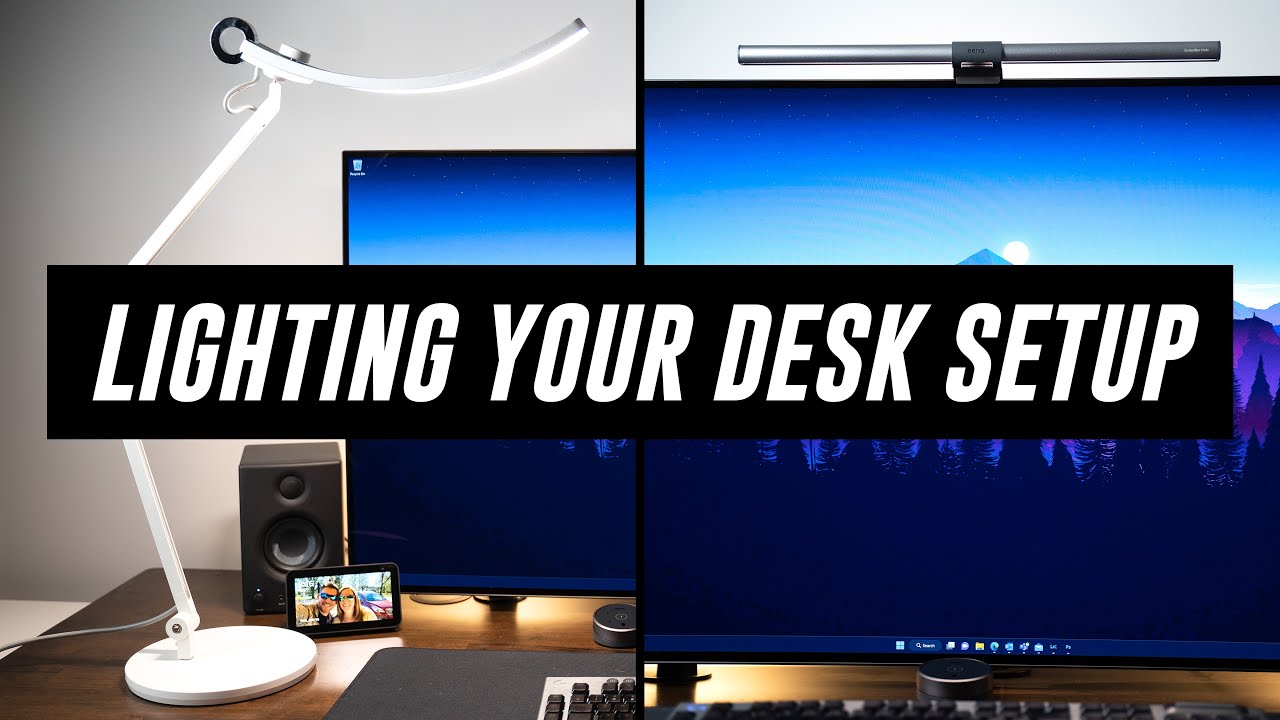
The way we illuminate our workspaces has a significant impact on productivity and eye health. In recent years, the debate between traditional desk lamps and modern screenbars has intensified. This evolution in lighting solutions often leaves experts examining the best option for optimal workspace setup.
Screenbars, a relatively new entrant, offer targeted lighting without causing screen glare, a common issue with desk lamps. On the other hand, desk lamps have a long history of providing adjustable lighting for a range of tasks. An interesting statistic reveals that 70% of screenbar users report reduced eye strain. This suggests a potential shift towards more innovative lighting solutions in professional environments.
| Feature | Screenbar | Desk Lamp |
|---|---|---|
| Lighting Quality | Focused, anti-glare light | Adjustable, versatile light |
| Space Utilization | Minimal desk space | Requires desk space |
| Ease of Use | Touch controls | Manual or touch controls |
| Energy Efficiency | LED, very efficient | LED, efficient |
| Versatility | Best for computer work | Multiple tasks |
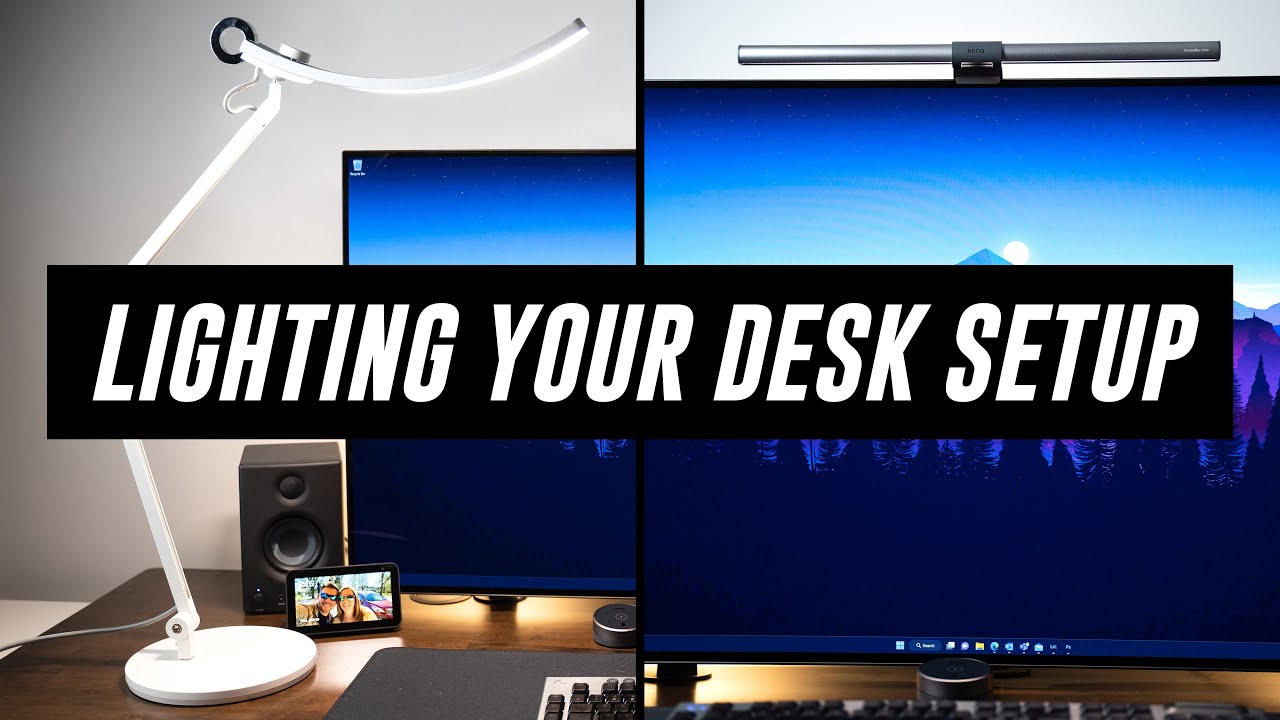
Overview of Screenbar and Desk Lamp
Lighting is essential for a well-organized workspace. Screenbars and desk lamps are popular lighting options. Let’s explore what makes each unique.
Overview of Screenbar
A screenbar is a new kind of light designed for people who work on computers. It sits on top of the monitor and shines light on the desk without creating glare on the screen. This makes it perfect for computer work.
Screenbars are compact and save space compared to traditional desk lamps. They don’t take up any space on your desk. This design is great for small work areas.
Many people like screenbars because they are easy to use. You can turn them on and off with a touch or a simple button. Some models even have features like dimming or blue light filters to reduce eye strain.
Screenbars are also energy-efficient. They use LED lights which consume less power. This makes them a great option for energy-conscious users.
However, screenbars might not be suitable for every task. They focus more on lighting your desk area rather than the whole room. This can limit their usefulness for tasks that need more light.
Overview of Desk Lamp
Desk lamps have been around for a long time and they are very flexible. You can move them around and adjust the light to point where you need it. This makes them ideal for various tasks like reading or crafting.
One of the best things about desk lamps is their versatility. There are many styles, sizes, and types of bulbs to choose from. This means you can find one that matches your room decor and lighting needs.
Many modern desk lamps come with advanced features. Some have touch controls, USB ports for charging devices, or even wireless charging pads. These features add extra convenience to your workspace.
Desk lamps can provide strong, focused light. This can help reduce eye strain during long reading or study sessions. Just like screenbars, many desk lamps use LED bulbs, which are energy-efficient.
However, desk lamps do have some downsides. They can take up valuable desk space and create clutter. Bulky models might not fit well in small or minimalist work setups.
Key Features Compared: Screenbar vs Desk Lamp
When choosing between a screenbar and a desk lamp, it’s important to look at their key features. Let’s compare some of the most important aspects to help you decide which one is right for your workspace.
Lighting Quality
A screenbar provides focused light directly on your desk without creating glare on your computer screen. This is perfect for those who spend a lot of time in front of a monitor. It helps reduce eye strain.
Desk lamps, on the other hand, offer more adjustable and stronger light. You can move the lamp to direct the light exactly where you need it. This makes them versatile for various tasks like reading or crafting.
Both options often use LED bulbs, which provide bright and consistent light. LEDs are also energy-efficient, making them good for reducing electricity bills. However, the placement and adjustability options differ between the two.
According to this expert opinion, people with sensitive eyes might prefer screenbars for their anti-glare feature. Desk lamps, meanwhile, offer a broader range of light intensities and settings.
Space Utilization
Screenbars are designed to take up minimal space. They clip onto the top of your monitor, which means your desk stays clear. This is great for small or crowded work areas.
Desk lamps require some space on your desk. Depending on the design, this could be a small footprint or a larger one. Some people prefer having a desk lamp with a specific look and function.
Screenbars free up desk space for other items. For people who need lots of room for their work, this can be a big plus. Desk lamps can be a bit bulky, especially older models.
Choosing between them may depend on how much desk space you need. If space is a concern, you might lean towards a screenbar instead of a traditional desk lamp.
Ease of Use
Screenbars typically have simple touch controls. You can turn them on and off or adjust the brightness with a touch. Some even come with auto-dimming features.
Desk lamps often have more manual controls. You may turn a knob or flip a switch to control the light. Some modern models come with touch controls too.
Both options can be user-friendly. However, desk lamps often offer more control over the light’s direction. This makes desk lamps more adjustable for different tasks.
Screenbars are often simpler with fewer adjustable parts. This can make them easier to use daily, especially for those who prefer a straightforward setup.
Versatility
Screenbars are mainly designed for use with computers. They are best for lighting up keyboard and desk space. Their specialized use limits their versatility.
Desk lamps are versatile and can be used for many tasks. You can use them for reading, drawing, sewing, and more. The adjustable neck makes it easy to direct light where needed.
For general use, desk lamps are more versatile. They provide broader lighting options. Screenbars, while specialized, excel in their focused application.
Choosing based on versatility depends on your primary need. If you need more general lighting, a desk lamp is likely the better choice.
Energy Efficiency
Both screenbars and desk lamps can be energy-efficient. Most modern versions use LED bulbs, which consume less power. This helps save on electricity bills.
LEDs in screenbars are particularly efficient. They provide bright light while using less energy. This makes them an eco-friendly choice.
Desk lamps also benefit from LED technology. Their broader application may consume more power, but they are still efficient. For those wanting a greener option, both can fit the bill.
Choosing an energy-efficient model helps the environment. It also makes financial sense in the long run. Consider both options for their LED benefits.
Screenbar vs Desk Lamp: Feature Comparison
Comparing screenbars to desk lamps can help you decide which is best for your workspace. Here are some key features of both options side by side in the table below.
| Feature | Screenbar | Desk Lamp |
|---|---|---|
| Lighting Quality | Focused, anti-glare light | Strong, adjustable light |
| Space Utilization | Minimal desk space | Requires desk space |
| Ease of Use | Simple, touch controls | Manual or touch controls |
| Versatility | Mainly for device use | Multiple task lighting |
| Energy Efficiency | Very efficient with LED | Efficient with LED |
| Adjustability | Limited to screen area | Highly adjustable neck |
| Design | Modern and sleek | Variety of styles |
| Portability | Not easily portable | Can be moved easily |
| Price Range | Moderate to high | Wide range from low to high |
| Longevity | Long-lasting LED | Depends on bulb type |
The Good and The Bad of Screenbar and Desk Lamp
When it comes to choosing between a screenbar and a desk lamp, both have their good and bad points. Let’s take a look at the benefits and drawbacks of each option.
| Screenbar Pros | Screenbar Cons | Desk Lamp Pros | Desk Lamp Cons |
|---|---|---|---|
| Reduces screen glare | Limited to desk area lighting | Adjustable light direction | Takes up desk space |
| Saves desk space | Not very portable | Versatile | Can be bulky |
| Energy-efficient LED | Higher initial cost | Many styles available | May cause screen glare |
| Simple touch controls | Less adjustability | Strong light options | Requires physical adjustments |
| Modern design | Limited to computer use | Wide price range | More prone to damage |
Price Comparison Between Screenbar and Desk Lamp
The cost of screenbars and desk lamps can vary widely based on features and brand. Here is a comparison of their prices to help you make an informed decision.
| Screenbar | Desk Lamp |
|---|---|
| $50 – Basic models | $20 – Basic models |
| $80 – Mid-range models | $40 – Mid-range models |
| $100 – High-end models | $70 – High-end models |
| Higher initial cost | Broader price range |
| Pricier due to advanced features | Affordable options available |
Screenbar or Desk Lamp: Which Is Better?
Choosing between a screenbar and a desk lamp depends on your specific needs and workspace setup. Screenbars are great for people who work mostly on computers. They provide focused light without causing screen glare, making them ideal for reducing eye strain.
Desk lamps offer more versatility. They can be adjusted to provide light for a variety of tasks like reading, writing, or crafting. Desk lamps also come in many styles and sizes, so you can find one that matches your room’s decor.
Cost is another important factor. Screenbars can be more expensive upfront, especially the ones with advanced features. However, desk lamps offer a wider price range, from very affordable to high-end models.
In summary, both options have their pros and cons. Your choice will depend on factors like how you use your workspace, your budget, and your personal preference for lighting style and design.
Why Choose a Screenbar?
- Reduces screen glare and eye strain.
- Saves valuable desk space.
- Energy-efficient with simple touch controls.
User Feedback on Screenbars vs Desk Lamps
User reviews provide valuable insights when choosing between screenbars and desk lamps. Many users praise screenbars for their focused lighting and space-saving design. They particularly appreciate how screenbars reduce screen glare.
On the other hand, desk lamps are lauded for their versatility. Users like how easily they can adjust the light direction to suit different tasks. Some users even mention how stylish desk lamps can be.
Common feedback for screenbars includes their ease of use. Most users find the touch controls simple and intuitive. However, some note that screenbars can be pricier than basic desk lamps.
For desk lamps, feedback often mentions the variety of styles and features. Users love the multitude of designs available, which can fit any room decor. Some also note that high-end models offer advanced features such as wireless charging, which adds convenience.
Overall, both products receive positive reviews for their specific benefits. If you’re considering one of these lighting solutions, it’s worth reading user experiences to make an informed decision. Here are some common pros shared by users:
- Screenbars: Space-saving, reduces screen glare, easy-to-use touch controls
- Desk Lamps: Versatile, stylish, available in various designs and functionalities
Sustainability: Energy Efficiency of Desk Lamps vs Screenbars
Energy efficiency is a critical factor when comparing desk lamps and screenbars. Both use LED technology, which consumes less power than traditional bulbs. This makes them environmentally friendly and cost-effective.
Screenbars typically use very little energy. Most models are designed to provide adequate lighting while drawing minimal power. This makes them a great choice for those wanting to save on their energy bills.
Desk lamps also benefit from LED technology. The level of energy efficiency can vary depending on the model. Some desk lamps have additional energy-saving features like auto shut-off timers.
To further enhance sustainability, consider buying lamps or screenbars with built-in rechargeable batteries. This reduces the need for frequent battery replacements. It’s a small step that makes a big difference.
Here are some key energy efficiency features that you might find useful:
- LED Technology: Both screenbars and desk lamps use energy-efficient LEDs.
- Auto Shut-Off: Some desk lamps come with timers to save energy.
- Rechargeable Batteries: Reduce waste by using lamps with built-in rechargeable batteries.
Frequently Asked Questions
Choosing the right lighting between a screenbar and a desk lamp can be challenging. Here are some common questions experts ask when deciding between these two options.
What are the primary advantages of using a screenbar?
Screenbars offer focused lighting that reduces glare on computer screens. This is particularly helpful for those who spend long hours working on a computer, as it reduces eye strain.
Additionally, screenbars save valuable desk space as they clip onto the monitor. This minimalist design makes them ideal for small workspaces.
How do desk lamps provide versatility in lighting?
Desk lamps are highly versatile because they can be adjusted to provide light for different tasks. Whether you need focused lighting for reading or ambient light for a relaxing atmosphere, a desk lamp can do the job.
Modern desk lamps often come with various features like dimmable settings and color temperature adjustments. This makes them useful for a variety of activities beyond just desk work.
Are screenbars more energy-efficient than desk lamps?
Generally, both screenbars and desk lamps are energy-efficient if they use LED technology. However, screenbars often use less power because they are designed to provide focused lighting for a smaller area.
Desk lamps, while also efficient, may consume more energy if used for broad illumination tasks. Choosing an LED model in both categories helps optimize energy savings.
What are the main drawbacks of using a screenbar?
One disadvantage of screenbars is their limited versatility. They are primarily designed for computer use and may not provide sufficient lighting for other tasks.
Additionally, screenbars can be more expensive upfront compared to basic desk lamps. Their specialized design also means fewer options in the market.
Which is better for reducing eye strain, a screenbar or a desk lamp?
A screenbar is specifically designed to reduce screen glare, making it better for eye strain when working on a computer. It provides focused lighting that directs light away from the eyes and screen.
Desk lamps can also help reduce eye strain if they offer adjustable brightness and color temperature. However, they are not specifically designed for screen use, which may make them less effective in this regard.
DO NOT Buy a Monitor Light Bar Until You’ve Watched This
Conclusion
Choosing between a screenbar and a desk lamp ultimately comes down to your specific needs and workspace setup. Screenbars offer focused lighting that minimizes screen glare, making them ideal for computer work. In contrast, desk lamps provide versatile lighting for various tasks and come in a wide range of styles and features.
Both options have their pros and cons, from energy efficiency to ease of use. While screenbars save desk space, desk lamps offer more adjustability. Weighing these factors will help you find the right lighting solution for your needs.

I’m Emily Johnson, an affiliate marketer and blogger focused on lamps and lighting. I share honest reviews, simple buying guides, and practical tips. My goal is to help readers choose the right lamp for their space, style, and budget with confidence.