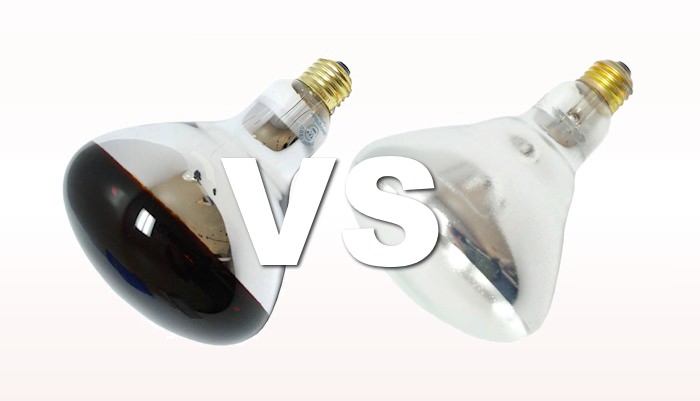
Surprisingly, the choice between red and white heat lamps can significantly affect an animal’s stress levels and health. The debate often hinges on the light spectrum’s impact on circadian rhythms, but there are practical considerations too. Understanding these distinctions is crucial for optimal environmental control in various professional settings.
Historically, red heat lamps have been favored in poultry farming due to minimal disruption to the animals’ sleep patterns. Conversely, white heat lamps are often utilized in reptile habitats where both heat and visible light are crucial. Studies reveal that red light can reduce aggression in chickens by up to 30%, making it a preferred option for crowded environments.
| Feature | Red Heat Lamp | White Heat Lamp |
|---|---|---|
| Light Intensity | Softer, Gentle Light | Bright, Strong Light |
| Energy Efficiency | Highly Efficient | Moderately Efficient |
| Heat Distribution | Even Heat Spread | Good but Less Even |
| Animal Comfort | Less Intrusive, Calming | Can Disturb Sleep |
| Cost | More Affordable | Pricier |

Overview of Red and White Heat Lamps
Heat lamps come in different colors, mainly red and white. Both have unique uses and benefits. It’s important to understand their differences to choose the best one.
Overview of Red Heat Lamps
Red heat lamps are often used in places where animals need warmth. They help in keeping the area cozy without being too bright. This makes them useful in farms and pet habitats.
These lamps are also energy-efficient. They generate heat using less power, saving money on the electricity bill. This is one reason why farmers prefer them.
Red heat lamps don’t disturb animals’ sleep cycles. The red light is less invasive, allowing animals to rest better. This helps in keeping them healthy and stress-free.
Installation of red heat lamps is usually easy. They come in simple designs that can fit into most lamp holders. This makes them convenient for quick setup.
However, red lamps can sometimes get very hot. It’s important to use them with caution to avoid any burns or accidents. Proper installation and handling are crucial.
Overview of White Heat Lamps
White heat lamps are popular in different settings, including reptile enclosures and plant growth areas. They provide both heat and light, which can be very beneficial.
These lamps help in maintaining a natural light environment. This is especially useful for reptiles that need heat and light to regulate their body temperature. It’s also good for plants that need light for photosynthesis.
White heat lamps are known for their brightness. They illuminate the area well, which can be useful in dark spaces. However, the brightness might disturb animals at night.
The energy consumption of white heat lamps can be higher. They require more power to provide both light and heat. This can increase electricity costs over time.
White heat lamps are versatile and durable. They can be used in many different areas and usually last long. This makes them a good investment for long-term use.
Key Features Compared
Red and white heat lamps have distinct features that cater to different needs. Comparing their key features can help in making a better choice. Let’s look at some important aspects to consider.
Light Intensity
Red heat lamps emit a softer light. This makes them less harsh on the eyes and more comfortable for animals. It’s ideal for keeping the area warm without being too bright.
White heat lamps provide a stronger light. They illuminate the area well, making them useful in dark spaces. However, the brightness can sometimes disturb animals during sleep.
In terms of intensity, red lamps are more soothing. They help in creating a calming environment. White lamps, on the other hand, are more suitable for areas requiring better visibility.
Red light is less likely to disrupt the natural sleep cycle of animals. This offers a significant advantage in environments like poultry farms. White light, although brighter, may not be as gentle.
According to this post, red lamps are often favored for their calming effect, while white lamps are chosen for visibility. Both have their own specific use cases.
Energy Efficiency
Red heat lamps generally consume less power. They are designed to be energy-efficient, saving on electricity bills. This makes them a popular choice for continuous use.
White heat lamps might consume more electricity. They offer both heat and light, which requires more energy. This could lead to higher operational costs over time.
Energy efficiency is a big factor when choosing a heat lamp. Red lamps help in reducing energy consumption. White lamps, though less efficient, provide dual functions of heat and light.
Conserving energy can also lead to a reduction in your carbon footprint. Red lamps help in this regard by using less power. It’s an eco-friendly option compared to white lamps.
Both types have different energy requirements, making it important to consider long-term energy costs. This feature alone can influence the decision heavily.
Heat Distribution
Red heat lamps distribute heat evenly. They are good at maintaining a warm and constant temperature. This is particularly useful in places needing consistent heat.
White heat lamps also provide good heat distribution. However, they might not be as effective as red lamps in larger spaces. They are better suited for smaller, focused areas.
Even heat distribution is crucial for the comfort of animals. It prevents cold spots and ensures a uniformly warm environment. Red lamps excel in this feature.
With white lamps, there is a blend of heat and light distribution. This can be advantageous where both are required equally. But for pure heating, red lamps are more efficient.
Overall, red lamps have an edge in evenly distributing heat, making them a preferred choice in many settings. But the choice largely depends on specific needs.
Durability
Red heat lamps are often very durable. They are designed to withstand long hours of operation. This makes them suitable for continuous use.
White heat lamps are also durable. However, because they provide both light and heat, they may wear out faster. They might need to be replaced more often.
Durability is an important feature for cost-effective use. Red lamps often last longer, saving on replacement costs. White lamps, although durable, might not match the longevity of red ones.
Frequent replacements can add up in cost and inconvenience. Red lamps, with their longer life, offer a better economic choice. But the dual function of white lamps still holds value.
Considering both, red lamps come out ahead in terms of lifespan. Yet, white lamps shouldn’t be counted out as they have their own strengths.
Cost
Red heat lamps are typically more affordable. They have a lower initial cost. This makes them accessible for many users.
White heat lamps might be pricier. Their dual function of providing both heat and light generally raises the cost. This is something to consider when budgeting.
While initial costs are important, operating costs matter too. Red lamps save more on energy bills. White lamps could end up costing more over time due to higher energy use.
Both types represent different value propositions. Red lamps are cost-effective both initially and in the long run. White lamps, though costlier, offer the combined benefits of light and heat.
Choosing between the two may depend heavily on budget constraints and the specific needs of the environment they are used in.
Red Heat Lamp vs White Heat Lamp: Feature Comparison
Choosing between red and white heat lamps can be challenging. To help, we will compare their features side by side. This comparison will highlight the key differences and similarities between the two.
| Feature | Red Heat Lamp | White Heat Lamp |
|---|---|---|
| Light Intensity | Soft, Gentle Light | Bright, Strong Light |
| Energy Efficiency | Highly Efficient | Moderately Efficient |
| Heat Distribution | Even Heat Spread | Good but Less Even |
| Durability | Long Lasting | Durable but May Wear Out Faster |
| Cost | More Affordable | Pricier |
| Animal Comfort | Less Intrusive, Calming | Can Disturb Sleep |
| Installation Ease | Easy to Install | Easy to Install |
| Purpose | Primarily for Heat | Heat and Illumination |
| Eco-friendliness | Lower Carbon Footprint | Higher Carbon Footprint |
| Operating Cost | Lower | Higher |
The Good and The Bad
Red and white heat lamps each have their own advantages and disadvantages. Knowing these can help you make an informed choice. Let’s explore the pros and cons of both types.
| Pros | Cons |
|---|---|
| Softer light (Red Heat Lamp) | Can get very hot (Red Heat Lamp) |
| Energy-efficient (Red Heat Lamp) | May need frequent replacements (White Heat Lamp) |
| Better sleep for animals (Red Heat Lamp) | Higher energy use (White Heat Lamp) |
| Bright light for visibility (White Heat Lamp) | Can disturb sleep (White Heat Lamp) |
| Dual function (White Heat Lamp) | Higher initial cost (White Heat Lamp) |
Price Comparison
Comparing prices is crucial when choosing between red and white heat lamps. This table will help you understand how they differ in cost. Let’s look at the price comparison.
| Red Heat Lamp | White Heat Lamp |
|---|---|
| Initial Cost: Lower | Initial Cost: Higher |
| Energy Cost: Lower | Energy Cost: Higher |
| Replacement Frequency: Less Frequent | Replacement Frequency: More Frequent |
| Long-term Savings: Higher | Long-term Savings: Lower |
| Overall Value: High | Overall Value: Moderate |
Which Is Better?
Choosing between red and white heat lamps depends on your specific needs. Red heat lamps are often preferred for animal habitats because they provide a gentle, calming light. On the other hand, white heat lamps provide both light and heat, making them useful in areas requiring better visibility.
Red heat lamps are more energy-efficient, which can save money on electricity bills over time. They also help animals rest better since the soft red light is less likely to disturb their sleep patterns. However, they can get very hot, so proper installation and handling are crucial.
White heat lamps are advantageous in situations where both light and heat are needed. They are bright and can help illuminate dark areas. However, their higher energy consumption and potential to disturb sleep patterns in animals can be drawbacks.
In the end, the choice depends on what you prioritize more: energy efficiency and animal comfort or dual functionality with better visibility. Based on overall benefits, red heat lamps might be the better option for many settings.
Here are three reasons why red heat lamps might be the better choice:
- They save more energy, reducing electricity costs.
- They are less likely to disturb animals’ sleep, enhancing their comfort and health.
- They provide even heat distribution, ensuring a consistent warm environment.
Frequently Asked Questions
Choosing between red and white heat lamps can be complex. Here are five questions to help you understand their differences. These answers aim to provide clarity on common concerns.
1. What are the main advantages of using a red heat lamp?
Red heat lamps are highly energy-efficient, often consuming less power than their white counterparts. This results in lower electricity bills over time, which can be a significant saving for farms and pet owners.
Another advantage is that red lamps provide a softer light, reducing stress for animals. This minimal light disturbance is particularly beneficial for animals’ sleep cycles and overall well-being.
2. Are white heat lamps better suited for reptile habitats?
White heat lamps are often preferred in reptile habitats because they provide both light and heat. This mimics the natural environment better, helping reptiles regulate their body temperature and circadian rhythms.
The bright light from white heat lamps also allows for a more visible environment, which can be beneficial for observation and interaction with reptiles. However, the brightness might disrupt sleep if used continuously.
3. How do red and white heat lamps affect the sleep patterns of animals?
Red heat lamps are less likely to disturb animals’ sleep patterns due to their softer light. This makes them ideal for species that are sensitive to light and require undisturbed rest periods.
Conversely, white heat lamps, while useful for visibility, can interfere with sleep cycles if left on continuously. Animals might find it harder to rest under bright light compared to the soft glow of a red heat lamp.
4. Which type of heat lamp is more durable?
Both red and white heat lamps are generally durable, but red heat lamps often have an edge. They are specifically designed for long-term use, offering better longevity and reduced replacement costs.
White heat lamps, though durable, may wear out quicker because they perform dual functions—providing both light and heat. This added functionality can strain the lamp over time, requiring more frequent replacements.
5. How does the cost of red and white heat lamps compare?
Red heat lamps are typically more affordable initially and cheaper to run due to their energy efficiency. They offer a cost-effective solution for maintaining warmth, especially in larger settings like farms.
White heat lamps, while providing dual functionality, often come at a higher initial cost and consume more electricity. This can lead to increased operational expenses over time, making them more costly in the long run.
Red Light Therapy vs Infrared Bulbs [UPDATE]
Conclusion
Deciding between red and white heat lamps hinges on your specific needs and priorities. Red heat lamps are energy-efficient, less disruptive to sleep, and more cost-effective. They excel in environments where animal comfort and low energy consumption are crucial.
On the other hand, white heat lamps offer the dual benefits of heat and illumination. While they may consume more energy and cost more initially, their versatility can be advantageous in specific settings. Ultimately, the choice depends on the particular demands of your environment.

I’m Emily Johnson, an affiliate marketer and blogger focused on lamps and lighting. I share honest reviews, simple buying guides, and practical tips. My goal is to help readers choose the right lamp for their space, style, and budget with confidence.