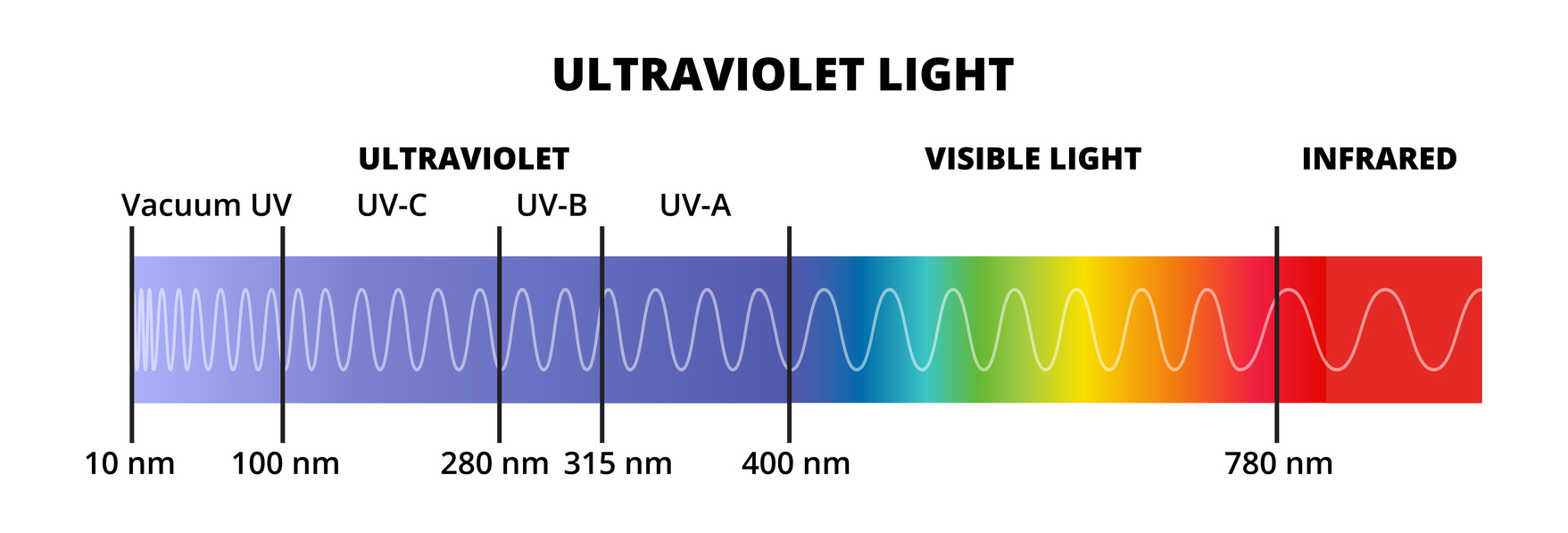
One might wonder, what’s the difference between a UV lamp and a blacklight? Despite their common use in various fields, these two lighting technologies serve distinct purposes. Interestingly, while they both emit ultraviolet light, their applications range from scientific analysis to artistic expressions.
UV lamps date back to the early 20th century when they were first used for medical treatments. Blacklights, on the other hand, became popular in the 1960s for their ability to make neon colors glow under ultraviolet light. Today, UV lamps are integral in sterilization processes, reportedly killing up to 99.9% of bacteria, whereas blacklights are renowned for their use in detecting counterfeit currency and in forensic investigations.
| Feature | UV Lamp | Blacklight |
|---|---|---|
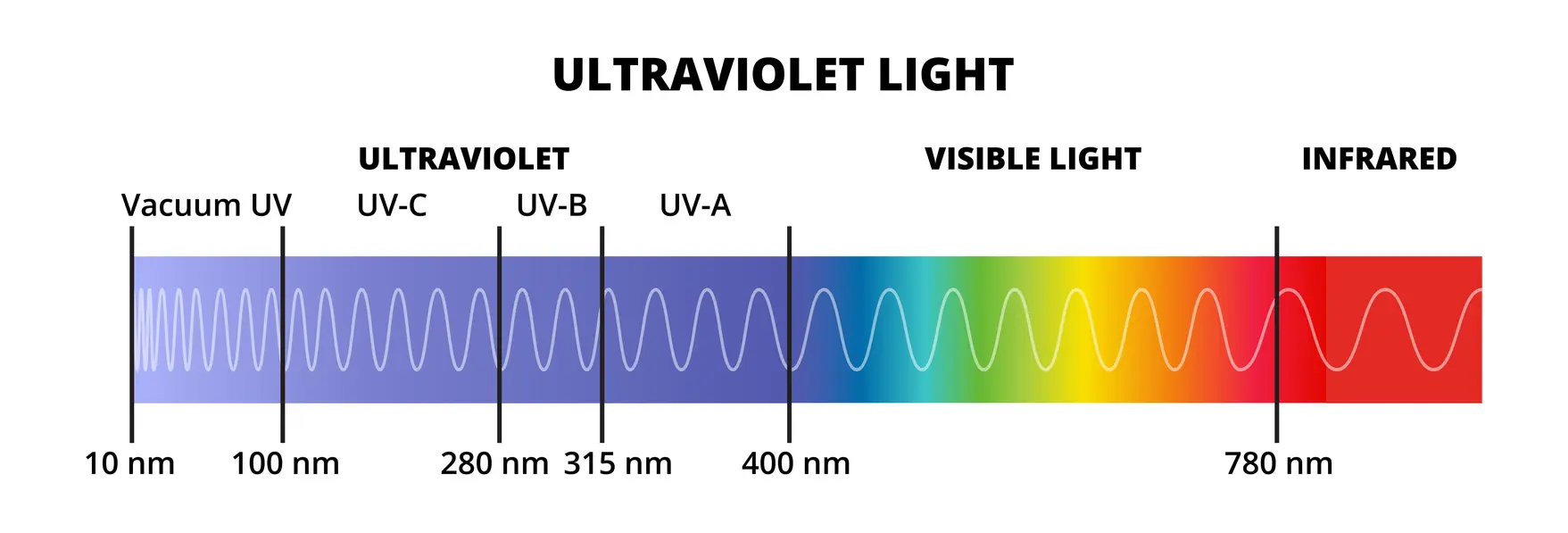
| UV Spectrum | Wide range, including UV-A, UV-B, and UV-C | Primarily UV-A |
| Primary Use | Medical treatments, sterilization, water purification | Artistic effects, parties, counterfeit detection |
| Safety | Requires protective gear | Generally safe, but avoid prolonged exposure |
| Durability | High, designed for long-term use | Moderate, good for short-term use |
| Cost | Higher | Lower |
Overview of UV Lamp and Blacklight
UV lamps and blacklights are different types of lights used for special purposes. Both emit ultraviolet light, but they serve unique roles. Let’s learn about each one and what makes them special.
Overview of UV Lamp
A UV lamp is a type of light that emits ultraviolet rays. These rays are invisible to the naked eye. People use UV lamps for various tasks, including medical treatments and sterilization.
UV lamps are commonly found in hospitals and laboratories. Doctors use them to kill bacteria and viruses. This makes them very important in keeping places clean and safe.
Another use for UV lamps is in water purification. The ultraviolet light kills germs in the water. This means people can drink safer, cleaner water thanks to UV lamps.
UV lamps also help in forensic science. Investigators use them to find clues at crime scenes. The UV light makes certain fingerprints and stains visible, which can’t be seen with regular light.
Lastly, UV lamps are used by some people for skin treatments. They help treat conditions like psoriasis. However, because UV rays can be harmful, these treatments are done carefully under a doctor’s supervision.
Overview of Blacklight
Blacklights are a popular type of ultraviolet light. They emit a kind of UV light that makes certain colors glow in the dark. This glowing effect is why blacklights are used in fun settings like parties and art shows.
Artists often use blacklights to create eye-popping visuals. The glowing colors look cool and catch people’s attention. Kids especially find blacklight art amazing and fascinating.
Another common use for blacklights is in detecting counterfeit currency. Shopkeepers can use them to spot fake money. Blacklights reveal special features on currency that normal lights can’t show.
In the world of pest control, blacklights have their place too. Some insect traps use blacklight to attract and capture pests. This helps keep homes and gardens free from annoying bugs.
Scientists use blacklights for various experiments. They can study minerals and certain chemicals that fluoresce. This can help researchers discover new properties of materials.
Key Features Compared
UV lamps and blacklights have several key features that set them apart. Comparing these features will help us understand where each type of light shines best. Let’s look at their differences in detail.
Spectrum Coverage
UV lamps and blacklights emit different ranges of ultraviolet light. UV lamps usually cover a wider spectrum of UV light. This makes them useful for various scientific and medical purposes.
Blacklights emit UV-A light, which is less powerful. This makes them special for making objects glow. Artists and event organizers often use blacklights to create cool effects.
According to this expert opinion, the strength of UV light matters a lot. That’s why UV lamps are used for stronger applications. Blacklights are better for fun and safe uses.
It’s important to understand these differences. It helps to choose the right light for the right job. Both have their own unique spectrum coverage, making each one special.
Lifetime
UV lamps and blacklights have different lifetimes. UV lamps usually last for about 9,000 hours. This long life makes them reliable for continuous use in labs and hospitals.
On the other hand, blacklights have a shorter lifespan. They often last for 1,000 to 4,000 hours. This range is sufficient for casual, artistic, or short-term uses.
The longer lifespan of UV lamps makes them more expensive. But the investment is worth it for critical tasks. Blacklights are cheaper and easy to replace for fun activities.
Choose the light based on how long you need it. A long-lasting UV lamp is perfect for serious work. A blacklight is best for temporary, creative projects.
Ease of Usage
UV lamps and blacklights are different when it comes to ease of usage. UV lamps require careful handling and setup. They are often used in controlled environments like labs.
Blacklights, however, are usually plug-and-play. You can easily set them up at home or at a party. This makes them user-friendly for everyone.
UV lamps may need protective gear for safe use. Gloves and goggles are common safety items. Blacklights, on the other hand, are generally safe to use without special gear.
Understanding ease of use can help you make the right choice. If you need something easy and quick, go for a blacklight. If your task is more serious, a UV lamp might be your best bet.
Safety Concerns
Safety is a big consideration with both UV lamps and blacklights. UV lamps emit stronger ultraviolet rays that can be harmful. Users need to wear protective gear to stay safe.
Blacklights emit weaker UV-A light, which is safer for casual use. However, prolonged exposure can still be risky. It’s best to limit the time spent under a blacklight.
In hospitals, special rooms are designed for UV lamp usage. This ensures that only trained professionals use them. At home, blacklights can be used safely with basic caution.
Understanding the risks helps in using these lights wisely. Safety should always come first. Make sure to follow all guidelines when using UV lamps or blacklights.
Durability
Durability is another key feature to compare. UV lamps are generally more durable and built to last. They can withstand tough conditions in labs and hospitals.
Blacklights are less durable but are perfect for casual use. They are designed for short-term applications like parties and art shows.
Because UV lamps are made for heavy-duty use, they are more expensive. They offer better value in the long run. Blacklights are cheaper and good for temporary needs.
Think about how you plan to use the light. If you need something durable, go for a UV lamp. If you’re looking for a quick, fun effect, a blacklight is your go-to.
UV Lamp vs Blacklight: Feature Comparison
UV lamps and blacklights are often used for different purposes, and they have distinct features. This comparison will help you understand the differences better. Let’s take a look at their unique features side by side.
| Feature | UV Lamp | Blacklight |
|---|---|---|
| UV Spectrum | Wide range, including UV-A, UV-B, and UV-C | Primarily UV-A |
| Primary Use | Medical treatments, sterilization, water purification | Artistic effects, parties, counterfeit detection |
| Safety | Requires protective gear | Generally safe, but avoid prolonged exposure |
| Durability | High, designed for long-term use | Moderate, good for short-term use |
| Lifetime | About 9,000 hours | 1,000 to 4,000 hours |
| Ease of Use | Requires careful setup | Easy plug-and-play |
| Cost | Higher | Lower |
| Glow Effect | No | Yes, makes objects glow |
| Applications | Scientific, medical, industrial | Entertainment, art, security |
| Portability | Less portable | More portable |
The Good and The Bad
UV lamps and blacklights both have their advantages and drawbacks. Understanding these can help you decide which is best for your needs. Here’s a comparison of the good and the bad for each type of light.
| Pros | Cons |
|---|---|
| Effective in sterilization (UV Lamp) | Requires protective gear (UV Lamp) |
| Makes objects glow (Blacklight) | Shorter lifespan (Blacklight) |
| Long-lasting (UV Lamp) | Higher cost (UV Lamp) |
| Easy to use (Blacklight) | Limited to UV-A light (Blacklight) |
| Versatile applications (UV Lamp) | Less portable (UV Lamp) |
Price Comparison
UV lamps and blacklights differ in price based on their features and uses. Understanding the cost differences can help you make a better choice. Here’s a comparison of their price ranges and value.
| UV Lamp | Blacklight |
|---|---|
| Higher cost due to advanced features | Generally cheaper and more affordable |
| Used in professional and industrial settings | Commonly used for entertainment and art |
| Cost can range from $100 to $500 | Cost can range from $10 to $50 |
| Long-lasting and durable | Shorter lifespan and moderate durability |
| Quality and performance justify higher prices | Affordable for temporary and casual use |
Which Is Better?
Deciding whether a UV lamp or a blacklight is better depends on what you need. Both have unique features and serve different purposes. Comparing them side by side can help you choose the right one for your specific use.
UV lamps are powerful and versatile. They are best suited for serious tasks like sterilizing medical equipment, purifying water, and forensic investigations. Though they cost more, their advanced capabilities and long lifespan make them worth the investment.
Blacklights are more playful and fun. They are popular in artistic settings, parties, and for detecting counterfeit money. Blacklights are easier to use and more affordable, making them perfect for casual and temporary use.
Ultimately, the choice between a UV lamp and a blacklight boils down to what you need. If you require a strong, long-lasting light for critical tasks, a UV lamp is the way to go. If you need something less intense for fun or short-term use, a blacklight will serve you well.
Reasons to choose a UV lamp:
- Highly effective in sterilization and purification.
- Long-lasting and durable for professional use.
- Versatile applications in science, medicine, and industry.
Frequently Asked Question
UV lamps and blacklights are often confused due to their similar ultraviolet light emissions. However, they serve different purposes and have unique characteristics. Below are some frequently asked questions to clarify their differences and uses.
1. What are the primary uses of UV lamps?
UV lamps are primarily used for sterilization and disinfection purposes. They are effective in killing bacteria and viruses, making them essential in medical settings and water purification systems.
Additionally, UV lamps are used in forensic science for detecting body fluids and other traces at crime scenes. They also serve in curing certain types of resins and inks in industrial processes.
2. How are blacklights commonly used?
Blacklights are often used for artistic and entertainment purposes. They make fluorescent materials glow, creating stunning visual effects in dark environments, which is popular in nightclubs, art installations, and theatrical productions.
Blacklights are also used for security and authentication purposes. For instance, they help in verifying the authenticity of banknotes and identifying certain features in artwork and documents.
3. Are UV lamps and blacklights safe to use?
UV lamps emit strong ultraviolet rays that can be harmful to skin and eyes. Therefore, they require proper protective gear and controlled environments to ensure safe use.
Blacklights emit UV-A light, which is generally considered safer than the light emitted by UV lamps. However, it is still advisable to limit exposure and follow safety guidelines, especially when used over extended periods.
4. How do the costs of UV lamps compare to blacklights?
UV lamps are typically more expensive due to their advanced features and specialized applications. They are built to last longer and provide high-intensity ultraviolet light for critical tasks.
Blacklights are generally cheaper and more accessible for casual use. They are often used in settings where the cost needs to be minimized, such as parties, decorations, and quick security checks.
5. What makes UV lamps more effective for sterilization?
UV lamps are designed to emit a broad spectrum of ultraviolet light, including UV-C, which is highly effective at killing microorganisms. This makes them ideal for sterilizing surfaces, air, and water.
Blacklights, on the other hand, mainly emit UV-A light and are not as effective in sterilization. Their lower intensity and specific wavelength are more suited for artistic and inspection purposes rather than disinfection.
DIFFERENCE between 365nm and 400nm UV LED Black Lights Explained VISUALLY
Conclusion
UV lamps and blacklights both offer unique features that cater to different needs. UV lamps excel in sterilization, medical applications, and scientific use, thanks to their powerful and wide-spectrum UV light. In contrast, blacklights are fantastic for artistic endeavors, casual fun, and basic security checks.
Whether you choose a UV lamp or a blacklight, understanding their capabilities and limitations is key. Each has its own set of advantages and drawbacks, depending on the intended use. By evaluating your specific requirements, you can make an informed decision and select the best tool for your needs.

I’m Emily Johnson, an affiliate marketer and blogger focused on lamps and lighting. I share honest reviews, simple buying guides, and practical tips. My goal is to help readers choose the right lamp for their space, style, and budget with confidence.